Glaucoma Treatment in China: Your Companion for Eye Pressure Care
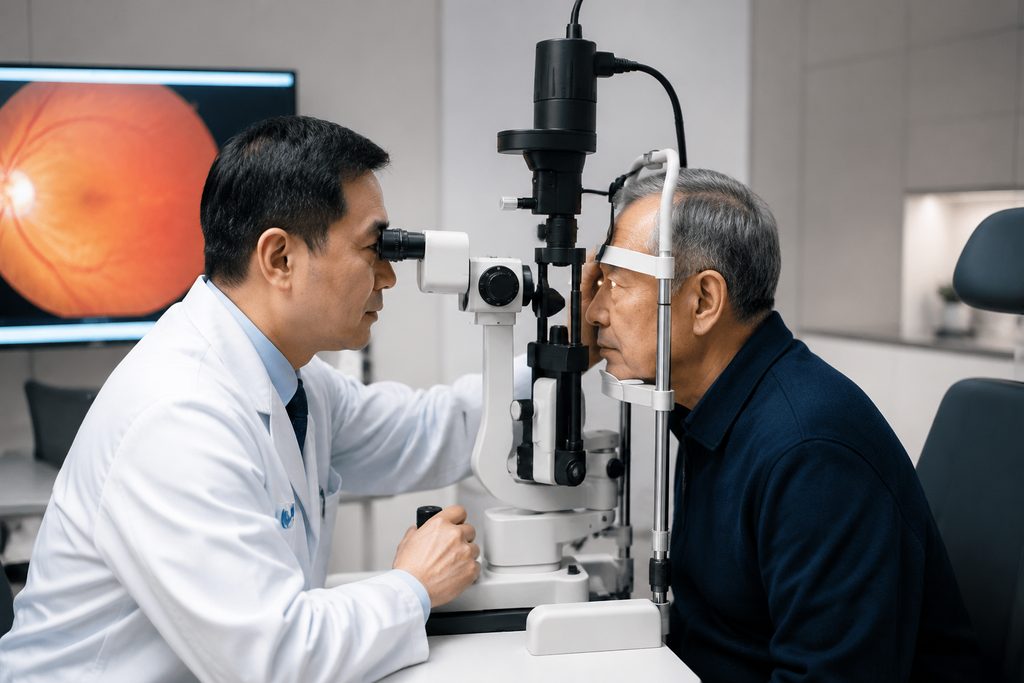
You’ve probably heard that getting medical care in China means long lines, language chaos, and questionable quality. The reality for glaucoma patients is far more nuanced. China’s top eye centers now perform thousands of glaucoma procedures annually using the same devices found in Bascom Palmer or Moorfields. The difference is structural: centralized volume, streamlined workflows, and a price point that makes treatment accessible when your home country’s system has failed you.
Key Takeaways
- Glaucoma surgery in China typically ranges from $2,500 to $8,000 per eye, depending on procedure type and hospital tier — roughly one-fifth to one-tenth of US private-pay rates.
- China’s top ophthalmology departments, including those ranked in the Fudan specialty reputation list, perform high volumes of trabeculectomy, tube shunt, and minimally invasive glaucoma surgery (MIGS) annually.
- Public hospital outpatient clinics cannot be pre-booked from overseas; international patients access scheduled surgery through hospital international departments or VIP channels, which run 1.5–2x standard pricing.
- Glaucoma cannot be reversed — surgery or laser treatment lowers intraocular pressure to slow progression, but any clinic promising a “cure” should be treated with extreme caution.
The Problem: Glaucoma Is Stealing Vision While Patients Wait
Glaucoma affects approximately 80 million people worldwide, and roughly 10% of those are bilaterally blind from the disease. The World Health Organization lists glaucoma as the second leading cause of blindness globally. Unlike cataracts, the vision loss is irreversible. Once retinal ganglion cells die, they do not come back.
In countries like the United States, the United Kingdom, and Canada, the path from diagnosis to surgical intervention can stretch for months. A 2022 survey of NHS ophthalmology services found that over 30% of glaucoma patients waited longer than the recommended follow-up interval. In the US, uninsured or high-deductible patients often delay trabeculectomy because the out-of-pocket quote lands between $15,000 and $30,000 per eye. That delay is not neutral. Every month of uncontrolled intraocular pressure means more axonal loss.
So patients start searching. They look at medical travel to India, Thailand, Mexico, South Korea. And increasingly, they ask a question that deserves a straight answer: how is glaucoma treated in China, and is it a viable option for someone who needs surgery within weeks, not years?
Why China Delivers Results for Glaucoma Patients
China’s ophthalmology infrastructure has undergone a transformation over the past two decades. Eye hospitals in major cities now operate with the same diagnostic platforms — optical coherence tomography (OCT), Humphrey visual field analyzers, and femtosecond laser systems — used in Western academic centers. The difference is throughput.
Clinical Volume That Builds Surgical Repetition
A glaucoma specialist at a top-tier Chinese eye hospital may perform 300 to 600 filtration surgeries or tube shunt procedures in a year. Compare that with the average US comprehensive ophthalmologist, who might do 30 to 50 glaucoma surgeries annually. Volume alone does not guarantee outcomes, but in surgery, repetition is the raw material of competence. The best eye hospital in China for glaucoma typically handles complex cases — neovascular glaucoma, congenital glaucoma, post-traumatic angle recession — that community hospitals in the West refer out. That case mix matters when you have an unusual presentation.
Technology Without the Wait
Minimally invasive glaucoma surgery devices like the iStent, Hydrus, and XEN gel stent are approved and used in China. Selective laser trabeculoplasty (SLT) is widely available as a first-line or adjunctive treatment. The operational difference is scheduling. Once a patient is accepted through an international department, the typical timeline from arrival to surgery is 5 to 10 days, including preoperative workup. In a public NHS trust, the same sequence can take 4 to 6 months.
Cost Advantage Without Quality Compromise
Let’s address the obvious objection. Lower cost does not mean lower quality. Chinese hospital pricing reflects structural economics: lower physician labor costs, high patient volumes that amortize equipment investment, and a tiered system where international patients pay more than local patients but still far less than Western private rates. A trabeculectomy at a top public hospital’s international department in Shanghai or Beijing typically runs $3,000 to $6,000 per eye. Tube shunt surgery runs $5,000 to $8,000. MIGS procedures fall in the $4,000 to $7,000 range. These are all-inclusive surgical fees, though preoperative evaluation and postoperative medications add to the total.
Glaucoma Surgery Cost China: Real Numbers for Real Planning
Here is what you should actually budget for when planning glaucoma surgery in China. These figures reflect 2024–2025 pricing at public hospital international departments and private international eye centers in Beijing, Shanghai, and Guangzhou. The range accounts for hospital tier, surgeon seniority, and case complexity.
| Procedure | China (USD, per eye) | US Private Pay (USD, per eye) | UK Private (USD, per eye) |
|---|---|---|---|
| Trabeculectomy with antimetabolite | $3,000 – $6,000 | $15,000 – $25,000 | $10,000 – $16,000 |
| Tube shunt (Ahmed, Baerveldt) | $5,000 – $8,000 | $18,000 – $30,000 | $12,000 – $18,000 |
| MIGS (iStent, Hydrus, XEN) | $4,000 – $7,000 | $10,000 – $18,000 | $8,000 – $14,000 |
| Selective Laser Trabeculoplasty (SLT) | $500 – $1,200 | $1,500 – $3,000 | $1,000 – $2,000 |
| Comprehensive glaucoma evaluation (OCT, visual field, gonioscopy) | $150 – $400 | $500 – $1,200 | $400 – $900 |
These are reference ranges, not quotes. Final pricing varies by hospital and case complexity. What they show is a consistent pattern: Chinese pricing runs 70% to 85% below US private-pay rates for equivalent procedures using equivalent technology.
How Is Glaucoma Treated in China: The Actual Clinical Pathway
Glaucoma treatment in China follows the same evidence-based ladder used internationally. First-line is usually prostaglandin analogue eye drops — latanoprost, bimatoprost, travoprost — which lower intraocular pressure by 25% to 35%. If drops fail or compliance is poor, the next step is laser: SLT for open-angle glaucoma, or laser peripheral iridotomy for angle-closure glaucoma, which is far more common in East Asian populations than in the West.
When laser is insufficient, surgery enters the picture. Trabeculectomy remains the gold standard for advanced disease. Chinese surgeons perform this procedure at high volume, and the technique — including the use of mitomycin C to reduce scarring — is well established. For patients with failed trabeculectomy or conjunctival scarring, tube shunts are the standard next step. MIGS is increasingly offered for mild-to-moderate open-angle glaucoma, often combined with cataract surgery when a visually significant cataract is present.
One important regional nuance: angle-closure glaucoma accounts for a much larger share of glaucoma blindness in China than in Europe or North America. Chinese ophthalmologists therefore have extensive experience with angle-closure management, including lens extraction as a primary intervention for primary angle-closure disease. If your diagnosis involves narrow angles or angle closure, Chinese centers may offer a depth of clinical experience that is harder to find in Western clinics where open-angle glaucoma dominates.
Can Glaucoma Be Cured in China? The Honest Answer
No. Glaucoma cannot be cured anywhere — not in China, not in the United States, not anywhere. Any provider who tells you otherwise is either misinformed or dishonest. What surgery and laser can do is lower intraocular pressure to a level that slows or halts further optic nerve damage. The vision already lost does not return.
This matters because the internet is full of clinics advertising “glaucoma reversal” or “vision restoration” using stem cells, acupuncture, or proprietary herbal formulations. China has legitimate Traditional Chinese Medicine hospitals that offer acupuncture and herbal support for glaucoma patients, primarily as adjunctive therapy for symptom management and overall ocular comfort. What TCM cannot do is restore dead retinal ganglion cells. The TCM hospitals in our network are transparent about this limitation. If a clinic promises cure, walk away.
Book Glaucoma Treatment Shanghai: What the Process Actually Looks Like
Shanghai hosts several of China’s strongest ophthalmology departments. Eye and ENT Hospital of Fudan University is consistently ranked among the top eye centers in the country. Shanghai General Hospital and Ruijin Hospital also run large glaucoma services. If you are considering Shanghai specifically, here is the realistic pathway.
First, you need a confirmed diagnosis and recent test results. OCT of the retinal nerve fiber layer, visual field testing, and intraocular pressure measurements from the last 3 to 6 months. Without these, no Chinese hospital will schedule surgery. Second, you need a remote consultation. Most international departments offer video consultation with a glaucoma specialist who will review your records and either accept you as a surgical candidate or recommend continued medical management. Written second opinions from top specialists run $300 to $500. Video consultations with a top-tier glaucoma surgeon run $500 to $800.
Third, you travel. The S2 visa, issued for short-term private affairs including medical treatment, is the correct category. Your hospital’s international department will provide an invitation letter and treatment confirmation to support the application. Your accompanying family member applies for the same S2 visa category. Processing typically takes 1 to 4 weeks depending on your home country’s Chinese embassy or consulate.
Fourth, you arrive for the preoperative evaluation. This takes 2 to 3 days: repeat OCT, visual field, gonioscopy, endothelial cell count, and systemic workup. Surgery is then scheduled within the same week in most international department pathways. Postoperative follow-up happens at day 1, day 7, and day 30. Many patients stay in China for the first week of follow-up and then return home, with remote follow-up coordinated through their local ophthalmologist.
Glaucoma Medical Tourism Package China: What to Watch For
Several agencies now market “glaucoma medical tourism packages” to China. Some are legitimate coordination services. Some are not. Here is how to tell the difference.
A legitimate package includes: hospital selection based on your specific glaucoma type and severity, scheduling through the hospital’s official international department, document translation, airport pickup, and a bilingual companion for hospital visits. Pricing for bilingual medical companion services starts from $300 per day. Hospital appointment coordination starts from $300. VIP end-to-end coordination for complex cases runs $5,000 to $8,000.
A red flag is any package that guarantees a specific surgeon, a specific surgery date, or a specific outcome. No legitimate coordinator can promise these things, because no legitimate hospital will promise them in advance. Public hospital rules require in-person evaluation before surgery is confirmed. Anyone who says otherwise is either lying or planning to route you through an unaccredited facility.
Another red flag: packages that bundle “treatment” with tourism activities at inflated prices. A real medical trip is not a vacation. Postoperative glaucoma patients need rest, not city tours. If the package emphasizes sightseeing over surgical planning, the priorities are wrong.
Practical Considerations: Documentation, Payment, and Follow-Up
You will need your complete ophthalmic records translated into English or Chinese. Most international departments accept English records. Bring your original OCT printouts, visual field reports, and a summary letter from your current ophthalmologist stating your diagnosis, treatment history, current medications, and surgical history. If you have had previous eye surgery, bring the operative reports.
Payment is upfront. Public hospital international departments require prepayment before surgery, typically by wire transfer or major credit card. Private international hospitals may bill your insurance directly if you have a policy with international coverage. Most public hospitals do not. You pay, then seek reimbursement from your insurer. Check your policy’s medical tourism provisions before you commit — many policies exclude elective overseas surgery unless it is not available in your home country within a reasonable timeframe.
Language is the biggest practical barrier. Public hospital staff speak limited English, even in international departments. A bilingual medical companion handles registration, payment, queueing, and translation during consultations. This is not a luxury. In a hospital where 10,000 patients pass through the outpatient department daily, having someone who knows which window to visit and what to say saves hours and prevents costly miscommunication.
After you return home, your local ophthalmologist takes over postoperative care. Chinese hospitals provide a discharge summary in English on request. You will need a local doctor to monitor intraocular pressure, manage medications, and detect late complications like bleb infection or hypotony. This is not optional. Glaucoma surgery requires lifelong follow-up, and no overseas hospital can provide that from 6,000 miles away.
Frequently Asked Questions
At top-tier hospitals, yes. The infection rates, complication profiles, and surgical outcomes reported by major Chinese eye centers are comparable to international benchmarks. The key is choosing a hospital with a dedicated glaucoma service and experienced surgeons — not a general ophthalmology clinic that happens to offer surgery. The ophthalmology department rankings on our site show which hospitals have proven subspecialty strength.
Chinese hospitals manage their own complications. If a postoperative issue arises while you are still in China — hypotony, infection, elevated pressure — the operating hospital treats it. The practical risk is what happens after you leave. That is why the discharge plan matters. You need a local ophthalmologist who will see you within 48 hours of returning home. If you do not have one, arrange this before you travel. Do not fly home without a follow-up appointment already booked.
For a trabeculectomy in Shanghai, budget $6,000 to $10,000 total per eye. That includes surgery fees, preoperative evaluation, 10 to 14 days of accommodation, flights, visa fees, local transport, and a bilingual companion for hospital days. If you choose a private international hospital, add 30% to 50%. If you need bilateral surgery, the second eye is usually done 2 to 4 weeks later, which extends your stay and adds cost.
No. Glaucoma is a chronic disease. Surgery lowers pressure but does not eliminate the need for monitoring. You will need intraocular pressure checks every 3 to 6 months for life, plus periodic visual field and OCT testing. If you are not willing to commit to lifelong follow-up, surgery is not the right decision regardless of where you have it done.
Generally yes. Discharge summaries and operative reports from accredited Chinese hospitals are accepted by ophthalmologists in the US, UK, Australia, and elsewhere. Request English-language documentation before you leave the hospital. Some Western doctors may want to repeat baseline testing — that is normal and not a sign that your Chinese records are inadequate.
Your Next Step
Glaucoma surgery in China is not for everyone. It is for patients who face unacceptable wait times or unaffordable quotes at home, and who are willing to travel for high-volume, high-quality surgical care at a fraction of Western private-pay prices. We help international patients navigate this path — from hospital selection and remote consultation to visa guidance and on-the-ground bilingual support. We are not a hospital and we do not provide diagnoses or treatment recommendations. What we provide is a clear, honest route to the care you are already seeking. If you want to understand whether China is a realistic option for your specific case, start with a conversation. Tell us about your diagnosis and your goals, and we will help you figure out the next step — whether that is a written second opinion, a video consultation, or simply more information before you decide.
For more medical information and treatment options in China, visit chinamedservices.com (China Medical Services).
