Beijing You’an Hospital Infectious Disease for International Patients: A Full Guide
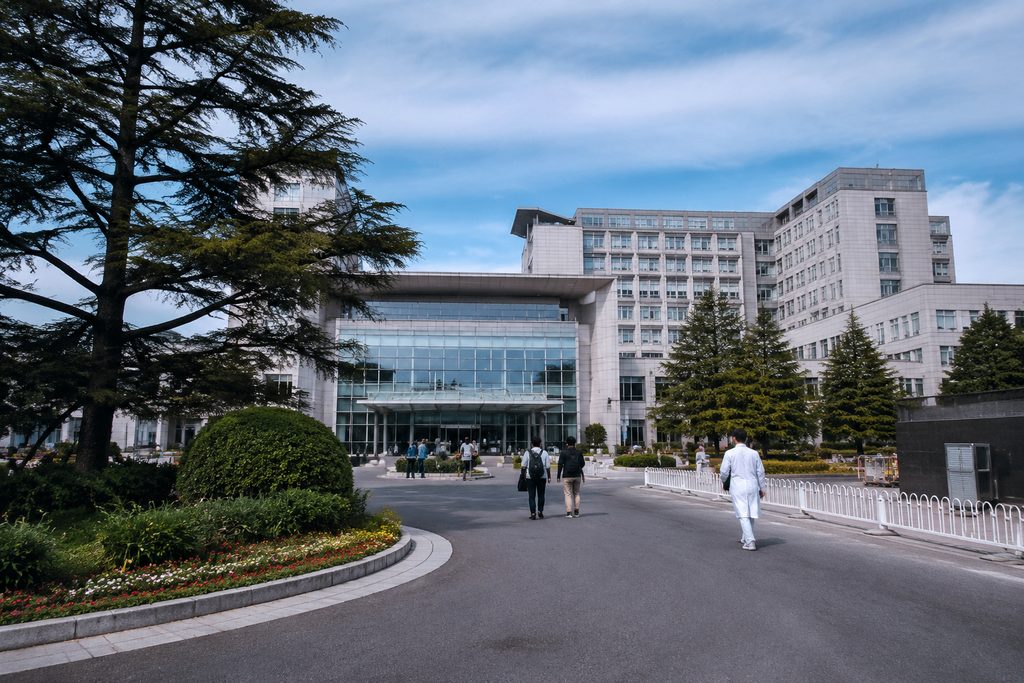
An infectious disease diagnosis is unsettling anywhere. Facing it in a foreign country adds layers of uncertainty. Beijing You’an Hospital, one of China’s most specialized centers for liver disease and infectious conditions, has treated complex cases for decades. For international patients, the hospital’s focused expertise in hepatitis, HIV, and emerging pathogens makes it a serious option — but the logistics require planning. This guide covers what Beijing You’an Hospital international patients infectious disease care actually involves: how to get in, what it costs, where the system helps you, and where it will test your patience.
We coordinate care at China Medical Services for patients traveling from abroad. Our team handles document translation, appointment coordination, and on-the-ground support. We don’t practice medicine. We make the system navigable.
How This Actually Works, Step by Step
You don’t just show up at Beijing You’an Hospital and expect a same-day consultation. The process for international patients follows a sequence. Here’s the real order:
Step 1: Gather your records. You need recent lab results, imaging, pathology reports if applicable, and a summary letter from your current physician. Viral load counts, liver function panels, resistance profiles — whatever exists. These get translated into Chinese by a certified medical translator. Our team handles this.
Step 2: Submit for review. The hospital’s international department or a coordinating service reviews your file. A specialist determines whether your case matches their expertise. For hepatitis B or C, HIV co-infection, or complicated liver disease, the answer is usually yes. For rare tropical diseases, they may refer you elsewhere.
Step 3: Schedule the consultation. Public hospital rules in China mean overseas patients generally cannot book a standard outpatient slot remotely. You need to go through the international medical department or a coordinating service. This adds cost but secures a specific date and an English-speaking pathway.
Step 4: Travel and attend. You arrive in Beijing, attend the consultation, complete any new tests ordered, and receive a treatment plan. Some plans can be executed remotely with your home physician. Others require you to stay for treatment initiation.
Step 5: Follow-up. For chronic conditions like hepatitis, follow-up can often be managed through written second opinions or video consultations after you return home. This is where remote care options save you repeated trips.
What Beijing You’an Hospital Actually Treats
Beijing You’an Hospital is not a general hospital. It focuses. That focus is why patients with complex infectious diseases consider it. The hospital’s core departments include hepatology, infectious disease, HIV/AIDS care, and critical care for severe infections. It also runs one of China’s largest liver disease research programs.
The hospital is affiliated with Capital Medical University and operates as a major teaching hospital. Its hepatitis C treatment protocols align with current international guidelines — direct-acting antivirals are standard. For hepatitis B, the hospital manages long-term antiviral therapy, cirrhosis monitoring, and hepatocellular carcinoma screening. The sheer volume of liver patients treated here means the clinical teams see complications that smaller centers rarely encounter.
For HIV, the hospital provides antiretroviral therapy management, resistance testing, and management of opportunistic infections. Foreigners with HIV can receive care here. There is no legal barrier to treatment. The practical barrier is cost and documentation — you need a confirmed diagnosis, treatment history, and preferably a referral letter.
The hospital also handles tuberculosis, including drug-resistant strains, and has significant experience with emerging respiratory pathogens. During the COVID-19 pandemic, You’an was a designated treatment center in Beijing. That operational experience matters when you’re dealing with a novel or complex infection.
A Realistic Timeline
Time is the variable most international patients underestimate. Here’s what the process looks like in practice, assuming no major complications:
| Stage | What Happens | Duration |
|---|---|---|
| Week 1 | Document collection and medical translation | 3–7 days |
| Week 2 | Hospital review of your case file | 5–10 days |
| Week 3 | Appointment confirmation and visa application (S2) | 7–14 days |
| Week 4–5 | Travel to Beijing, attend consultation, complete new tests | 3–5 days on the ground |
| Month 2 | Receive finalized treatment plan; begin therapy if staying | Varies by case |
| Month 3+ | Remote follow-up via video consultation or written second opinion | Ongoing |
Translation is the step people forget. A rushed translation with errors can delay everything. Budget at least a week for it. Visa processing depends on your home country’s Chinese embassy or consulate — some process S2 visas in under a week, others take three. You cannot control that timeline, so build in buffer.
If you need a specific senior specialist, expect a longer wait. Top clinicians at You’an have heavy domestic demand. The international pathway helps, but it does not eliminate waiting.
What Can Go Wrong — and What Happens Then
Honesty matters more than reassurance here. Several things can derail the process.
Your records are incomplete. The hospital reviews your file and asks for additional tests you didn’t bring. This adds one to two weeks. The fix: have a comprehensive workup done before you travel. Ask your home physician for a complete panel relevant to your condition.
The specialist you wanted is unavailable. You requested a specific doctor, but they’re on leave, at a conference, or fully booked. The hospital offers an alternative specialist in the same department. You decide whether to accept or reschedule. Rescheduling can add a month.
Your visa is delayed. The S2 visa for medical treatment requires supporting documents from the hospital — an invitation letter or treatment confirmation. If the hospital’s letter takes longer than expected, your visa application stalls. The fix is starting the document request early, ideally before you book flights.
Your condition changes while you wait. An infection worsens, or new symptoms appear. You need to update your records and possibly re-triage. This is not uncommon. The hospital’s international department can adjust, but it means more waiting.
In any of these scenarios, the recourse is communication. A coordinating service that can call the hospital directly in Chinese resolves issues faster than email chains. That’s the practical value of having someone on the ground.
Cost of Hepatitis C Treatment in China vs. Other Countries
The cost of hepatitis C treatment in China has dropped dramatically since direct-acting antivirals became available. Generic sofosbuvir-based regimens in China cost a fraction of Western list prices. A full 12-week course of generic direct-acting antivirals in China typically ranges from $3,000 to $8,000, depending on the specific regimen and whether branded or generic drugs are used. In the United States, the same treatment can exceed $30,000 without insurance coverage.
That price gap is real. But it comes with trade-offs. You’re paying for the drugs, plus hospital fees, plus coordination costs. Your insurance may not cover treatment in China. You need to factor in travel, accommodation, and the cost of a bilingual medical companion if you don’t speak Mandarin.
For hepatitis B, the cost difference is less dramatic because treatment is long-term and drug prices vary less. The value of coming to China for hepatitis B is more about specialist expertise in managing complex cases — cirrhosis, co-infection, treatment resistance — than about saving money on medication.
HIV treatment for foreigners in China follows a similar pattern. Antiretroviral drugs are available, and generic options exist. But the question “is HIV treatment available for foreigners in China” has a nuanced answer: yes, clinically, but the logistics are harder. You need a confirmed diagnosis, a treatment history, and a clear plan. Some private international clinics in Beijing also manage HIV care, often with more English support but higher prices.
How to Book an Appointment at Beijing You’an Hospital
How to book appointment at Beijing You’an Hospital is one of the most searched questions for good reason. The hospital’s standard outpatient registration system is designed for domestic patients. Walk-in registration exists, but you’ll wait in line, likely without English support, and you may not see a senior specialist.
The international patient pathway works differently. You contact the hospital’s international medical department directly, or you work with a coordinating service that does this on your behalf. The hospital reviews your medical records, confirms a specialist is appropriate, and schedules a consultation. This is not a guarantee of immediate access — it’s a structured intake process.
What you need before booking:
- A referral letter from your home physician, in English and Chinese translation
- Complete medical records: labs, imaging, pathology, treatment history
- Passport details for registration
- Payment method — public hospitals in China generally require prepayment for international patients
Expect to pay a coordination fee for the international pathway. This ranges from $300 to $1,200 depending on the specialist’s seniority and the complexity of your case. The fee covers scheduling, document handling, and often an interpreter for the consultation. It does not cover hospital treatment charges.
Is Beijing You’an the Best Infectious Disease Hospital in Beijing for Expats?
A full course of generic direct-acting antivirals in China typically costs between $3,000 and $8,000, depending on the regimen and whether branded drugs are used. Hospital consultation fees, testing, and coordination costs are additional. Compared to US prices exceeding $30,000 for the same treatment, the savings are substantial. Final pricing varies by hospital and case complexity.
Not through the standard public registration system. International patients must go through the hospital’s international medical department or a coordinating service. You submit medical records for review, a specialist confirms appropriateness, and a consultation is scheduled. This process takes two to four weeks from document submission to confirmed appointment.
You will need support. The hospital’s international department provides some English assistance, but coverage is not comprehensive. A bilingual medical companion handles translation, navigation, and administrative tasks throughout your visit. This is standard practice for international patients at Chinese public hospitals.
Most international insurance plans operate on a reimbursement model for treatment in Chinese public hospitals. You pay upfront, then submit claims. Direct billing is rare at public hospitals, though some private international clinics in Beijing offer it. Verify your policy’s overseas treatment provisions before traveling.
Your Next Step
Beijing You’an Hospital offers genuine clinical depth for infectious diseases — the kind of experience that comes from treating thousands of complex cases. But accessing that expertise from abroad requires preparation, documentation, and local support. Our team at China Medical Services coordinates the entire pathway: record translation, hospital communication, appointment scheduling, visa guidance, and on-the-ground companionship. We don’t treat patients. We make sure the right specialists do.
If you’re considering care at Beijing You’an Hospital, start with a conversation. Send us your situation and we’ll tell you honestly whether this hospital fits your case. Request a free consultation and we’ll map out the realistic path forward.
Frequently Asked Questions
Yes. The hospitals used for international patients are JCI-accredited and follow the same international safety standards as top hospitals in the US and Europe. Surgical teams perform high volumes of procedures — often more than their Western counterparts — which studies show leads to better outcomes.
Costs vary by procedure and hospital, but international patients typically save 40-80% compared to US prices — even when factoring in travel and accommodation. A consultation with our team will give you an exact, all-inclusive quote with no hidden fees.
Send us your existing medical reports to get started. We handle everything from hospital selection and appointment scheduling to visa assistance and post-operative recovery planning. Your medical records are reviewed by the specialist before you even book a flight.
For more medical information and treatment options in China, visit chinamedservices.com (China Medical Services).
