Peking University First Hospital Nephrology for International Patients: Access and Costs
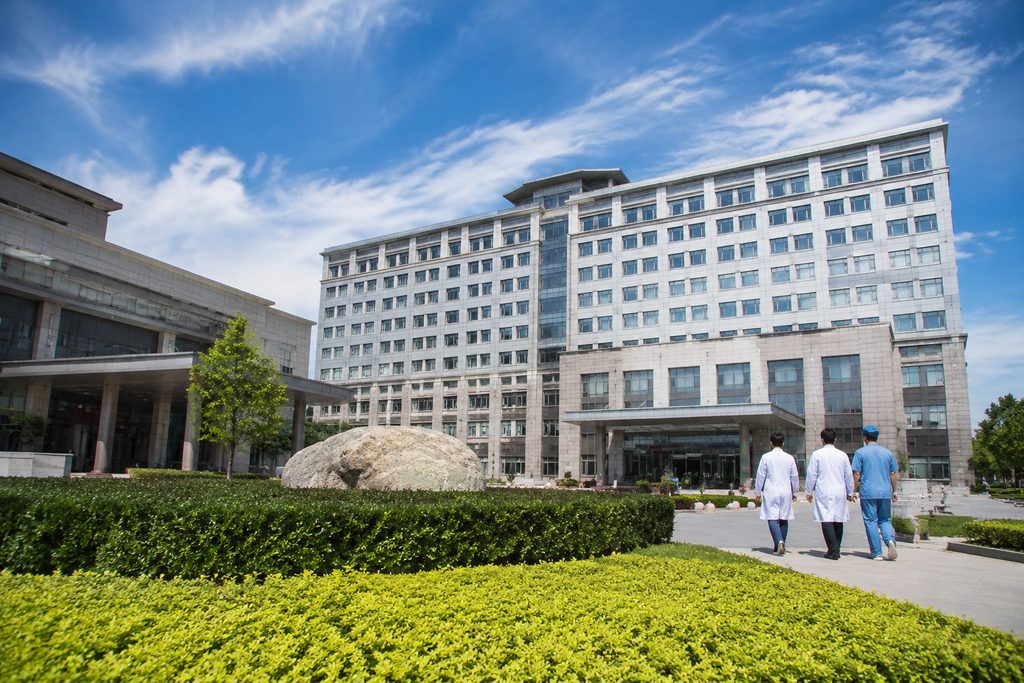
Peking University First Hospital Nephrology for International Patients: A Practical Guide to Access and Costs
Key Takeaways
- Peking University First Hospital‘s nephrology division is widely regarded as one of China’s most authoritative kidney disease centers, with its Renal Division consistently ranked in the top tier of the Fudan University hospital rankings.
- The Peking University First Hospital nephrology price for foreigners typically runs through the hospital’s international medical services channel, which costs roughly 1.5 to 2 times standard public rates but remains a fraction of Western private care.
- You cannot simply walk in and see a senior nephrologist the same day. Planning, proper documentation, and an S2 visa are required.
- Remote evaluation before travel is the smartest first move. It saves money, prevents wasted trips, and clarifies whether this hospital is actually the right fit for your specific kidney condition.
You have probably heard that getting treated at a top Chinese hospital means navigating chaos, language barriers, and unpredictable quality. The reality at Peking University First Hospital’s nephrology department is different. This is not a facility struggling to meet basic standards. It is the institution that wrote many of China’s national clinical guidelines for kidney disease. And for international patients, the Peking University First Hospital nephrology price for foreigners is neither mysterious nor unattainable—once you understand how the system actually works.
Kidney disease affects approximately 1 in 10 adults globally, yet access to specialized nephrology care remains wildly uneven. A patient in London might wait 4 months for a consultant appointment. A patient in Toronto might wait 6. At Peking University First Hospital, the bottleneck is not the depth of expertise. It is the logistics of getting in the door. That is what this guide addresses.
The Problem: World-Class Kidney Care Is Hard to Access—Especially from Abroad
Chronic kidney disease (CKD) is a silent epidemic. The International Society of Nephrology estimates that over 850 million people worldwide have some form of kidney disease. Many do not know it until their eGFR has already dropped below 60. By then, the window for early intervention has narrowed considerably.
For patients in Western healthcare systems, the frustration compounds. Wait times for nephrology consultations in the UK’s NHS routinely stretch to 18 weeks or more. In Canada, the median wait time from general practitioner referral to nephrologist visit was 84 days in 2023, according to the Fraser Institute. In the United States, the problem is not wait time but cost: an uninsured patient needing a kidney biopsy can face bills exceeding $15,000 before any treatment even begins.
Now consider the patient who has been told they need a second opinion on a complex glomerular disease diagnosis. Or the patient with recurrent IgA nephropathy who wants to explore treatment protocols used in Asia, where the disease is far more prevalent and clinicians see exponentially more cases. These patients are not looking for bargain-basement care. They are looking for clinical volume and specialized experience that their local system cannot provide.
That is where a hospital like Peking University First Hospital enters the conversation.
Why Peking University First Hospital Nephrology Commands Global Respect
Clinical Volume That Western Nephrologists Rarely See
Peking University First Hospital, founded in 1915, operates a Renal Division that handles an extraordinary volume of complex cases. The department sees over 100,000 outpatient nephrology visits annually. That is not a typo. The Institute of Nephrology at Peking University, which is housed within the hospital, has been a national center for kidney disease research since 1980.
Why does volume matter? Because kidney disease is heterogeneous. IgA nephropathy, membranous nephropathy, lupus nephritis, diabetic kidney disease, minimal change disease—each requires nuanced, experience-driven judgment. A nephrologist who sees 50 cases of membranous nephropathy a year develops pattern recognition that a generalist seeing 5 cases a year cannot match. The doctors here see 200 or more.
This is not a vague claim about “advanced technology.” It is a structural fact about how clinical expertise develops. Volume drives outcomes. The more you see, the better you get.
Research Output That Shapes Global Guidelines
The Peking University Institute of Nephrology has published extensively in journals like The Lancet, Kidney International, and Journal of the American Society of Nephrology. Their work on IgA nephropathy—the most common primary glomerulonephritis worldwide and especially prevalent in East Asia—has directly influenced treatment protocols used internationally.
For an international patient, this matters in a practical sense. You are not just getting a doctor who reads guidelines. You are getting a department that writes them. The distinction is meaningful when your case is atypical or when standard first-line therapies have failed.
Is Peking University First Hospital Good for Kidney Disease Treatment? A Structural Look
The short answer is yes—with important caveats. The hospital’s nephrology department excels in several specific areas: glomerular disease diagnosis and management, renal pathology, hypertension-related kidney damage, and the full spectrum of CKD care from early stage through dialysis planning.
But “good” is not a universal label. If you have a rare genetic kidney condition like Alport syndrome or Fabry disease, you need to verify that the department has specific expertise in that condition before committing to travel. If you are in end-stage renal disease and seeking a kidney transplant, the equation changes significantly—which we address later in this article.
The honest assessment: for glomerular diseases, complex diagnostic second opinions, and CKD management optimization, this is one of the strongest options in Asia. For transplant surgery specifically, there are other considerations that require careful evaluation.
How to Book a Nephrology Appointment at Peking University First Hospital: The Real Process
Here is what nobody tells you clearly: the ordinary outpatient registration system at Peking University First Hospital is not accessible from overseas. You cannot simply email the hospital and request an appointment with a named senior nephrologist. The public registration system works on a same-day, in-person basis, and the most sought-after specialists have their slots filled within minutes of release.
For international patients, there are two realistic pathways.
The first is the hospital’s International Medical Services department. This is the official channel for foreign patients, and it operates differently from the public system. Appointments can be arranged in advance, English-speaking staff are available, and the consultation is conducted at a higher fee tier. The trade-off is cost: expect to pay 1.5 to 2 times the standard public rate for the same specialist.
The second is to work with a coordination service that handles the logistics for you. This is where our team at China Medical Services fits. We do not have special access that bypasses hospital rules—no legitimate service does. What we do is handle the documentation, translation of medical records, appointment coordination through official channels, and on-the-ground support that makes the process manageable.
The process typically unfolds like this:
- You send us your existing medical records: lab results, biopsy reports, imaging, medication history.
- We translate these into Chinese and submit them to the nephrology department for preliminary review.
- The department confirms whether your case is appropriate for their expertise and suggests which specialist you should see.
- We coordinate a specific appointment date through the international medical services channel.
- You travel to Beijing with an S2 visa, attend your appointment, and receive your evaluation.
This is not a same-week process. Allow 2 to 4 weeks from initial inquiry to confirmed appointment date, depending on specialist availability and the completeness of your records.
Peking University First Hospital Nephrology Price for Foreigners: What to Budget
The Peking University First Hospital nephrology price for foreigners is not a single number. It depends on what you need. But here is a realistic framework based on the hospital’s international services pricing structure and typical nephrology workups.
| Service | Estimated Cost for International Patients (USD) | Notes |
|---|---|---|
| Initial specialist consultation (senior nephrologist) | $150 – $400 | Through international medical services channel |
| Comprehensive blood panel (renal function, electrolytes, autoimmune markers) | $200 – $600 | Varies by number of tests ordered |
| Kidney ultrasound with Doppler | $80 – $150 | Standard imaging for structural assessment |
| Renal biopsy (if indicated) | $1,500 – $3,000 | Includes pathology interpretation by renal pathologists |
| 24-hour urine protein quantification | $30 – $80 | Essential for glomerular disease assessment |
| Full diagnostic workup package (consultation + labs + imaging) | $1,000 – $3,000 | Most common scenario for international patients seeking second opinion |
Compare this with the United States, where a nephrology consultation alone averages $250 to $500, a renal biopsy runs $5,000 to $15,000, and a comprehensive workup can easily exceed $20,000. The cost advantage is real. But it is not the primary reason to choose this hospital. The primary reason is clinical expertise.
The hospital does not publish a fixed price list for international patients. Rates vary by specialist seniority, case complexity, and which channel you use. Any quote you receive should be treated as an estimate, not a binding contract.
Kidney Transplant Cost in China for International Patients: A Separate Question Entirely
Some readers will arrive at this article searching for kidney transplant cost China for international patients. We need to address this honestly.
Kidney transplantation in China is a heavily regulated medical procedure. The legal framework governing organ donation and transplantation in China is strict, and access to deceased donor organs is managed through a national allocation system. Foreign nationals are not categorically excluded from transplantation in China, but the pathway is complex and requires extensive documentation, legal review, and hospital-specific approval.
We cannot provide a reliable price range for kidney transplantation for international patients at Peking University First Hospital or any other Chinese hospital. The variables are too numerous, and the regulatory environment changes. What we can tell you is this: if transplantation is your goal, the first step is not a transplant surgeon consultation. The first step is a comprehensive nephrology evaluation to determine whether you are a transplant candidate and what alternatives exist.
Many patients who come seeking transplant information leave with a revised understanding of their options. Some are not actually transplant candidates yet. Others have treatable conditions that can be managed without transplantation. The nephrology team at Peking University First Hospital is well positioned to give you that honest assessment.
What Is the Peking University First Hospital International Patient Coordinator Nephrology Role?
The hospital’s international medical services department employs staff who serve as the interface between foreign patients and the clinical departments. They handle appointment scheduling, billing coordination, and basic interpretation. But their role is administrative, not clinical. They are not case managers in the Western sense.
This is an important distinction. The Peking University First Hospital international patient coordinator nephrology staff will help you navigate the hospital’s internal systems. They will not review your medical records before you arrive, advise you on which specialist to see, or coordinate your travel logistics. That gap is where external coordination services—like ours—add value.
If you are comfortable handling your own documentation, translation, and logistics, you can work directly with the hospital’s international department. Many patients do this successfully. If you want someone to review your case before you commit to travel, translate complex medical records accurately, and ensure you see the right specialist the first time, that is a different level of support.
Practical Considerations: Documentation, Visas, and Follow-Up
Getting to Beijing is one thing. Getting a meaningful medical evaluation is another. Here is what you need to handle before you go.
Medical records. This is the single most important factor in whether your consultation is productive. Bring everything: lab results from the past 12 months, biopsy slides if you have had a biopsy (the actual slides, not just the report), imaging studies on CD or USB, and a complete medication list including dosages. If your records are not in English or Chinese, have them professionally translated.
Visa. Medical treatment in China falls under the S2 visa category. This is a short-stay visa issued for private affairs, including medical treatment. The hospital will provide an invitation letter or medical treatment confirmation document that supports your application. Your accompanying family members also apply for S2 visas. The M visa is for commercial and trade activities—it is not applicable for medical travel. Processing typically takes 1 to 2 weeks at your local Chinese embassy or consulate.
Payment. Chinese public hospitals, including their international departments, operate on a prepayment basis. You pay for services as you receive them, often by depositing funds into a hospital account at registration. Major credit cards are generally accepted at international departments, but confirm this before you arrive. International health insurance is typically reimbursement-based: you pay upfront, then submit claims to your insurer.
Language. The international medical services department provides interpretation support, but the depth of that support varies. For complex nephrology discussions—where you need to understand biopsy results, medication adjustments, and long-term management plans—having a dedicated interpreter or bilingual medical companion is valuable. This is not about hand-holding. It is about ensuring you actually understand what the doctor is telling you.
Follow-up. Kidney disease management is longitudinal. One consultation does not end the story. Before you leave, clarify how follow-up will work: Can you do video consultations with the same specialist? Will the hospital review lab results you send from home? What is the process for medication adjustments? The answers to these questions should shape your decision about where to receive care.
Frequently Asked Questions
No. The public registration system at Peking University First Hospital does not accept advance bookings from overseas, and same-day registration for senior nephrologists is extremely competitive. You need to go through the international medical services department or work with a coordination service to secure an appointment before you travel. Showing up without an appointment will likely result in days of waiting and no guarantee of seeing the specialist you need.
A realistic budget for a comprehensive evaluation—consultation, complete blood work, urinalysis, imaging, and interpretation—runs between $1,000 and $3,000 through the international services channel. If a renal biopsy is required, add another $1,500 to $3,000. This is significantly less than equivalent care in the United States or private care in Europe, but it is not free. Travel, accommodation, and visa costs are additional.
You will receive a written report in English summarizing the findings and recommendations. This report is designed to be shared with your home nephrologist, who remains your primary care provider. The goal of an international consultation is not to replace your local medical team but to give them better information to work with. If treatment in China is recommended, that is a separate decision you make with full understanding of the costs and logistics involved.
Peking University First Hospital is a top-tier academic medical center that treats patients from around the world. The international medical services department exists specifically to serve foreign patients. The clinical standards are high, and the nephrology department’s reputation is built on decades of published research and clinical outcomes. That said, you should approach any international medical travel with clear expectations: the system works differently than Western systems, communication requires effort, and you must be an active participant in your own care.
Your Next Step
If you are considering Peking University First Hospital for nephrology care, the smartest first move is remote evaluation. Send us your existing medical records. We will translate them, submit them for preliminary review, and tell you honestly whether this hospital is the right fit for your specific condition. We are not a hospital and we do not provide diagnoses—we are the bridge between you and the medical expertise you need. When you are ready to explore your options, request a free consultation and we will help you map out the path forward.
Kidney disease is complex enough without navigating a foreign healthcare system alone. The expertise at Peking University First Hospital is real. The path to accessing it is manageable—if you know how to walk it.
For more medical information and treatment options in China, visit chinamedservices.com (China Medical Services).
