Guangdong Provincial People’s Hospital Oncology: A Guide for International Patients
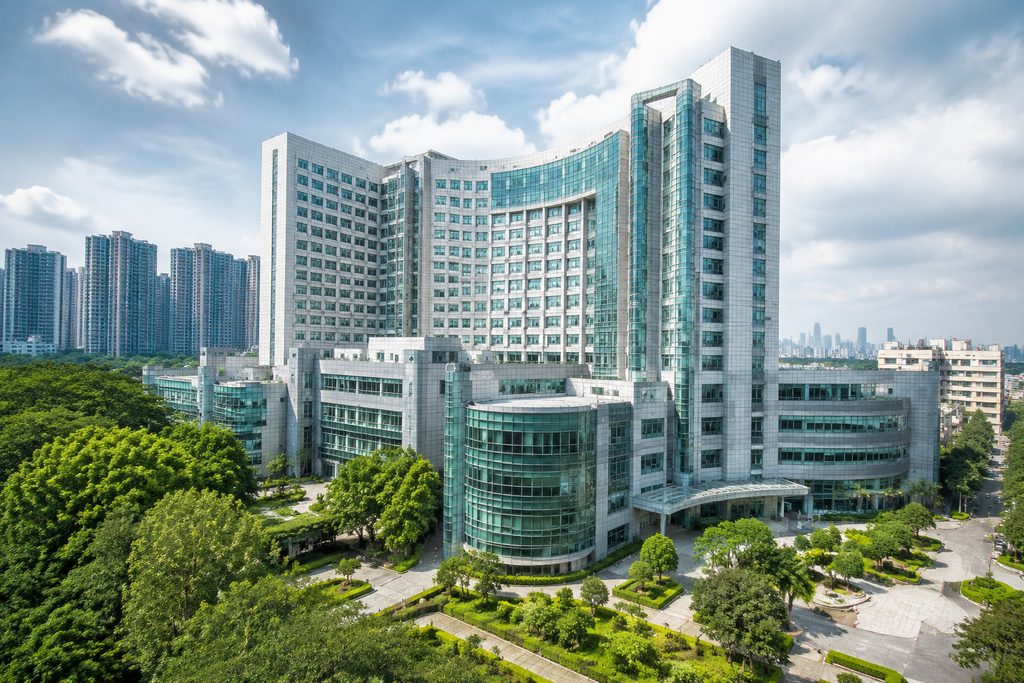
Guangdong Provincial People’s Hospital Oncology for International Patients: The Short Answer
Guangdong Provincial People’s Hospital (GDPH) is a top-tier public hospital in Guangzhou with a strong oncology department that treats international patients through its international medical center. If you are a foreigner searching for cancer care in southern China, the practical answer is: yes, this hospital accepts international patients, but you cannot simply book an appointment online from overseas for the standard public clinic. You need to go through the hospital’s international or VIP channel, or work with a local coordinator who handles registration, translation, and scheduling. The oncology treatment cost Guangdong Provincial People’s Hospital charges varies significantly by cancer type, stage, and treatment protocol, but it generally runs at a fraction of what comparable care costs in the United States or Western Europe.
That is the one-line version. The full picture is more layered. GDPH is one of the largest and most respected public hospitals in Guangdong province. Its oncology department handles a high volume of complex cases. But the hospital’s public-facing system is built for domestic patients who can show up in person, queue for registration, and navigate everything in Chinese. For an international patient, the route into this system is different. It requires preparation, documentation, and usually some form of local assistance.
Before going further, let us demystify the core concept. “Oncology” simply means the branch of medicine dealing with cancer — diagnosis, treatment, and follow-up care. When a hospital advertises an oncology department, it usually includes medical oncologists (who manage chemotherapy, targeted therapy, and immunotherapy), surgical oncologists (who remove tumors), and radiation oncologists (who deliver radiotherapy). A hospital like GDPH offers all three under one roof, which is what makes it a candidate for comprehensive cancer care rather than a single-modality clinic.
Who This Is Right For — and Who It Isn’t
International patients who consider GDPH for oncology typically fall into a few clear categories. Understanding which one you belong to will save you time and money.
Good candidates include:
- Patients already diagnosed with a solid tumor (lung, liver, colorectal, breast, stomach, nasopharyngeal) who want a second opinion or a treatment plan from a high-volume Chinese oncology center.
- Patients living in Southeast Asia, the Middle East, or Eastern Europe who find that treatment in their home country is either unavailable, prohibitively expensive, or delayed by long waiting lists.
- Patients who need a specific technology or surgical approach that is widely performed in China but less common elsewhere — for example, certain minimally invasive liver resections or advanced radiotherapy protocols.
- Patients who can commit to staying in Guangzhou for at least two to four weeks for initial evaluation and treatment planning.
Who should not pursue this path:
- Patients with very advanced disease who are too unstable to travel internationally. If you cannot sit on a plane for several hours or your condition is deteriorating rapidly, staying close to home is safer.
- Patients who need emergency care. GDPH is not an emergency destination for international patients. If you have an acute oncological emergency — severe bleeding, obstruction, or rapid organ failure — go to the nearest hospital immediately.
- Patients who expect a fully English-speaking environment throughout the public hospital system. The international medical center provides translation support, but the broader hospital operates in Mandarin and Cantonese. You will need a bilingual companion or coordinator.
- Patients whose insurance requires treatment within a specific network or country. Most Chinese public hospitals do not bill international insurers directly. You pay upfront and seek reimbursement later.
Being honest about who should not come is part of how we work. A bad fit wastes your money and delays your treatment.
The Options, Compared
If you are weighing cancer treatment in China against other destinations, it helps to see the differences side by side. The table below compares GDPH with two other common choices: a private international hospital in China and a major cancer center in the United States.
| Factor | GDPH (Guangzhou) | Private International Hospital in China | Major US Cancer Center |
|---|---|---|---|
| Typical cost for a standard 6-cycle chemotherapy course | $15,000–$35,000 | $30,000–$60,000 | $80,000–$150,000+ |
| Language support for foreigners | Limited; international center provides translation | English-speaking staff throughout | English-speaking by default |
| Average wait time for initial consultation | 3–10 days via international channel | 1–5 days | 2–6 weeks |
| Insurance direct billing | Rarely; pay upfront | Common; many insurers accepted | Standard |
| Oncology case volume | Very high; thousands of cases annually | Moderate | High |
| Access to advanced radiotherapy equipment | Yes; multiple linear accelerators, IMRT, IGRT | Some facilities | Yes; broadest range |
Which column suits you depends on your priorities. If cost is the dominant factor and you are comfortable with some logistical friction, GDPH is compelling. If you want maximum convenience and are willing to pay more, a private international hospital in Shanghai or Beijing may be easier. If you have comprehensive insurance that covers US treatment and you want the most familiar environment, staying in the US makes sense. There is no universal best — only the best fit for your situation.
What Makes GDPH Oncology Different for International Patients
This is the part that is specific to this hospital and this department. GDPH is not just any public hospital. It sits in Guangzhou, the capital of Guangdong province, which has one of the highest concentrations of top-ranked hospitals in China outside Beijing and Shanghai. The hospital’s oncology department is known for high surgical volume, particularly in liver cancer, colorectal cancer, and nasopharyngeal carcinoma — the latter being especially relevant because nasopharyngeal cancer is far more common in southern China than in the West, which means local oncologists have accumulated deep clinical experience with it.
For an international patient, that expertise matters. A surgeon who performs 300 liver resections a year has a different level of practical skill than one who performs 30. Volume is not a guarantee of better outcomes, but it is a reasonable proxy for experience. And when you are choosing a hospital from another country, you want every signal of competence you can find.
But here is the thing most foreigners do not realize until they arrive: the public hospital experience in China is not designed for you. Registration windows have long queues. Signs may not be in English. Doctors see dozens of patients per day and have limited time for lengthy explanations. If you walk in cold, without a plan, you will spend hours confused and frustrated. The international medical center at GDPH exists precisely to bridge that gap. It offers a separate registration channel, translation services, and coordination with the oncology department. You still need to bring your medical records. You still need a visa. But the pathway is clearer.
What It Costs: Oncology Treatment Cost Guangdong Provincial People’s Hospital
Let us talk numbers. The oncology treatment cost Guangdong Provincial People’s Hospital charges depends heavily on what you need. A single outpatient consultation with an oncologist through the international channel typically runs $100–$300. A written second opinion from a senior specialist costs $300–$500. A video consultation with a top specialist runs $500–$800. Multidisciplinary team reviews cost $1,500–$2,000.
Those are the coordination and consultation fees. The actual treatment costs are separate and much larger. A full course of standard chemotherapy for a common cancer like colorectal or breast cancer might range from $15,000 to $35,000, depending on the drugs used. Targeted therapy and immunotherapy are more expensive — sometimes significantly so — because many of these drugs are imported or patented. A complex surgical resection could run $20,000 to $50,000, including hospitalization and post-operative care. Radiation therapy typically adds $10,000 to $25,000 depending on the number of fractions and the technology used.
Compare that to the United States, where the same chemotherapy course often exceeds $80,000 and a complex surgery can easily pass $100,000. The cost advantage in China is real. But it is not free, and it is not fixed. Prices vary by hospital, by drug availability, by whether you use the international channel (which typically costs 1.5 to 2 times the standard public rate), and by how your specific case unfolds.
What is not included in those figures: flights, accommodation in Guangzhou, meals, local transportation, visa fees, and any translation or coordination services you hire. A two-week stay in a mid-range hotel near the hospital will add $1,000–$2,000. A bilingual medical companion costs from $300 per day. Airport transfers run about $200 round-trip. These logistics add up, and they are part of the real cost of seeking treatment abroad.
Practical Considerations: Records, Visas, Payment, and Language
Before you book anything, gather your medical records. You need pathology reports, imaging studies (CT, MRI, PET scans), blood test results, and a summary of any prior treatment. The hospital’s oncologists will not give you a meaningful opinion without these. If your records are not in English or Chinese, you will need certified translations. This is non-negotiable.
For the visa: foreigners traveling to China for medical treatment use the S2 visa. That is the short-stay category for private affairs, including medical treatment. If your treatment will require a stay longer than 180 days, you apply for the S1 visa. Family members accompanying you also apply for S2. The M visa is for commercial and trade activities — it is not the right visa for medical travel, and using it for this purpose can create problems. You will need supporting documents from the hospital, such as a treatment invitation letter or appointment confirmation, to include with your visa application. Requirements change, so check the latest guidance from the Chinese embassy or consulate in your country before applying.
Payment is almost always upfront. Chinese public hospitals require prepayment for treatment. They do not bill international insurers directly in most cases. You pay, you get receipts, and you submit those receipts to your insurer for reimbursement. If your insurance plan does not cover out-of-network international care, you will be paying out of pocket. Some private international hospitals in China do offer direct billing with major insurers, but GDPH is a public hospital, and the standard model is pay-first.
Language is the other big one. Even in the international medical center, not every staff member speaks fluent English. You will encounter Mandarin and Cantonese in the hallways, at the pharmacy, and in the imaging department. A bilingual companion who can queue for you, translate conversations with nurses, and explain what is happening at each step is not a luxury — it is a practical necessity for most international patients. You can manage without one, but expect the process to take longer and feel more stressful.
After you return home, follow-up matters. The hospital will give you a discharge summary and treatment records. You should share these with your local oncologist. Continuity of care is a real concern when treatment happens across borders. Ask your GDPH oncologist to write a detailed summary in English, including drug names, dosages, and recommended follow-up intervals.
Frequently Asked Questions
At top-tier public hospitals like Guangdong Provincial People’s Hospital, cancer treatment quality is generally high, especially for common solid tumors where Chinese oncologists have extensive surgical and clinical experience. The hospital is ranked among China’s top institutions for oncology. That said, quality varies widely across the country. A hospital in a smaller city may not offer the same standard. For international patients, the key is choosing a hospital that is part of China’s top 5% — roughly 340+ hospitals ranked by the Fudan University hospital rankings or accredited by JCI. GDPH falls into that category.
You cannot book a standard public clinic appointment from overseas. The practical route is to contact the hospital’s international medical center directly, or work with a coordination service that handles registration, document translation, and scheduling on your behalf. You will need to send your medical records first for review. The oncology team will then decide whether they can take your case and what the next steps are. Expect the process to take one to three weeks from initial contact to a confirmed appointment.
This is a real risk, and you should think about it before you travel. Cancer treatment does not always succeed, and complications can occur anywhere in the world. If you experience a serious complication while in Guangzhou, the hospital will treat you — but you will be in a foreign country, possibly far from family, dealing with a medical system you do not fully understand. That is not a reason to avoid treatment in China. But it is a reason to prepare: have emergency funds available, have travel insurance that covers medical evacuation, and keep your local doctor informed. Do not assume everything will go smoothly. Assume you need a plan for when it does not.
There is no standardized “package” for cancer treatment in China the way there is for, say, cosmetic surgery or health checkups. Cancer care is too individualized. What you can get is a coordinated service: appointment scheduling, document translation, bilingual accompaniment, airport pickup, and hotel recommendations. These services are typically priced separately, from $300 per day for a companion to $5,000–$8,000 for full end-to-end coordination. The actual treatment costs are billed by the hospital directly and are never included in any service fee.
Your Next Step
Choosing a hospital for cancer treatment is one of the most consequential decisions you will make. The information here is meant to give you a clear-eyed view of what Guangdong Provincial People’s Hospital offers and what it requires of you. We are not a hospital, and we do not provide diagnoses or treatment recommendations. What we do is help international patients navigate the Chinese healthcare system — matching you with the right hospital, coordinating appointments, translating records, and providing bilingual support on the ground. If you want to explore whether GDPH or another top-ranked Chinese oncology center is a realistic option for your case, start with a free consultation. We will ask about your diagnosis, review what you have, and tell you honestly whether this path makes sense. No pressure, no obligation. Just a clear next step.
To learn more about oncology rankings across China or browse other top hospitals in Guangzhou, explore our hospital database. If you are ready to talk through your situation, visit China Medical Services and request a free consultation. The goal is not to convince you to come to China. The goal is to help you figure out if you should.
For more medical information and treatment options in China, visit chinamedservices.com (China Medical Services).
