Physical Therapy in China: Top Hospitals, Real Costs, and How to Book
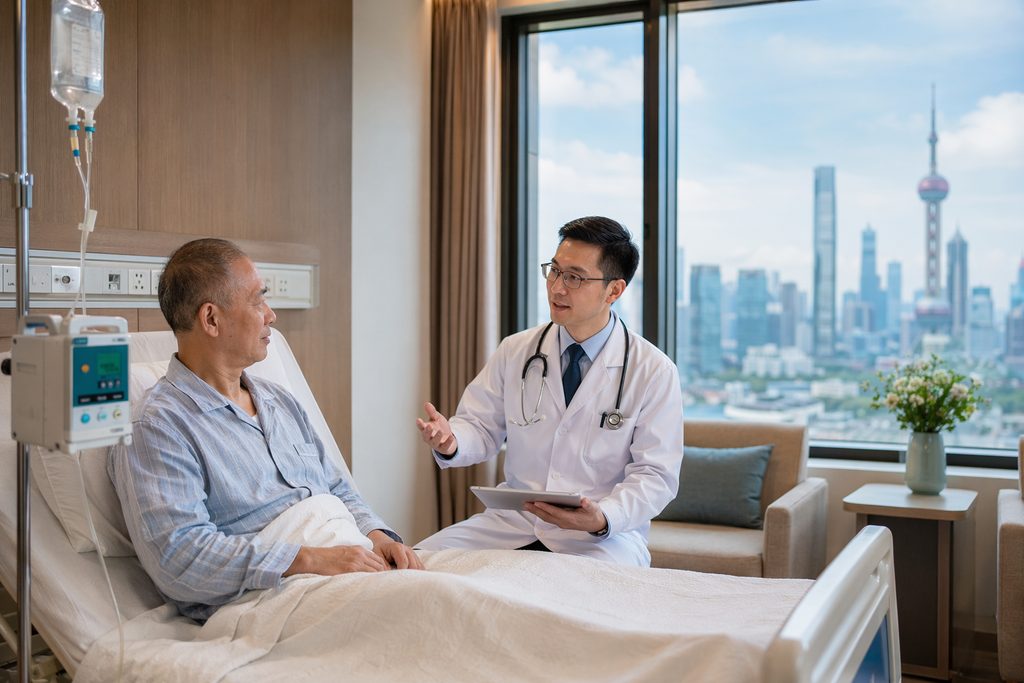
When 42-year-old Michael from Manchester tore his ACL during a Sunday league football match, his surgeon gave him two numbers: a surgical date six weeks out, and a rehabilitation estimate of £8,000 to £12,000 for private physiotherapy over the following nine months. His insurance covered surgery but capped outpatient rehab at £1,500. That left a gap he could not close at home. So he started searching for alternatives — and landed on the same question you are asking: which hospital in China offers physical therapy, and what does it actually cost?
The short answer: dozens of top-tier Chinese hospitals run dedicated rehabilitation medicine departments with physical therapy programs that rival Western standards. The physical therapy cost China patients typically pay runs between $40 and $120 per session at a top public hospital, or $80 to $250 at a private international clinic. A full 8-week post-surgical rehab package often lands between $2,000 and $6,000 — a fraction of what the same protocol costs in the US, UK, or Australia.
But cost is only half the story. The right hospital matters enormously. Stroke recovery, sports injury rehab, post-operative care, and pediatric developmental therapy each demand different expertise. China’s hospital system is vast and uneven. Knowing where to look separates an excellent outcome from a frustrating experience.
Key Takeaways
- Top Chinese hospitals deliver physical therapy at $40–$120 per session, with full rehab packages from roughly $2,000 — typically 60–80% below US private-pay rates.
- Beijing, Shanghai, and Guangzhou each host multiple hospitals ranked among China’s top 10 for rehabilitation medicine, giving international patients real choice.
- Language is the biggest practical barrier — most public hospital therapists do not speak English, which makes a bilingual companion or international department essential.
- Stroke and orthopedic rehab outcomes at high-volume Chinese centers are comparable to Western benchmarks, but you must verify the specific therapist-to-patient ratio before committing.
The Problem: Rehab Costs Are Crushing Patients in the West
Physical therapy in the United States now averages $100 to $200 per session without insurance, and even insured patients face $30 to $75 copays per visit. A standard post-ACL reconstruction protocol requires 20 to 40 sessions over six to nine months. That is $2,000 to $8,000 in out-of-pocket costs for insured Americans — and $12,000 to $20,000 for the uninsured or underinsured.
In the United Kingdom, NHS physiotherapy is free at the point of use but rationed by wait times. The average wait for an NHS musculoskeletal physiotherapy appointment in England reached 7 to 12 weeks in 2024, according to NHS Digital data. For stroke survivors, NICE guidelines recommend 45 minutes of each relevant therapy daily — a standard few NHS trusts consistently meet due to staffing shortages.
Australia sits somewhere in between. Medicare covers five allied health sessions per year for chronic conditions. Five sessions. For a stroke survivor who needs 60-plus sessions of gait training, balance work, and upper-limb rehabilitation, that is not a treatment plan. It is a teaser.
The result: patients delay care, skip sessions, or abandon rehab entirely. A 2023 study in the Journal of Orthopaedic & Sports Physical Therapy found that nearly 40% of patients prescribed post-surgical physical therapy in the US complete fewer than half their prescribed sessions. The primary reason cited? Cost.
Why China’s Rehabilitation System Delivers Comparable Results at Lower Cost
China has invested heavily in rehabilitation medicine over the past decade. The number of rehabilitation beds in Chinese hospitals grew from approximately 50,000 in 2015 to over 180,000 by 2023, according to the Chinese Association of Rehabilitation Medicine. That scale creates something Western systems cannot easily replicate: volume-driven expertise and price competition.
Clinical Volume Creates Specialist Depth
A senior physical therapist at a top Chinese rehabilitation hospital — such as China Rehabilitation Research Center in Beijing or Huashan Hospital’s rehabilitation department in Shanghai — may manage 15 to 25 patients per day. Over a decade, that is tens of thousands of supervised therapy hours. Compare that to a typical US outpatient PT who sees 8 to 12 patients daily. Volume alone does not guarantee quality, but for stroke rehabilitation and post-surgical protocols, repetition and pattern recognition genuinely matter.
Huashan Hospital, affiliated with Fudan University, runs one of China’s largest rehabilitation medicine departments. Its therapists handle over 300,000 outpatient therapy sessions annually. The hospital is consistently ranked among China’s top 10 for rehabilitation medicine in the Fudan specialty reputation rankings.
Integrated TCM and Western Rehab Protocols
Chinese rehabilitation departments often blend conventional physical therapy with evidence-informed Traditional Chinese Medicine techniques — acupuncture, tuina massage, and therapeutic exercise derived from qigong. For chronic pain and stroke recovery, this combination approach is supported by a growing body of research. A 2022 meta-analysis in Frontiers in Neurology reviewed 28 randomized controlled trials and found that acupuncture combined with conventional rehabilitation improved motor function in stroke patients more than conventional rehab alone.
Is physical therapy in China good for stroke recovery? The honest answer: at the right hospital, yes. China Rehabilitation Research Center in Beijing reports that approximately 70% of its stroke patients achieve independent ambulation by discharge — a figure comparable to major Western rehabilitation centers. But outcomes vary widely between hospitals. The key is selecting a center with dedicated neurological rehabilitation teams, not a general physiotherapy department.
Cost Structure: Why Prices Stay Low
Chinese hospital pricing is regulated. Public hospital therapy sessions are priced according to provincial fee schedules, not market demand. A 45-minute physical therapy session at a top Beijing public hospital costs 150 to 400 RMB ($20 to $55). At the international department of the same hospital, the same session costs $80 to $150 because you are paying for English-speaking coordination, private facilities, and scheduling flexibility.
Private international clinics — United Family, Jiahui, Parkway — charge $100 to $250 per session. You pay for Western-style service, direct insurance billing, and zero language friction. It is still cheaper than US private-pay rates, but not dramatically so.
Which Hospital in China Offers Physical Therapy: A City-by-City Breakdown
If you are asking which hospital in China offers physical therapy, the better question is which hospital offers the right kind for your condition. Here is what matters on the ground.
Best Physical Therapy Hospital in Beijing
Beijing hosts three heavyweights. China Rehabilitation Research Center (CRRC) is the largest rehabilitation hospital in Asia, with over 1,100 beds dedicated to rehab. It specializes in spinal cord injury, stroke, and traumatic brain injury rehabilitation. Peking University Third Hospital runs a renowned sports medicine and rehabilitation program — it is the official medical partner for China’s Olympic teams. Peking Union Medical College Hospital (PUMCH) offers comprehensive rehab through its international medical services department, which handles English-speaking coordination.
For sports injuries, Peking University Third Hospital is the clear choice. For neurological rehab, CRRC is unmatched in scale. For general post-surgical rehab with English support, PUMCH’s international department works well.
How Much Does Rehabilitation Cost in Shanghai?
Shanghai’s rehabilitation landscape centers on Huashan Hospital and Shanghai Ninth People’s Hospital. Huashan’s rehabilitation department is among China’s largest, with particular strength in stroke and spinal cord rehab. Shanghai Ninth runs a highly regarded orthopedic rehabilitation program tied to its top-ranked orthopedic surgery department.
| Shanghai Rehab Option | Session Cost (USD) | English Support | Best For |
|---|---|---|---|
| Huashan Hospital (public dept) | $25–$50 | Limited | Stroke, spinal cord injury |
| Huashan International Dept | $90–$150 | Yes | Same, with coordination |
| Shanghai Ninth (public dept) | $25–$50 | Limited | Orthopedic post-surgical |
| Jiahui Health (private) | $120–$200 | Yes | Sports injury, general rehab |
| United Family Shanghai | $150–$250 | Yes | Pediatric rehab, premium care |
How much does rehabilitation cost in Shanghai? A realistic monthly budget at a public hospital international department runs $1,200 to $2,500 for 12 to 16 sessions. At a private clinic, budget $2,500 to $4,500 monthly. At a public hospital’s standard department, $400 to $800 monthly — but you will need a Chinese-speaking companion to navigate it.
Sports Injury Rehab Clinic Guangzhou Price
Guangzhou offers a compelling middle ground. Sun Yat-sen Memorial Hospital and Guangdong Provincial People’s Hospital both operate substantial rehabilitation departments. The sports injury rehab clinic Guangzhou price for a session typically ranges from $30 to $60 at public hospitals and $80 to $150 at private clinics like Raffles Medical Guangzhou.
Guangzhou’s cost of living is lower than Beijing or Shanghai, which also reduces accommodation expenses during a multi-week rehab stay. For patients who need an 8 to 12-week program, that difference adds up.
How to Book Physical Therapy in China: The Real Process
Booking physical therapy in China from overseas is not like booking a physio appointment in London or New York. Public hospitals do not accept international online bookings for their standard departments. You cannot simply email a therapist and reserve a slot. Here is the actual process.
First, you need your medical records. A referral letter from your home physician or surgeon, imaging reports (MRI, CT, X-ray), and a summary of your diagnosis and treatment history. These must be translated into Chinese if you are using a public hospital’s standard department — the international departments usually accept English records.
Second, you choose your route. There are three:
- Public hospital, standard department: Cheapest option. You arrive in China, register on-site, and queue. Sessions cost $25–$50. You need fluent Chinese or a bilingual companion. Scheduling is rigid — you take the slots available, not the slots you want.
- Public hospital, international department: You contact the international medical services office by email or phone. They coordinate appointments, provide interpreters, and bill at international rates ($90–$150 per session). This is the most practical route for most international patients.
- Private international clinic: You book directly online or by phone. English-speaking staff throughout. Direct insurance billing with major international insurers. Highest cost, lowest friction.
Third, you handle the visa. For medical treatment in China, the S2 visa is the applicable short-stay category. It covers private affairs including medical treatment, typically for stays up to 180 days. You will need an invitation letter or supporting documentation from the hospital confirming your treatment arrangement. The hospital’s international department can usually provide this once you have confirmed your booking. Family members accompanying you also apply for S2 visas. Requirements vary by embassy, so verify with the Chinese embassy or consulate in your country before applying.
Important: No hospital in China — public or private — will guarantee a specific therapist or exact session schedule before you arrive. The international departments will do their best to coordinate, but flexibility is essential. If you need rigid scheduling, a private clinic is your safest bet.
What to Look For When Choosing a Rehab Hospital in China
Not every hospital that offers physical therapy offers good physical therapy. Here is what separates the strong programs from the weak ones.
Therapist credentials. In China, physical therapists may hold a bachelor’s, master’s, or doctoral degree in rehabilitation therapy. Ask about the qualifications of the therapists who will actually treat you — not the department director. Top hospitals like CRRC and Huashan employ therapists with master’s and doctoral-level training, often with international fellowships.
Therapist-to-patient ratio. This is the single most important quality indicator. A public hospital department where one therapist supervises 10 patients simultaneously is not delivering individualized care. International departments and private clinics typically maintain 1:1 or 1:2 ratios. Ask directly.
Equipment. Modern rehab relies on technology: anti-gravity treadmills, robotic gait trainers, functional electrical stimulation, isokinetic testing. Top Chinese rehab centers have invested heavily in this equipment. Ask for a list of available modalities before committing.
Outcome transparency. Reputable programs track outcomes. Ask about their discharge-to-home rates for your specific condition, average length of stay, and readmission rates. If a hospital cannot or will not share this data, that tells you something.
Who this is NOT for. China is not the right choice for patients who need long-term, indefinite outpatient rehab close to home. If you are managing a chronic condition that requires weekly sessions for years, flying to China makes no sense. China works best for intensive, time-limited rehab blocks — 4 to 12 weeks of concentrated therapy after surgery, stroke, or injury. Patients with complex multi-system conditions requiring close coordination across multiple specialties may also find the language and logistics barriers overwhelming.
Practical Considerations: Visas, Payments, and Records
If you decide to pursue physical therapy in China, several practical matters need attention before you book a flight.
Visa timing. Apply for your S2 visa at least 4 to 6 weeks before your planned travel date. Processing times vary by country. You will need the hospital’s invitation or confirmation letter first, so secure your hospital booking before applying for the visa.
Payment methods. Public hospitals in China require payment upfront for each session or each treatment block. International departments accept international credit cards and bank transfers. Standard departments often require payment via Chinese mobile payment platforms (WeChat Pay, Alipay) or cash. Private clinics accept international cards and often bill insurers directly. Bring a credit card with no foreign transaction fees, and carry some cash as backup.
Insurance and reimbursement. Most international health insurance plans will not directly reimburse Chinese public hospitals. You pay upfront and file for reimbursement after returning home. Private clinics with direct billing arrangements — United Family, Jiahui, Parkway — are the exception. Check your policy’s out-of-network and international coverage before committing. Get itemized receipts in English from the hospital’s international department.
Medical records. Bring complete records: referral letters, imaging (both digital files and printed films), surgical reports, medication lists. Have key documents translated into Chinese if using a standard department. The international departments accept English records but may still request translation for complex cases.
Follow-up after returning home. Before leaving China, ask your therapist for a written home exercise program and a summary report in English. This report should detail what was done, what progress was made, and what the next phase of rehab should look like. Your home therapist will need this to continue your care effectively.
Frequently Asked Questions
Yes, but a referral strengthens your case. Hospitals want a clear diagnosis and treatment history before accepting you for rehab. Without a referral, the hospital may require an initial consultation with one of their physicians first — which adds cost and time. Bring whatever documentation you have, even if it is incomplete.
The hospital’s rehabilitation department will coordinate with other specialties — orthopedics, neurology, pain management — within the same hospital. This is actually a structural advantage of the Chinese system: rehab happens inside full-service hospitals, not standalone clinics. If you need imaging, a surgical consult, or medication adjustment, it happens in the same building. If a serious complication arises, you will be treated there. Your insurance should cover emergency care under most policies’ emergency provisions, but verify this before you travel.
At the top hospitals, yes — for orthopedic and neurological rehab. The best Chinese rehab centers use the same evidence-based protocols, the same equipment, and increasingly the same training standards as Western centers. The gap is consistency: the average Chinese hospital is weaker than the average US hospital. Choosing a top-ranked center is not optional. It is the difference between excellent care and wasted money.
Most international patients book 4 to 12 weeks. A focused post-surgical rehab block can be completed in 4 to 6 weeks with daily or near-daily sessions. Stroke rehabilitation typically requires 8 to 12 weeks for meaningful gains. Your therapist will assess your progress and recommend a duration, but plan for at least a month. Accommodation costs in Beijing and Shanghai run $800 to $2,500 monthly for a serviced apartment near the hospital district.
Your Next Step
For more medical information and treatment options in China, visit chinamedservices.com (China Medical Services).
