Is Heart Bypass Surgery Safe in China? Our Cardiac Safety Guide
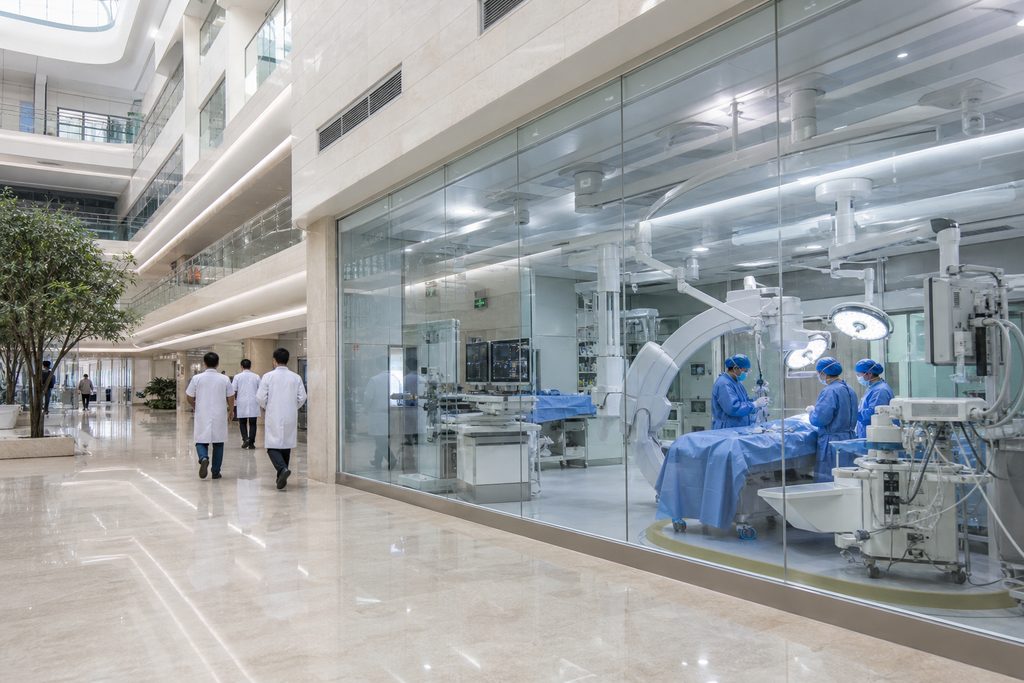
Heart Bypass Surgery in China: The Short Answer
Heart bypass surgery — what doctors call coronary artery bypass grafting, or CABG — reroutes blood around blocked arteries using a healthy vessel from your chest, arm, or leg. The question is whether it’s safe in China. The short answer: yes, at top-tier centers. Fuwai Hospital in Beijing alone performs over 14,000 cardiac surgeries annually, the highest volume of any heart center globally. Volume matters in cardiac surgery. Studies consistently link higher case volume to lower mortality rates.
But safety is not uniform across all 35,000+ hospitals in China. The gap between a top-ranked cardiac center and an average provincial hospital is significant. Your safety depends almost entirely on which hospital you choose and how you access it. That’s the nuance most articles skip.
Who This Is Right For — and Who It Isn’t
International patients who benefit most from pursuing heart bypass surgery in China fall into a few clear categories. The first is cost-sensitive patients facing six-figure bills in the US or long waits in Canada, the UK, or Australia. The second is patients who need complex or redo surgery where specific high-volume centers have deeper experience. The third is expatriates already living in Asia who want a shorter flight than returning to their home country.
Good candidates typically:
- Are clinically stable enough to travel by air, confirmed by their home cardiologist
- Have complete medical records: recent angiogram, echocardiogram, stress test, medication list
- Can commit 3–4 weeks in China for surgery plus initial recovery
- Have a support person traveling with them
Who should not pursue this? Patients in active heart failure requiring urgent intervention. Patients with unstable angina who cannot safely wait for travel logistics. Patients whose cases are complicated enough that their home medical team strongly advises against travel. And patients who cannot manage the realities of a foreign healthcare system without structured support. Being honest about this protects everyone.
The Options, Compared
When international patients evaluate heart bypass surgery, they’re usually weighing three destinations: the United States, Western Europe or the UK, and China. The table below compares them on the factors that actually drive decisions.
| Factor | United States | Western Europe / UK | China (Top Cardiac Centers) |
|---|---|---|---|
| Typical total cost (CABG) | $120,000–$200,000+ | $40,000–$80,000 | $12,000–$20,000 |
| Wait time for non-emergency surgery | 2–6 weeks | 4–12 weeks (NHS can exceed 18) | 1–3 weeks via international/VIP channel |
| Annual cardiac surgery volume (top center) | 3,000–5,000 (Cleveland Clinic) | 2,000–4,000 | 14,000+ (Fuwai Hospital) |
| English-speaking clinical staff | Standard | Standard | Limited — international departments only |
| Insurance direct billing | Standard | Standard | Rare in public hospitals; private international hospitals only |
| Post-op follow-up at home | Seamless | Seamless | Requires coordination with home cardiologist |
Which column suits which reader? If you have comprehensive US insurance with low out-of-pocket maximums, staying home makes sense. If you’re paying cash or facing a 12-week NHS wait and your condition is stable, China’s top cardiac centers offer a compelling middle path: excellent volume, modern facilities, and costs that are roughly 1/5 to 1/10 of US prices. The trade-off is language, distance, and follow-up logistics.
Is Heart Bypass Surgery Safe in China: What the Data Actually Shows
Safety in cardiac surgery comes down to measurable things: surgical volume, infection rates, mortality rates, and the maturity of post-operative care protocols. China’s top cardiac centers perform well on all of these — but only the top centers.
Fuwai Hospital’s annual volume of 14,000+ cardiac surgeries is not just impressive on paper. It means the surgical teams, perfusionists, and ICU nurses see rare complications regularly, not occasionally. A surgeon who performs 300 CABG procedures a year develops pattern recognition that a surgeon performing 50 cannot match. That’s not speculation; the volume-outcome relationship is among the most replicated findings in cardiac surgery research.
Several Chinese cardiac centers also hold JCI accreditation, the same international hospital quality standard used by top facilities worldwide. For foreign patients specifically, JCI accredited cardiac centers Shanghai and Beijing offer an additional layer of assurance: documented infection control protocols, medication safety systems, and international patient service standards.
But the honest caveat: published, peer-reviewed outcome data from Chinese hospitals is less accessible than from US or European centers. US hospitals are required to report risk-adjusted mortality to public registries. Chinese hospitals report internally and to government bodies, but public transparency is still developing. What you can verify is accreditation status, case volume (often published on hospital websites), and the experience of the specific surgical team. We help patients verify these before committing.
Heart Bypass Surgery Cost China: What the Numbers Include
The headline figure — $12,000 to $20,000 for CABG at a top Chinese public hospital — covers the surgery itself, standard hospital stay (typically 7–10 days), and basic post-operative monitoring. It does not include international flights, accommodation for a family member, visa fees, or any extended rehabilitation stay.
What drives the variance? Hospital tier matters most. A top-tier public hospital like Fuwai or Zhongshan Hospital charges less than a private international hospital like United Family or Jiahui, where the same procedure might run $40,000–$60,000 with Western-style amenities and direct insurance billing. The public hospital international/VIP channel — which foreign patients typically use to secure advance booking — costs approximately 1.5 to 2 times the standard local rate. That still lands you far below US prices.
Additional costs to budget for:
- Pre-operative testing in China: $1,000–$2,500 (angiogram, labs, imaging)
- Bilingual medical companion: from $300 per day
- Recovery accommodation near the hospital: $50–$150 per night
- Post-discharge medications: $200–$600
- Follow-up video consultation after returning home: $100–$300
Compare this to the US, where even with insurance, a $150,000 CABG with a 20% coinsurance rate leaves you owing $30,000 out of pocket. For uninsured or underinsured patients, the math is stark.
Practical Considerations: Records, Visa, and Language
Getting heart bypass surgery in China as a foreigner requires more paperwork than most patients expect. Start with your medical records. You need a recent coronary angiogram (ideally within 3 months), echocardiogram, ECG, stress test results, and a full medication list. These need English copies — and for top public hospitals, translated summaries in Chinese help speed internal review. Our team handles translation as part of case management.
Visa is the next hurdle. Foreign patients traveling to China for medical treatment use the S2 visa, annotated for medical purposes. Family members accompanying you also apply under S2. The hospital must provide an official invitation letter and treatment confirmation documents to support the application. Processing times vary by embassy, so budget 2–4 weeks. The M visa is for commercial and trade activities — it is not the correct category for medical travel, and using it for treatment risks complications.
Language is the reality most patients underestimate. Top Chinese hospitals see 10,000+ outpatient visits per day at major centers. Signage in English is limited outside international departments. Registration queues, payment windows, pharmacy counters, and test scheduling all operate in Mandarin. A bilingual medical companion who handles queueing, payment, and translation is not a luxury here — it’s the difference between a smooth process and a disorienting one.
Payment works on a pre-payment model in public hospitals. You deposit funds upfront, and costs are drawn down as services are provided. International credit cards are accepted at international departments, but wire transfers or cash deposits are sometimes required. Private international hospitals generally accept direct insurance billing. Public hospitals do not — you pay first, then seek reimbursement from your insurer.
How Long Is Recovery After Heart Bypass Abroad?
Recovery timelines for CABG are similar worldwide, but recovering abroad adds a layer of planning. The first 24–48 hours are spent in the cardiac ICU. Most patients move to a regular ward by day 3 and are walking short distances by day 4 or 5. Hospital discharge typically happens between day 7 and day 10, assuming no complications.
Flying home is the critical question. Most cardiac surgeons advise waiting 10–14 days after discharge before long-haul air travel. That means your total time in China will likely be 3–4 weeks. Some patients choose to stay in a recovery hotel or serviced apartment near the hospital for the final week, attending outpatient follow-up visits before departure.
Back home, full recovery takes 6–12 weeks. You’ll need a local cardiologist who can manage your post-operative care. Before you leave China, the surgical team will provide a detailed discharge summary, medication plan, and imaging records. We help patients arrange a structured handoff to their home cardiologist — including a video consultation between the Chinese surgical team and your local doctor if needed. Skipping this handoff is the most common mistake international patients make.
Frequently Asked Questions
At top-ranked cardiac centers, yes — the volume and JCI accreditation data support comparable safety for standard CABG procedures. At average hospitals, no. The variance between best and average in China is wider than in the US. Choosing a Fudan-ranked cardiac surgery department or a JCI accredited facility is not optional; it’s the single most important safety decision you’ll make.
Public hospitals in China generally do not allow overseas patients to book surgery directly without an in-person consultation first. The standard path is: submit your records for remote review, get a preliminary treatment plan, then travel for face-to-face evaluation and surgery scheduling. The international/VIP channel allows advance coordination with a specific department, but no reputable hospital will guarantee a specific surgical date before evaluating you in person. Any service claiming otherwise should raise red flags.
Top Chinese cardiac centers have full cardiac ICU capabilities, experienced surgical teams, and complication management protocols comparable to Western standards. The realistic concern is not intra-operative safety — it’s post-discharge follow-up. If complications arise after you return home, your local cardiologist becomes the primary responder. That’s why a structured handoff with complete records and direct communication between your Chinese surgical team and home doctor matters more than most patients realize.
Most US and European insurers will not cover elective surgery in China unless it’s an emergency or you have an international health plan that includes China coverage. Public Chinese hospitals require upfront payment regardless. You then seek reimbursement from your insurer. Some private international hospitals in China — like United Family or Jiahui — have direct billing arrangements with major international insurers, but at higher procedure costs. Check with your insurer before committing.
Fuwai Hospital is the clear leader for cardiac surgery volume and specialization — it’s the highest-volume cardiac surgery center in the world. Peking Union Medical College Hospital (PUMCH) offers strong cardiac surgery within a comprehensive top-ranked general hospital. Both have international departments that handle foreign patient coordination. In Shanghai, Zhongshan Hospital Fudan University is the cardiac reference center. Our cardiac surgery department rankings break down the Fudan specialty reputation lists in more detail.
Your Next Step
The decision to travel abroad for heart surgery is never purely financial. It’s about matching your specific cardiac condition with the right surgical team, at a cost you can manage, with logistics you can navigate. For many international patients, China’s top cardiac centers represent exactly that match — provided you access them correctly.
We are not a hospital and we do not provide medical advice or diagnoses. What we do is act as your coordinator: verifying hospital credentials, translating and submitting your records for remote review, arranging the S2 visa support documents, and providing bilingual companions on the ground. Start with a written second opinion from a top cardiac center — it costs $300–500 and gives you a concrete treatment plan to discuss with your home cardiologist before you commit to travel. If you later proceed to surgery in China, that consultation fee is credited in full toward our coordination service.
Reach out through our free consultation page and tell us about your case. We’ll tell you honestly whether China makes sense for you — and if it doesn’t, we’ll say so.
For more medical information and treatment options in China, visit chinamedservices.com (China Medical Services).
