What Can a DNA Test Tell Me? Health Risks, Ancestry, and Costs in China
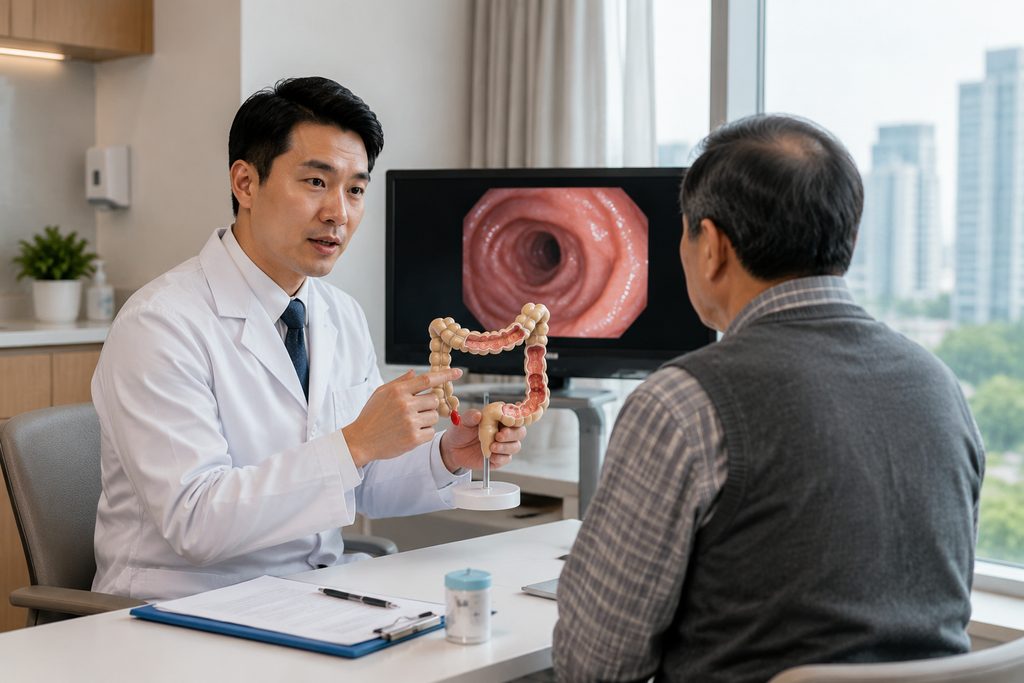
You send off a saliva sample or a cheek swab. A few weeks later, a report lands in your inbox claiming to decode your future health, your family history, and how your body processes caffeine. It sounds like science fiction. But in 2026, it is routine laboratory work. A DNA test reads specific sections of your genome — the roughly 3 billion base pairs that make you who you are — and compares them against databases of known genetic variations. What you actually learn depends entirely on which test you buy. A $99 ancestry kit tells you where your ancestors likely lived. A clinical-grade whole exome sequence can flag mutations in genes like BRCA1 or BRCA2 that sharply raise cancer risk. Same technology, wildly different scope. Understanding that gap matters before you spend a dollar. And if you are comparing the dna test cost China offers against prices back home, the gap can be thousands of dollars wide.
Key Takeaways
- A clinical DNA test can assess risk for over 2,000 genetic conditions, but direct-to-consumer kits typically screen for only a handful of well-studied variants.
- Genetic testing prices in Shanghai and Beijing run from roughly $150 for targeted panels to $2,000+ for whole exome or genome sequencing — often 40–60% below comparable US or European labs.
- No DNA test gives a yes/no answer for most diseases. It gives probabilities, and those numbers shift as more research accumulates.
- Ancestry percentages are statistical estimates, not hard facts. Different testing companies can give the same person different results.
The Problem: You Want Answers, But Which Test Actually Delivers Them?
Search “DNA test” online and you will drown in options. AncestryDNA. 23andMe. Nebula Genomics. CircleDNA. Hospital-based panels. Pharmacogenomic screens. The marketing all sounds the same: “Unlock your genetic code.” The reality is messier. A 2023 study published in Genetics in Medicine found that 40% of variants reported by direct-to-consumer labs as “increased risk” were later reclassified as benign when reviewed by clinical geneticists. You are paying for a snapshot of science that is still being written.
That does not mean DNA testing is useless. Far from it. A properly ordered clinical test — the kind ordered through a hospital genetics department — can identify actionable mutations with high confidence. The BRCA1/BRCA2 tests, for example, have a clinical validity above 99% for specific pathogenic variants. The problem is knowing which test you need. And that is where most people get stuck. They buy a $99 kit, get a report full of “elevated risk” percentages, and end up more confused than before. Or they skip testing entirely because a clinical whole-genome sequence costs $3,000 in the United States and their insurance will not cover it.
What Can a DNA Test Tell Me About Health? The Real Answer
This is the question that matters most. And the honest answer has two parts. First: a DNA test can tell you about your inherited risk for certain conditions — not whether you will get them. Second: the depth of that answer depends on the test type.
Targeted Gene Panels: Specific Answers to Specific Questions
These tests look at a defined set of genes linked to a particular concern. A hereditary cancer panel might screen 30 to 80 genes, including BRCA1, BRCA2, MLH1, MSH2, and TP53. A cardiac panel might examine genes tied to hypertrophic cardiomyopathy or long QT syndrome. The results are usually clear: a pathogenic variant is present, absent, or of uncertain significance. Can dna test show cancer risk? Yes — for the genes included in the panel. A woman with a pathogenic BRCA1 variant has a 55–72% lifetime risk of breast cancer, compared to about 13% for the general population. That is actionable information. It changes screening schedules. It changes decisions.
Whole Exome and Whole Genome Sequencing: The Broad Net
Whole exome sequencing reads the protein-coding regions of your genome — about 1–2% of your total DNA but where roughly 85% of known disease-causing mutations live. Whole genome sequencing reads everything. Both can flag variants across thousands of genes. The trade-off: you will get results you did not ask for. Incidental findings. A mutation linked to a rare neurological condition you have never heard of. Some people want that information. Others do not. Good labs handle this with a consent process that lets you opt out of receiving certain categories of results.
Pharmacogenomic Testing: How Your Body Handles Drugs
This is the most immediately practical DNA test for many people. It looks at genes like CYP2C19, CYP2D6, and SLCO1B1 that control how you metabolize medications. A CYP2C19 poor metabolizer, for instance, gets less benefit from clopidogrel, a common blood thinner. Knowing this before a stent procedure lets the cardiologist choose a different drug. Chinese hospitals increasingly include pharmacogenomic panels in cardiovascular and oncology workflows. It is not glamorous. But it prevents real harm.
Ancestry Testing: How Accurate Is DNA Testing for Ancestry?
The dna test cost China labs charge typically runs 40–60% below US prices for comparable clinical-grade tests. A targeted cancer gene panel that costs $1,500 in the US might cost $300–600 in Shanghai. Whole genome sequencing runs $1,000–$2,500 in China versus $2,000–$6,000 in the US. Prices vary by hospital and case complexity, and international department services cost more than standard domestic channels.
You will be offered genetic counseling to understand the finding and its implications. The hospital’s genetics team can recommend next steps — additional screening, preventive measures, or specialist referrals. If you are in China at the time, those referrals can be coordinated through the same international department. If you have returned home, the report and a written summary are provided so your local physician can take over management.
Chinese clinical laboratories operate under data protection regulations that govern medical information. However, privacy standards and enforcement differ from HIPAA in the US or GDPR in Europe. If data privacy is a primary concern, ask the lab directly about its data retention, sharing, and deletion policies before submitting a sample. Reputable hospital-based labs will provide this in writing.
Your Next Step
DNA testing is a tool. Used well, it gives you information that can change how you screen, what medications you take, and how you plan for the future. Used poorly, it produces anxiety and confusion. The key is matching the right test to the right question — and getting a qualified human to interpret the results. We help international patients navigate that process at China’s top-ranked hospitals, from selecting a lab to coordinating consultations and follow-up. We are not a hospital and we do not provide diagnoses. If you are weighing your options for genetic testing, start with a conversation. Reach out through our free consultation page and tell us what you are hoping to learn. We will help you figure out whether a DNA test is the right tool — and if so, which one.
Frequently Asked Questions
Yes. The hospitals used for international patients are JCI-accredited and follow the same international safety standards as top hospitals in the US and Europe. Surgical teams perform high volumes of procedures — often more than their Western counterparts — which studies show leads to better outcomes.
Costs vary by procedure and hospital, but international patients typically save 40-80% compared to US prices — even when factoring in travel and accommodation. A consultation with our team will give you an exact, all-inclusive quote with no hidden fees.
Send us your existing medical reports to get started. We handle everything from hospital selection and appointment scheduling to visa assistance and post-operative recovery planning. Your medical records are reviewed by the specialist before you even book a flight.
For more medical information and treatment options in China, visit chinamedservices.com (China Medical Services).
