Hair Transplant Cost China: How Long Until Hair Restoration Results Show?
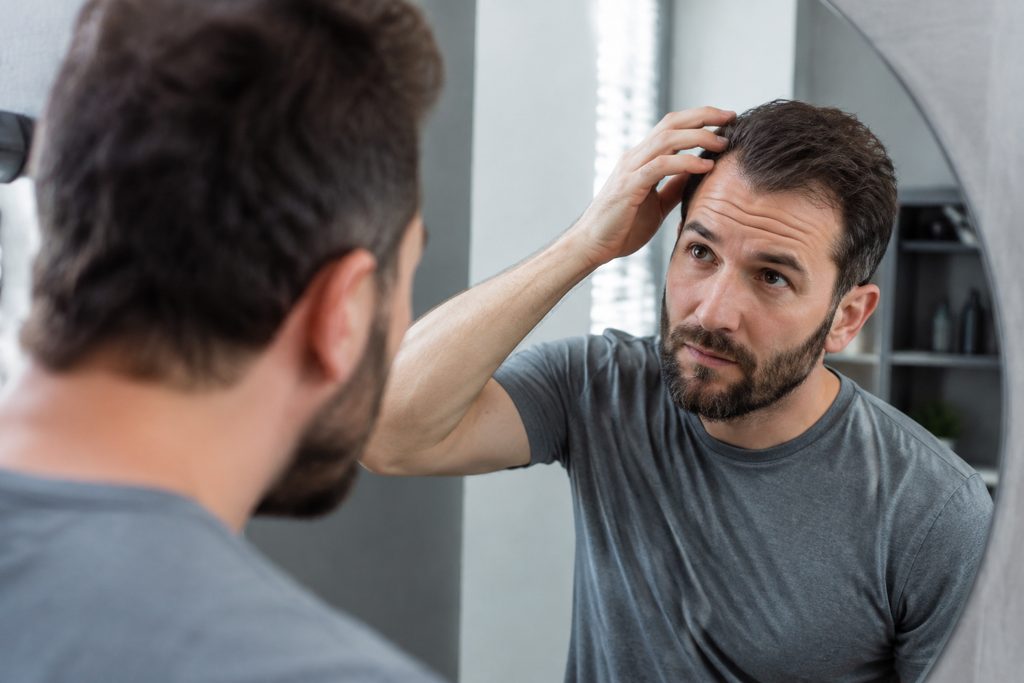
When 34-year-old Daniel from Manchester started noticing thinning at his crown, he did what most men do — he ignored it for two years. By the time he searched for solutions, he had already spent over £900 on serums and laser caps that did nothing. His real question was simple: if he committed to a procedure, how long until hair restoration results show? And with clinic quotes in the UK ranging from £8,000 to £15,000, he started looking abroad. The hair transplant cost China factor kept appearing in his research, alongside questions about recovery timelines and whether the savings justified the travel.
Daniel’s situation is not unique. Androgenetic alopecia affects approximately 50% of men by age 50, according to the American Hair Loss Association. The demand for surgical restoration has grown sharply, but so has confusion about what the procedure actually delivers — and when. This article answers the timeline question directly, while also addressing the financial logic that leads many international patients to consider Chinese hospitals.
Key Takeaways
- Visible hair growth typically begins 3–4 months after surgery, with 60–80% of final density appearing by month 6–9.
- Full cosmetic results take 12–18 months. Any clinic promising dramatic change before month 6 is overselling.
- Hair transplant cost China averages $2,500–$6,000 for 3,000–5,000 grafts — roughly 70–80% less than comparable UK or US procedures.
- FUE recovery is fast for daily activities, but the transplanted zone remains fragile for weeks. Understanding graft shedding is essential to avoid panic.
- Not everyone is a good candidate. Donor density, age, and ongoing hair loss pattern determine whether surgery makes sense at all.
The Problem: Paying Premium Prices for a Waiting Game
The global hair restoration market was valued at approximately $4.8 billion in 2023, with North America and Western Europe accounting for the largest share of spending. But here is the uncomfortable truth: the procedure itself is not the expensive part. The expensive part is the labor, the clinic overhead, and the marketing machine behind Western aesthetic clinics. A single FUE session of 3,000 grafts in London or New York routinely costs between $10,000 and $20,000.
And even after paying that, patients wait. They wait through the ugly duckling phase, through the shedding, through months of patchy regrowth. The emotional toll of paying five figures and still seeing a thin scalp at month five is real. Many patients assume the surgery failed. Most of the time, it did not — the biology is just slow.
That disconnect between price paid and visible outcome is what pushes people like Daniel to investigate alternatives. When the same technique, often performed by surgeons with comparable or higher graft counts, is available at a fraction of the price elsewhere, the question shifts from “can I afford it” to “why would I pay more for the same wait?”
Why China Has Become a Serious Option for Hair Restoration
China’s hair transplant industry has grown aggressively over the past decade. The country now performs an estimated 500,000+ hair transplant procedures annually, driven by domestic demand and an expanding medical tourism sector. This scale creates structural advantages that directly affect both price and clinical experience.
Volume Creates Efficiency — and Honed Technique
A busy Chinese hair restoration clinic may perform 20–40 FUE procedures per week. That is not marketing language; it is operational reality in major cities like Shanghai, Beijing, and Guangzhou. High-volume surgeons develop speed and consistency that lower-volume Western clinics cannot match. The extraction and implantation process — punching individual follicular units, sorting them, and re-implanting them at the correct angle and density — rewards repetition. A surgeon who has done 10,000 procedures has seen more anatomical variation than one who has done 1,000.
This does not mean every Chinese clinic is excellent. Far from it. But the top-tier centers, including those affiliated with public hospitals and established private chains, operate at a scale that Western clinics rarely approach. For patients, that translates into refined protocols and predictable outcomes.
Cost Structure: Why Hair Transplant Cost China Is Lower
The price difference is not about lower quality. It is about economics. Labor costs for surgical teams, nursing staff, and clinic support personnel are lower in China than in the US or UK. Real estate costs, while rising in cities like Shanghai, remain below comparable Western metropolitan areas. And the competitive landscape — with dozens of established chains competing for domestic patients — keeps pricing aggressive.
Typical pricing for FUE in China ranges from $0.80 to $2.00 per graft depending on the clinic tier and technique. A 4,000-graft session therefore costs between $3,200 and $8,000. The same session in the US averages $5 to $10 per graft, putting the total between $20,000 and $40,000. Even after adding flights, accommodation, and coordination services, international patients often save 60–70%.
Technology Parity With Western Standards
Chinese clinics use the same core technologies found in leading Western centers: motorized and robotic FUE extraction systems, sapphire blade implantation, and direct hair implantation (DHI) tools. Some domestic manufacturers have also developed their own extraction devices now used across Asia. The technique is not experimental. It is the same FUE procedure, performed with the same instruments, under the same sterile standards — when you choose a reputable provider.
That last clause matters. China has excellent clinics and poor ones. The difference is verifiable through graft survival data, surgeon credentials, and patient reviews. Our team has spent years building a database of top-ranked hospitals to help international patients filter out the noise.
How Long for Hair Transplant Results: The Real Timeline, Month by Month
This is the section most readers came for. Let us be precise, because the internet is full of misleading timelines.
Days 1–14: Immediate Post-Op and the First Shedding
The transplanted grafts are secured within the first 72 hours. Scabs form around each graft site and typically fall off between day 7 and day 14. Swelling in the forehead may appear around day 3 and resolve within a week. Most patients return to desk work after 5–7 days, though the recipient area remains visibly red.
Then comes the cruel part. Between week 2 and week 6, most of the transplanted hairs shed. This is called shock loss or effluvium, and it is completely normal. The follicles are alive; they have simply entered a resting phase. Patients who do not know this often panic and assume the transplant failed. It did not.
Months 2–4: The Waiting Period
Almost nothing visible happens. The scalp heals, redness fades, and the patient looks roughly like they did before surgery — sometimes slightly worse due to donor area healing. This is the hardest phase psychologically. Around 10–15% of patients experience temporary shedding in the existing native hair near the recipient zone, which adds to the concern. It grows back.
Months 4–6: When Do Hair Grafts Start Growing?
New hair shafts begin emerging from the transplanted follicles, typically starting as fine, wispy hairs. They thicken over subsequent weeks. By month 5, most patients see noticeable fuzz in the recipient area. By month 6, roughly 50–60% of the eventual result is visible. This is the point where patients finally feel the procedure worked.
Months 7–12: Visible Density Builds
Hair continues to thicken and mature. The transplanted hairs begin to match the texture and curl pattern of the native hair. By month 9, most patients have 80% of their final density. By month 12, the cosmetic result is largely complete, though subtle improvements continue.
Months 12–18: Final Maturation
The transplanted follicles are fully established. Hair shaft diameter reaches its final caliber. The result at month 18 is the result you keep — provided you manage ongoing hair loss with appropriate medical therapy. This is a critical point: a hair transplant does not stop the progression of androgenetic alopecia. Without finasteride or minoxidil, native hair behind the transplanted zone will continue to thin, creating an unnatural pattern over time.
Realistic expectation: If someone asks “how long for hair transplant results” and expects a single number, the honest answer is 12 months for a solid cosmetic outcome and 18 months for the final result. Anyone promising dramatic change at 3 months is selling something.
FUE Hair Transplant Recovery Time and What It Means for Travel
International patients planning surgery in China need to think about recovery differently than locals. The FUE hair transplant recovery time has two phases: the physical recovery that affects travel, and the cosmetic recovery that affects social confidence.
Physical recovery is quick. Most patients can fly home 3–5 days after surgery. The donor area at the back of the scalp heals within a week. The recipient area is fragile but not painful after the first few days. Sleeping with the head elevated, avoiding direct sun, and refraining from strenuous exercise for 2–3 weeks are the main restrictions.
Cosmetic recovery is slower. The redness in the recipient zone can persist for 2–4 weeks. The shedding phase means patients often look worse at week 4 than they did at week 1. For international patients, this means planning surgery at least 3–4 months before any major social event. It also means being mentally prepared for the interim period.
Best Hair Restoration Clinic Shanghai Price: What to Look For
Shanghai has become a focal point for international patients seeking hair restoration. The city hosts several high-volume clinics with English-speaking coordination staff and experience handling foreign patients. But when patients search for the best hair restoration clinic Shanghai price, they often conflate two different questions: cheapest and best value.
Cheapest is easy to find. Small clinics in secondary cities advertise aggressively low per-graft rates. Best value is harder. It means a clinic with verifiable surgeon credentials, transparent graft counting, sterile operating protocols, and honest post-operative support. It also means a clinic that does not over-harvest the donor area to inflate graft counts.
| Clinic Tier | Typical Price per Graft (USD) | 4,000-Graft Session Total | What You Get |
|---|---|---|---|
| Budget / local chain | $0.80–$1.20 | $3,200–$4,800 | Basic FUE, limited English, variable surgeon experience |
| Established domestic chain | $1.20–$1.80 | $4,800–$7,200 | Experienced surgeons, standardized protocols, some English support |
| International / premium clinic | $1.80–$2.50 | $7,200–$10,000 | English-speaking staff, Western-style aftercare, insurance billing |
| UK / US comparison | $5.00–$10.00 | $20,000–$40,000 | Local convenience, no travel, familiar regulatory framework |
Prices vary by clinic, surgeon seniority, and case complexity. The figures above are reference ranges, not quotes. A patient with a depleted donor area or requiring repair work will pay more. A straightforward frontal hairline restoration in a young patient with good donor density will cost less.
Hair Transplant Packages China: What Is Usually Included
Yes. Between week 2 and week 6, most transplanted hairs fall out as the follicles enter a resting phase. This is called shock loss and is a normal part of the hair growth cycle. The follicles remain alive under the scalp and begin producing new hair shafts at month 3–4.
The difference comes from lower labor costs, lower clinic overhead, and high patient volume. Chinese clinics perform far more FUE procedures per week than typical Western clinics, which drives efficiency. The technique and instruments are comparable to Western standards at reputable clinics. Lower price does not mean lower quality, but it does mean you must research the specific clinic carefully.
Most patients can fly 3–5 days after surgery. The donor area heals quickly, and the main restrictions are avoiding direct sun, not wearing tight hats, and keeping the recipient area clean. Some patients prefer to stay 7–10 days so the clinic can perform the first post-operative wash and check graft survival before departure.
Poor growth can result from surgical error, infection, or individual biological factors. Reputable clinics document graft counts and provide follow-up protocols. If growth is inadequate at month 12, revision surgery may be an option. This is why choosing a clinic with verifiable experience and a clear post-operative policy matters more than getting the lowest price.
Your Next Step
Hair restoration is a waiting game, but the wait is the same whether you pay $4,000 or $20,000. Understanding the timeline — the shedding, the slow regrowth, the 12-month milestone — is the best defense against disappointment. And understanding the economics of hair transplant cost China gives you options that did not exist a decade ago.
We are China Medical Services, a coordination team that helps international patients navigate Chinese healthcare. We are not a hospital, and we do not provide medical advice or diagnoses. What we do is help you identify reputable clinics, understand realistic pricing, and manage the logistics of treatment abroad
Frequently Asked Questions
Yes. The hospitals used for international patients are JCI-accredited and follow the same international safety standards as top hospitals in the US and Europe. Surgical teams perform high volumes of procedures — often more than their Western counterparts — which studies show leads to better outcomes.
Costs vary by procedure and hospital, but international patients typically save 40-80% compared to US prices — even when factoring in travel and accommodation. A consultation with our team will give you an exact, all-inclusive quote with no hidden fees.
Send us your existing medical reports to get started. We handle everything from hospital selection and appointment scheduling to visa assistance and post-operative recovery planning. Your medical records are reviewed by the specialist before you even book a flight.
For more medical information and treatment options in China, visit chinamedservices.com (China Medical Services).
