IVF in China: Can Treatment Double as a Real Vacation?
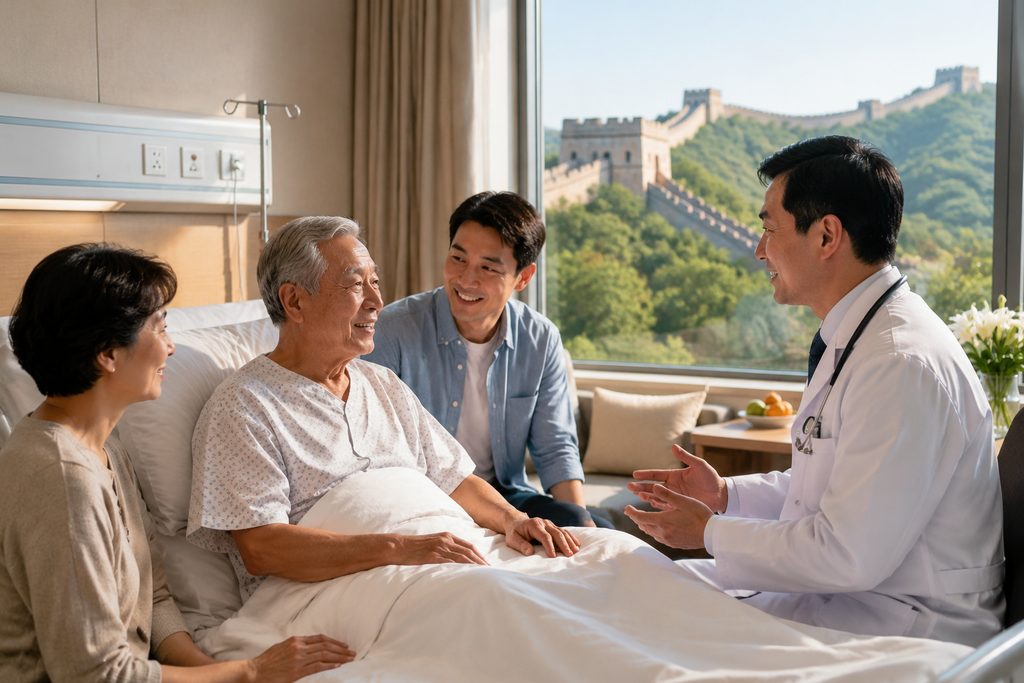
Can You Really Combine IVF Treatment With a Vacation in China? The Honest Answer
While a single IVF cycle in the United States averages between $15,000 and $30,000 before medication, many internationally accredited fertility centers in Shanghai and Beijing offer comparable protocols starting near $4,500. That gap is why the search for an ivf cost China vacation package keeps climbing. But the real question is not whether you can save money. It is whether you can genuinely relax, recover, and explore a new country while undergoing one of the most emotionally demanding medical processes a person can face.
We coordinate care for international patients across 340+ top-ranked hospitals in 37 cities. We have seen this work beautifully. We have also seen patients underestimate the physical demands of ovarian stimulation. This article gives you the unvarnished reality: the timelines, the costs, the clinic differences, and the logistics of turning a medical necessity into a tolerable—even enjoyable—experience.
Key Takeaways
- A complete IVF cycle in China typically costs $4,500–$12,000, roughly one-third to one-fifth of the average US price, with medication often billed separately.
- You will need to stay in China for a minimum of 14–21 days for a fresh cycle, but many patients choose to arrive earlier to acclimate before stimulation begins.
- Public hospitals dominate the clinical landscape, but private international clinics offer English-speaking staff, direct insurance billing, and Western-style communication—at a higher price point.
- IVF is not a passive medical treatment. Daily injections, blood draws every 2–3 days, and physical bloating will limit how much tourism you can realistically do during the stimulation phase.
The Problem: Why Patients Are Looking Abroad in the First Place
In the United Kingdom, the National Health Service provides up to three funded IVF cycles for eligible patients under 40. But the wait to start treatment can stretch beyond 18 months in certain regions. In the United States, only 21 states mandate any form of fertility insurance coverage, and even then, lifetime maximums often cap at $25,000. That covers one cycle at many clinics. For a patient needing two or three cycles, the math becomes brutal.
Canada sits somewhere in between. Ontario funds one IVF cycle per eligible patient, but the waitlist for a funded cycle at a major Toronto clinic routinely exceeds 12 months. Meanwhile, a 38-year-old woman’s ovarian reserve does not pause while she waits. Every month of delay reduces the statistical probability of success.
That is the pressure point. Patients are not leaving their home countries because they want medical tourism. They are leaving because the local system is too slow, too expensive, or both. And China has entered that conversation for a reason most Western patients never expected: clinical volume.
Why China Has Become a Serious IVF Destination
Scale That Produces Reproducible Results
China operates one of the largest assisted reproduction networks in the world. The country performs an estimated 1 million IVF cycles annually, according to a 2022 analysis published in Reproductive BioMedicine Online. A single high-volume reproductive medicine department in Shanghai might complete 10,000–15,000 cycles per year. That is more than the entire annual volume of many mid-sized European countries.
Why does volume matter? Embryology is a craft. The embryologists who handle your eggs, sperm, and embryos are making split-second decisions about timing, media selection, and blastocyst grading. High-volume labs see rare cases every week that smaller clinics see once a year. That repetition builds competence that no amount of marketing can substitute for.
Technology That Matches Western Standards
Top-tier Chinese fertility centers use the same equipment you would find at CCRM in Denver or IVI in Spain. Time-lapse embryo incubators from Vitrolife and Esco are standard at leading centers. Preimplantation genetic testing for aneuploidy (PGT-A) is widely available. Intracytoplasmic sperm injection (ICSI) is routine. The hardware gap that existed 15 years ago has largely closed.
What remains different is the software—the communication style, the administrative flow, and the level of hand-holding. That is where your choice of clinic matters enormously. More on that below.
Cost Structure That Changes the Risk Calculus
Here is the honest breakdown of what you can expect to pay at Chinese fertility centers as of 2026. These are ranges based on our coordination experience across multiple hospitals and private clinics. Prices vary by hospital tier, protocol complexity, and whether you need donor services or genetic testing.
| Service Component | Public Hospital (International Department) | Private International Clinic |
|---|---|---|
| Fresh IVF cycle (monitoring, retrieval, transfer) | $4,500 – $7,000 | $8,000 – $12,000 |
| Fertility medications (per cycle) | $1,200 – $2,500 | $1,500 – $3,000 |
| ICSI (if needed) | $800 – $1,200 | $1,000 – $1,500 |
| PGT-A genetic testing (per embryo, batch pricing varies) | $2,500 – $4,000 | $3,000 – $5,000 |
| Frozen embryo transfer (FET) cycle | $1,800 – $3,000 | $3,000 – $4,500 |
Compare that to the United States, where the same components routinely total $20,000–$35,000 per fresh cycle with medication. A patient who needs two retrieval cycles and one frozen transfer in the US might spend $60,000 before achieving a pregnancy. In China, the same sequence might cost $15,000–$25,000. That is the difference between one attempt and three attempts. And in IVF, attempts matter.
Can I Combine IVF Treatment With Tourism in China? The Realistic Timeline
The short answer is yes—but not in the way most people imagine. You are not going to be hiking the Great Wall during your stimulation phase. You will be managing injections, attending monitoring appointments every 2–3 days, and dealing with the physical reality of enlarged ovaries. But you can absolutely build a meaningful travel experience around the medical schedule if you plan it correctly.
Here is what a typical fresh IVF cycle looks like for an international patient in Shanghai or Beijing:
Days 1–3: Arrival and Baseline Testing
You fly in, adjust to the time zone, and complete your baseline ultrasound and blood work. This typically happens on day 2 or 3 of your menstrual cycle. The clinic confirms your hormone levels and ovarian reserve, then clears you to begin stimulation. If you arrive a few days early, you can do light sightseeing—museums, tea houses, gentle walking tours. Nothing strenuous.
Days 4–12: Ovarian Stimulation
This is the core of the cycle. You will self-administer daily injections of gonadotropins—or have your partner or a local nurse do it. You will visit the clinic every 2–3 days for transvaginal ultrasounds and blood tests to monitor follicle growth. Each visit takes 1–2 hours. The rest of the day is yours, but your energy will fluctuate. Many patients describe feeling bloated, mildly crampy, and emotionally sensitive. Plan for short outings, not full-day excursions.
Days 13–15: Trigger Shot and Egg Retrieval
When your follicles reach the target size, the clinic schedules a trigger injection—typically in the evening, 36 hours before retrieval. Retrieval is a minor surgical procedure performed under sedation. It takes 20–30 minutes. You will rest for a few hours, then return to your hotel. The next 24–48 hours are for recovery. Some patients feel fine. Others experience significant cramping and fatigue. Do not book anything for these two days.
Days 16–20: Fertilization and Embryo Development
The lab fertilizes your eggs and cultures the embryos. You will receive updates on Day 1, Day 3, and Day 5 or 6. If you are doing a fresh transfer, it typically happens on Day 5 after retrieval. If you are freezing embryos for genetic testing or a later transfer, you can fly home after the retrieval recovery period—usually 3–5 days post-retrieval.
So the honest answer to how long do I need to stay in China for IVF is: 14–21 days for a fresh cycle with transfer, or 10–14 days if you are only doing retrieval and freezing. That is not a two-month medical sabbatical. But it is also not a week-long holiday.
Best Fertility Clinics China for Foreigners: What Actually Matters
Choosing a clinic is the single most important decision you will make. And the criteria that matter for a foreign patient are different from what a local patient prioritizes. A Chinese patient might choose a clinic based on its reputation for handling complex male factor infertility. You need a clinic that can communicate clearly in English, handle your medical records in a language you understand, and provide a care pathway that does not require you to navigate a crowded public hospital corridor alone.
You have three broad options:
Public hospital reproductive medicine departments—these are the clinical powerhouses. Peking Union Medical College Hospital in Beijing and the reproductive medicine center at Renji Hospital in Shanghai are among the most experienced in the country. But their international departments are limited, and the patient flow is designed for volume, not personalized attention. You will get excellent clinical care. You will not get much hand-holding.
Private international clinics—United Family Healthcare, Jiahui Health, and Raffles Medical operate fertility centers in major Chinese cities with English-speaking physicians, Western-trained embryologists, and direct billing arrangements with international insurers. The private international hospital network is built for patients like you. You will pay roughly double the public hospital rate, but you will understand every conversation and every consent form.
Hybrid models—some public hospitals partner with international service providers to offer VIP packages that include English interpretation, expedited scheduling, and private recovery rooms. These sit between the two price points and can offer the best of both worlds if arranged correctly.
For a detailed breakdown of reproductive medicine departments by city, you can review our specialty hospital rankings.
IVF With Holiday Shanghai Price: What a Combined Trip Actually Costs
Shanghai is the most common entry point for international IVF patients in China. It has the highest concentration of JCI-accredited private clinics, the most developed English-language medical infrastructure, and a tourism ecosystem that is genuinely world-class. But what does a combined treatment-and-travel trip actually cost?
Let us use a realistic 18-day itinerary for a single patient traveling with a partner:
| Expense Category | Budget Range (USD) | Notes |
|---|---|---|
| IVF cycle (private international clinic, fresh transfer) | $9,000 – $12,000 | Includes monitoring, retrieval, transfer |
| Medications | $1,500 – $2,500 | Varies by protocol and pharmacy |
| Round-trip flights (2 people, from US/Europe) | $1,600 – $3,200 | Economy class, booked 6–8 weeks ahead |
| Hotel (17 nights, mid-range serviced apartment) | $1,700 – $2,800 | $100–$165 per night, kitchenette recommended |
| Food and local transport | $700 – $1,200 | Shanghai metro is excellent and cheap |
| Light tourism (museum tickets, day trips, shows) | $300 – $600 | No strenuous activities during stimulation |
| Total | $14,800 – $22,300 | All-in for two people |
Compare that to a single IVF cycle at a top US clinic: $20,000–$30,000 for treatment alone, before flights, hotels, or meals. Even with international travel costs included, the ivf with holiday Shanghai price can come in below the treatment-only cost in many Western markets. That is not a marketing claim. That is arithmetic.
Medical Tourism IVF China Recovery Time: Planning the Back Half of Your Trip
Recovery from egg retrieval is measured in days, not weeks. Most patients return to normal activity within 48–72 hours. But the emotional recovery from the two-week wait—the period between embryo transfer and the pregnancy test—is a different timeline entirely.
Here is where the vacation component actually becomes therapeutic. After your transfer, you have two options. You can fly home immediately and spend the two-week wait in your normal environment, surrounded by work and stress and the same four walls you have been staring at for years. Or you can stay in China, take gentle walks through the French Concession in Shanghai, eat excellent food, visit quiet temples, and let your body do what it needs to do without the pressure of your everyday life.
The medical tourism ivf China recovery time question is really about what you do with the waiting. Clinically, there is no evidence that bed rest improves implantation rates. The American Society for Reproductive Medicine explicitly advises against prolonged bed rest after embryo transfer. Light activity is fine. Gentle walking is encouraged. Sitting in a beautiful garden with a cup of tea is neither harmful nor helpful to implantation—but it is better for your mental health than refreshing a work email inbox.
If you are doing a frozen transfer, the timeline shifts. You can complete your retrieval cycle, fly home, and return 4–6 weeks later for the transfer itself. That second trip is shorter—typically 7–10 days—and much less medically intensive. Some patients do the retrieval in China, recover at home, and return for the transfer with a clearer head and a lighter schedule.
Practical Considerations: Visas, Payments, and Communication
You cannot simply book a flight and walk into a Chinese fertility clinic. There are administrative realities that every international patient must handle.
Visa: Medical treatment in China requires an S2 visa, which is the short-stay category for private affairs and medical treatment. Your clinic will provide an invitation letter and treatment confirmation document. Submit these with your application at the nearest Chinese embassy or consulate. Processing typically takes 5–10 business days. The S2 visa allows a stay of up to 180 days, though most IVF patients need far less. Family members accompanying you apply for their own S2 visas. Do not apply for an M visa—that is for commercial and trade activities, not medical care.
Payment: Public hospitals require upfront payment, typically via cash, Chinese bank card, or international credit card at the international department. Private international clinics accept major international credit cards and often bill insurers directly. If you are paying out of pocket, clarify the payment schedule before you arrive. Some clinics require a deposit at cycle start; others bill per visit.
Medical records: Bring every relevant document—previous IVF cycle records, semen analysis results, hormone panels, genetic testing reports, surgical history. Have them translated into Chinese if possible, or use a service that provides certified medical translation. Incomplete records are the most common cause of delayed treatment starts.
Communication: If you choose a public hospital, assume that most front-line staff speak limited English. The doctors may speak some English, but the nurses, phlebotomists, and administrative staff likely will not. This is where a bilingual medical companion changes the experience. Without one, a simple blood draw can become a 90-minute ordeal of gesturing and confusion at a hospital that sees 10,000 patients a day.
That is not a pitch. It is a description of what a high-volume Chinese public hospital looks like at 8:00 AM on a Tuesday. You can absolutely navigate it alone if you are patient, resourceful, and comfortable with ambiguity. Many patients do. But know what you are walking into.
Frequently Asked Questions
Is it safe to travel and sightsee during ovarian stimulation?
Light activity is fine. Walking, museums, restaurants, gentle sightseeing—all acceptable. What you should avoid: strenuous hiking, long bus tours, heavy lifting, alcohol, and anything that risks abdominal trauma. Your ovaries will be enlarged, and ovarian torsion—while rare—is a real risk with vigorous activity. Listen to your body. If you feel bloated and tired, rest. The Great Wall will still be there
For more medical information and treatment options in China, visit chinamedservices.com (China Medical Services).
