Is My Leg Pain From Varicose Veins? When to Seek Treatment and What It Costs
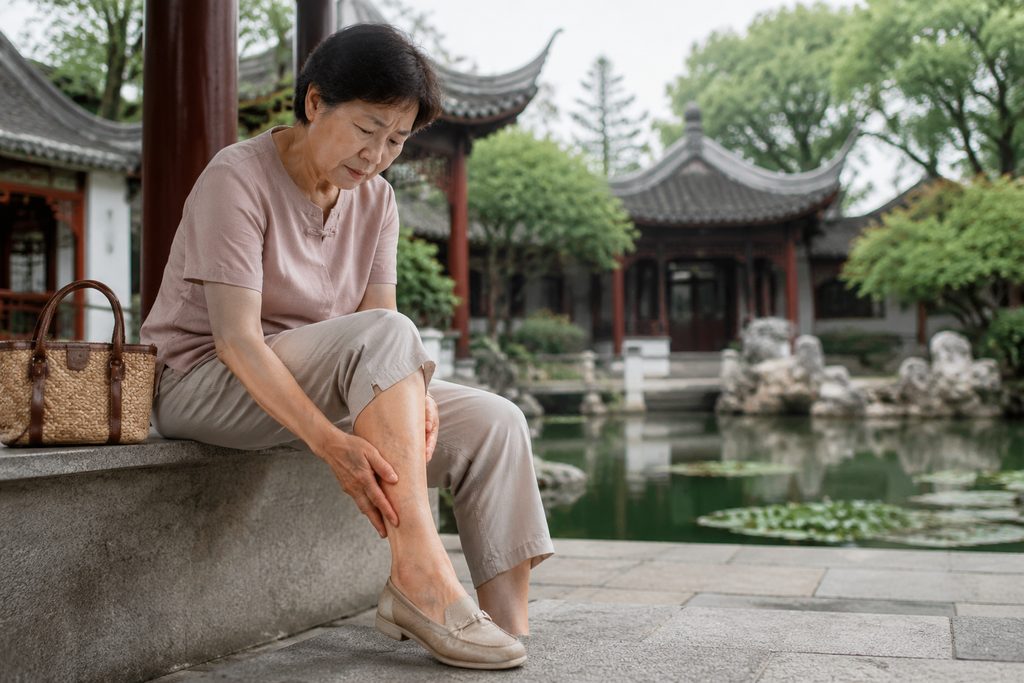
When 54-year-old Daniel first felt the dull ache behind his left knee, he blamed the long-haul flight from London. A week later, the throbbing had spread down his calf. His GP mentioned varicose veins almost as an afterthought — “nothing urgent, but worth watching.” Daniel left with more questions than answers. Was the pain even connected to those twisted blue vessels? Would it get worse? And if he needed treatment, what would it actually cost?
If that sounds familiar, you are not alone. Roughly 1 in 4 adults will develop varicose veins at some point, and leg pain is one of the most common reasons patients finally seek medical advice. The short answer to the question in your search bar: yes, varicose veins can absolutely cause leg pain. But not all leg pain comes from varicose veins, and distinguishing the two matters more than most people realize.
Is My Leg Pain From Varicose Veins? The Short Answer
Yes — varicose veins can cause leg pain, and they frequently do. The pain typically presents as a heavy, aching sensation that worsens after prolonged standing or sitting and improves when you elevate your legs. Patients often describe it as a dull throb, a burning feeling, or muscle cramping, particularly at night. The mechanism is straightforward: when the one-way valves inside your veins fail, blood pools in the lower legs instead of returning efficiently to the heart. That pooling creates pressure, and pressure creates pain.
But here is the part most online articles gloss over. Leg pain has dozens of possible causes. Deep vein thrombosis, peripheral artery disease, sciatica, muscle strain, and even spinal stenosis can mimic varicose vein discomfort. So how do you know if leg pain is from varicose veins specifically? The answer lies in the pattern. Varicose vein pain almost always correlates with visible or palpable vein changes, worsens with inactivity, and eases with leg elevation or compression stockings. If your pain comes with chest symptoms, sudden swelling in one leg, or skin that feels hot and red, that is a different conversation entirely — and one that belongs in an emergency department.
Who Should Seek Treatment — and Who Should Wait
Not every varicose vein needs intervention. Plenty of people live with visible veins for decades without significant discomfort. Treatment becomes worth considering when symptoms start interfering with daily life.
Good candidates for treatment typically include:
- Adults whose leg pain is directly tied to varicose veins and limits standing, walking, or sleep
- Patients with skin changes near the ankle — darkening, thickening, or itching that suggests chronic venous insufficiency
- Those who have tried compression stockings and lifestyle changes for 3–6 months without meaningful relief
- Anyone with a history of superficial thrombophlebitis (a painful, inflamed clot in a surface vein)
Who should hold off? If your veins are cosmetically visible but painless, insurance rarely covers treatment and the risks — however small — may outweigh the benefits. Patients with significant peripheral arterial disease, active pregnancy, or certain clotting disorders should also postpone or avoid vein procedures until cleared by a specialist. And if your leg pain is accompanied by unexplained weight loss, fever, or night sweats, the priority is ruling out other conditions first.
The Options, Compared
Treatment for painful varicose veins has shifted dramatically over the past two decades. Open vein stripping — once the standard — is now rare. Minimally invasive techniques dominate, and for good reason: shorter recovery, less pain, and lower complication rates.
| Treatment Method | How It Works | Typical Recovery | Approximate Cost Range (USD) |
|---|---|---|---|
| Endovenous Laser Ablation (EVLA) | Laser fiber inserted into the vein; heat seals it shut from inside | Return to normal activities in 1–2 days | $2,500–$5,500 per leg (US); $800–$2,000 per leg (China) |
| Radiofrequency Ablation (RFA) | Similar to EVLA but uses radiofrequency energy instead of laser | Return to normal activities in 1–2 days | $2,500–$5,500 per leg (US); $900–$2,200 per leg (China) |
| Foam Sclerotherapy | Injectable foam irritates and collapses smaller veins | Same-day; compression stockings for 1–2 weeks | $350–$800 per session (US); $100–$300 per session (China) |
| Ambulatory Phlebectomy | Small hooks remove surface veins through tiny punctures | Return to work in 1–3 days | $1,500–$4,000 per leg (US); $500–$1,500 per leg (China) |
| Conservative Management | Compression stockings, exercise, elevation | Ongoing | $50–$150 for quality stockings |
EVLA and RFA suit most patients with symptomatic great saphenous vein reflux — the underlying cause of most painful varicose veins. Sclerotherapy works better for smaller branch veins and spider veins. Phlebectomy addresses bulging surface veins that remain after the main trunk is treated. Conservative management is never wrong as a first step, but it manages symptoms rather than fixing the underlying valve failure.
Can Varicose Veins Cause Leg Pain Without Visible Bulging?
This is the question that catches people off guard. The answer is yes — and it explains why so many patients suffer for years without connecting their symptoms to venous disease. Venous reflux can occur in deeper or less visible veins, producing significant pain, heaviness, and fatigue without the classic rope-like appearance. A venous duplex ultrasound is the definitive test. It maps blood flow in real time and identifies reflux that a visual exam would miss.
If your legs ache by evening, feel better after a night’s sleep, and worsen in warm weather, venous insufficiency deserves a spot on your list of suspects — even if your legs look unremarkable. The diagnostic process is non-invasive, takes under an hour, and gives you an answer rather than another round of guesswork.
What Varicose Vein Treatment Actually Costs — and Why Location Changes Everything
The varicose vein treatment cost China consistently lands between 50% and 70% below US private-pay prices, even at top-tier hospitals. That is not marketing language. It reflects structural differences in how healthcare is priced and delivered.
In the United States, a single-leg EVLA procedure typically runs $2,500 to $5,500 before insurance. With insurance, out-of-pocket costs depend heavily on whether the insurer classifies the procedure as medically necessary — which usually requires documented symptoms and failed conservative therapy. In China, the same procedure at a top-ranked public hospital’s international department generally ranges from $800 to $2,000 per leg. Even adding flights and accommodation, many international patients find the total cost competitive.
What drives the variance? Three factors. First, hospital tier: Fudan-ranked top hospitals charge more than regional centers. Second, technique: laser and radiofrequency cost more than sclerotherapy. Third, complexity: treating both legs, or combining techniques, shifts the final number. Prices always vary by hospital and case complexity.
Best Hospital for Varicose Veins Shanghai: What to Look For
Searching for the best hospital for varicose veins Shanghai means looking beyond names and rankings. Vascular surgery in China has advanced rapidly, and several Shanghai hospitals now perform thousands of venous procedures annually. The key is finding a department with a dedicated venous disease program, not just a general surgery unit that treats veins occasionally.
What separates a strong vascular department:
- A dedicated vascular ultrasound lab — duplex imaging should happen in-house, not at an outside facility
- Experience with the full range of techniques: EVLA, RFA, sclerotherapy, and phlebectomy
- An international department or VIP clinic with English-speaking coordination staff
- Clear pricing for international patients, ideally with a written treatment plan before you travel
Our department rankings for vascular surgery can help you shortlist hospitals. And if you are weighing Shanghai against other destinations, the Shanghai hospital guide provides context on what to expect from the city’s medical infrastructure. For a broader view of China’s top institutions, the Fudan-ranked hospital database is the place to start.
Practical Considerations: Records, Visas, and Follow-Up
If you are considering treatment in China, the logistics are manageable but not trivial. You will need your existing medical records, ideally including any prior venous ultrasound reports. If you have not had one, that can be arranged on arrival — but having a baseline study helps the treating physician understand how long the reflux has been present.
Visa planning deserves early attention. For medical travel, the S2 visa is the applicable short-stay category, typically issued with supporting documentation from the hospital confirming your treatment plan. Processing times vary by consulate, so plan at least 4–6 weeks ahead. We can provide guidance on the documentation Chinese hospitals typically supply for visa applications.
Payment is straightforward: public hospital international departments generally require prepayment or a deposit, with insurance reimbursement handled after the fact. Some private international hospitals in China offer direct billing with major insurers. Language is the wildcard. Public hospitals in Shanghai see enormous patient volumes, and while international departments have English-speaking staff, the main hospital floors often do not. A bilingual companion who knows the system can make the difference between a smooth visit and a stressful one.
Follow-up after returning home is simpler than most patients expect. Varicose vein procedures rarely require complex post-operative care. Most surgeons want a follow-up ultrasound at 1–2 weeks and again at 3–6 months. The first can happen before you leave China; the second can often be done at a local vascular clinic in your home country, with results shared back.
Frequently Asked Questions
The pattern matters more than the intensity. Varicose vein pain typically worsens with prolonged standing or sitting, improves with walking or elevation, and comes with visible vein changes or leg heaviness. Sudden one-leg swelling, chest pain, shortness of breath, or a leg that feels hot and red are red flags for deep vein thrombosis or pulmonary embolism — those warrant immediate medical attention, not a wait-and-see approach.
Laser varicose vein surgery price abroad is often 50–70% lower than US private-pay rates, and the technique itself — endovenous laser ablation — is standardized internationally. The equipment is the same, the training is comparable at top centers, and complication rates are low across the board. What varies is the system around the procedure: diagnostic accuracy, sterile protocols, and follow-up quality. Choosing a Fudan-ranked hospital with a dedicated vascular department mitigates most of that risk.
You cannot book a surgery date before an in-person consultation at any reputable Chinese public hospital — that is a universal rule, not a limitation of international patients. What you can do is arrange a video consultation first, where a vascular specialist reviews your records, confirms whether you are a candidate, and gives you a realistic treatment plan and cost estimate. That way, you travel with a clear picture rather than hoping for the best.
It depends entirely on your policy. Some international health insurance plans cover treatment at recognized hospitals abroad, subject to medical necessity criteria. Many do not. Public hospital international departments in China typically require upfront payment, with receipts provided for you to file a reimbursement claim. Private international hospitals are more likely to offer direct billing with major insurers. Check with your insurer before committing to anything.
Recurrence is possible but less common with modern techniques than with older stripping procedures. Studies suggest recurrence rates of 10–20% at five years for EVLA and RFA, often involving new veins rather than the treated one. The best prevention is a thorough initial ultrasound that identifies all sources of reflux, not just the obvious ones. If recurrence does happen, it is usually treatable with sclerotherapy or a repeat ablation.
Your Next Step
Leg pain from varicose veins is common, diagnosable, and treatable — and the gap between “living with it” and “fixing it” is often smaller than people assume. The right first move is not booking a procedure. It is getting a clear diagnosis and a realistic treatment plan.
We help international patients navigate that process at China Medical Services. We are not a hospital, and we do not diagnose or treat — what we do is connect you with top-ranked Chinese vascular departments, coordinate video consultations, and handle the logistics if you decide to travel for care. When you are ready to explore your options, request a free consultation and we will help you map out the next step.
Your legs have been carrying you for years. They deserve a straight answer.
For more medical information and treatment options in China, visit chinamedservices.com (China Medical Services).
