Oral Surgery: Will I Need Stitches? A Guide for International Patients
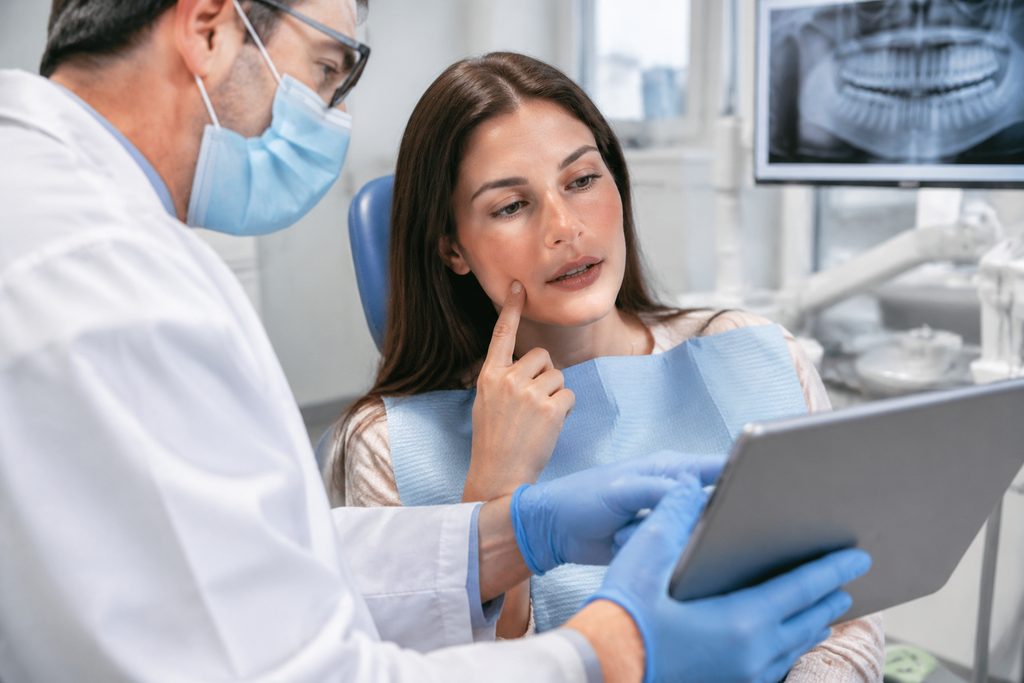
When 34-year-old Daniel from Manchester booked his wisdom tooth extraction in Shanghai, his first question wasn’t about price. It was simpler. “Will I wake up with a mouth full of thread?” He’d never had surgery before. The idea of stitches — dissolvable or otherwise — made him more nervous than the procedure itself. It’s a fair question. And the answer, like most things in medicine, is: it depends.
Whether oral surgery requires stitches comes down to what’s actually being done inside your mouth. A simple tooth extraction where the tooth comes out cleanly might need nothing at all. A surgical extraction — where the gum is opened, bone is removed, or the tooth is sectioned — almost always needs sutures. That’s the honest starting point for anyone asking about oral surgery stitches necessary China or anywhere else: the type of procedure, not the country, decides the answer.
At China Medical Services, we’ve walked hundreds of international patients through this exact conversation. Not as doctors — we’re coordinators. We connect you with the right oral and maxillofacial surgeons at top-tier Chinese hospitals, then make sure you understand what’s happening at every step. This article explains what you actually need to know about stitches after oral surgery, including healing times, costs in Chinese cities, and the travel questions that keep people up at night.
How This Actually Works, Step by Step
Here’s the real sequence, from wherever you are right now to sitting in a recovery chair in Beijing or Shanghai.
First, you send us your existing dental records. X-rays, panoramic images, any notes from your dentist at home. If you don’t have recent imaging, we’ll tell you what to get before you travel. A written second opinion from a Chinese oral surgeon typically costs $300–500 and gives you a preliminary read on whether stitches will likely be needed, based on your specific case.
Next comes a video consultation if you want one. You speak directly with the surgical team. They’ll look at your images, ask about your medical history, and give you a realistic expectation. This costs $100–800 depending on whether you’re talking to a general oral surgeon or a top specialist at a Fudan-ranked hospital.
Then we coordinate the appointment. Here’s what surprises most Western patients: public hospitals in China don’t allow overseas patients to book outpatient visits remotely. You can’t email a hospital and lock in a surgery date. What you can do is work through a hospital’s international department or VIP channel, which we arrange. This is where the bilingual companion service — from $300 per day — becomes genuinely useful. Someone handles registration, payment, queueing, and translation while you focus on the clinical conversation.
After your in-person consultation, the surgeon confirms whether you need surgery and what type of closure is appropriate. Only then do you get a final answer on stitches. Not before.
Do All Tooth Extractions Need Stitches? Understanding Oral Surgery Closure
No. This is the most common misconception we hear from patients researching do all tooth extractions need stitches. A straightforward extraction of a fully erupted tooth with a single root often needs no sutures at all. The socket forms a blood clot, the gum heals over it, and you’re done.
Sutures become necessary when the surgeon has to create a flap — cutting into the gum to access the tooth or bone underneath. Impacted wisdom teeth, particularly lower ones that are horizontal or deeply embedded, almost always require this. So do surgical extractions of broken teeth, root tip removals, and any procedure involving bone grafting or sinus lifts.
The type of suture matters too. Most oral surgeons in China use resorbable sutures for internal closure. These dissolve on their own over one to three weeks. Non-resorbable sutures — silk or nylon — are sometimes used on the surface and need removal. Your surgeon will tell you which you have before you leave the clinic.
How Long Do Dissolvable Stitches Last After Oral Surgery?
Patients searching for how long do dissolvable stitches last after oral surgery usually want a specific number. The honest range is 7 to 21 days, with most dissolving between day 10 and day 14. The material matters. Chromic gut sutures dissolve faster, typically within a week. Polyglactin sutures last longer, often two to three weeks.
What you’ll notice in practice: the stitches start to feel loose or frayed after about a week. That’s normal. They may fall out on their own, or dissolve gradually without you noticing. You should not pull on them. If a stitch is still present after three weeks and causing irritation, your surgeon can remove it in minutes — but don’t do this yourself.
Healing continues long after the sutures disappear. The soft tissue closes within two to three weeks. The bone underneath takes months. That’s why your surgeon will advise against hard foods, smoking, and vigorous rinsing for longer than you might expect.
A Realistic Timeline
Planning around oral surgery from abroad means accounting for steps that don’t show up in a Google search. Here’s what the actual sequence looks like for a typical international patient considering treatment in China.
| Stage | What Happens | Typical Duration |
|---|---|---|
| Day 1–7 | You send records, imaging, and medical history to our team | 1 week |
| Week 2–3 | Written second opinion or video consultation with oral surgeon | 1–2 weeks |
| Week 4–6 | S2 visa application with hospital invitation letter | 2–4 weeks |
| Week 6–8 | Travel to China, in-person consultation, surgery scheduling | 2–5 days |
| Day of surgery | Procedure, suture placement, immediate recovery | 1–3 hours |
| Week 1 post-op | Stitches begin dissolving, swelling peaks then subsides | 7 days |
| Week 2–3 post-op | Most dissolvable sutures gone, soft tissue healing well | 7–14 days |
| Month 1–3 | Full soft tissue closure, bone remodeling continues | 1–3 months |
Document translation adds time. If your records aren’t in English or Chinese, factor in an extra week. And visa processing varies by country — some embassies move faster than others. We’ve seen S2 visas issued in under a week for some nationalities and over a month for others.
What Can Go Wrong — and What Happens Then
Let’s be direct. Things don’t always go smoothly. Here are the failure modes we’ve actually seen, and what the recourse looks like.
Dry socket. This happens when the blood clot dislodges before healing takes hold. It’s painful — often more painful than the surgery itself. The incidence after wisdom tooth extraction ranges from 5% to 30% depending on the study and the tooth’s position. Treatment is simple: the surgeon packs the socket with a medicated dressing, and you manage pain for a few days. It doesn’t mean anything went wrong surgically.
Stitch abscess. Occasionally a suture becomes infected or the body reacts to the material. You’ll notice localized pain, swelling, or discharge near the stitch site. The fix is straightforward: the surgeon removes the offending suture and irrigates the area. Antibiotics are sometimes prescribed. This is rare but real.
Delayed healing. Smokers heal slower. Diabetics with poor glucose control heal slower. Patients who ignore post-op instructions and start rinsing aggressively too soon can dislodge the clot. If healing stalls, the surgeon reassesses and may extend your follow-up schedule. None of this is catastrophic, but it can extend your stay in China beyond what you planned.
And the visa complication nobody thinks about: if you need a second surgery or an extended recovery, your S2 visa may need adjustment. That’s a bureaucratic process, not a medical one. We flag this early so you’re not surprised.
Wisdom Tooth Removal Stitches Price Shanghai: What It Actually Costs
Searches for wisdom tooth removal stitches price Shanghai reflect a practical concern: what does this cost out of pocket in a Chinese city? The answer varies widely by hospital tier and case complexity.
At a public top-tier hospital’s international department in Shanghai, a straightforward wisdom tooth extraction with sutures typically runs $150–400. A complex surgical extraction of an impacted lower wisdom tooth — the kind that always needs stitches — ranges from $400 to $900. At private international hospitals like Jiahui or United Family, expect $600 to $1,500 for the same procedure. Compare that to the United States, where surgical wisdom tooth extraction commonly costs $1,500 to $3,000 per tooth, and the value proposition becomes clear.
Stitch removal, when needed, is a minor charge. The oral surgeon stitch removal cost Beijing search usually returns figures from $20 to $80 at public hospital international departments, and $50 to $150 at private clinics. Many surgeons include follow-up suture removal in the original surgical fee. Ask before you pay.
These numbers are ranges, not quotes. Final pricing depends on the hospital, the surgeon’s seniority, and what the imaging reveals. Anyone who quotes you a fixed price before seeing your X-rays is guessing.
Can I Fly After Oral Surgery with Stitches Abroad?
This is the question that separates careful planners from everyone else. Can I fly after oral surgery with stitches abroad? The short answer is yes, with caveats.
Most oral surgeons recommend waiting 24 to 48 hours after surgery before flying. The cabin pressure changes don’t typically cause problems for oral surgery patients the way they might for sinus or middle ear surgery. But the first 48 hours are when swelling peaks and bleeding risk is highest. You want to be near your surgeon during that window.
Long-haul flights add another layer. If you’re flying from Shanghai to London — 12 hours — you’ll want to be at least 3 to 5 days post-op. You’ll need to stay hydrated, avoid alcohol, and take any prescribed antibiotics on schedule across time zones. Bring your surgeon’s contact information. If a stitch comes loose mid-flight, it’s almost never an emergency, but you’ll want to know who to email.
For patients traveling to China for oral surgery, we typically recommend planning for a 7 to 10 day stay. That gives you time for the initial consultation, the procedure, and the critical early healing period before you board a long flight home.
Practical Considerations: Records, Visa, Payment, and Follow-Up
What you need before you even think about booking a flight.
Records. Bring everything. Panoramic X-rays, CBCT scans if you have them, any previous surgical notes, a list of medications, and your dentist’s contact information. If your imaging is more than six months old, get new ones. Chinese oral surgeons will want current films before they touch you.
Visa. Medical treatment in China falls under the S2 visa category, not the M visa. M visas are for commercial and trade activities. Your S2 application needs supporting documents from the hospital — typically an invitation letter and treatment plan. We help arrange these. Processing takes two to four weeks in most countries. Apply early.
Payment. Public hospitals in China operate on a prepayment model. You pay a deposit upfront, and the hospital draws down from it as services are rendered. Insurance is typically reimbursement-based — you pay, then claim. Private international hospitals often bill insurers directly. Know which model you’re walking into before you arrive.
Language. A top-ranked oral surgeon in China may speak excellent English. The registration desk staff, the pharmacy technician, and the nurse who explains aftercare instructions may not. This is where a bilingual companion earns their fee. They’re not just translating — they’re making sure you don’t miss a critical instruction about your sutures because it was delivered in Mandarin.
Follow-up at home. If you have non-dissolvable sutures and need them removed after returning home, any dentist can do it. It takes five minutes. You don’t need to fly back to China for stitch removal. Your local dentist just needs to know what material was used.
Frequently Asked Questions
Not always. If the tooth is fully erupted and the extraction is simple, you may need no sutures at all. If the surgeon has to cut into the gum or remove bone, stitches are almost certain. Your surgeon can tell you after reviewing your imaging, not before.
Ask before you leave the clinic. Dissolvable sutures feel softer and often have a slightly different color than silk or nylon. If you’re not sure, email your surgeon’s office. Never assume — finding out later that you needed removal and missed the window is annoying but not dangerous.
Typically nothing serious. The wound may heal slightly slower, and you may notice more sensitivity. If a stitch falls out in the first 48 hours and you see active bleeding, contact your surgeon. After that window, a lost stitch is usually a non-event.
Yes, if you go through the right channels. China has over 35,000 hospitals, but the top 5% — ranked by Fudan University and accredited by JCI — offer surgical care comparable to Western standards. The key is accessing those hospitals through their international departments, not walking into a random clinic without language support.
For a complex extraction with sutures at a top public hospital’s international department, budget $400–900. At a private international hospital, $600–1,500. Add $300 per day for a bilingual companion if you want on-the-ground support. These are ranges — your specific case determines the final number.
Your Next Step
Stitches after oral surgery are usually a minor part of the experience — a week or two of mild awareness, then gone. The bigger decisions are about where to have the procedure, who’s doing it, and how to manage the logistics of traveling for care. That’s where we come in. China Medical Services connects international patients with top-ranked oral surgeons across our network of Chinese hospitals, handling everything from records review to visa documentation to on-the-ground translation. We don’t perform surgery, and we don’t make medical decisions for you. We make the path to the right surgeon clearer. If you’re considering oral surgery in China, start with a conversation. Send us your records, and we’ll tell you honestly what’s feasible — stitches and all.
For more medical information and treatment options in China, visit chinamedservices.com (China Medical Services).
