Managing Blood Pressure Before Surgery: A Complete Guide for International Patients
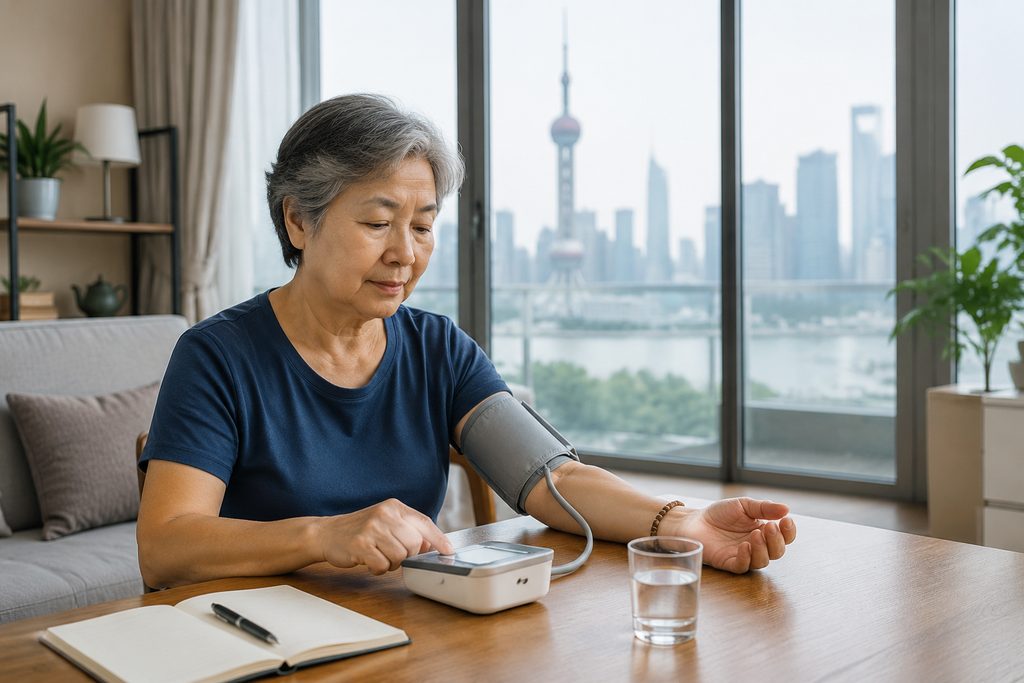
Blood Pressure Management Before Surgery China: What International Patients Need to Know
Have you ever wondered whether your blood pressure reading could delay or cancel a surgery you’ve been waiting months to schedule? For international patients planning procedures abroad, blood pressure management before surgery China is not a side detail — it is often the single factor that determines whether you clear the preoperative clearance or get turned away at the anesthesia consult. The short answer: yes, you can have surgery in China with high blood pressure, provided it is controlled, documented, and stable before your operation date.
But “controlled” means something very specific. Anesthesiologists in Chinese top-tier hospitals follow international preoperative hypertension guidelines, and they will look at more than a single reading. They want trends, medication lists, and evidence that your pressure has been within an acceptable range for weeks, not hours.
This guide explains what those targets are, how to prepare from abroad, what to expect at Chinese hospitals, and what it costs. We work with international patients every week who arrive with hypertension — some well-prepared, some not. The difference in experience is stark. Let’s get you into the first group.
Blood Pressure Management Before Surgery: The Short Answer
For most elective surgeries, your blood pressure should be below 180/110 mmHg on the day of your preoperative assessment. That is the hard ceiling. Below 160/100 mmHg is safer, and below 140/90 mmHg is ideal if you can achieve it without delaying necessary treatment.
The caveat: a single reading above 180/110 mmHg will very likely postpone your surgery. Chinese anesthesiologists at major centers like Peking Union Medical College Hospital and Zhongshan Hospital follow strict protocols here. They are not being difficult — operating on a patient with uncontrolled severe hypertension raises the risk of stroke, heart attack, and excessive bleeding during the procedure. No reputable hospital will accept that risk for an elective case.
Who This Is Right For — and Who It Isn’t
Planning surgery abroad with hypertension is reasonable for many patients. It is not reasonable for everyone.
Good candidates typically include:
- Patients with stage 1 hypertension (130–139/80–89 mmHg) who are stable on one or two medications
- Patients with stage 2 hypertension (140–179/90–109 mmHg) who have been on a consistent regimen for at least 4–6 weeks and can document their home readings
- Patients whose primary care doctor has cleared them for surgery in principle, with a written letter summarizing their cardiac risk
- Patients who can arrive in China 3–5 days before their scheduled surgery for a face-to-face anesthesia evaluation
Who should not rush into surgery abroad:
- Anyone with blood pressure consistently above 180/110 mmHg despite medication — this needs urgent medical attention at home first
- Patients with newly diagnosed hypertension and no medication history — you need a stabilization period before any elective procedure
- Patients with recent cardiac events (heart attack, stent, stroke within 6 months) — most Chinese hospitals will require cardiology clearance first
- Anyone whose home blood pressure monitor has not been calibrated or who has “white coat hypertension” but no home readings to show
Being honest about where you fall on this spectrum saves you a wasted trip. We have seen patients fly to Shanghai only to have their surgery postponed because they could not produce a single documented home reading. That is a preventable outcome.
The Options, Compared
When you have high blood pressure and need surgery, you essentially have three paths. Here is how they compare for international patients considering China:
| Factor | Public Top-Tier Hospital (International VIP) | Private International Hospital | Public Hospital (Standard Route) |
|---|---|---|---|
| Preoperative BP clearance | Strict, follows international guidelines; anesthesia consult in English available | Strict but more flexible scheduling; Western-trained anesthesiologists often on staff | Strict; limited English support; longer waits for anesthesia consult |
| Cost of surgery (e.g., hernia repair) | $6,000–$15,000 | $12,000–$25,000 | $3,000–$7,000 |
| Wait time for surgery after clearance | 3–10 days | 2–7 days | 1–4 weeks |
| English-speaking staff | Yes, in international department | Yes, throughout | Rarely |
| Hypertension management during stay | Cardiology consult available on request | Integrated into care plan | Available but communication-dependent |
| Insurance direct billing | Usually no — pay upfront, claim later | Often yes | No |
Which column suits you depends on your budget and your comfort with communication. If your hypertension is well-controlled and you have a complete medical record in English, the public top-tier international VIP route offers excellent clinical quality at roughly one-third the cost of a private international hospital. If you want the smoothest possible experience with zero language friction, the private route is worth the premium.
What Chinese Anesthesiologists Actually Check Before Clearing You
This is the section that answers a question most articles skip: what exactly happens at the preoperative anesthesia evaluation in a Chinese hospital when you have hypertension?
You will not be cleared based on a single blood pressure reading. The anesthesiologist will review three things: your documented home readings over the previous 2–4 weeks, your current medication list with dosages, and any prior anesthesia records you can provide. If you arrive with a spreadsheet of morning and evening readings — even a simple one — you have just made the anesthesiologist’s job dramatically easier. If you arrive with nothing but a verbal claim that “it’s usually fine,” expect a delay.
Medication timing matters. Most Chinese anesthesiology departments follow the same rule as Western centers: continue your antihypertensive medications on the morning of surgery with a small sip of water, unless specifically told otherwise. ACE inhibitors and ARBs are sometimes held the morning of surgery due to the risk of intraoperative hypotension, but this is decided case by case. Beta-blockers are almost always continued. Do not make this decision yourself — bring your medication list and let the anesthesia team instruct you.
One more thing international patients often miss: Chinese hospitals will want an ECG and basic blood work (electrolytes, creatinine) before clearing you. If you have had these done at home within the past 3 months, bring the reports. It can save you a day of repeat testing.
How to Control High Blood Pressure Before an Operation When You’re Traveling
Traveling to another country for surgery adds variables that can push your blood pressure up: long flights, jet lag, unfamiliar food, stress. Here is what actually works for keeping your numbers stable in the days before your operation in China.
First, keep taking your medications exactly as prescribed, adjusting for time zones carefully. If you take a morning dose at 8:00 AM in London, take it at 8:00 AM local time in Shanghai — do not try to “convert” the time. Missing a dose because you were calculating time zones is one of the most common causes of preoperative hypertension we see in international patients.
Second, watch the sodium. Chinese hospital food and restaurant meals can be high in sodium, which directly affects blood pressure. When you arrive, request low-sodium meals at your hotel or accommodation. Most international patient coordinators can arrange this with a note to the kitchen. If you are staying in a hotel before admission, ask for steamed or boiled dishes rather than stir-fried or braised options.
Third, manage the stress. This sounds obvious, but the 48 hours before surgery are when many patients see their readings spike. You are in a new city, navigating a foreign hospital system, and facing a procedure. A bilingual medical companion who speaks the local language and knows the hospital layout removes a significant portion of that stress. It is not a luxury — for patients with hypertension, reducing preoperative anxiety is part of blood pressure management.
What It Costs: Surgery Abroad with High Blood Pressure
The cost of surgery abroad with high blood pressure is not meaningfully different from the cost of the same surgery without hypertension — unless your blood pressure is uncontrolled and causes delays. That is the cost most patients do not budget for: extra nights in a hotel, rescheduled surgery slots, repeat anesthesia consults, and extended time away from work.
Here are reference figures for common procedures at Chinese top-tier public hospitals (international VIP department), as of 2026:
| Procedure | Estimated Cost in China (Public Top-Tier, International VIP) | Typical US Cost |
|---|---|---|
| Laparoscopic hernia repair | $6,000–$12,000 | $40,000–$80,000 |
| Gallbladder removal | $7,000–$14,000 | $35,000–$70,000 |
| Knee arthroscopy | $8,000–$16,000 | $25,000–$50,000 |
| Thyroidectomy | $8,000–$18,000 | $30,000–$60,000 |
These figures vary by hospital and case complexity. They include the surgery itself, standard hospital stay, and basic preoperative testing. They do not include flights, accommodation, visa fees, or a bilingual medical companion. A companion typically costs from $300 per day and covers registration, queueing, payment, interpretation, and navigation — tasks that become significantly harder when you are also managing your blood pressure.
One cost-related note: if your hypertension requires a cardiology consult before surgery clearance, that adds roughly $100–$300 for the consultation at a public top-tier hospital. It is a small line item compared to the cost of a postponed surgery.
Practical Considerations: Records, Visa, and Follow-Up for Hypertensive Patients
For international patients with hypertension, the paperwork matters as much as the medicine. Chinese hospitals will not proceed without documentation.
Medical records to bring: a letter from your primary care physician summarizing your hypertension history, current medications with dosages, and a statement that you are cleared for elective surgery; a 2–4 week home blood pressure log; recent ECG (within 3 months); recent basic blood work including creatinine and potassium; and any prior anesthesia records if you have had surgery before. If any of these are missing, expect delays at the preoperative evaluation.
Visa: For medical treatment in China, foreign patients use the S2 visa, which is issued for short-term private affairs including medical treatment. Family members accompanying you also apply for S2. The M visa is for commercial and trade activities and is not appropriate for medical travel. You will need supporting documents from the hospital — typically an invitation letter or treatment confirmation — to apply. Requirements change, so check with the nearest Chinese embassy or consulate before booking flights.
Payment: Public top-tier hospitals in China require upfront payment for the estimated surgery cost. International insurance is usually reimbursed after the fact, not billed directly. Private international hospitals like United Family and Jiahui often do offer direct insurance billing. If you are using insurance, confirm with your insurer before departure whether your policy covers surgery in China and what documentation they require.
Follow-up after returning home: Chinese hospitals will provide a discharge summary in English if you request it. Bring this to your primary care physician. If your blood pressure medication needs adjustment after surgery, your home doctor should handle that — do not rely on long-distance medication changes from the Chinese team. The relationship ends at discharge, and that is normal.
One more practical note: Chinese public hospitals are enormous. A single-day outpatient volume at a top-tier hospital can exceed 10,000 patients. Without Chinese language ability, even simple tasks like collecting a blood test result or finding the correct anesthesia consult room become multi-hour ordeals. This is precisely where a bilingual medical companion earns their fee — and for hypertensive patients, the stress reduction alone can keep your pre-op readings where they need to be. You can review our ranked hospital database to see which centers offer international departments with English support.
Best Hospital for Surgery with Hypertension in Shanghai
If you are specifically looking for the best hospital for surgery with hypertension Shanghai, the conversation usually starts with two names: Zhongshan Hospital Fudan University and Ruijin Hospital. Both are ranked among China’s top-tier hospitals, both have international departments with English-speaking staff, and both have strong cardiology and anesthesiology departments that routinely manage hypertensive surgical patients.
Zhongshan Hospital is particularly known for its cardiology and cardiac surgery programs, which means its anesthesiology team handles hypertensive patients at high volume. Ruijin Hospital has a similarly strong reputation, especially for endocrine and metabolic conditions — relevant if your hypertension is linked to thyroid or adrenal issues. For private international options in Shanghai, Jiahui and United Family offer Western-style care with English throughout, at a higher price point.
Shanghai is also one of the most accessible cities for international patients — direct flights from most major hubs, good hotel infrastructure, and a large expatriate community. If you are weighing Shanghai against Beijing or Guangzhou, the clinical quality is comparable at the top tier; the practical differences come down to flight routes and personal preference. You can explore our Shanghai hospital guide for a fuller picture.
Frequently Asked Questions
Yes, if your blood pressure is controlled and documented. Chinese anesthesiologists generally require readings below 180/110 mmHg on the day of surgery, with a preference for below 160/100 mmHg. Uncontrolled severe hypertension will result in postponement — this is standard practice, not a China-specific restriction.
The guidance used in Chinese top-tier hospitals aligns with international standards: continue antihypertensive medications up to the morning of surgery (with possible exceptions for ACE inhibitors and ARBs, decided by the anesthesia team), maintain blood pressure below 180/110 mmHg, and provide a recent ECG and basic blood work. Bring a 2–4 week home blood pressure log to your preoperative evaluation.
Not directly. The surgery itself is priced the same. What changes is the risk of additional costs if your blood pressure is uncontrolled: extra preoperative consultations, a cardiology clearance visit ($100–$300), extended hotel stays, and rescheduled surgery slots. Controlled hypertension adds no meaningful cost.
The anesthesia team will likely postpone the surgery. You will be asked to follow up with a cardiologist, adjust your medication if needed, and return for a new clearance evaluation. This is why arriving 3–5 days before your scheduled surgery is strongly advised — it gives you time to stabilize and address any issues before your operation date.
You need an S2 visa for medical treatment, with supporting documents from the hospital confirming your treatment plan. Family members accompanying you also apply for S2. The M visa is for commercial activities and is not appropriate for medical travel. Visa requirements change, so confirm details with the Chinese embassy or consulate in your country before departure.
Your Next Step
Blood pressure management before surgery in China comes down to preparation: document your readings, bring your records, arrive early, and keep taking your medication. The hospitals are excellent, the costs are significantly lower than in the United States or Europe, and the anesthesia teams follow the same international standards you would expect at home. But the system is not forgiving of missing documentation or last-minute surprises.
We are China Medical Services, and we help international patients navigate the Chinese healthcare system — from hospital matching and appointment coordination to bilingual companionship
For more medical information and treatment options in China, visit chinamedservices.com (China Medical Services).
