Flying After Heart Surgery: Safe Timelines for International Patients
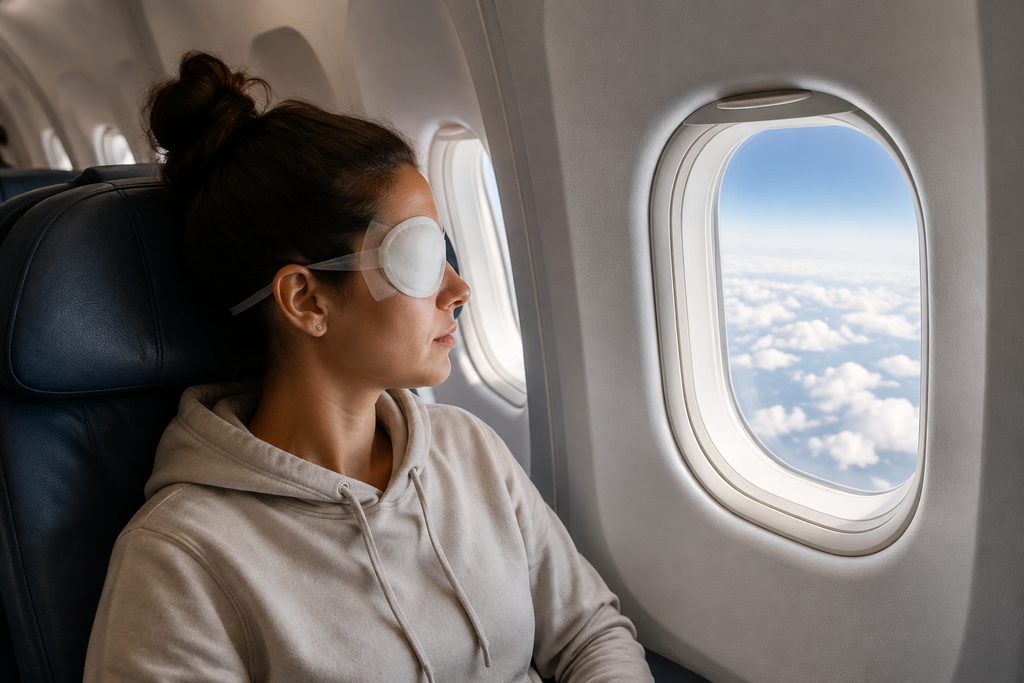
Flying After Heart Surgery: Safe Timelines for International Patients
Every year, roughly 2 million people worldwide undergo open-heart surgery. A substantial share of them board a commercial aircraft within weeks of discharge. The question is not whether they can fly. It is whether they should. Heart surgery recovery time before flying is a clinical decision, not a travel preference. Most cardiac surgeons in China and abroad agree on a baseline window of 10 to 14 days for uncomplicated cases. But that number shifts dramatically depending on the procedure, the patient’s ejection fraction, and whether the flight crosses multiple time zones.
If you are reading this from a hospital room in Shanghai or a hotel near Fuwai Hospital in Beijing, you are likely asking a more specific version of the question: “Can I fly home after heart surgery, and when?” This article gives you the honest answer, with the numbers cardiac teams actually use.
How This Actually Works, Step by Step
You do not simply walk out of the hospital and onto a plane. The sequence is more deliberate. Here is what happens between discharge and departure.
First, your surgical team in China reviews your postoperative echocardiogram, chest X-ray, and blood work. They look for three things: stable heart rhythm, no pericardial effusion, and acceptable oxygen saturation at rest. If those check out, they issue a fit-to-fly certificate. This document matters. Airlines may ask for it. More importantly, your home cardiologist will want it.
Second, you schedule a follow-up appointment before leaving China. Most cardiac surgery programs at top-ranked Chinese hospitals require a wound check and medication adjustment at day 7 to 10 post-surgery. You attend that appointment, get your INR or antiplatelet regimen confirmed, and only then consider booking a flight.
Third, you arrange ground logistics. Long walks through airport terminals, lifting luggage, and standing in security lines are all cardiovascular stressors. Our team typically advises international patients to use wheelchair assistance at the airport for the first flight home, even if they feel strong. It reduces myocardial oxygen demand during a vulnerable window.
Fourth, you fly with a plan. Compression stockings, prescribed anticoagulants taken on schedule, and a seat with legroom. Aisle seats let you stand and walk every two hours. That is not comfort advice. That is deep vein thrombosis prevention after surgery.
What Cardiac Surgeons Actually Recommend for Flying After Heart Surgery
The 10-to-14-day guideline comes from a real physiological concern: trapped air. During open-heart surgery, small amounts of air can remain in the chest cavity. If you ascend to cabin altitude (typically 6,000 to 8,000 feet of equivalent pressure) before that air reabsorbs, it expands. Expansion inside the chest can cause pain, shortness of breath, and in rare cases, tamponade. That is why most surgeons want a clean chest X-ray before clearing you to fly.
For coronary artery bypass grafting, the sternum is wired shut. The bone takes 6 to 8 weeks to heal. Flying itself does not break the sternum. But turbulence, lifting a carry-on, or a sudden brace against the seat in front of you can. So the real constraint is not altitude. It is mechanical stress on a healing sternum. That is why many surgeons say: fly at 2 weeks if the flight is under 4 hours. Wait 4 weeks if it is long-haul.
Valve surgery adds another layer. Mechanical valve recipients need stable INR before flying. A long flight with erratic anticoagulation is a stroke risk. Bioprosthetic valve recipients heal faster but still need echocardiographic confirmation of valve function before departure. So when patients ask how soon can I travel internationally after open heart surgery, the honest answer is: it depends on the valve type and the anticoagulation plan.
Minimally invasive cardiac procedures change the math. A transcatheter aortic valve replacement through the groin has no sternotomy. Some patients fly home within 5 to 7 days. But those are selected cases, not the norm.
A Realistic Timeline for Flying Home After Heart Surgery in China
If you came to China for cardiac surgery, your timeline looks something like this. These are ranges, not promises. Individual recovery varies.
| Stage | Typical Duration | What Happens |
|---|---|---|
| Surgery and ICU | Day 0 to Day 2 | Procedure, extubation, initial hemodynamic monitoring. |
| Ward recovery | Day 3 to Day 7 | Mobilization, drain removal, medication titration. |
| Discharge | Day 7 to Day 10 | For uncomplicated CABG or single valve. Complicated cases stay longer. |
| Post-discharge observation | Day 10 to Day 14 | Hotel stay near hospital, wound check, repeat labs, fit-to-fly certificate. |
| Domestic or short-haul flight | Day 14 to Day 21 | Under 4 hours, with medical clearance. |
| Long-haul international flight | Day 21 to Day 42 | Over 6 hours. Most surgeons prefer 3 to 4 weeks minimum. |
| Return to normal activity | Week 6 to Week 12 | Sternal healing complete, cardiac rehab begins. |
Notice what is missing from this table: the waiting steps before surgery. Document translation, visa processing, hospital appointment lead time. Those add 2 to 6 weeks before you ever see an operating room. If you are planning cardiac surgery packages for international patients China, build that pre-operative runway into your schedule. You cannot compress it.
What Can Go Wrong — and What Happens Then
Atrial fibrillation after cardiac surgery occurs in 20 to 40 percent of patients. It usually appears between day 2 and day 5. If you are in AFib at your day-10 check, your surgeon will not clear you to fly. You stay. Medication is adjusted. You fly when rhythm stabilizes. That might add a week. It is not a failure. It is normal postoperative course.
Pleural effusion is another common delay. Fluid collects around the lung. It shows up on X-ray. If it is significant, you need drainage before flying. Cabin pressure changes make effusions more symptomatic. So the fit-to-fly certificate gets postponed. This is exactly why we tell patients to book refundable or changeable flights. Do not lock yourself into a non-refundable ticket on day 10.
Sternal wound infection is rare but serious. Incidence runs 1 to 3 percent. If it happens, you are not flying for weeks. Treatment requires antibiotics, possibly wound vac therapy, and close follow-up. This is the scenario where having a local care coordinator matters most. You need someone who can extend your hotel, rebook your flight, and get you back into the hospital’s outpatient clinic without waiting in a public queue.
Choosing Where to Recover: Hospital Proximity and Flight Logistics
Where you have surgery shapes when you can fly home. A patient who has CABG at Fuwai Hospital in Beijing and then flies to Frankfurt faces a 10-hour flight. A patient who has the same operation in Shanghai and flies to Singapore faces 5 hours. The longer the flight, the more conservative your surgeon will be about clearance.
This is one reason some international patients choose Shanghai for cardiac surgery. The city has multiple top-tier cardiac centers, and it is a major aviation hub with direct flights to Europe, the Middle East, and Southeast Asia. Shorter flight options mean earlier feasible departure. If you are searching for the best heart hospital in Shanghai for foreigners, you are likely also thinking about the exit strategy. That is smart. Recovery and departure logistics are part of the same plan.
But do not choose a hospital based on airport proximity alone. Surgical volume and outcomes matter more. China’s leading cardiac centers perform thousands of procedures annually. Fuwai Hospital alone reports over 14,000 cardiac surgeries per year. That volume translates into experienced teams and standardized postoperative protocols. Those protocols are what get you home safely.
Practical Considerations: Records, Visa, Payment, and Follow-Up
Before you fly, get your medical records in order. You need a discharge summary in English, a copy of your operative report, your medication list with generic drug names, and your fit-to-fly certificate. Ask for these before discharge. Obtaining them later from overseas is slow and frustrating.
Visa timing matters. Foreign patients receiving medical treatment in China typically enter on an S2 visa with a treatment annotation. The visa has a maximum stay. If your recovery extends beyond that stay, you need an extension. That requires hospital documentation and a trip to the local exit-entry administration. Our team handles this for patients. But understand: it is a real constraint. Do not assume you can simply stay longer because your surgeon says so.
Payment is another pre-departure task. Public hospitals in China require prepayment for surgery. International insurance policies often reimburse after the fact. Before you fly home, make sure your hospital bill is settled and your insurance claim is filed. You do not want to chase a Chinese hospital billing department from another continent.
Follow-up at home is non-negotiable. Your home cardiologist needs to see you within 2 weeks of your return. Bring all records. Bring a translated medication list. And make sure your Chinese surgical team has a way to communicate with your home team if questions arise. A written second opinion from your Chinese surgeon can smooth this handoff.
Frequently Asked Questions
For uncomplicated coronary artery bypass grafting, most surgeons clear patients for short flights (under 4 hours) at 2 weeks post-discharge. Long-haul flights typically require 3 to 4 weeks. The main constraints are sternal healing and the risk of deep vein thrombosis. Your surgeon’s written clearance is mandatory before booking.
International travel after open heart surgery generally requires a minimum of 2 to 3 weeks for short flights and 4 to 6 weeks for flights over 6 hours. The decision depends on your ejection fraction, heart rhythm stability, chest X-ray findings, and whether you had valve replacement or bypass. There is no universal number. Your postoperative course dictates the timeline.
Heart valve replacement surgery cost in China at top public hospitals typically ranges from $15,000 to $30,000 for a single valve, depending on whether it is mechanical or bioprosthetic. The same procedure in the United States often exceeds $120,000. Private international hospitals in China charge more, typically $40,000 to $60,000. These are ranges, not quotes. Final cost varies by hospital and case complexity.
You stay in China until your surgeon clears you. That means extending your hotel, adjusting your visa if necessary, and rebooking your flight. This is why we strongly advise refundable tickets and a contingency budget of 1 to 2 extra weeks. Complications like atrial fibrillation or pleural effusion are common and usually resolve with time and medication. They delay departure; they rarely prevent it permanently.
Flying with a mechanical valve is safe once your INR is stable in the therapeutic range. That usually takes 1 to 2 weeks after surgery. During the flight, take your anticoagulant exactly on schedule. Stand and walk every 2 hours. Avoid alcohol, which interferes with warfarin metabolism. If your INR is erratic, do not fly until it stabilizes.
Your Next Step
Recovery after heart surgery is not a race to the airport. It is a sequence of clinical checkpoints. China Medical Services helps international patients navigate those checkpoints — from hospital selection to discharge paperwork to fit-to-fly clearance. We do not perform surgery and we do not make medical decisions. We coordinate the logistics around your care. If you are considering cardiac surgery in China or are already recovering here, request a free consultation and we will walk through your specific timeline.
For more medical information and treatment options in China, visit chinamedservices.com (China Medical Services).
