Medical Translation for Middle East Patients: Bridging the Language Gap in Chinese Hospitals
Medical Translation for Middle East Patients: The Short Answer
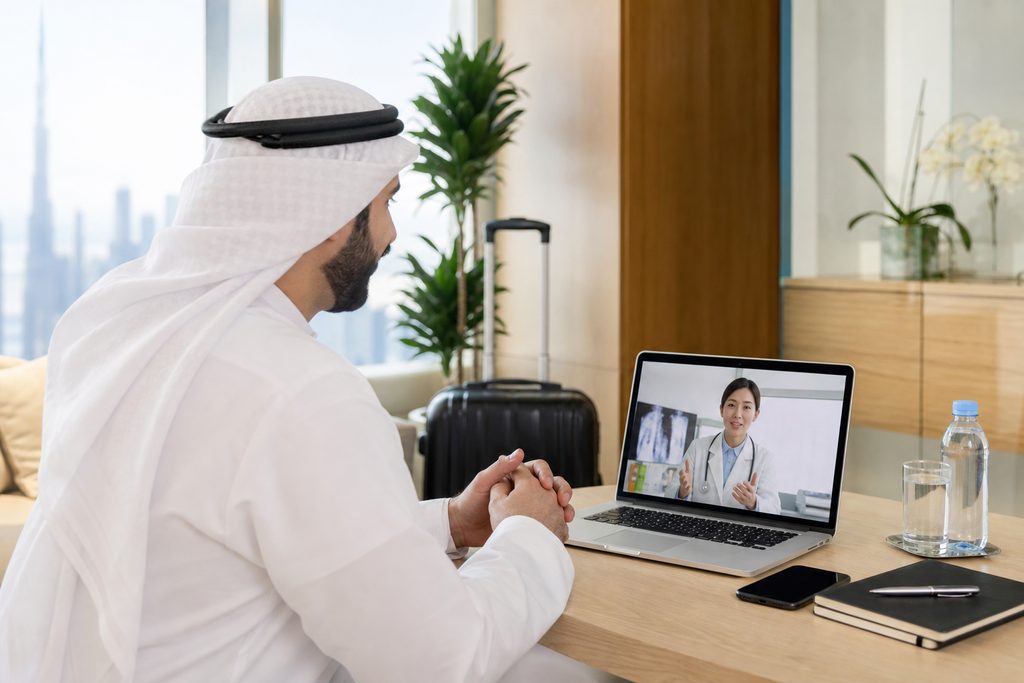
Professional medical translation is the single most important service Middle East patients need when seeking care in China. Without accurate Arabic-to-Chinese and Chinese-to-Arabic translation of medical records, diagnoses, and treatment plans, the entire journey stalls. The cancer treatment cost China advantage means nothing if your oncologist in Shanghai cannot read your biopsy report from Riyadh.
China’s top hospitals treat thousands of international patients annually. But Arabic-speaking patients face a unique hurdle. Chinese medical staff rarely speak Arabic. English proficiency varies widely, even in major cities. A translator who understands both oncology terminology and hospital workflows changes everything.
Who This Is Right For — and Who It Isn’t
Medical translation support in China serves a specific profile of patient. Being honest about who benefits and who doesn’t saves everyone time and money.
Typically a good candidate:
- Arabic-speaking patients with complex conditions — oncology, cardiac surgery, organ failure — where precise terminology matters
- Patients carrying medical records in Arabic who need them converted to Chinese for hospital review
- Family members who need to understand what doctors are saying during consultations, not just receive a summary afterward
- Patients from GCC countries, Iraq, Jordan, Lebanon, Egypt, and North Africa who prefer Arabic-language support throughout treatment
Who should reconsider:
- Patients fluent in English or Chinese — hospitals in Beijing and Shanghai have English-speaking international departments
- Those seeking treatment for minor conditions where a short consultation suffices
- Patients unwilling to travel with a translator or use remote interpretation services
Translation is a tool. It works when the medical case justifies the coordination effort.
The Options, Compared
Middle East patients have three realistic paths for handling medical translation during treatment in China. Each carries different costs, accuracy levels, and logistical demands.
| Option | Typical Cost | Accuracy for Medical Terms | Best For |
|---|---|---|---|
| Hospital-provided interpreter | $50–150 per session | Moderate — varies by hospital | Short consultations, follow-up visits |
| Independent medical translator (freelance) | $30–80 per hour | High if specialized | Document translation, scheduled appointments |
| Full-service medical concierge with translation | from $300 per day | High — trained in hospital workflows | Entire treatment journey, surgery coordination |
The right column depends on your case complexity. A patient coming for a second opinion on cancer treatment cost China might only need document translation. Someone planning cardiac surgery needs continuous interpretation across multiple departments, labs, and billing offices. That’s where a dedicated bilingual companion earns its fee.
Why Arabic Medical Translation in China Is Different From Regular Translation
Standard translation services fail in Chinese hospitals. Here’s the problem. A general Arabic-Chinese translator can handle hotel bookings and restaurant menus. But when a cardiologist at Zhongshan Hospital says “left anterior descending artery stenosis with fractional flow reserve of 0.72,” the translator must render that precisely in Arabic. One wrong anatomical term changes the surgical plan.
Medical translation in this context involves three layers. First, written records — your complete file from hospitals in Saudi Arabia, UAE, Qatar, or Kuwait converted into Chinese for the receiving hospital. Second, live interpretation during consultations, ward rounds, and pre-operative briefings. Third, post-discharge documents — discharge summaries, prescriptions, and follow-up instructions translated back into Arabic for your doctors at home.
Many Middle East patients ask us: is China good for medical treatment for Arabic speakers specifically? The medical quality is excellent. The language barrier is real. Translation closes that gap.
What Medical Translation Actually Costs for Middle East Patients
Translation fees in China vary widely. Independent freelancers charge $30–80 per hour, but verifying their medical credentials is difficult. Hospital-provided interpreters cost less per session but may lack Arabic fluency — many hospitals only offer English interpretation. A full-service bilingual medical companion starts at $300 per day, covering document translation, appointment interpretation, and navigation support.
What’s included in the higher fee? A companion who understands hospital registration systems, knows where the imaging department is, can read the queue numbers, and translates both the doctor’s words and the unspoken context — like whether a test result is concerning or routine. That contextual layer matters enormously for Middle East patients unfamiliar with Chinese hospital procedures.
Document-only translation for a complete medical file typically runs $100–300 depending on volume. A written second opinion from a top specialist costs $300–500, which includes translation of your records into Chinese and the specialist’s opinion back into Arabic or English.
Practical Considerations: Records, Visas, and Follow-Up
Before you book a flight, organize your medical records. Hospitals in China require a complete file: imaging reports, lab results, pathology slides, operative notes, and current medication lists. All of it needs certified translation. Arabic originals without Chinese translations will delay your consultation by days or weeks.
The medical visa China for patients process uses the S2 category for short-term medical treatment, with S1 for stays exceeding 180 days. Family members accompanying you apply under the same S2 category. The visa application requires a hospital invitation letter — which means you need to secure hospital acceptance before applying. Translation of your records happens first, then hospital review, then the invitation letter, then the visa.
Payment methods matter too. Chinese public hospitals require pre-payment for treatment, with insurance reimbursement handled afterward. Most Middle East patients use international insurance or self-pay. Bring a credit card that works internationally, or arrange for wire transfers before arrival.
After returning home, your local doctors need discharge summaries and medication instructions in Arabic. Arrange for this translation before leaving China. Getting Chinese medical documents translated back in the Middle East is harder than doing it while you’re still there.
Finding the right doctor starts with understanding how Chinese hospital systems work. Our guide on top-ranked hospitals across China’s major cities explains the tiers and specialties. If you’re weighing how to find a doctor in China for foreigners, start with the specialty you need, then narrow by city and hospital ranking.
Frequently Asked Questions
Very few do. Most international departments in Beijing and Shanghai offer English interpretation. Arabic-speaking medical staff are rare, even in major hospitals. You should plan on bringing your own Arabic translator or hiring one locally through a medical concierge service.
For daily interpretation during a two-week stay, budget $3,000–5,000 for a dedicated bilingual companion. Document translation adds $100–300 upfront. Hospital-provided English interpretation costs less but won’t serve Arabic-speaking patients directly.
Translation errors in medical settings can lead to misdiagnosis or wrong treatment plans. This is why using a translator with verified medical terminology training matters. Reputable services carry professional liability and maintain quality protocols. Ask about their error-correction process before hiring.
For basic navigation — reading signs, ordering food — translation apps work. For medical consultations, no. Apps cannot reliably translate complex medical terminology between Arabic and Chinese, and they fail completely with dialect variations common across the Middle East. Human translators remain essential for clinical accuracy.
Yes, but with preparation. Zhongshan Hospital and other top cardiac centers accept international patients through their international departments. The process requires translated records, a confirmed appointment, and an S2 visa. A bilingual companion who understands both Arabic and Chinese hospital procedures makes the experience significantly smoother.
Your Next Step
Medical translation is not a luxury for Middle East patients coming to China. It’s the infrastructure that makes everything else possible — accurate diagnosis, informed consent, safe treatment, and clear follow-up care. The China Medical Services team helps Arabic-speaking patients coordinate translation, hospital selection, and on-the-ground support. We are not a hospital and we do not provide diagnoses. We connect you with the right medical expertise and make sure you understand every word along the way.
If you’re considering treatment in China and need to know where to start, request a free consultation. Tell us your diagnosis, your records situation, and your language needs. We’ll help you map out the path forward — clearly, in Arabic or English, with no pressure and no obligation.
For more medical information and treatment options in China, visit chinamedservices.com (China Medical Services).
