Aftercare: Your Recovery Roadmap for Surgery in China
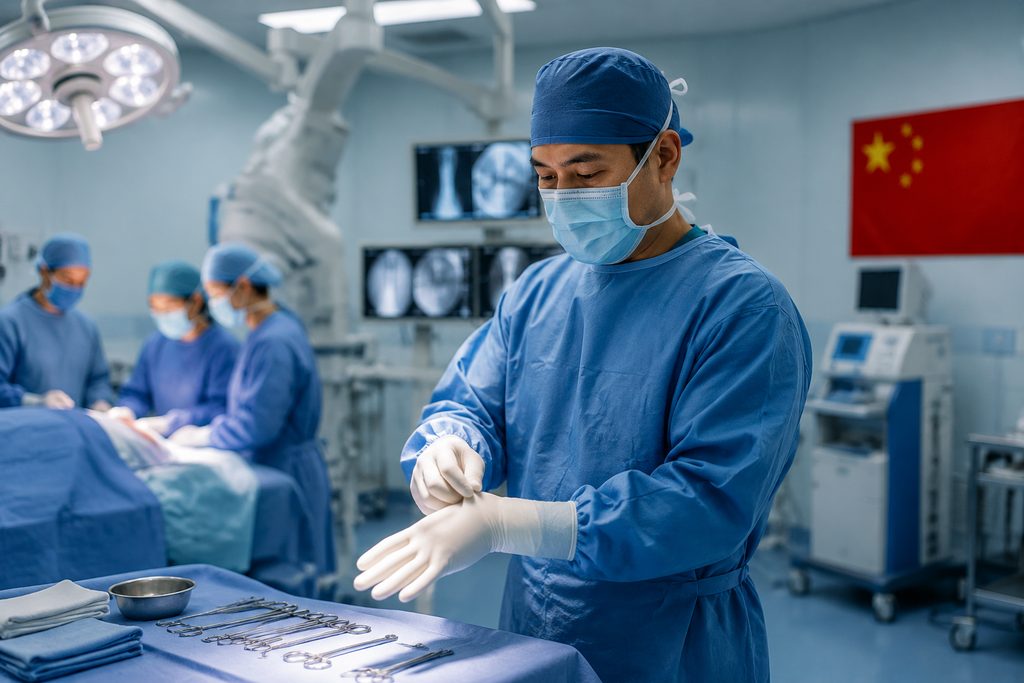
While patients in Canada wait a median 28.6 weeks for orthopedic surgery, surgeons at Beijing Jishuitan Hospital routinely perform over 300 joint replacements per month. The operation is one chapter. Recovery is the book. For international patients weighing treatment abroad, the question rarely stops at “can you fix it” — it extends to “what happens after I wake up.” Understanding heart surgery recovery time in China — or recovery for any major procedure — means planning for days, weeks, and months that follow the operating room.
China’s top hospitals discharge patients faster than many Western centers, but that does not mean recovery ends at the hospital gate. It shifts. To a hotel room, a serviced apartment, or a rehabilitation facility. And that transition is where preparation pays off.
Aftercare in China: The Short Answer
For a typical open-chest cardiac procedure, plan on 7–14 days in the hospital, followed by 4–8 weeks of supervised recovery before flying home. Hip replacement patients usually stay 3–5 days post-op and can travel after 2–3 weeks, barring complications. These are ranges, not promises. Your surgeon’s protocol, your baseline health, and the specific hospital’s discharge criteria all move the numbers.
The complication most international patients miss is not medical. It is logistical. Where do you stay after discharge? Who changes the dressing? Who calls the surgeon if something feels wrong at 2 a.m.? China’s hospital system assumes family involvement. If your family is 7,000 kilometers away, that assumption collapses.
Who This Is Right For — and Who It Isn’t
Traveling to China for surgery and recovery suits a specific profile. Honest assessment beats enthusiasm here.
Good candidates typically have:
- A confirmed surgical need with a clear postoperative trajectory
- One companion who can stay for at least the first 10 days after discharge
- Budget for 3–6 weeks of accommodation beyond the hospital stay
- Realistic expectations about language barriers outside international hospital wings
- A home physician willing to take over follow-up care after return
Poor candidates include:
- Patients with unstable cardiac or pulmonary status that makes long-haul flights risky
- Anyone needing intensive rehabilitation that requires daily specialized equipment
- Those without a companion and without budget for professional aftercare support
- Patients whose home physicians refuse to manage post-operative complications from abroad
If your recovery will require weeks of wound vac therapy or complex flap monitoring, staying closer to home may serve you better. The savings on surgery evaporate quickly if complications force an emergency medical evacuation.
The Options, Compared
Recovery settings in China fall into three broad categories. Each carries different costs, oversight levels, and comfort profiles.
| Recovery Option | Typical Cost (USD) | Medical Oversight | Best For |
|---|---|---|---|
| International hospital ward (extended stay) | $300–800/day | Daily physician rounds, nursing care | Complex cases needing monitoring |
| Recovery hotel / serviced apartment near hospital | $80–200/night | None on-site; nurse visits arranged separately | Stable patients with a companion |
| Private rehabilitation facility | $150–400/day | Physiotherapy, nursing support, structured programs | Orthopedic and cardiac rehab patients |
Most international patients land in the middle option: a hotel or apartment within 15 minutes of the hospital. It keeps costs manageable while preserving access to the surgical team. The catch is that no one checks on you unless you arrange it.
How Long Is Recovery After Hip Replacement in Shanghai?
Shanghai’s orthopedic hospitals — including those ranked among China’s top 10 for orthopedics — follow enhanced recovery after surgery protocols. That means early mobilization. Patients typically stand within 6–12 hours after a total hip replacement and walk with assistance the next day.
Hospital discharge usually happens on day 3 or 4. Sutures come out around day 10–14, which keeps many international patients in Shanghai for at least two weeks. Light activity resumes at week 3. Flying home is generally approved after the surgeon confirms no signs of deep vein thrombosis — typically at the 2–3 week mark. Full return to normal activity takes 6–12 weeks.
But “discharged” does not mean “recovered.” The first week outside the hospital carries real risk: blood clots, wound infection, dislocation from bending incorrectly. That is why we recommend a professional aftercare arrangement for at least the first 7 days post-discharge.
Medical Tourism Aftercare Package China: What’s Actually Included
Here is where confusion breeds disappointment. Some facilitators market “all-inclusive medical tourism aftercare packages in China” that sound comprehensive but deliver little beyond a hotel booking and a translated discharge summary.
A legitimate aftercare package should specify, in writing:
- Who checks the wound and how often
- What happens if a complication arises after hours
- Whether a nurse or physician is physically present or only available by phone
- Medication procurement and administration support
- Transportation to follow-up appointments
- Language interpretation during any unexpected hospital visit
Ask these questions before you pay. If the answer is “we’ll coordinate as needed,” that is not a package. That is a phone number.
Our team has seen the gap between brochure promises and bedside reality. That is why we encourage patients to understand exactly which services are included before committing to any recovery arrangement in China.
Is Aftercare Included in Medical Tourism in China?
You return to the hospital. Emergency departments in Chinese public hospitals will treat you, but expect language barriers and long waits outside international departments. If your original hospital has a 24-hour international hotline, save it. If not, arrange a bilingual contact who can accompany you to the ER.
Technically yes. Practically, it is unwise for any procedure requiring wound care, mobility restrictions, or medication management. Hospitals assume a family member is present. If you are alone, budget for professional nursing visits and a companion — or reconsider traveling.
Some do. Large hospitals like West China Hospital in Chengdu have dedicated rehabilitation departments that accept international patients. But capacity is limited, and scheduling requires advance coordination. Private rehabilitation facilities in Beijing and Shanghai offer more flexibility at higher cost.
Rarely. Most surgical quotes cover hospital fees only. Accommodation, meals, transportation, and post-discharge nursing are separate line items. Always ask for a written breakdown before committing.
Your Next Step
Recovery after surgery in China is manageable — if you plan for it. The surgery itself may be world-class and dramatically less expensive than at home. But the weeks after discharge determine whether you look back on the experience as a success or a cautionary tale.
We are China Medical Services. We are not a hospital, and we do not provide medical advice or diagnoses. What we do is help international patients understand their options, coordinate aftercare logistics, and connect them with appropriate hospitals for their condition. If you are weighing surgery in China, start with a conversation. A free consultation can clarify what recovery would actually look like for your specific case. No pressure, no obligation — just clear information to help you decide.
Frequently Asked Questions
Yes. The hospitals used for international patients are JCI-accredited and follow the same international safety standards as top hospitals in the US and Europe. Surgical teams perform high volumes of procedures — often more than their Western counterparts — which studies show leads to better outcomes.
Costs vary by procedure and hospital, but international patients typically save 40-80% compared to US prices — even when factoring in travel and accommodation. A consultation with our team will give you an exact, all-inclusive quote with no hidden fees.
Send us your existing medical reports to get started. We handle everything from hospital selection and appointment scheduling to visa assistance and post-operative recovery planning. Your medical records are reviewed by the specialist before you even book a flight.
For more medical information and treatment options in China, visit chinamedservices.com (China Medical Services).
