Aftercare: Keeping Your Doctor Updated After Surgery Abroad
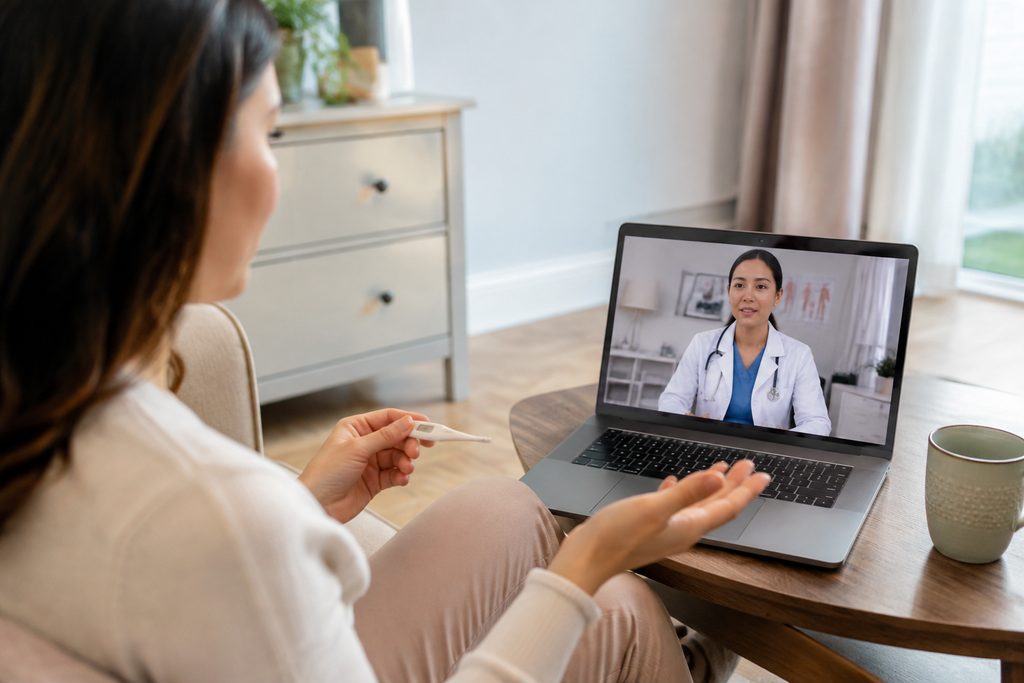
Post Surgery Follow Up Abroad China: A Practical Guide for International Patients
Key Takeaways
- Chinese top-tier hospitals now routinely offer structured remote follow-up programs, with many international departments providing telemedicine reviews at $100–300 per video consultation.
- Your home doctor should receive a translated discharge summary and imaging files within 7–10 days of your procedure — this is the single most important step in continuity of care.
- Language barriers and fragmented record-keeping remain the two biggest risks to effective aftercare. A bilingual coordinator solves both, but you can also manage this yourself with preparation.
- Remote aftercare packages in China typically cost between $300 and $2,000 depending on complexity, surgeon seniority, and whether imaging review is included — a fraction of what a follow-up trip would cost.
Post surgery follow up abroad China is not a single event. It is a structured process that begins the day you leave the hospital and continues for months. Patients who treat aftercare as an afterthought are the ones who end up with gaps in their medical records, miscommunication between doctors, and unnecessary anxiety about whether their recovery is on track.
Here is the reality: a patient from London who has spinal surgery in Shanghai cannot simply pop back for a 15-minute wound check. The flight is 11 hours. The cost is substantial. The disruption to recovery is real. So the follow-up model has to be different. And it is. Chinese hospitals that serve international patients have built remote aftercare systems that most Western patients do not know exist.
The Problem: Your Surgeon Is 9,000 Kilometers Away
Consider the numbers. The global medical tourism market was valued at approximately $115.6 billion in 2022 and is projected to grow at a compound annual rate of 12.3% through 2030, according to Grand View Research. China is capturing a growing share of that market, particularly for orthopedic, cardiac, and oncology procedures where its surgical volume gives it a structural advantage. But volume does not solve the follow-up problem. A patient who returns to Manchester after a knee replacement in Beijing still needs wound checks at week 2, mobility assessments at week 6, and imaging at month 3. That is three touchpoints. Each one requires coordination.
What happens when coordination fails? The patient shows up at their local GP with a discharge summary written in Chinese. The GP cannot read it. The patient cannot translate the medical terminology. The surgeon in Beijing never receives the GP’s observations. The recovery plan stalls. This is not a hypothetical scenario — it is the most common failure point in cross-border surgical care, cited repeatedly in studies on medical tourism outcomes published in journals like Globalization and Health and BMC Health Services Research.
And then there is the anxiety factor. Recovery from major surgery is psychologically demanding. Not knowing whether that swelling is normal or a sign of infection compounds the stress. A 2021 survey of medical tourists published in the International Journal of Travel Medicine and Global Health found that 68% of respondents reported elevated anxiety about post-operative complications after returning home, with lack of direct access to their operating surgeon cited as the primary driver. That is a solvable problem.
Why Chinese Hospitals Are Building Better Remote Aftercare
The short answer: they have to. A hospital that performs 14,000 cardiac surgeries a year — as Fuwai Hospital in Beijing does — cannot rely on in-person follow-up for every patient. The volume forces efficiency. And efficiency in follow-up care means structured telemedicine, standardized reporting, and dedicated international patient coordinators. Western hospitals are adopting similar models, but Chinese hospitals have been doing it at scale for longer because their patient volumes demanded it earlier.
Telemedicine Follow Up After Surgery in China Is Standard, Not an Add-On
Most top-tier Chinese hospitals with international departments — Peking Union Medical College Hospital, Zhongshan Hospital Fudan University, Ruijin Hospital, West China Hospital — offer video consultation as a routine follow-up channel. This is not a special favor. It is a service line. The patient sends recent photos of the surgical site, any new lab results, and a brief written update. The surgical team reviews the materials before the call. Then the patient speaks directly with the surgeon or a senior member of the surgical team for 20–30 minutes. The cost ranges from $100 to $300 for a standard international department video consultation, and $500 to $800 if you need a top-specialist review. These are the published rates for services coordinated through hospital international departments, not third-party markups.
Compare that to the cost of flying back for an in-person check. A round-trip flight from London to Shanghai runs $800–1,500. Hotel for three nights adds $300–600. Hospital visit fees, ground transport, meals — you are looking at $1,500–2,500 minimum. And that is before you account for the physical toll of long-haul travel during recovery. The economics are not close.
Can I Video Call My Surgeon After Medical Tourism China? Yes — With Preparation
Here is how the process actually works. When you are discharged from a Chinese hospital that serves international patients, you should receive a discharge summary in both Chinese and English. This document includes the procedure performed, medications prescribed, wound care instructions, and a recommended follow-up schedule. If the hospital does not provide an English version automatically, ask for one. It is your right as a paying patient, and most international departments will comply.
Before you leave China, confirm three things with your surgical team:
- Who is your designated follow-up contact? Get a name, email address, and WeChat ID if possible. WeChat is the dominant communication platform in Chinese healthcare, and many international departments use it for patient follow-up.
- What is the follow-up schedule? Ask for specific timeframes: wound check at week 2, imaging at week 6, full assessment at month 3. Write these down.
- What platform will be used for video calls? Some hospitals use proprietary telemedicine platforms. Others use Zoom, WeChat video, or international calling. Confirm before you leave so you are not troubleshooting software while recovering.
Once you are home, the video call itself is straightforward. You will need a stable internet connection, good lighting for wound photos, and your list of questions. Send your materials 48–72 hours before the call so the team has time to review them. This is the single most common mistake patients make — sending photos an hour before the call and expecting a thorough assessment.
What a Remote Aftercare Package in China Actually Includes
Most surgical teams recommend structured follow-up for at least 3 months, with touchpoints at week 2, week 6, and month 3. For major procedures — cardiac surgery, spinal fusion, joint replacement — follow-up often extends to 6 or 12 months. Your surgeon will specify a timeline in your discharge summary. Stick to it even if you feel fine. The point of follow-up is to catch problems before you feel them.
Yes, and this is the ideal arrangement. Most international departments will facilitate doctor-to-doctor communication by email or video call. This usually requires your written consent. Some comprehensive aftercare packages include a formal coordination component where the Chinese team sends structured updates to your home physician. If direct communication is not available, the next best option is a detailed written report that you deliver to your home doctor.
For most routine follow-up purposes — wound assessment, medication adjustment, activity progression — remote follow-up is clinically adequate. Studies on telemedicine follow-up after orthopedic surgery, published in journals like the Journal of Bone and Joint Surgery and Telemedicine and e-Health, have found comparable patient satisfaction and complication detection rates between video and in-person follow-up for uncomplicated cases. However, if your surgeon identifies a concern during a video call, you may still need to see a local specialist in person. Remote follow-up is not a replacement for all in-person care — it is a complement.
What does a remote aftercare package price in China include?
Pricing depends on the hospital and the complexity of your case. A basic package at a public hospital international department typically includes 1–2 video consultations and written responses to patient queries, starting around $300
Frequently Asked Questions
Yes. The hospitals used for international patients are JCI-accredited and follow the same international safety standards as top hospitals in the US and Europe. Surgical teams perform high volumes of procedures — often more than their Western counterparts — which studies show leads to better outcomes.
Costs vary by procedure and hospital, but international patients typically save 40-80% compared to US prices — even when factoring in travel and accommodation. A consultation with our team will give you an exact, all-inclusive quote with no hidden fees.
Send us your existing medical reports to get started. We handle everything from hospital selection and appointment scheduling to visa assistance and post-operative recovery planning. Your medical records are reviewed by the specialist before you even book a flight.
For more medical information and treatment options in China, visit chinamedservices.com (China Medical Services).
