Proxy Consultation in China: When You Need More Than a Second Opinion
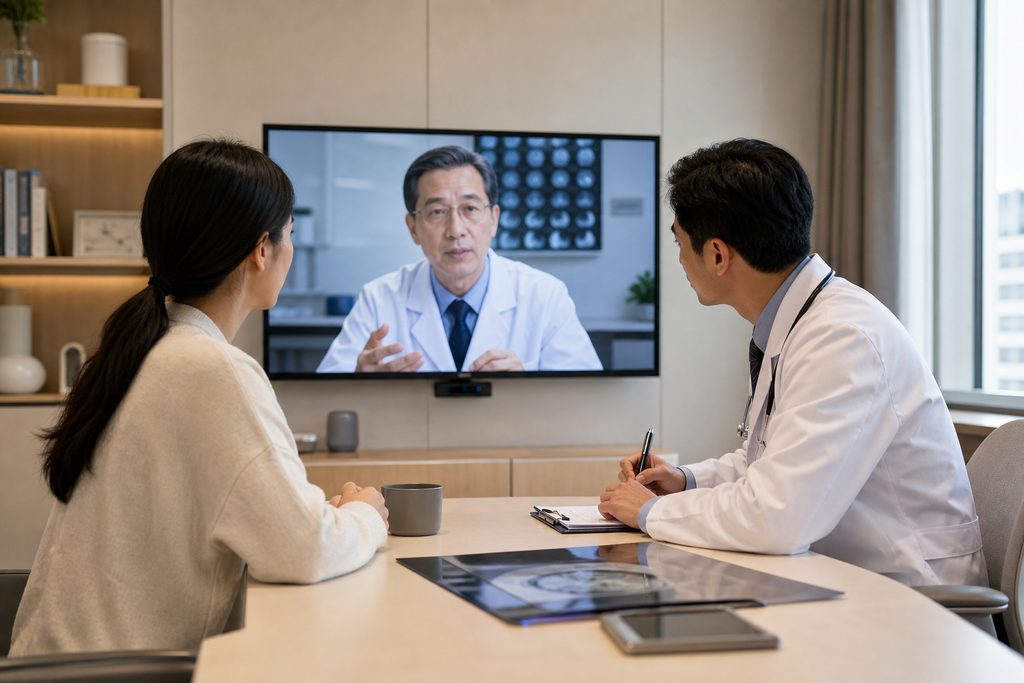
You have a diagnosis. You have scans, lab reports, maybe a pathology slide. What you don’t have is certainty about whether a top Chinese hospital can offer something meaningfully different — a surgical approach, a drug protocol, a clinical trial slot. A written second opinion tells you what a specialist thinks. But sometimes you need someone physically inside the hospital system: pulling records, speaking face-to-face with department heads, comparing treatment plans across two or three institutions. That’s what an in-depth proxy consultation delivers. It’s a heavier lift than a remote review, and it costs more. For complex oncology cases, the difference in decision quality can be substantial. The cancer treatment cost China offers — often 60–80% below US prices — only matters if you know exactly which hospital and department can treat your specific case.
How This Actually Works, Step by Step
The sequence matters. Here’s the real flow from your current position to a usable recommendation.
Step 1: You send us everything. Not summaries — the actual DICOM files from CT or PET-CT, the full pathology report including immunohistochemistry markers, surgical notes if you’ve had a biopsy or resection, current medication list, and a one-page timeline of your diagnosis and treatment so far. Translation into Chinese medical terminology takes 2–4 working days depending on volume.
Step 2: We map your case to specific departments. Oncology isn’t one specialty. A lung cancer case might need thoracic surgery, medical oncology, and radiation oncology input. We identify which of the 340+ top-ranked hospitals in our database have the relevant department strength — checking the Fudan specialist reputation rankings for your exact cancer type.
Step 3: The proxy visit happens. A bilingual coordinator physically goes to the hospital with your translated records. They register a medical card in your name, queue at the target department, and sit with the specialist. The doctor reviews your materials, asks questions, and gives an initial assessment. The coordinator records everything, asks the follow-up questions you’ve pre-approved, and collects any written notes the doctor provides.
Step 4: You get a structured report. Not a transcript. A consolidated document covering: what the specialist recommends, whether they’d accept your case for surgery or systemic therapy, what additional tests they’d require before admission, estimated treatment timeline, and a realistic cost range. Plus the coordinator’s own observations — how busy the department was, whether the doctor seemed genuinely engaged with your case or rushed.
Step 5: Decision point. If the recommendation makes sense, we move to appointment coordination or admission logistics. If it doesn’t, you’ve spent a fraction of what a speculative trip would cost and you know to look elsewhere.
When a Proxy Consultation Beats a Video Call
For an initial assessment and treatment-feasibility review, most departments will review records brought by a coordinator. The patient must appear in person before any actual surgery or admission — that’s non-negotiable in the Chinese public hospital system. The proxy consultation answers “can they treat me and what would it cost” before you commit to travel. It does not replace the mandatory in-person visit.
Then you’ve paid for clarity. That’s a good outcome, not a failure. The proxy consultation report documents the recommendation, which is useful for insurance purposes and for your home oncology team. You’re not obligated to proceed with treatment in China just because you commissioned a consultation.
You approve the translated medical summary before it’s presented. You submit your questions in advance. The coordinator records the consultation (with the doctor’s consent) where permitted, and the final report separates the doctor’s statements from the coordinator’s observations. If a hospital refuses recording, the coordinator takes contemporaneous notes and reviews them with the doctor before leaving the room.
No. No legitimate service can guarantee that. The proxy consultation gives you a specialist’s honest assessment of whether your case fits their department’s capabilities and capacity. Acceptance depends on the in-person consultation, additional testing, and the hospital’s admission rules. What we do guarantee is that if we cannot complete the proxy visit as described, you receive a full refund of the coordination fee.
Your Next Step
An in-depth proxy consultation is the right tool when you need more than a written opinion and less than a blind leap into international travel. It puts someone physically inside the Chinese hospital system asking your questions, comparing your options, and bringing back decision-grade information. If you’re weighing a medical tourism package for cancer treatment China or trying to book an oncology consultation in China, start by sending us your records and a short summary of what you’re trying to find out. Our team at China Medical Services will tell you honestly whether a proxy consultation, a video consultation, or a written second opinion is the right fit for your situation.
Send your records. Get a straight answer. Then decide.
Frequently Asked Questions
Yes. The hospitals used for international patients are JCI-accredited and follow the same international safety standards as top hospitals in the US and Europe. Surgical teams perform high volumes of procedures — often more than their Western counterparts — which studies show leads to better outcomes.
Costs vary by procedure and hospital, but international patients typically save 40-80% compared to US prices — even when factoring in travel and accommodation. A consultation with our team will give you an exact, all-inclusive quote with no hidden fees.
Send us your existing medical reports to get started. We handle everything from hospital selection and appointment scheduling to visa assistance and post-operative recovery planning. Your medical records are reviewed by the specialist before you even book a flight.
For more medical information and treatment options in China, visit chinamedservices.com (China Medical Services).
