Passport Copy Safety for Medical Tourism China: Secure Verification Guide
Passport Copy Safety for Medical Tourism China: The Short Answer
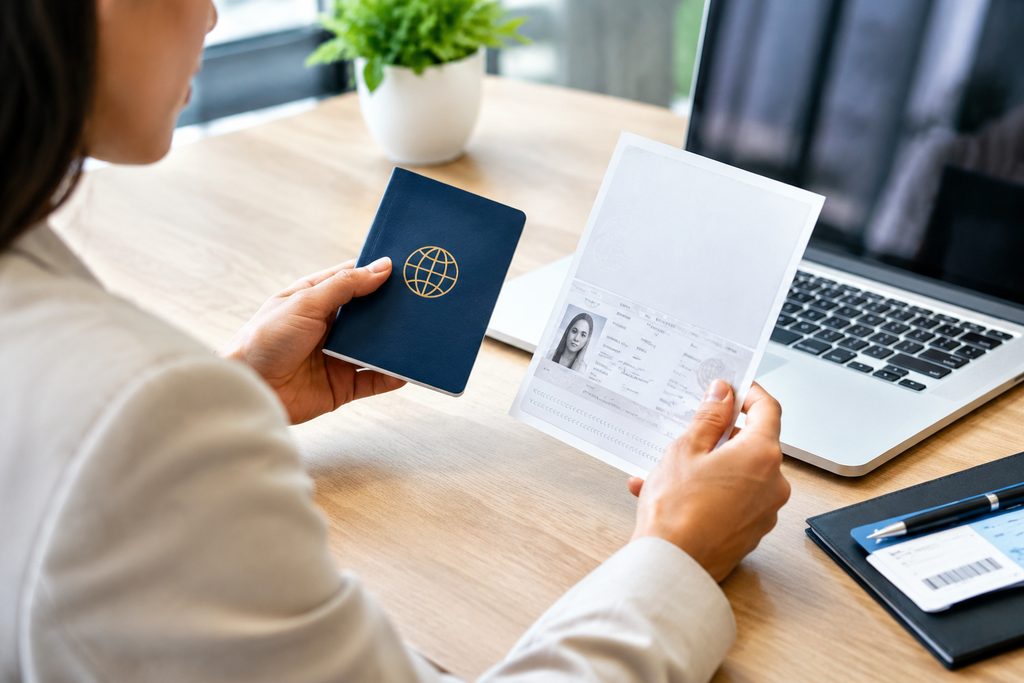
Hospitals in China require a passport copy for registration, visa support letters, and medical record creation. The risk is low when you send it through official hospital channels, but it rises sharply with unverified agents and unencrypted email. According to China’s National Immigration Administration, over 72 million foreigners entered China in 2024, and a growing share sought medical care. The core question is not whether hospitals need your passport copy—they do—but how you control where it goes.
That tension defines everything below. Your passport copy is not optional. But how you send it, what you redact, and who handles it on the ground are choices you can control. And those choices matter more than most patients realize.
Who This Is Right For — and Who It Isn’t
Secure passport verification for surgery abroad works best when you understand the landscape. Here is who should feel reasonably comfortable sending a passport copy to a Chinese hospital, and who should pause first.
Typically good candidates:
- Patients contacting hospitals directly through their official international departments
- Those using a registered medical coordination service with a physical presence in China
- People who need an S2 visa invitation letter, which legally requires the hospital to verify identity
- Patients comfortable with redacting non-essential fields before sending
Who should not rush:
- Anyone contacted by an unsolicited “medical agent” on social media asking for passport copies upfront
- Patients who cannot verify whether the recipient is actually affiliated with a licensed hospital
- Those unwilling to use encrypted channels or password-protected files
Being honest about who should not proceed is what makes the rest of this guide credible. A passport is a high-value identity document. Treating it casually is how problems start.
The Options, Compared
Not all passport copy transmission methods carry the same risk. Here is a direct comparison of the channels international patients actually use when arranging care in China.
| Transmission Channel | Identity Verification Strength | Risk Level | Typical Use Case |
|---|---|---|---|
| Official hospital international department email | High — verified hospital domain | Low | Registration, visa invitation letters |
| Hospital WeChat official account upload | High — tied to hospital system | Low | Appointment booking, record creation |
| Registered medical coordinator (in-person handoff) | Medium — depends on company verification | Medium | Proxy registration, document translation |
| Unverified agent via WhatsApp or Telegram | None — cannot confirm recipient | High | Often a red flag |
| Unencrypted personal email to unknown address | None | High | Should be avoided |
Which column suits you depends on your stage. Early research? You should not be sending a passport copy to anyone. Ready to book? Use the official hospital channel or a coordinator you have independently verified. The middle ground—sending to a person you cannot confirm—is where identity theft risk concentrates.
How Do Hospitals in China Handle Passport Copies
This is the question behind the question. Patients ask about passport copy safety for medical tourism China because they do not know what happens after they hit send. The answer is more structured than most expect.
Chinese public hospitals operate under the Personal Information Protection Law (PIPL), which took effect in November 2021. Under PIPL, hospitals are “personal information processors” and must obtain consent, limit collection to what is necessary, and implement security safeguards. A passport copy falls squarely under this law. Hospitals use it for three specific purposes: verifying legal identity for medical record creation, issuing visa support documents, and matching insurance or payment records.
But here is the nuance. A hospital’s international department typically scans your passport into its electronic medical record system. Access is restricted to registration staff, the treating department, and billing. The physical copy, if any, is filed. The risk is not usually the hospital itself. It is the chain of custody before the passport reaches the hospital—especially when intermediaries are involved.
So the practical question becomes: who is your point of contact? If you are emailing [email protected] and the domain matches the hospital’s official website, the handling is governed by institutional policy and Chinese law. If you are sending to a Gmail address operated by someone who claims to “work with” a hospital, none of those protections apply.
Is It Safe to Send Passport Copy to Chinese Hospital: What It Costs to Do It Right
Protecting your identity costs almost nothing. The expensive part is fixing a problem after the fact. Here is what secure handling actually involves, with realistic figures.
| Protection Measure | Cost | Time Required |
|---|---|---|
| Redacting non-essential fields (signature, spouse name, old visas) | Free | 10 minutes |
| Password-protecting the PDF | Free (built into most PDF tools) | 2 minutes |
| Using a dedicated email account for medical travel | Free | 5 minutes to set up |
| Verified video consultation to confirm hospital identity | $100–$300 | 30–60 minutes |
| Bilingual medical companion for in-person document handling | From $300/day | Half-day or full-day |
None of these are mandatory. But the first three cost nothing and eliminate most risk. That is a rare ratio in medical travel.
Practical Considerations: China Medical Visa Passport Copy Requirements
The S2 visa is the short-stay category used for medical treatment and private affairs in China. It is not a dedicated “medical visa” in the sense some countries use the term, but it is the correct classification for foreign patients seeking care. And it requires a passport copy.
Here is what the process actually looks like. The hospital’s international department issues an invitation letter confirming your treatment plan. To issue that letter, they need your passport’s biographical page. The Chinese embassy or consulate then reviews the invitation letter alongside your visa application. Your passport copy is therefore embedded in a government process, not just a hospital process.
That is both reassuring and limiting. Reassuring because government involvement means document handling follows stricter protocols. Limiting because once you submit, you cannot retract the copy. It exists in the visa system.
Practical tip: Before sending your passport copy to any hospital or coordinator, call or video-call the recipient. Confirm the email address, the department name, and the specific person handling your file. A 10-minute call eliminates most impersonation risk.
Payment methods create another layer. Public hospitals in China generally require prepayment, with insurance reimbursement handled after the fact. Private international hospitals often bill insurers directly. Neither requires your passport copy beyond initial registration, but some billing departments ask for it again at discharge. Keep a redacted version ready for that moment.
Language matters too. If you cannot read the forms you are signing, you cannot know what you are consenting to. A bilingual medical companion can walk you through registration paperwork, explain what each document means, and watch where your passport copy goes. That service typically starts around $300 per day, and it is the difference between understanding the process and hoping for the best.
After you return home, follow-up is usually remote—video consultations or written second opinions. Your passport copy remains in the hospital’s system, but it is not actively used unless you return for another visit. If that bothers you, ask the hospital about their data retention policy. Under PIPL, you have the right to request deletion once the purpose for collection has been fulfilled.
How to Protect Passport Identity for Medical Travel
This section is the one you will actually use. Concrete steps, in order, that take less than an hour total.
First, make a dedicated copy. Scan only the biographical page—the one with your photo, name, passport number, and dates. Do not scan the entire passport. Hospitals do not need your previous visas, entry stamps, or the pages showing your signature.
Second, redact what you can. Your signature can be blacked out. So can your spouse’s name if it appears. The passport number itself must remain visible—it is the primary identifier hospitals use. But everything else is negotiable. If a hospital insists on unredacted copies, ask why. A legitimate international department will explain. A scammer will pressure you.
Third, password-protect the file. Use a strong password and send it through a separate channel—never in the same email as the file itself. A phone call or text message works. This single step defeats most interception attempts.
Fourth, verify the recipient. Go to the hospital’s official website. Find the international department’s contact page. Confirm the email address matches. If you are using a coordinator, check whether they have a physical address in China, a business license, and staff you can speak with directly. Our own team at China Medical Services follows exactly this protocol—we verify hospital contacts before any document changes hands, and we never ask for passport copies during initial consultation.
Fifth, keep a record. Save the email you sent, the timestamp, and the recipient’s response. If anything goes wrong later, that record is your evidence of what was shared and when.
Frequently Asked Questions
It is mandatory for foreign patients. Hospitals must verify legal identity before creating a medical record, and the visa invitation letter cannot be issued without it. There is no workaround. The question is not whether to send it, but how.
A leaked passport copy can be used for identity fraud, unauthorized account opening, or impersonation in visa applications. The realistic risk from a Chinese hospital is low, but the risk from an unverified intermediary is real. If you suspect misuse, report it to your country’s passport authority immediately and consider applying for a new passport number. Under China’s PIPL, you can also file a complaint against the organization that mishandled your data.
After. Initial research and hospital comparison require no passport copy. You only need to send it once you have selected a hospital, confirmed your treatment plan, and are ready to begin the registration or visa process. Anyone demanding a passport copy before you have even chosen a hospital is not following legitimate procedure.
No. For foreign patients, the passport is the only accepted identity document for hospital registration and visa support. A driver’s license or national ID has no legal standing in China for this purpose. Plan on using your passport.
That is a legitimate position. If the discomfort is strong enough to prevent you from seeking care, consider whether a video consultation first would help. A video consultation lets you see the hospital staff, confirm their identity, and build trust before any document transfer. It costs $100 to $300 and often resolves exactly this hesitation.
Your Next Step
Passport copy safety for medical tourism China comes down to this: verify before you send, redact what you can, and never transmit through channels you cannot confirm. The hospitals themselves are generally careful. The risk lives in the gaps—unverified agents, unencrypted email, rushed decisions.
Our team helps international patients navigate Chinese healthcare logistics, including document handling, hospital verification, and on-the-ground support. We are not a hospital and we do not provide medical advice or diagnoses. If you are considering treatment in China and want to understand how your documents will be handled, start with a free consultation. We will explain the process, answer your questions, and help you decide whether moving forward makes sense for your situation. No pressure. Just clarity.
For more medical information and treatment options in China, visit chinamedservices.com (China Medical Services).
