Zhujiang Hospital Southern Medical: Guide for International Patients
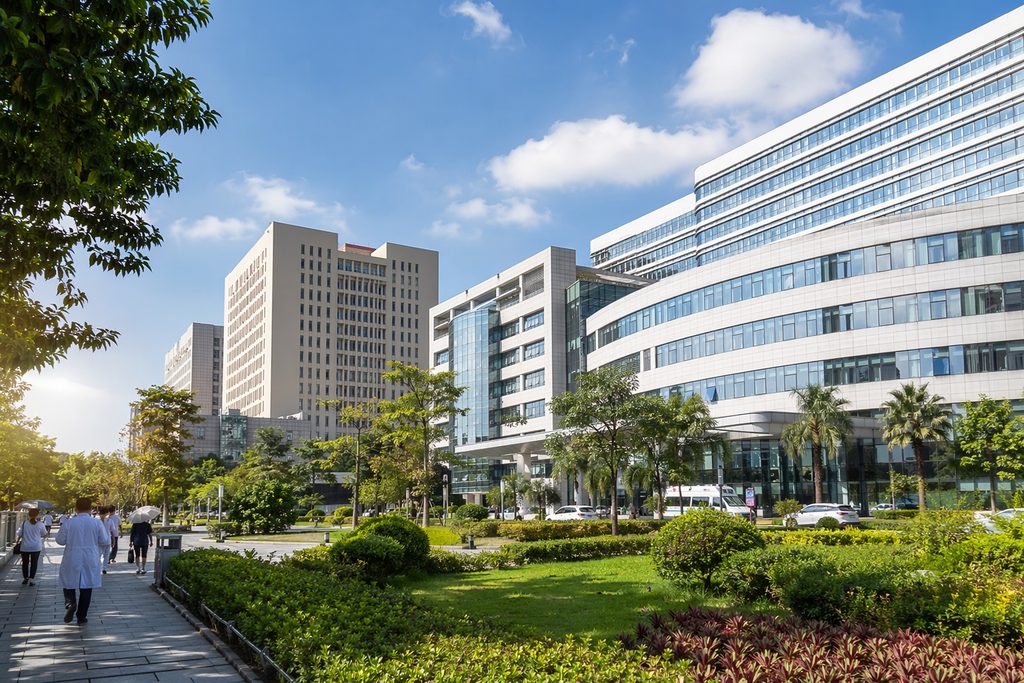
Roughly 300,000 international patients cross into China for medical care each year, and Guangzhou absorbs a large share of them. The city hosts 10 hospitals in the Fudan Top 100 — third in the country behind Beijing and Shanghai. Zhujiang Hospital, affiliated with Southern Medical University, sits squarely in that cluster. So when someone searches for the Zhujiang Hospital Southern Medical cost for international patients, they are usually asking a bigger question: is this hospital worth building a trip around?
Short answer — it depends on what you need treated. This guide walks through what Zhujiang actually is, how foreign patients get in the door, what things cost, and where the process tends to break down.
How This Actually Works, Step by Step
Here is the real sequence. No marketing gloss.
Step one. You gather your existing records — imaging discs, pathology reports, lab results, discharge summaries. Send them to a coordinator who can get them translated into Chinese. Hospitals here will not formally review English-only files for a treatment decision.
Step two. The relevant specialty at Zhujiang reviews the translated file. This can be a written second opinion, or a video consultation if you want to speak with the team directly. Turnaround is typically 3 to 10 business days depending on the department’s load.
Step three. If the case looks treatable in China, you receive a tentative plan and a cost range. Not a fixed quote. Ranges, because no surgeon commits to a final number before seeing you in person.
Step four. You decide whether to travel. If yes, the coordinator handles appointment registration, medical card creation, and scheduling. For public-hospital general clinics, you cannot pre-book from overseas. You show up, take a number, and wait. For the international or VIP channel, advance booking is possible.
Step five. You arrive, attend an in-person consultation, and only then does surgery get scheduled. This is the rule at virtually every Chinese public hospital, including Zhujiang. Nobody operates on a patient they have not examined.
That last point surprises a lot of Western patients. It should not. It is standard practice here.
What Zhujiang Hospital Southern Medical Offers International Patients
Zhujiang is a large tertiary hospital in Haizhu District, on the south bank of the Pearl River. It is a teaching hospital under Southern Medical University, which means it trains physicians as well as treats patients — a marker of academic depth in the Chinese system.
Its strengths cluster around several areas. Emergency and critical care medicine is one. Orthopedics, rehabilitation, and general surgery are others. The hospital is also known for its work in obstetrics and gynecology. If your condition sits outside these areas, it may still be treatable there — but a different Guangzhou hospital might serve you better.
That is the honest framing. Zhujiang is a strong regional center. It is not the single best hospital in Guangzhou for every specialty, and no hospital is.
For comparison, Guangzhou’s Guangzhou hospital landscape includes several Fudan Top 100 institutions with distinct specialty rankings. Matching your diagnosis to the right department matters more than matching it to the most famous address.
Is Zhujiang Hospital Good for International Patients?
This is the question behind most searches, and it deserves a straight answer.
Zhujiang is a public tertiary hospital. Its international patient services exist, but they are not built to the same standard as, say, a JCI-accredited private international hospital in Shanghai or Beijing. English-speaking staff are available in the international department. They are not everywhere in the building.
What does that mean in practice? You will likely need a bilingual companion for registration, payment, lab navigation, and pharmacy pickup. Signs are in Chinese. Queue systems are in Chinese. The payment kiosks are in Chinese.
Some foreign patients manage without help. Most do not, especially on a first visit.
On the plus side, the clinical quality is genuine. Chinese tertiary hospitals treat enormous volumes — top institutions here run tens of thousands of outpatient visits per day across the system — and that volume builds real surgical experience. Zhujiang’s physicians are trained to a high standard. The bottleneck is logistics and language, not medicine.
A Realistic Timeline
Here is what a typical international patient journey to Zhujiang looks like, with honest ranges. Every case differs.
| Stage | Typical Duration | Notes |
|---|---|---|
| Record collection and translation | 3–7 days | Depends on how fast you can obtain your files |
| Specialty review / written second opinion | 3–10 business days | Longer for rare conditions requiring multiple departments |
| Video consultation (optional) | Scheduled within 1–2 weeks | Requires translated records first |
| Appointment coordination | 1–3 weeks | International channel books faster than general clinic |
| S2 visa application | 1–4 weeks | Varies by consulate; hospital invitation documents required |
| Travel and arrival | 1–3 days | Guangzhou Baiyun International Airport |
| In-person consultation | 1 day | Required before any surgery is scheduled |
| Pre-operative workup | 2–5 days | Blood work, imaging, cardiac clearance |
| Surgery and inpatient stay | Case-dependent | Minor procedures 2–4 days; major surgery 1–3 weeks |
| Follow-up and discharge | 1–2 weeks | Depends on recovery and travel clearance |
Total realistic window from first contact to surgery: four to ten weeks for a non-urgent case. Urgent cases move faster, but they also carry more risk of incomplete planning.
What Can Go Wrong — and What Happens Then
Things fail. Here is how.
The records are incomplete. You arrive, and the surgeon wants an imaging study you did not bring. You get a new scan in Guangzhou. It adds days and cost. It happens constantly.
The visa is delayed. S2 processing times vary by consulate and season. If your appointment is fixed and the visa is not ready, you reschedule. Nothing is lost except time.
The plan changes after in-person examination. This is the big one. A surgeon reviewing your file remotely may propose one approach; after examining you, they propose another. Sometimes a less invasive option. Occasionally a more complex one. You are not committed to surgery until you consent after that examination.
The cost exceeds the estimate. Complications, extended stay, additional imaging — these push the final bill above the quoted range. Public hospitals require prepayment, and insurance reimbursement happens after the fact. Budget a buffer.
Language breaks down at a critical moment. A consent form, a medication instruction, a discharge summary. This is exactly why bilingual support exists. Reading a Chinese discharge summary through a phone translation app is not adequate.
None of these are reasons to avoid China. They are reasons to plan for them.
Zhujiang Hospital Southern Medical Cost for International Patients
Now the number everyone wants.
Zhujiang does not publish a fixed international price list. Costs vary by department, procedure, length of stay, and whether you use the general or international channel. The international or VIP channel typically runs 1.5 to 2 times the general channel price — you pay for English service, shorter queues, and senior physicians.
What we can say with confidence is the broader comparison. Major surgery in China’s top public hospitals generally costs one-fifth to one-tenth of the same procedure in the United States. Coronary artery bypass, for example, runs roughly $12,000 to $20,000 at a top Chinese public hospital versus $120,000 or more in the US.
For Zhujiang specifically, expect the following rough ranges for common categories. These are estimates only and must be confirmed by the hospital for your case.
- Outpatient specialist consultation: modest, often under $100 equivalent
- Diagnostic imaging (MRI, CT): a fraction of US pricing
- Minor surgical procedures: low four figures in USD
- Major surgery with inpatient stay: mid four to low five figures in USD
- International/VIP channel premium: 1.5x to 2x the general rate
Add accommodation, meals, transport, and companion services. Guangzhou is more affordable than Beijing or Shanghai for daily living, which helps.
If you want a clearer picture of what comparable hospitals charge, our Fudan-ranked hospital directory groups institutions by city and tier.
How to Book an Appointment at Zhujiang Hospital Guangzhou
There are two doors, and knowing which one you are walking through saves enormous frustration.
The general clinic door. You cannot pre-book from overseas. You arrive on the day, register with your passport, take a queue number, and wait. First-come, first-served. Cheap. Slow. Chinese-language dominant.
The international department door. Advance coordination is possible. English-speaking staff. Senior physicians. Higher fees. This is the door most foreign patients should use for a first visit, especially if surgery is a possibility.
To book through the international channel, you generally need: passport copy, translated medical records, a clear statement of your condition and goal, and a confirmed travel window. The hospital then issues an appointment confirmation, which you may also need for your S2 visa application.
Do not attempt to book through a general online portal in English. Most do not exist, and the ones that do route to the general clinic anyway.
Practical Considerations: Records, Visa, Payment, and Follow-Up
Records. Bring originals and copies. Imaging on disc, not just printed reports. Pathology slides if relevant. Translated into Chinese by a qualified translator — hospital staff will not do this for you.
Visa. Foreign patients coming to China for medical treatment use the S2 visa, annotated for medical purposes. Stays beyond 180 days require S1. Accompanying family members also apply for S2. Requirements shift, so confirm current rules with your nearest Chinese embassy or consulate. Note that the M visa is for commercial and trade activity and is not the medical-travel category.
Payment. Chinese public hospitals require prepayment. International insurance is usually reimbursed after treatment, not billed directly. Private international hospitals often bill insurers directly, but Zhujiang is a public institution. Bring a payment method that works in China — international cards are accepted in some channels but not all.
Language. Plan for it. A bilingual medical companion handles registration, queueing, payment, wayfinding, and translation throughout your visit.
Follow-up at home. Request a complete discharge summary in English before you leave, plus imaging copies. Your home physician will need them.
Frequently Asked Questions
For clinical quality, yes — it is a solid tertiary teaching hospital with experienced specialists. For service convenience, it is a public hospital with real language and logistics barriers. Most international patients benefit from bilingual support during their visit.
There is no fixed published price list. Costs vary widely by department, procedure, and channel. As a general rule, major surgery at top Chinese public hospitals runs one-fifth to one-tenth of US pricing. The international channel adds roughly 1.5x to 2x. Always confirm with the hospital for your specific case.
Through the international department, advance coordination is generally possible. Through the general clinic, no — you register in person on the day. If surgery is a possibility, use the international channel.
The S2 visa, annotated for medical treatment, is the standard short-stay category. Stays over 180 days require S1. Accompanying family members apply for S2 as well. Confirm current requirements with your nearest Chinese consulate, as rules change.
Strongly recommended for a first visit. Registration systems, payment kiosks, signage, and consent documents are in Chinese. A bilingual medical companion handles the logistics so you can focus on the medical conversation.
Your Next Step
Zhujiang Hospital is a capable institution, and Guangzhou is one of China’s strongest medical cities. But the hospital is only half the equation. The other half is getting your records translated, your appointment correctly routed, your visa in order, and your visit navigated in a language you understand.
That is what we do. China Medical Services connects international patients with 340+ top-ranked hospitals across 37 cities, and we do not provide medical care or clinical advice — we handle the coordination, translation, and logistics so your physicians can focus on medicine. If you are weighing Zhujiang or comparing it against other Guangzhou options, start with a free consultation through our patient support page. No pressure, no obligation — just a clear read on whether this hospital fits your case.
For more medical information and treatment options in China, visit chinamedservices.com (China Medical Services).
