Pediatric Hospitals in China: A Guide for International Families
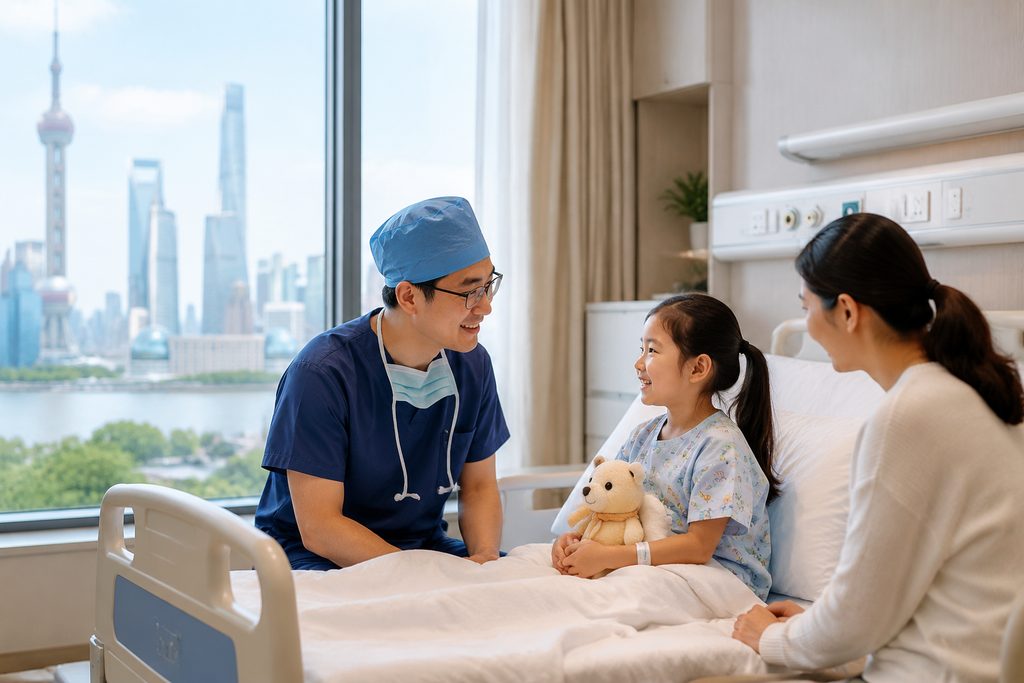
Pediatric Hospitals in China: A Guide for International Families
What if your child needs specialized medical care that isn’t available — or isn’t affordable — where you live? For many international families, the pediatric hospital cost China offers is 60% to 80% lower than private care in the United States or Western Europe, often at facilities with more annual surgical volume than any hospital in their home country. That gap is why families from Russia, the Middle East, Southeast Asia, and even North America are quietly making the trip.
But here’s the part nobody tells you upfront: China’s best children’s hospitals are not designed for foreign patients. They are designed for the 1.4 billion people who already live here. The system works — spectacularly well, in many cases — but it works differently. This guide walks you through how it actually operates, what it costs, and how to navigate it without wasting weeks.
How This Actually Works, Step by Step
Here is the real sequence, from your living room to a hospital bed in Beijing or Shanghai.
Step one: you send us what you already have. That means your child’s existing examination reports, imaging (DICOM files or CDs), lab results, discharge summaries, and a short note about what you’re hoping to achieve. Everything gets translated into Chinese by medical translators — not general translators. A cardiology report needs a cardiology translator.
Step two: a Chinese specialty team reviews the file. This is a written second opinion. You receive back a written analysis, treatment suggestions, and a direction — not a guarantee, not a diagnosis, but a professional assessment of whether the case is treatable here, which department should handle it, and roughly what the pathway looks like.
Step three: you decide whether to talk live. A video consultation puts you in the room (virtually) with the Chinese specialty team. You explain symptoms and goals. They explain what they’d recommend. This is where most families either commit or walk away — and walking away is a perfectly good outcome. You’ve spent $100–300 instead of $15,000 on flights.
Step four: if surgery or treatment makes sense, we coordinate arrival. Hospital registration, medical card creation, appointment scheduling through the hospital’s international department, bilingual accompaniment on the ground. You arrive. Someone meets you. Someone translates. Someone stands in the queue at 6 a.m. so you don’t have to.
What Pediatric Care in China Actually Costs
Let’s put numbers on the table. These are ranges, and they vary by hospital and case complexity — but they’re real.
| Procedure | China (top public hospital) | United States | Typical Savings |
|---|---|---|---|
| Pediatric cardiac surgery (e.g., VSD repair) | $8,000–$18,000 | $60,000–$150,000 | 75–85% |
| Pediatric orthopedic surgery (e.g., scoliosis correction) | $10,000–$20,000 | $80,000–$200,000 | 80–90% |
| Pediatric oncology (per treatment cycle) | $3,000–$8,000 | $15,000–$40,000 | 70–80% |
| Comprehensive pediatric health screening | $500–$1,500 | $3,000–$8,000 | 75–85% |
These figures reflect the public hospital system. Private international hospitals — United Family, Jiahui, Parkway — cost roughly 1.5 to 2 times more, but offer English-speaking staff, JCI accreditation, and direct insurance billing. For families who prioritize comfort and language over price, that premium is often worth it.
One more thing: public hospitals require prepayment. Insurance reimbursement happens afterward, in your home country, according to your policy. Private international hospitals frequently settle directly with international insurers. Know which model you’re walking into before you book flights.
A Realistic Timeline
Families consistently underestimate how long this takes. Here’s what a typical pediatric case looks like, from first contact to follow-up.
| Stage | Duration | What’s Happening |
|---|---|---|
| Records collection & translation | 3–7 days | Gathering reports, translating into Chinese |
| Written second opinion | 5–10 business days | Chinese specialty team reviews the file |
| Video consultation (optional) | 1–2 weeks to schedule | Live discussion with the medical team |
| S2 visa application | 2–4 weeks | Requires hospital invitation letter and supporting documents |
| Appointment coordination | 1–3 weeks | International department scheduling |
| Travel & arrival | 1–3 days | Flights, airport transfer, hotel |
| In-person consultation | 1–3 days after arrival | Face-to-face exam; surgery date confirmed |
| Hospital admission & treatment | Varies (days to weeks) | Actual procedure and recovery |
| Follow-up at home | Ongoing | Records sent back to your local physician |
Total time from first contact to treatment: 6 to 12 weeks for most non-emergency cases. Emergency cases move faster, but the visa and logistics still take time. Plan accordingly.
What Can Go Wrong — and What Happens Then
We’d rather you hear this now than discover it at 2 a.m. in a hospital corridor.
The appointment doesn’t materialize. Public hospital outpatient slots cannot be booked from overseas in advance. This is a hard rule. The workaround is the international department or VIP channel, which costs 1.5–2 times the standard fee but allows pre-scheduling. If we can’t secure the appointment you were promised, the coordination fee is refunded in full.
The visa is delayed. S2 visas require a hospital invitation letter and supporting documents. Consulates process these at their own pace. If your child’s condition is time-sensitive, start the visa process the moment you have the invitation letter — not after you’ve booked flights.
The child needs a different specialist than expected. Pediatric cases are complex. A cardiac issue may turn out to have a neurological component. China’s top hospitals have the depth to handle this — but it means additional consultations, additional time, and potentially additional cost. Build a 20% buffer into your budget.
Language barriers cause misunderstandings. This is the most common failure point. A parent who speaks no Mandarin, in a hospital that sees 10,000 outpatients a day, will struggle. Not because the care is bad — because the system assumes fluency. Bilingual medical accompaniment exists precisely for this reason.
Choosing the Right Hospital for Your Child
China has over 35,000 hospitals. The top 5% — ranked by the Fudan University Hospital Rankings and JCI accreditation — are where international patients should focus. These include 340+ top-ranked hospitals across 37 cities.
For pediatric care specifically, the Fudan specialist reputation rankings list the top 10 hospitals in pediatric medicine. Beijing and Shanghai dominate, with Guangzhou and Chengdu also represented. If you’re searching for the best children’s hospital in Shanghai for international patients, the shortlist typically includes hospitals with dedicated international departments and English-speaking pediatric staff.
For families asking how to find an English-speaking pediatrician in Beijing, the answer is almost always the international department of a major public hospital or a private international hospital like United Family or Jiahui. Public hospital international departments offer senior specialists with English support at 1.5–2 times the standard fee. Private hospitals offer a Western-style experience with direct insurance billing.
If you’re considering a broader range of options, our directory of top-ranked Chinese hospitals organizes facilities by city and specialty, with Fudan ranking tiers clearly marked.
Practical Considerations: Records, Visas, and Payment
Medical records. Bring everything. Imaging on CD or USB. Lab results. Discharge summaries. Vaccination records. If it’s in a language other than Chinese, it needs translation. We handle this, but it takes time — usually 3 to 7 days.
Visa category. For medical treatment in China, the applicable short-stay category is the S2 visa, which covers medical treatment and private affairs. Stays exceeding 180 days require an S1 visa. Accompanying family members also apply for S2. Requirements vary by embassy and consulate — always check the latest guidance and ensure your supporting hospital documents are in order. The M visa is for commercial and trade activities and is not applicable to medical travel.
Payment. Public hospitals require prepayment. Private international hospitals often bill insurance directly. Bring a credit card that works internationally, and confirm payment methods with the hospital’s international department before arrival.
Follow-up at home. Before you leave China, request a complete set of medical records in English — operative notes, discharge summary, imaging, and medication list. Your child’s physician at home will need these. We help coordinate this handoff.
If you’re exploring the possibility of an international children’s hospital China medical tourism package, understand that these packages typically cover logistics and accommodation, not clinical care. The medical decisions remain with the hospital.
Frequently Asked Questions
China’s top pediatric hospitals perform tens of thousands of pediatric surgeries annually, and many have outcomes comparable to leading Western centers. That said, safety depends on the specific hospital, the specific surgeon, and the complexity of your child’s case. We help you identify facilities with the appropriate expertise, but we do not make clinical guarantees. Always discuss risks with the treating physician.
Standard public hospital outpatient appointments cannot be booked from overseas. However, international departments and VIP channels at major hospitals allow pre-scheduling for a premium of 1.5–2 times the standard fee. If you need a confirmed appointment before traveling, this is the pathway. Surgery, however, always requires an in-person consultation first.
Public hospitals require prepayment for treatment. Some private international hospitals offer payment plans or direct insurance billing. We recommend discussing costs transparently with the hospital’s international department before committing. A written second opinion ($300–500) can help you understand the likely scope — and cost — before you make any larger financial commitment.
Yes. Accompanying family members can receive S2 visas for the same trip. We can arrange airport transfers, accommodation recommendations, and bilingual accompaniment for the family unit. The focus, however, remains on the patient’s medical needs.
Your Next Step
If you’ve read this far, you’re probably serious about exploring care in China — or at least ruling it out with real information. That’s the right instinct. Start with a written second opinion. Send your child’s records. Get a professional assessment before you spend money on flights or visas.
China Medical Services helps international families navigate the Chinese healthcare system. We are not doctors. We do not provide medical advice or guarantee outcomes. We coordinate, translate, and accompany — and we tell you honestly when something isn’t feasible. If you’d like to discuss your child’s case, reach out for a free consultation. No pressure, no obligation. Just a conversation about whether this path makes sense for your family.
This article is for informational purposes only and does not constitute medical advice. Always consult a qualified healthcare provider regarding any medical condition or treatment decision.
For more medical information and treatment options in China, visit chinamedservices.com (China Medical Services).
