Children’s Hospital of Fudan University: Guide for International Patients
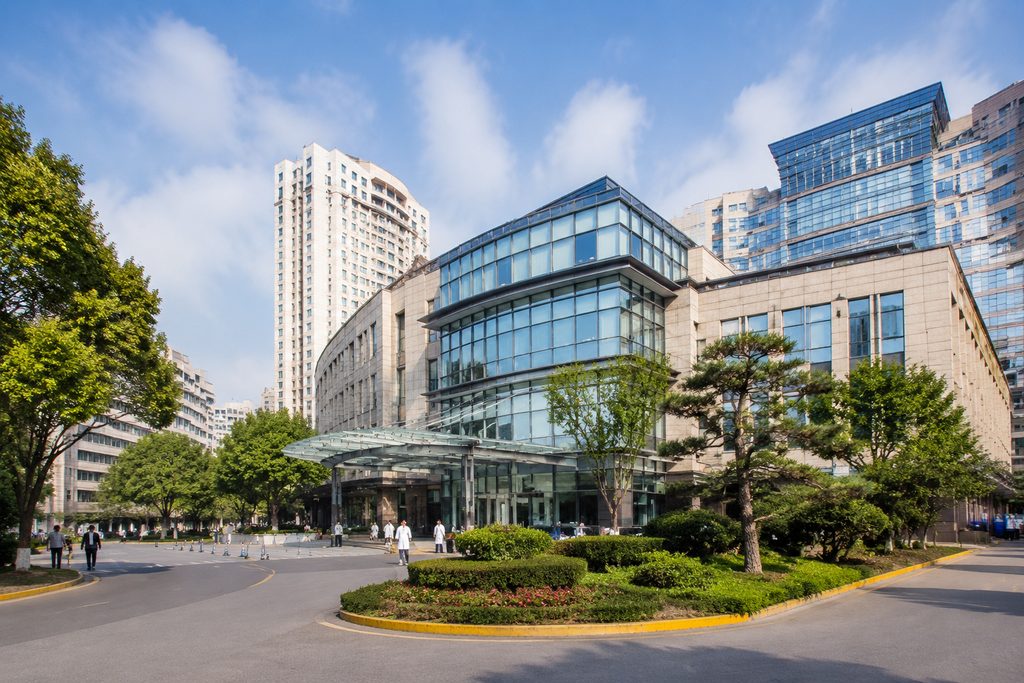
Key Takeaways
- Children’s Hospital of Fudan University is one of China’s highest-volume pediatric centers, and international families are usually seen through its international or VIP channel rather than the standard outpatient queue.
- Pediatric surgery cost in China often runs a fraction of U.S. or European pricing — complex cardiac procedures frequently land in the tens of thousands of dollars rather than hundreds of thousands.
- The hard part is not the medicine. It is the logistics: appointments cannot be booked from overseas the way Western families expect, and hospital campuses operate almost entirely in Chinese.
- Families should understand the difference between a written second opinion, a video consultation, and an in-person visit before committing to travel or payment.
The Problem: When Your Child’s Care Runs Out of Road at Home
In the United States, the average wait for a pediatric subspecialty appointment now stretches past 30 days in many metropolitan areas, according to research published by the Children’s Hospital Association. For pediatric surgery, it can be worse. Some families are told their child needs a procedure that their insurance will not cover, or that the nearest qualified surgeon has a six-month backlog.
That is the moment parents start searching beyond their own borders. And increasingly, they land on China.
Not because China is fashionable. Because it is fast, it is affordable, and — for a specific list of pediatric conditions — it is genuinely excellent. The question is whether a family can actually navigate it. That is what this guide is for.
Why Children’s Hospital of Fudan University Attracts International Families
The hospital sits in Shanghai and is affiliated with Fudan University, one of China’s most respected academic institutions. It is consistently named among the country’s leading pediatric centers in the Fudan Hospital Rankings, which evaluate hospitals by specialty reputation rather than marketing spend.
Clinical Volume That Western Centers Cannot Match
China’s top pediatric hospitals see patient volumes that would overwhelm most Western institutions. A single busy department can perform more of a given procedure in one year than a mid-sized American children’s hospital does in five. Volume matters. Surgical teams that do more of a specific operation tend to be faster, more standardized, and better at handling complications.
This is not a claim that every Chinese surgeon outperforms every American one. It is a structural observation: repetition builds skill, and the numbers here are large.
Costs That Change the Conversation
Pediatric cardiac surgery in the United States can exceed $200,000 before insurance adjustments. The same category of procedure at a top Chinese public hospital often falls between $15,000 and $40,000, depending on complexity, hospital, and whether the family uses the international channel. Pediatric surgery cost China-wide varies enormously, but the gap with Western pricing is real and consistent.
A Full Pediatric Subspecialty Footprint
Neonatology, pediatric cardiology, pediatric surgery, hematology-oncology, neurology, endocrinology, and rehabilitation are all represented. For families whose child needs coordinated care across several specialties, that breadth matters more than any single ranking.
Is Children’s Hospital of Fudan University Good for International Patients?
Here is the honest answer: it depends on what you need and how you arrive.
The hospital treats international patients, but it is not a Western-style international hospital. It does not function like a private facility in Dubai or Singapore. What it offers is world-class pediatric expertise inside a Chinese public hospital system — which means the clinical care is strong and the service layer requires navigation.
Two practical realities shape everything:
- Standard outpatient registration cannot be booked from overseas in advance. Families queue on the day. This is standard practice across Chinese public hospitals.
- Surgery requires an in-person consultation first. No reputable Chinese hospital schedules a child’s operation based on emails and scans alone.
If a family wants to lock in a specialist and a date before flying, the international or VIP channel is the route. It costs roughly 1.5 to 2 times the standard fee, and it comes with English-speaking staff and shorter waits. For most international families, that premium is worth it.
How to Book an Appointment at Children’s Hospital of Fudan University
This is where most families get stuck, so let’s walk through it concretely.
| Step | What Happens | Typical Timing |
|---|---|---|
| 1. Records review | Send existing reports, imaging, and diagnoses for a preliminary assessment | 1–2 weeks |
| 2. Written second opinion or video consultation | A pediatric specialist reviews the case and advises on feasibility and approach | 1–3 weeks |
| 3. Appointment coordination | Registration, hospital card creation, and scheduling through the international channel | 2–4 weeks |
| 4. Visa preparation | S2 visa application with hospital supporting documents | 2–4 weeks |
| 5. Arrival and in-person consultation | Examination, confirmatory testing, surgical planning if applicable | Days 1–5 in China |
| 6. Admission and treatment | Subject to hospital rules and clinical assessment | Varies by case |
Notice that nothing happens fast. A realistic timeline from first contact to a child being seen in Shanghai is six to twelve weeks. Families who expect to fly next week will be disappointed.
What Pediatric Care in China Actually Costs
Numbers help. Here is a rough comparison for common pediatric surgical categories. All figures are in USD and represent ranges — final pricing depends on hospital, case complexity, and length of stay.
| Procedure Category | Typical China Range | Typical U.S. Range |
|---|---|---|
| Pediatric cardiac surgery (e.g., VSD repair) | $15,000 – $40,000 | $80,000 – $200,000+ |
| Pediatric orthopedic surgery | $8,000 – $25,000 | $40,000 – $120,000 |
| Pediatric neurosurgery | $15,000 – $45,000 | $100,000 – $250,000 |
| Comprehensive specialist consultation | $100 – $400 | $300 – $800 |
| Diagnostic imaging (MRI, CT) | $150 – $600 | $1,000 – $5,000 |
Pediatric cardiac surgery China price figures sit at the low end of these ranges at high-volume public hospitals and climb toward the upper end at private international facilities. The same pattern holds across every category.
What is not included: flights, accommodation, meals, and companion costs. Families should budget an additional $3,000 to $8,000 for a two-to-three-week stay in Shanghai, depending on how many people travel.
For a broader view of how these figures compare across specialties, our department-by-department hospital rankings break down where China’s strongest programs sit.
Practical Considerations Before You Commit
Visa. Medical travel to China uses the S2 visa, which covers short-stay private affairs including medical treatment. Accompanying family members apply for the same category. The S1 applies if a stay will exceed 180 days. Requirements shift, so confirm current rules with the nearest Chinese embassy or consulate and submit hospital-issued supporting documents. Note that the M visa is for commercial and trade activity — it is not a medical visa, despite what some online sources claim.
Payment. Chinese public hospitals require prepayment. International insurance is typically reimbursed after the fact, not billed directly. Private international hospitals in Shanghai more often offer direct billing, but they are a different category of facility. Families should plan to fund treatment upfront and pursue reimbursement later.
Language. This is the single largest practical barrier. Hospital signage, registration systems, pharmacy instructions, and most clinical conversation happen in Chinese. A parent managing a sick child in an unfamiliar system without language support is a real risk factor.
Follow-up. Plan for what happens after you fly home. Ask for complete operative notes, imaging on physical media, and a written summary in English before discharge. Your child’s doctors at home will need these.
For families weighing Shanghai against other options, our overview of China’s top-ranked hospitals by city shows how pediatric centers compare nationally.
Frequently Asked Questions
Not through the standard public channel. Registration happens on the day, in person. The international or VIP channel allows advance coordination, and that is the realistic path for families traveling from abroad. Expect to pay a premium for it.
For high-volume pediatric specialties — cardiac surgery, neonatal care, certain oncology protocols — yes, outcomes are broadly comparable at China’s leading centers. For rare conditions or highly individualized multidisciplinary care, Western academic centers may still hold an edge. It depends entirely on the diagnosis.
Treatment plans are confirmed only after in-person examination. If the clinical picture differs from what the records suggested, the plan changes. Families should build flexibility into flights and accommodation. This is normal and, frankly, good medicine.
Plan for $3,000 to $8,000 for a two-to-three-week stay covering flights, accommodation near the hospital, meals, local transport, and at least one accompanying adult. Costs rise quickly with additional family members.
Not legally. Practically, most international families find it essential. Navigating registration, payment, pharmacy, and translation while caring for a child is genuinely difficult without local language support.
Your Next Step
The core message is simple: Children’s Hospital of Fudan University is a serious option for international families, but it rewards preparation and punishes improvisation. Start with a records review, not a flight booking.
China Medical Services helps international patients understand their options in China — matching hospitals to conditions, coordinating appointments through official international channels, and providing bilingual support on the ground. We are not a hospital. We do not diagnose or treat.
If you would like a straightforward assessment of whether this path makes sense for your child, start with a free consultation. No pressure, no obligation — just a clear answer about what is realistic.
This article is for informational purposes only and does not constitute medical advice. Always consult a qualified physician regarding any diagnosis or treatment decision for your child.
For more medical information and treatment options in China, visit chinamedservices.com (China Medical Services).
