Cancer Screening in Chengdu: How to Book as an International Patient
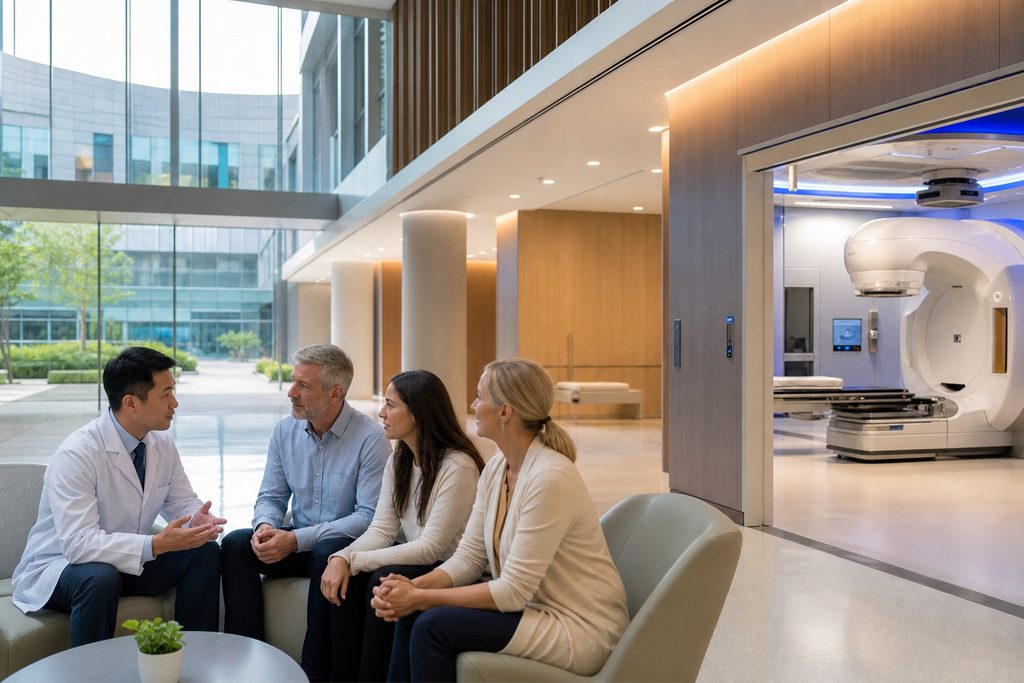
In the United States, a full-body MRI-based cancer screen can run past $2,500 out of pocket, and a private colonoscopy often lands between $1,500 and $3,000. At West China Hospital in Chengdu — one of China’s largest and most respected medical centers — a comparable diagnostic workup typically costs a fraction of that, and international patients can now book it in advance through a coordinated channel. That gap is why searches for cancer screening cost Chengdu have climbed steadily among patients in the US, Europe, and Southeast Asia.
But here is the caveat that most articles skip: booking cancer screening in Chengdu is not like booking a hotel. Public hospitals in China generally do not let overseas patients reserve a standard outpatient slot from abroad. The process has rules, and understanding them is the difference between a smooth trip and a wasted one.
Cancer Screening in Chengdu: The Short Answer
You can book cancer screening in Chengdu as an international patient, but almost always through a hospital’s international department, a VIP/special-needs channel, or a licensed coordination service — not through the ordinary public registration system. Expect to pay roughly $300 to $1,200 for a comprehensive screening package depending on the hospital tier and how many modalities are included, with the cancer screening cost in Chengdu rising if you add advanced imaging such as PET-CT.
The single most important thing to understand: a screening is a set of tests, not a single appointment. Blood work, imaging, and specialist reads happen across one or more days, and someone has to sequence them for you.
Key takeaway: International patients cannot typically self-book standard public hospital slots from overseas. The realistic path is the hospital’s international/VIP channel or a coordination service that handles registration, scheduling, and language support.
Who This Is Right For — and Who It Isn’t
Screening is not the same as diagnosis. Being clear about fit protects both your health and your wallet.
Typically a good fit:
- Adults with a family history of cancer who want imaging and bloodwork beyond what their home system offers on a routine basis
- Patients whose home country has long waits for elective screening or who face high out-of-pocket costs
- People combining screening with a broader medical trip, such as a second opinion or a TCM recovery program
- Expats and travelers already in Asia who want a thorough annual check
Probably not a good fit:
- Anyone with an active, undiagnosed symptom — a lump, unexplained weight loss, persistent bleeding. That is diagnostic work, not screening, and needs a different pathway.
- Patients who cannot travel or tolerate a multi-day testing schedule
- Anyone expecting a single “scan everything” appointment that replaces proper age- and risk-based screening
- People seeking a guaranteed clean bill of health. No screening center anywhere can offer that.
The Options, Compared
Chengdu sits alongside Beijing, Shanghai, and Guangzhou as a major medical hub. Here is how the realistic options stack up for an international patient.
| Option | Booking Method | Typical Cost (USD) | English Support | Best For |
|---|---|---|---|---|
| Public hospital, ordinary channel | On-site registration only | $150–$500 | Limited | Locals, Chinese speakers |
| Public hospital, international/VIP department | Advance booking via international office or coordinator | $400–$1,200 | Yes | Most overseas patients |
| Private international hospital | Direct online/phone booking | $800–$2,500 | Yes, native-level | Insurance direct-billing, comfort |
| TCM-affiliated wellness screening | Via coordinator | $200–$600 | Varies | Combining check-up with TCM |
The middle two rows are where most international patients land. If you have international insurance that direct-bills, the private hospital route removes the most friction. If you want access to the deepest specialist bench — and Chengdu’s West China Hospital is genuinely one of the strongest in the country — the public international/VIP channel is usually the better clinical choice, at roughly 1.5 to 2 times the ordinary-channel price.
Is Cancer Screening in China Safe? The Quality Question
This is the worry that stops people from booking. It deserves a direct answer.
China’s top-tier hospitals are not fringe institutions. The country has more than 35,000 hospitals, and the top 5% — ranked by the Fudan University Hospital Rankings and JCI accreditation — operate at a scale and technical level that matches or exceeds many Western centers. West China Hospital in Chengdu handles tens of thousands of outpatient visits daily and performs complex oncology work routinely. When people ask is cancer screening in China safe, the honest answer is: at a top-ranked hospital, the equipment and pathology standards are world-class. The variable is communication, not clinical capability.
What does vary is the experience. These hospitals are enormous. Signage is in Chinese. Registration queues can be long. Without language support, a straightforward screening day becomes genuinely stressful. That is a logistics problem, not a safety problem — and it is solvable.
Ask specifically which imaging equipment and pathology lab will handle your samples. Top hospitals publish accreditation details, and a coordinator can confirm them before you commit.
How to Book Cancer Screening in Chengdu as an International Patient
Here is the sequence that actually works, step by step.
Step 1 — Clarify what you need screened. Age, family history, prior results, and symptoms (if any) determine which tests are appropriate. A 45-year-old with no risk factors and a 62-year-old with a family history of colorectal cancer need very different packages. Do not buy a generic “full body” package without matching it to your risk profile.
Step 2 — Choose the hospital tier. For most overseas patients, a public hospital’s international department offers the best balance of clinical depth and manageable cost. If you need English-speaking staff throughout and insurance direct-billing, a private international hospital is simpler. You can compare options on our ranked hospital directory.
Step 3 — Submit your records in advance. Send existing reports, imaging, and a short medical history. The hospital uses these to build your screening plan and estimate timing. This step is what makes the difference between a coordinated visit and a chaotic one.
Step 4 — Confirm the appointment window. Once the plan is set, the hospital or your coordinator locks a date range. Build in buffer days — imaging and lab results rarely all land on the same day.
Step 5 — Arrange the visa. This is where people make mistakes. Foreign patients coming to China for medical treatment apply for the S2 visa, which covers short-stay medical treatment and private affairs. Accompanying family members apply for S2 as well. The M visa is for commercial and trade activity only — it is not a medical visa, and using it for treatment is a genuine risk. Stays beyond 180 days require the S1 category. Always confirm current requirements with the nearest Chinese embassy or consulate, since rules are updated periodically.
Step 6 — Plan the on-the-ground logistics. Airport pickup, hospital navigation, registration, payment, and translation all need handling. This is where a bilingual medical companion earns their fee.
What It Costs and What Drives the Variance
Costs in Chengdu vary widely by hospital and case complexity. As a reference point:
- Basic screening package (bloodwork, ultrasound, basic imaging): from $150–$400
- Comprehensive package (adds CT, endoscopy, tumor markers): $400–$1,200
- Advanced imaging add-ons (PET-CT, MRI): each can add several hundred dollars
- Bilingual medical companion: from $300/day
- Airport transfer: $200 round-trip
- Hospital appointment coordination: from $300
What is usually included: consultations, the specified tests, and a written report. What is often not: translation of the report into English, follow-up specialist visits, and any treatment that follows an abnormal finding. Ask for an itemized list before you commit. Our team can walk you through the ranges on our China Medical Services homepage.
Prices are estimates only and vary by hospital and case complexity. Final quotes are confirmed after your records are reviewed. No service can guarantee a specific appointment date or specialist.
Practical Considerations for the Trip
Records and documentation. Bring printed and digital copies of all prior imaging and lab work. Chinese hospitals may repeat certain tests for their own baseline — this is normal and not a sign your home results were ignored.
Visa timing. Apply for the S2 well ahead of your target date. Processing varies by consulate, and you will need supporting documents, often including a hospital invitation or appointment confirmation.
Payment. Public hospitals generally require prepayment, with insurance reimbursed afterward. Private international hospitals often direct-bill international insurers. Confirm which applies to you.
Language. Do not assume English is available at every desk. Even at international departments, the further you move from the front office, the less English you will find.
Follow-up at home. Ask for your results in a format your home physician can read — ideally with English translation. Continuity of care matters more than the screening itself.
Frequently Asked Questions
You book through the hospital’s international department or a coordination service, not the ordinary registration line. A bilingual companion handles registration, payment, and translation on the day. Trying to self-navigate a large public hospital without language support is possible but genuinely difficult.
A comprehensive package in Chengdu generally runs $400 to $1,200, versus several thousand dollars for comparable private screening in the US. The gap reflects lower labor and overhead costs, not lower equipment standards at top hospitals. Final cost depends on which tests your risk profile requires.
At a top-ranked hospital, yes — the imaging and pathology standards are world-class. The main variable is communication and logistics, not clinical quality. Choose a Fudan-ranked or JCI-accredited institution and confirm which lab handles your results.
Some private hospitals offer bookable packages, but most reputable pathways start with a records review rather than an instant online purchase. A package chosen without matching your risk profile can mean unnecessary tests or missed ones. Start with a consultation, then book.
An abnormal finding moves you from screening into diagnostic and treatment planning, which is a separate process with its own timeline and costs. No provider can guarantee outcomes. The responsible approach is to have a clear plan for follow-up before you travel, including how results will reach your home physician.
Your Next Step
The core message is simple: cancer screening in Chengdu is accessible, affordable, and clinically strong at the top-tier hospitals — but it requires the right booking pathway, the correct S2 visa, and realistic expectations about language and logistics. We are a coordination service, not a hospital. We do not diagnose or treat, and we never promise a specific outcome. What we do is connect you with the right institution, arrange the appointment, and stand beside you through every step of the visit. If you would like to talk through your situation, you can start with a free consultation — no pressure, no obligation.
This article is for general information only and is not medical advice. Screening recommendations depend on individual risk factors. Always consult a qualified physician about your own care.
For more medical information and treatment options in China, visit chinamedservices.com (China Medical Services).
