Fasting Rules Before a Checkup in China: What Patients Must Know
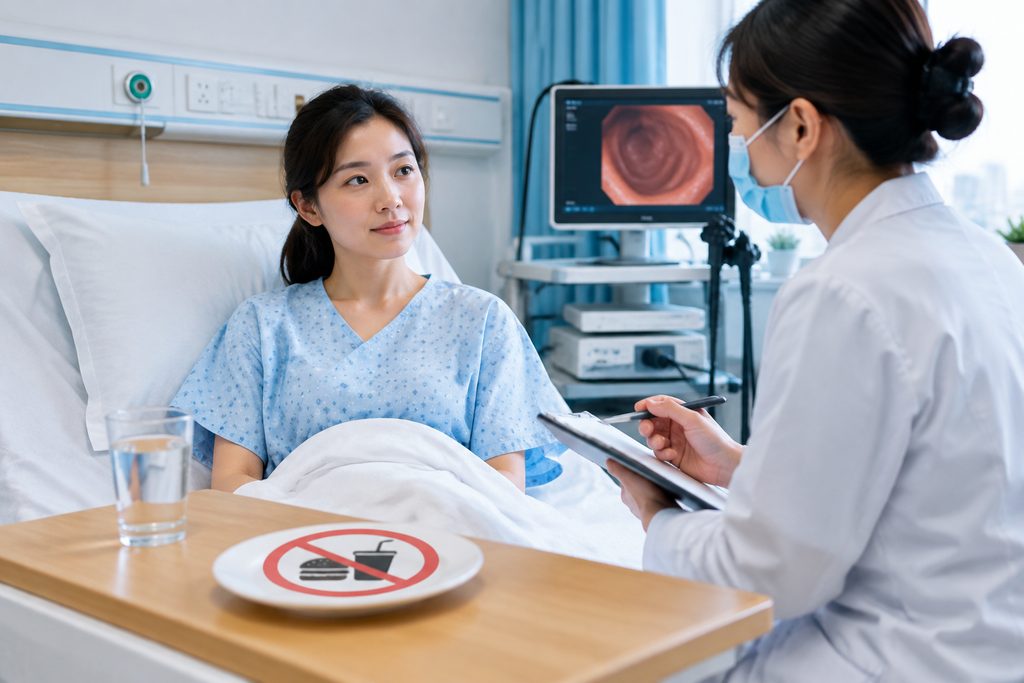
Every year, an estimated 200,000+ international patients travel to China for medical care, according to industry estimates cited by hospital international departments. And a surprising number of them arrive at the hospital having eaten breakfast when they shouldn’t have. The fasting rules before surgery in China are not dramatically different from what you’d encounter in the United States or Europe — but the way those rules are communicated, scheduled, and enforced inside a Chinese hospital is another matter entirely.
Here’s the short version: for most blood tests and minor procedures, you’ll be asked to fast for 8 to 12 hours. For surgery requiring general anesthesia, the standard is typically 8 hours of no solid food and 2 hours of no clear liquids. But the details matter enormously, and getting them wrong can mean a cancelled procedure and a wasted trip.
Fasting Rules Before Surgery in China: The Short Answer
Chinese hospitals generally follow international anesthesia guidelines — no solid food for at least 8 hours before surgery, and no clear fluids for at least 2 hours. Many hospitals extend the solid-food window to 10 or 12 hours for heavier meals. The key difference is that Chinese hospitals tend to give you a specific cutoff time (“stop eating at 10 PM”) rather than explaining the underlying physiology. If you don’t speak Mandarin, it’s easy to misread the instructions or miss them entirely.
For routine blood work — the kind done during a general health checkup — the standard fasting window is 8 to 12 hours, with water permitted. Coffee is not water. Neither is tea, juice, or milk.
Key takeaway: Most Chinese hospitals use a fixed clock-time cutoff for fasting rather than a “hours before your scheduled surgery” countdown. If your surgery is delayed, ask whether the fasting window resets.
Who This Is Right For — and Who It Isn’t
This guide is written for international patients planning a medical checkup, diagnostic blood work, or a surgical procedure at a Chinese hospital. If you’re booking a top-ranked Chinese hospital through an international department, you’ll receive fasting instructions in English — but they may still be confusing.
This guide applies to you if:
- You’re scheduled for a general health checkup or executive physical in China
- You’re preparing for surgery under general or regional anesthesia
- You’re getting blood work for cholesterol, glucose, or liver function
- You’re traveling with a family member who will undergo a procedure
This guide does NOT replace medical advice if:
- You have diabetes and take insulin or oral hypoglycemics — fasting protocols must be individualized
- You’re pregnant or breastfeeding
- You take blood thinners or medications that require food
- You’re a child under 12 — pediatric fasting rules differ significantly
Never adjust your medication schedule based on this article alone. Ask the prescribing doctor or the hospital’s international department directly.
The Options, Compared: Fasting Requirements by Procedure Type
Not all fasting is the same. Here’s how the requirements break down across common scenarios at Chinese hospitals.
| Procedure Type | Solid Food Fasting | Clear Liquids | Water Allowed? | Typical Duration |
|---|---|---|---|---|
| Routine blood panel | 8–12 hours | Not specified | Yes, small amounts | Overnight fast |
| Abdominal ultrasound | 6–8 hours | No carbonated drinks | Limited | Morning only |
| Upper endoscopy (sedated) | 8 hours | 2 hours | Yes, until 2 hrs before | Half day |
| General surgery | 8–12 hours | 2 hours | Yes, until 2 hrs before | Full day |
| Colonoscopy | 24 hours (low-fiber diet) | Bowel prep solution required | Per prep instructions | 1–2 days |
If you’re booking a comprehensive health checkup package — which may bundle blood work, ultrasound, and endoscopy into a single day — the fasting rules default to the strictest procedure on your list. That usually means the 8-to-12-hour solid food window.
What Can I Eat Before a Blood Test in China Hospital?
Nothing. That’s the honest answer for most standard panels. But there’s nuance worth understanding.
If your blood test is specifically for a complete blood count (CBC) or certain hormone levels, fasting may not be required. If it’s for fasting glucose, triglycerides, or a lipid panel, it absolutely is. The problem is that Chinese hospitals often bundle multiple tests into one draw, and the fasting requirement defaults to the most restrictive test.
Water is generally fine — and actually encouraged — up to one hour before the draw. Plain water helps plump your veins and makes the needle stick easier. What you should avoid:
- Coffee, even black — it affects cortisol and glucose readings
- Tea, including green tea — same issue
- Juice, milk, or any caloric beverage
- Chewing gum or mints — these stimulate digestion
- Cigarettes — nicotine affects blood pressure and certain markers
One more thing: if you’re taking daily medications, ask whether to take them with a sip of water or skip them. Some blood pressure medications are fine; some diabetes medications are not.
How Long to Fast Before Medical Checkup in China
The standard answer is 8 to 12 hours. But “standard” hides a lot of variation between hospitals and between checkup packages.
At most Chinese hospitals, the cutoff is set the night before. You’ll be told something like “no food after 10 PM” or “no food after midnight.” Then your blood draw happens between 7 and 9 AM the next morning. That gives you a 9-to-11-hour fasting window — right in the sweet spot.
Some executive health checkup packages at private international hospitals, such as those listed in our private hospital directory, offer more flexible scheduling. They may let you choose a morning or early afternoon slot, which changes the fasting math. If you’re booking a health checkup package in Shanghai, for example, ask whether the package includes a fixed appointment time or a window.
What happens if you accidentally eat? Be honest with the nurse. In most cases, they’ll reschedule the fasting-dependent tests and run the others. It’s inconvenient, but it’s not dangerous. What you should never do is lie about it — certain tests can produce misleading results, and misleading results can lead to unnecessary follow-up procedures.
Medical Checkup Cost in Beijing for Foreigners: What to Expect
Costs vary widely depending on the hospital tier and the scope of the checkup. Here’s a realistic range for foreigners in Beijing:
- Basic health checkup (blood work, urine, chest X-ray, ECG): $150–$300
- Comprehensive checkup (adds ultrasound, endoscopy, tumor markers): $500–$1,200
- Executive premium package (adds MRI, cardiac stress test, specialist consultations): $1,500–$3,500
At public tertiary hospitals, these prices are at the lower end. At private international hospitals like United Family or Jiahui, expect the higher end — but you’ll get English-speaking staff, shorter waits, and direct insurance billing. If your checkup includes a procedure requiring anesthesia, add the anesthesia fee and facility fee, which can range from $200 to $800 depending on complexity.
Price always varies by hospital and case complexity. A quote is never final until the hospital reviews your specific package.
Practical Considerations: Records, Timing, and Language
Fasting is the easy part. The logistics around it are where international patients get tripped up.
Documentation. Bring your passport and any prior medical records. If you have a chronic condition, bring a letter from your home doctor explaining your medication schedule. Chinese hospitals will generally accept foreign records, but a translation helps.
Visa timing. If you’re traveling to China specifically for medical treatment, the applicable short-stay visa category is S2, which covers medical treatment and private affairs. This is not the same as an M visa, which is for commercial and trade activities. S2 applications typically require supporting documents from the Chinese hospital. Processing times vary by consulate, so apply early. Family members accompanying you also apply for S2.
Payment. Public hospitals require upfront payment; you’ll seek reimbursement from your insurance later. Private international hospitals often bill insurance directly. Bring a credit card that works in China — Visa and Mastercard are accepted at international departments, but smaller hospitals may only take cash or local payment apps.
Language. This is the big one. Fasting instructions are often given verbally in Mandarin, or on a printed sheet with no English translation. If you don’t speak Chinese, you may miss the cutoff time entirely. A bilingual medical companion can confirm the instructions, help you understand which tests require fasting, and make sure you’re not turned away at the lab.
Follow-up. After your procedure, you’ll receive results and discharge instructions in Chinese. Make sure someone translates them before you leave the hospital. If follow-up care is needed after you return home, request a summary letter in English.
Frequently Asked Questions
Yes, in most cases. Chinese hospitals typically allow clear water up to 2 hours before surgery. But confirm with your anesthesia team — some protocols restrict fluids earlier, especially for certain types of surgery. If in doubt, ask the nurse directly and get the answer in writing if possible.
Tell the nurse. They will likely reschedule the fasting-dependent tests and proceed with the others. You won’t be penalized, but you may need to return another day. Don’t try to hide it — inaccurate results can lead to unnecessary tests or wrong conclusions.
Almost always, yes — at least for the blood work and abdominal ultrasound portions. The fasting window is usually 8 to 12 hours. Some premium packages at international hospitals offer more flexible timing, but the fasting requirement itself doesn’t change. Ask the hospital for a written schedule before you book.
The physiology is the same, but the communication is usually better. Private hospitals tend to provide English-language instructions and may offer more flexible scheduling. The fasting windows themselves follow the same international standards. What changes is how clearly the rules are explained — and how much help you get if you have questions.
It depends on the medication. Some can be taken with a small sip of water; others should be held. This is a question for your prescribing doctor or the hospital’s anesthesia team — not something to guess at. If you’re on blood pressure medication, for example, skipping a dose can be more dangerous than taking it with water.
Your Next Step
Fasting rules are simple in principle and surprisingly easy to get wrong in practice — especially when the instructions arrive in a language you don’t read. The core message: confirm your fasting window in writing, ask about medications, and don’t guess.
We are China Medical Services, a coordination service that helps international patients navigate Chinese hospitals. We are not a hospital and we do not provide medical advice or diagnoses. What we do is connect you with the right department, help translate instructions, and make sure you understand what’s expected before you arrive. If you’d like help planning a checkup or procedure, you can start with a free consultation — no pressure, just a conversation about what you need.
For more medical information and treatment options in China, visit chinamedservices.com (China Medical Services).
