Top Bile Duct Cancer Hospital: Oriental Hepatobiliary Costs & Access
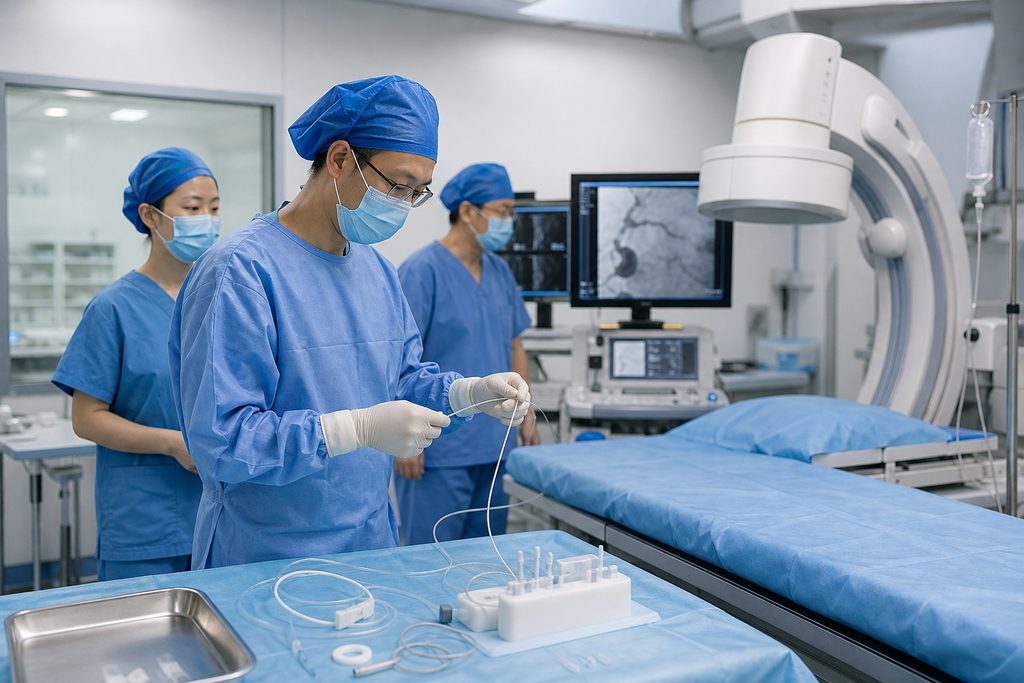
When 54-year-old Daniel from Manchester received his cholangiocarcinoma diagnosis, his oncologist laid out a sobering timeline. Surgery within six weeks, followed by adjuvant chemotherapy. The wait for a hepatobiliary surgeon in the UK stretched to nine weeks. Daniel started searching for alternatives. That search led him to Shanghai.
His question was simple: where is the best hospital for cholangiocarcinoma Shanghai patients trust, and what does it actually cost? The answer involves one institution that keeps appearing in every serious conversation about hepatobiliary surgery in Asia. Oriental Hepatobiliary Surgery Hospital, affiliated with the Second Military Medical University, handles a surgical volume that most Western centers simply cannot match. The China Medical Services team has coordinated care for international patients there. We know the real numbers.
Bile Duct Cancer Treatment Cost China: The Short Answer
For a complex bile duct resection with reconstruction at Oriental Hepatobiliary Surgery Hospital, international patients should budget between $18,000 and $35,000 USD for the surgical admission. That figure covers the operation, hospital stay, standard medications, and routine post-operative monitoring. It does not include pre-operative imaging, long-term chemotherapy, or travel costs.
That range is a fraction of what the same procedure costs in the United States, where a Whipple procedure or major bile duct resection routinely exceeds $150,000 before complications. But cost is not the only reason patients choose Shanghai. Surgical volume matters. A surgeon who performs 200 bile duct resections annually sees patterns that a surgeon performing 20 does not.
Still, the pricing is not a flat menu. The Oriental Hepatobiliary Surgery Hospital price list varies by ward class, surgical complexity, and whether you go through the international VIP department or the standard public pathway. That variance is exactly what we explain below.
Who This Is Right For — and Who It Isn’t
Traveling to China for bile duct cancer surgery is a serious decision. It suits some patients perfectly. For others, staying closer to home is the better call.
Typically a good candidate:
- Diagnosed with resectable hilar or distal cholangiocarcinoma, confirmed by recent CT/MRI and ideally biopsy
- Stable enough to fly internationally — ECOG performance status 0 or 1
- Facing a wait time at home longer than 4–6 weeks for surgery
- Self-funding or carrying insurance with international coverage
- Accompanied by a family member who can stay for at least 2–3 weeks
Should not pursue this:
- Metastatic disease requiring systemic therapy only — surgery will not help and travel adds risk
- Active cholangitis or sepsis that requires immediate local intervention
- Severe cardiopulmonary comorbidities that make long-haul flight unsafe
- No accompanying person and limited English or Mandarin — the hospital is excellent, but logistics are real
If you fall into the second list, no hospital in Shanghai can fix that. And no honest coordinator should pretend otherwise.
The Options, Compared
Patients weighing is bile duct cancer surgery safe in China usually compare three pathways: staying in their home country, traveling to another Western center, or going to a high-volume Chinese hepatobiliary center. Here is the honest breakdown.
| Factor | Home Country (US/UK/EU) | Other Western Center | Oriental Hepatobiliary, Shanghai |
|---|---|---|---|
| Surgical cost (complex resection) | $120,000–$250,000+ | $80,000–$180,000 | $18,000–$35,000 |
| Typical wait for surgery | 4–12 weeks | 3–8 weeks | 1–3 weeks after in-person evaluation |
| Annual case volume per surgeon | 15–40 | 20–60 | 150–300 |
| Language barrier | None | None | Significant without a companion |
| Post-op follow-up continuity | Excellent | Good | Requires remote coordination |
| Payment model | Insurance direct billing | Insurance direct billing | Pre-payment, then reimburse |
The surgical safety question deserves a direct answer. Chinese hepatobiliary centers report perioperative mortality rates for major liver and bile duct resections that are comparable to high-volume Western centers — typically under 3% for elective resections at top institutions. Volume drives safety. The complication profile is similar: bile leak, infection, bleeding. What differs is the speed of access and the cost.
Oriental Hepatobiliary Surgery Hospital Price List: What the Numbers Actually Mean
People searching for the Oriental Hepatobiliary Surgery Hospital price list usually want a line-item breakdown. Public hospitals in China do not publish fixed price lists for international patients the way private hospitals do. Charges are calculated per admission based on ward class, surgical complexity, and consumables used.
Here is what we have seen across coordinated cases, presented as ranges in USD:
- Pre-operative imaging package (CT, MRI, MRCP, labs): $800–$1,500
- Standard ward surgical admission (7–14 days): $12,000–$20,000
- VIP/international ward surgical admission: $25,000–$40,000
- Surgeon’s fee (included in admission, not billed separately): Included
- Adjuvant chemotherapy (per cycle, outpatient): $1,500–$4,000 depending on regimen
- Bilingual medical companion: from $300/day
These are not quotes. They are planning ranges. Your final cost depends on whether the tumor involves the hepatic artery or portal vein, whether a liver resection is needed alongside the bile duct resection, and how many days you spend in ICU.
One thing that surprises Western patients: the surgical fee is not billed separately. In China’s public hospital system, the surgeon’s compensation is bundled into the admission charges. That is why the total looks dramatically lower than itemized US hospital bills.
How Long Is Recovery After Bile Duct Surgery?
How long is recovery after bile duct surgery depends on the extent of resection. A straightforward extrahepatic bile duct resection with hepaticojejunostomy typically means 7–10 days in hospital. A more radical resection combining bile duct excision with partial hepatectomy extends the stay to 10–14 days.
Week-by-week, here is what most patients experience:
Weeks 1–2: Hospital stay. Drains are removed gradually. Walking begins on day 2 or 3. Appetite returns slowly. Pain is managed with epidural or IV analgesia.
Weeks 3–6: At home or in a nearby serviced apartment. Energy remains low. Wound care continues. Most patients can manage stairs and short walks by week 4.
Months 2–3: Return to work for desk jobs is often possible. Physical jobs take longer. Adjuvant chemotherapy, if indicated, typically starts around week 6–8.
Months 6–12: Full recovery for most. Surveillance imaging every 3–6 months. Some patients experience chronic loose stools after hepaticojejunostomy — this is common and manageable with dietary adjustment and medication.
Recovery in Shanghai does not mean you must stay in Shanghai for months. Many patients return home 2–3 weeks after surgery and continue chemotherapy locally, with records translated and shared. That hybrid model keeps total travel costs down.
Practical Considerations: Visas, Records, and Payment
Planning to book bile duct cancer treatment Shanghai involves more than choosing a hospital. The logistics are manageable, but only if you know the rules.
Visa: Medical treatment in China falls under the S2 visa category for short stays, with S1 for stays exceeding 180 days. The hospital’s international department provides an invitation letter and treatment confirmation, which you submit with your application. Family members accompanying you apply for their own S2 visas. Do not apply for an M visa — that is for commercial and trade activities, not medical care.
Medical records: Bring everything. Recent contrast-enhanced CT or MRI (DICOM files on a USB drive are ideal), biopsy pathology slides and reports, liver function tests, tumor markers (CA19-9, CEA), and any prior surgical or endoscopic reports. Chinese hepatobiliary surgeons will want to review original imaging, not just written reports.
Payment: Public hospitals in China require pre-payment. You deposit funds at admission, and charges are deducted daily. International credit cards are accepted at the international department, but wire transfer is more reliable for large deposits. After discharge, you receive itemized receipts for insurance reimbursement.
Language: The international department has English-speaking coordinators, but ward nurses and junior doctors may not speak English fluently. A bilingual medical companion changes the experience completely — handling registration, translating during rounds, and explaining medication instructions.
Follow-up after returning home: You will need a local oncologist willing to continue care based on Chinese treatment records. We help translate discharge summaries and imaging reports. Most Western oncologists accept well-documented surgical records without issue.
Frequently Asked Questions
At top hepatobiliary centers like Oriental Hepatobiliary Surgery Hospital, perioperative mortality for elective bile duct resections is under 3% — comparable to high-volume Western centers. The key factor is surgeon volume. Chinese specialists at these centers perform several hundred complex hepatobiliary procedures annually. Safety is not the main concern; coordination and communication are the real challenges for international patients.
No. Chinese public hospitals require an in-person outpatient evaluation before scheduling surgery. The surgeon must examine you, review original imaging, and confirm the surgical plan. You can, however, arrange a remote video consultation first to determine whether your case is suitable. That step saves a wasted trip if surgery is not indicated.
This is the hardest question, and the answer is honest: you need a local surgeon or hepatologist willing to manage post-operative issues. Late complications like anastomotic stricture or cholangitis can occur months after surgery. Chinese hospitals provide detailed discharge documentation, but they cannot manage emergencies from 8,000 kilometers away. Before traveling, confirm that your home medical team will accept follow-up care.
Most Western insurance plans do not directly reimburse treatment at Chinese public hospitals, though some international plans do. You typically pay upfront and submit itemized receipts for reimbursement. Check your policy’s out-of-network and international coverage clauses before committing. Some patients combine self-pay for surgery with insurance-covered chemotherapy at home.
The standard ward costs less but has shared rooms, limited English support, and tighter visiting hours. The VIP international ward offers private rooms, English-speaking staff, and more flexible visiting — at roughly 1.5 to 2 times the price. If you are traveling alone without a companion, the VIP ward is worth the extra cost. If you bring a bilingual companion and want to minimize expenses, the standard ward works.
Your Next Step
Bile duct cancer is aggressive. Waiting too long for surgery changes outcomes. If you are considering Shanghai, the first step is not booking a flight. It is getting an honest assessment of whether your case is suitable for treatment there.
We are China Medical Services. We are not a hospital, and we do not provide diagnoses or medical advice. What we do is coordinate the logistics: connecting you with the right hepatobiliary department, arranging remote consultations, handling visa invitation documents, and providing bilingual companions on the ground. Our consultation service starts with a conversation about your diagnosis, your records, and your goals. No pressure. Just clarity on whether this path makes sense for you.
Daniel flew to Shanghai eight weeks after his diagnosis. Surgery happened four days after his first in-person evaluation. He returned to Manchester three weeks later, drains removed, pathology clear margins, already scheduled for adjuvant chemotherapy at his local cancer center. That is what the right coordination looks like.
For more medical information and treatment options in China, visit chinamedservices.com (China Medical Services).
