Why Brain Tumor Surgery Costs Less in China: A Patient Guide
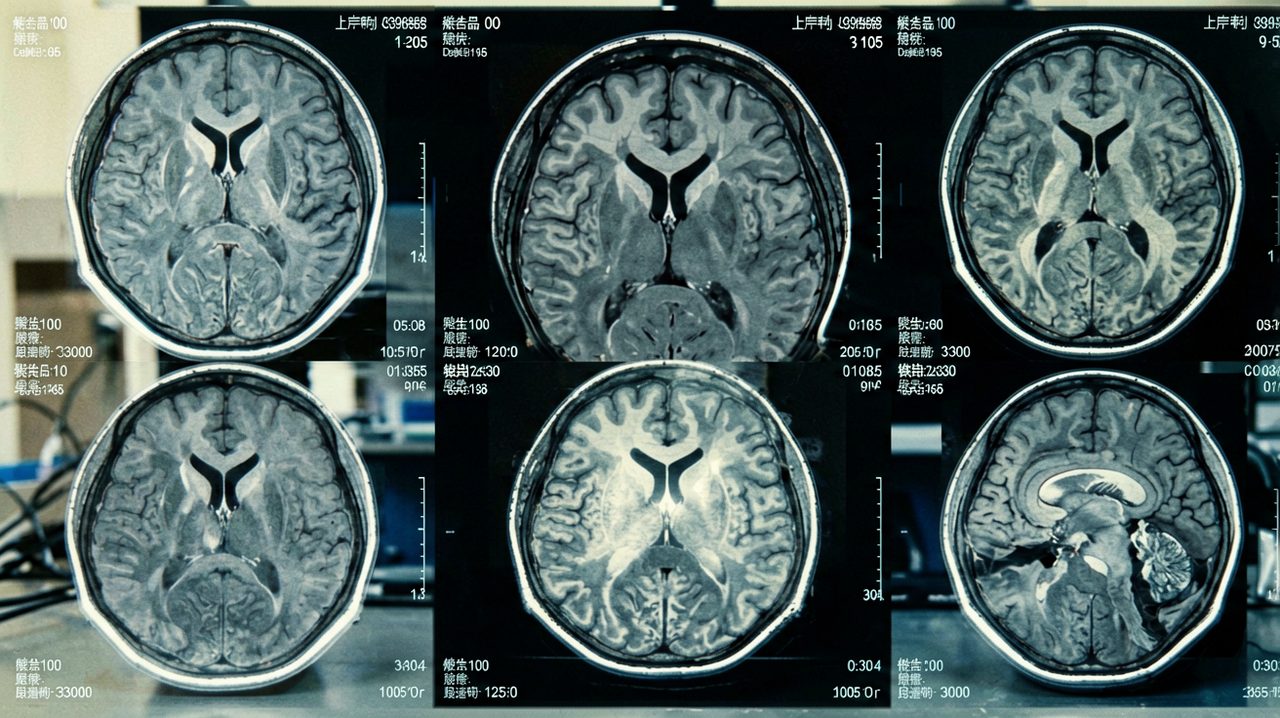
When 42-year-old Michael first heard the diagnosis, he had no idea where to start looking for treatment. A 3.2 cm meningioma. The quote from his local hospital system in Houston came back at $96,000 for the surgical resection alone. His insurance out-of-pocket maximum was $14,000, which helped, but the hospital wanted $38,000 upfront as a deposit before scheduling. He had savings. He also had a mortgage, two kids, and a growing fear that the system was designed to drain him before it healed him.
Michael is not unusual. Approximately 700,000 Americans live with a primary brain tumor, and the average cost of craniotomy in the United States ranges from $50,000 to $150,000 depending on tumor type, location, and hospital. For patients without comprehensive insurance — or with high-deductible plans — these numbers are not abstract. They are the difference between treatment and delay.
That reality is what drives thousands of patients each year to research the brain tumor surgery cost in China. The question is whether the savings are real, whether the quality holds up, and what the actual process looks like for a foreigner. Those are exactly the questions this guide answers.
Key Takeaways
- Brain tumor surgery at top Chinese public hospitals typically ranges from $15,000 to $35,000, roughly one-fifth to one-third of the U.S. average.
- China’s top neurosurgery departments perform thousands of craniotomies annually, with many surgeons completing 300-500 tumor resections per year.
- Foreign patients cannot simply book surgery online — a formal in-person or video consultation through the hospital’s international department is mandatory first.
- Language, documentation, and aftercare logistics are the real challenges; the surgery itself is often the most straightforward part.
The Problem: The Cost of Waiting Is Measured in Dollars and Outcomes
Brain tumors do not politely wait for financial planning. A meningioma may grow slowly, but a glioblastoma can double in size within weeks. The pressure to decide quickly collides with the reality of medical billing in Western systems.
In the United States, the average billed charge for a craniotomy exceeds $100,000. Even negotiated insurance rates land between $40,000 and $80,000. For the 27 million Americans without health insurance, those numbers are impossible. For the millions more with high-deductible plans, they are devastating.
The United Kingdom’s NHS provides care without direct billing, but wait times for non-emergency neurosurgery can stretch to 18 weeks or more. Canada’s median wait for neurosurgery sits around 33 weeks. Australia reports similar backlogs. Patients with aggressive tumors cannot afford to wait that long.
So they look elsewhere. Thailand, India, Turkey, South Korea — and increasingly, China.
Why Brain Tumor Surgery Cost China Delivers Real Savings Without Cutting Corners
The cost gap is not marketing fiction. It reflects structural differences in how Chinese hospitals operate. Understanding those differences matters more than memorizing price lists.
Clinical Volume Creates Surgical Repetition
A senior neurosurgeon at a top Chinese hospital may perform 300 to 500 brain tumor resections per year. The average U.S. neurosurgeon performs roughly 50 to 100. Volume does not guarantee skill, but in neurosurgery, repetition is the foundation of competence.
Huashan Hospital in Shanghai, one of China’s most respected neurosurgery centers, performs over 20,000 neurosurgical procedures annually. Tiantan Hospital in Beijing, the largest neurosurgery center in the world, handles more than 30,000 neurosurgical cases each year. These are not small departments. They are assembly lines of specialized expertise.
Technology Parity at a Fraction of the Operating Cost
Chinese top-tier hospitals use the same intraoperative MRI, neuronavigation, and awake craniotomy protocols found in leading Western centers. The difference is the cost of running them. A hospital bed in Shanghai costs a fraction of one in Boston. Nursing labor, surgical support staff, and facility overhead all run lower.
That does not mean the equipment is older or the staff less trained. Many Chinese neurosurgeons complete fellowships in the United States, Germany, or Japan before returning to lead departments. The technology is current. The operational economics are simply different.
Structural Cost Advantages, Not Quality Compromises
Lower cost does not automatically mean lower quality. In China’s top public hospitals, the savings come from three sources: lower labor costs, higher patient throughput, and government-subsidized infrastructure. The clinical protocols — sterile technique, imaging standards, tumor board reviews — follow international norms.
Is brain tumor surgery safe in China? At hospitals ranked in the Fudan University Hospital Rankings’ top tier for neurosurgery, the answer is yes, with complication rates comparable to Western benchmarks. The key is choosing the right hospital. A random provincial hospital is not the same as a top-tier center in Beijing or Shanghai.
What Brain Tumor Surgery Actually Costs in China: A Realistic Breakdown
Patients asking “how much is brain tumor removal in Shanghai” usually want a single number. The honest answer is a range. Tumor type, location, surgical approach, and hospital tier all move the final figure.
| Procedure / Service | China (Top Public Hospital) | United States (Average) |
|---|---|---|
| Standard craniotomy (meningioma) | $15,000 – $25,000 | $50,000 – $100,000 |
| Complex skull-base tumor resection | $25,000 – $40,000 | $80,000 – $150,000 |
| Awake craniotomy (eloquent cortex) | $20,000 – $35,000 | $70,000 – $130,000 |
| Pre-surgical imaging (MRI, fMRI, DTI) | $500 – $1,500 | $3,000 – $8,000 |
| Hospital stay (per day, ICU) | $300 – $800 | $4,000 – $8,000 |
These figures vary by hospital and case complexity. Private international hospitals in China — such as United Family or Jiahui — charge more, often $40,000 to $70,000 for similar procedures. The savings remain, but the gap narrows.
For patients seeking an affordable brain tumor treatment abroad China option, the public hospital international department route offers the strongest value. These departments charge above standard local rates but far below Western prices, and they provide English-speaking coordinators and expedited scheduling.
Choosing the Best Hospital for Brain Tumor Surgery in China: What Actually Matters
The question “what is the best hospital for brain tumor surgery in China” has no single answer. Tumor type dictates the right institution. A patient with an acoustic neuroma needs a different team than one with a glioblastoma.
Beijing Tiantan Hospital is the global leader in neurosurgery volume and handles complex skull-base tumors routinely. Huashan Hospital in Shanghai excels in intraoperative brain mapping and awake craniotomy. West China Hospital in Chengdu has a strong neuro-oncology program with integrated radiation options.
For foreign patients, the hospital’s international department matters as much as its neurosurgery ranking. A top surgical team without an English-speaking coordinator creates friction at every step — registration, imaging, billing, discharge. The right choice balances clinical reputation with operational support for foreigners.
Our team maintains a database of 340+ top-ranked hospitals across 37 Chinese cities, including detailed profiles of neurosurgery departments and their international service capabilities. The Fudan University Hospital Rankings place these institutions in the top 5% of China’s 35,000+ hospitals.
How the Process Works for International Patients: A Step-by-Step Reality Check
Booking brain tumor surgery in China is not like booking a hotel. You cannot simply email a hospital and reserve an operating room. The process follows a defined sequence.
First, you submit your existing medical records — MRI images, pathology reports, clinical notes. The hospital’s neurosurgery team reviews them. This step alone can take one to two weeks.
Second, you have a consultation. This may be a video consultation ($100 to $300) or a written second opinion ($300 to $500). The surgeon evaluates whether your case is appropriate for their department and what surgical approach they recommend.
Third, you travel to China for an in-person evaluation. Chinese public hospitals require a face-to-face outpatient visit before scheduling surgery. No legitimate hospital will book your operation sight unseen. The in-person visit typically happens one to three days before admission.
Fourth, you are admitted and surgery is scheduled. Depending on the hospital and surgeon’s availability, this may be within one to two weeks of the in-person evaluation.
Fifth, you recover in the hospital, typically five to ten days for uncomplicated craniotomy. Then you are discharged with a follow-up plan.
The entire process, from first contact to surgery, usually takes three to six weeks. Patients who want to book a brain tumor surgery China package should understand that “package” means coordinated logistics — not a bypass of clinical evaluation.
Practical Considerations: Visas, Payments, and What You Must Bring
The logistics are manageable, but they require preparation. Here is what you actually need to know.
Visa: S2 Is the Correct Category
Foreign nationals traveling to China for medical treatment apply for an S2 visa, which covers short-term private affairs including medical treatment. Family members accompanying you also apply for S2 visas. The M visa is for commercial and trade activities — it is not appropriate for medical travel. Processing typically takes one to two weeks, and you will need an invitation letter from the hospital confirming your treatment arrangement.
Payment: Upfront Deposits Are Standard
Chinese public hospitals require prepayment. Expect to pay the full estimated surgical cost as a deposit before admission. The hospital international department will provide an itemized estimate. Most accept international credit cards or bank transfers. Private international hospitals in China may offer direct insurance billing, but public hospital international departments generally require self-payment with reimbursement claimed from your insurer afterward.
Medical Records: Bring Everything, Digitized and Translated
Hospitals will want your complete imaging on CD or USB, not just printed reports. Bring pathology slides if a diagnosis is being re-confirmed. Have a summary of your medical history translated into English — most Chinese hospital international departments operate in English, but local records systems do not.
Language: The Hospital Is Not the Barrier — Everything Around It Is
Inside the international department, you will find English-speaking staff. Outside those walls — at the pharmacy, the imaging center, the billing office — English disappears. A bilingual medical companion who handles registration, queueing, payment, and translation is not a luxury. It is the difference between a smooth process and a daily struggle. This is the most underappreciated aspect of seeking treatment in China.
Practical tip: Request a written treatment plan and cost estimate from the hospital’s international department before traveling. This document is essential for your visa application and for any insurance pre-authorization.
Frequently Asked Questions
At top-tier hospitals — those ranked in the Fudan University Hospital Rankings’ neurosurgery category — safety outcomes are comparable to Western benchmarks. Complication rates for standard craniotomy at these centers fall within the same range reported by major U.S. and European institutions. The critical variable is hospital selection. A top-tier center in Beijing or Shanghai is not equivalent to an unranked provincial hospital.
No. Chinese public hospitals require an in-person outpatient evaluation before scheduling surgery. You can complete a remote consultation and receive a preliminary surgical recommendation, but the final scheduling decision happens after you arrive and meet the surgical team. Any service promising to book your surgery before you travel is not operating through legitimate hospital channels.
Top Chinese neurosurgery departments have full ICU capabilities, 24-hour neurosurgical coverage, and experience managing complex complications. Your care team will include senior surgeons, not just residents. After discharge, you should have a clear follow-up plan — either with the Chinese hospital via telemedicine or with a neurosurgeon in your home country. Discuss complication management protocols during your initial consultation, not after surgery.
Most Western insurers do not cover elective surgery in China unless you have a specific international health plan. Some plans offer out-of-network reimbursement at reduced rates. You will likely pay upfront and seek reimbursement afterward. Obtain a detailed cost estimate and treatment plan from the hospital before surgery, and submit it to your insurer for pre-determination if possible.
Your Next Step
The decision to have brain tumor surgery in China is not one to make lightly. The savings are real, the clinical quality at top hospitals is strong, and the logistics are surmountable with preparation. But it is not for everyone. Patients with complex cases requiring long-term multidisciplinary follow-up should weigh the difficulty of coordinating care across borders.
Our team at China Medical Services helps international patients evaluate whether Chinese hospitals are the right fit for their specific case. We are not a hospital and we do not provide diagnoses. We help you understand your options, connect with appropriate institutions, and navigate the documentation and logistics. If you want to explore whether this path makes sense for you, start with a free consultation — we will review your situation and give you an honest assessment.
For more medical information and treatment options in China, visit chinamedservices.com (China Medical Services).
