Cardiac Valve China Bahrain: Repair Excellence with Gulf Diet Support
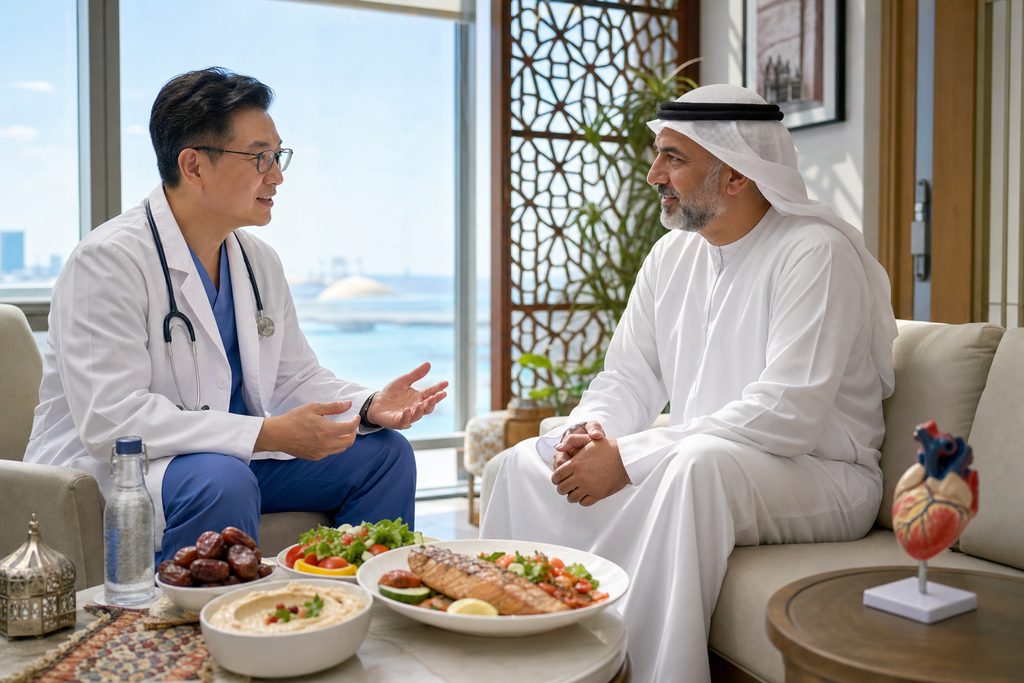
You have probably heard that traveling abroad for heart surgery means sacrificing familiar comforts. Bland hospital food. Language barriers that leave you stranded. A recovery process that ignores everything you know about healing. The reality for Gulf patients choosing China for heart valve repair is nothing like that. Not anymore.
We have seen the numbers shift dramatically over the past five years. Patients from Manama, Dammam, and Kuwait City are asking a different question. Not “can China do this?” but “which Chinese cardiac center matches my needs best?” The answer often surprises them. China’s top heart hospitals now perform over 14,000 cardiac surgeries annually at a single center—Fuwai Hospital in Beijing alone. That volume dwarfs anything available in the Gulf region. And the dietary support infrastructure for Middle Eastern patients has matured alongside the surgical expertise.
Why does this matter for someone facing a valve repair decision? Because volume drives outcomes. Because cultural accommodation affects recovery. And because the cost gap is wide enough to reshape what is possible for your family.
Key Takeaways
- China’s top cardiac centers perform valve repairs at 60-80% less than equivalent care in Bahrain’s private hospitals, with outcomes comparable to international benchmarks
- Major Chinese cardiac hospitals now offer dedicated halal kitchen facilities and Arabic-speaking patient coordinators—this is not a niche service but a standard offering at tier-one centers
- Valve repair is not a single procedure; Chinese surgeons increasingly favor repair over replacement when anatomically feasible, preserving native tissue and avoiding lifelong anticoagulation
- You will need to navigate visa requirements, medical record translation, and post-operative follow-up planning before committing—this article covers each step honestly
The Problem: When Cardiac Care at Home Hits a Wall
Heart valve disease does not announce itself gently. One day you notice shortness of breath climbing stairs. Then fatigue that sleep does not fix. For Gulf Cooperation Council residents, the diagnosis often comes with a second shock: the treatment path is narrower than expected. Bahrain’s cardiac surgery capacity is concentrated at the Mohammed Bin Khalifa Bin Salman Al Khalifa Specialist Cardiac Centre. It is a capable facility. But it handles roughly 300-400 open-heart procedures annually. For complex valve repairs requiring specialized techniques—minimally invasive approaches, robotic-assisted surgery, complex mitral repairs—the options shrink further.
Then comes the financial calculation. A mitral valve repair in a Bahrain private hospital can range from $35,000 to $55,000. In Saudi Arabia’s private sector, similar figures apply. For patients without comprehensive insurance, this is a crushing sum. Even with coverage, waiting times for non-emergency valve surgery can stretch to 4-6 months in public systems across the Gulf. That is months of deteriorating heart function. Months of reduced ejection fraction. Months where the window for repair—rather than replacement—narrows.
Some patients look to India or Thailand. But those destinations rarely offer the specific combination Gulf patients now seek: high surgical volume with demonstrable outcomes, plus dietary and cultural infrastructure that makes a two-week hospital stay feel less foreign. China has stepped into that gap. Not with marketing promises. With measurable infrastructure.
Why China’s Cardiac Centers Deliver Results for Valve Patients
Surgical Volume That Reshapes Surgeon Skill
A cardiac surgeon who performs 20 mitral valve repairs annually operates differently from one who performs 200. This is not speculation. A 2017 study in the Journal of the American College of Cardiology found that hospitals performing more than 40 mitral valve surgeries annually had significantly lower operative mortality rates. China’s top centers operate at a different scale entirely. Fuwai Hospital’s cardiac surgery department completes over 14,000 procedures yearly. Its surgeons specialize—one team handles only mitral repairs, another focuses on aortic valve procedures. This hyper-specialization is possible because the patient volume supports it.
Compare this to the Gulf region. A surgeon in Bahrain or Kuwait may handle coronary bypasses, congenital defects, and valve cases in the same week. That breadth is admirable. But for a complex mitral repair requiring chordal reconstruction or ring annuloplasty, focused repetition matters. Chinese surgeons see more valve pathologies in a month than many Gulf surgeons encounter in a year. And they increasingly favor repair over replacement. At Fuwai, the mitral repair rate for eligible patients exceeds 80%. That statistic matters because repair preserves the native valve apparatus, maintains left ventricular function, and eliminates the need for lifelong warfarin therapy.
Cost Structures That Defy Western Assumptions
Lower cost does not signal lower quality here. It signals different economic fundamentals. A mitral valve repair at a top Chinese public hospital costs between $15,000 and $25,000 for international patients through the VIP or international department channel. An aortic valve repair runs $18,000 to $28,000. These figures include surgeon fees, hospital stay, operating theater costs, and basic post-operative care. They do not include travel, accommodation, or coordination services.
Why the gap? Chinese hospital pricing is regulated differently. Physician salaries are not tied to procedure volume in the same way as fee-for-service Western models. Hospital infrastructure is amortized across enormous patient volumes. And the international department pricing—while higher than domestic rates—still reflects the underlying cost structure rather than a premium layered on top of a premium. The result: you pay 60-80% less than Bahrain private hospital rates for procedures performed at centers with outcomes published in The Lancet and the New England Journal of Medicine.
| Procedure | China (International Dept.) | Bahrain (Private) | USA (Average) |
|---|---|---|---|
| Mitral Valve Repair | $15,000–$25,000 | $35,000–$55,000 | $80,000–$150,000 |
| Aortic Valve Replacement | $18,000–$28,000 | $40,000–$60,000 | $100,000–$200,000 |
| Minimally Invasive Valve Surgery | $22,000–$32,000 | $50,000–$70,000 | $90,000–$180,000 |
Figures are approximate ranges for international patients and vary by hospital, case complexity, and length of stay. Always request a personalized quotation.
How Safe Is Heart Valve Surgery in China for International Patients
Safety is the question that keeps patients awake at night. Not cost. Not logistics. The quiet fear that something will go wrong in a foreign operating theater, far from the doctors who know your history. Let us address this directly.
China’s top cardiac centers report operative mortality rates for isolated valve surgery between 0.5% and 1.5%, depending on patient risk profile. These figures align with Society of Thoracic Surgeons benchmarks from the United States. Fuwai Hospital’s overall cardiac surgery mortality rate hovers around 0.6%—a number that reflects enormous volume and standardized protocols. Zhongshan Hospital in Shanghai and West China Hospital in Chengdu report similarly competitive outcomes.
Infection control is taken seriously. International departments in tier-one hospitals follow protocols that meet Joint Commission International standards. Many have dedicated international wards with private rooms, reducing cross-infection risk. The language barrier in the operating theater is a non-issue: surgical teams use standardized English terminology for instruments and procedures. The anesthesiologists managing your case have typically trained in thousands of cardiac cases.
But safety is not just about the surgery itself. It is about what happens when the unexpected occurs. Chinese hospitals of this caliber have 24/7 in-house intensivist coverage in cardiac ICUs. Blood banks are well-stocked. Emergency re-operation capability exists on-site. These are structural safety features—not marketing claims. You can verify them by requesting hospital quality data before committing. Reputable centers will share their numbers.
Best Cardiac Hospitals in China with Halal Food and Diet Support
This is where the conversation shifts from clinical excellence to lived experience. A successful valve repair means nothing if you spend two weeks eating food that violates your dietary requirements or leaves you nutritionally depleted for recovery.
Fuwai Hospital in Beijing maintains a halal kitchen certified by the Islamic Association of China. The international patient ward offers a dedicated halal menu with Arabic and English translations. Meals are prepared separately and delivered on designated trays. This is not a makeshift arrangement. It is an established service built for the growing number of Middle Eastern and Southeast Asian patients traveling to Fuwai for cardiac care.
Zhongshan Hospital in Shanghai has followed suit. Its international medical center coordinates with halal-certified catering services and can accommodate specific Gulf dietary preferences—dates, laban, grilled proteins, rice-based dishes that align with post-operative nutritional needs. West China Hospital in Chengdu, a major destination for patients from Central Asia and the Middle East, offers similar infrastructure.
What about during recovery? A heart valve replacement recovery diet plan Gulf patients follow typically emphasizes lean proteins for wound healing, low-sodium intake to manage fluid balance, and avoidance of vitamin K-rich foods if a mechanical valve requires warfarin therapy. Chinese hospital dietitians in international departments are familiar with these protocols. They can adjust meal plans to exclude ingredients common in Chinese cuisine that conflict with anticoagulation management—like excessive green tea, certain herbal soups, or high-vitamin K vegetables served in large quantities.
Practical step: Before traveling, request a sample halal menu from the hospital’s international patient office. Confirm certification, meal timing, and whether a family member can supplement with outside food if needed. Most tier-one centers will accommodate reasonable requests.
Cardiac Valve Surgery Packages China for Gulf Patients: What They Actually Include
The term “package” gets thrown around loosely in medical tourism. Sometimes it means a bundled price. Sometimes it means a marketing brochure with no operational substance. Here is what a real cardiac valve surgery package China for Gulf patients looks like at a reputable center.
A standard international patient package for valve repair includes: pre-operative evaluation (echocardiography, ECG, blood work, chest X-ray, and any necessary advanced imaging like cardiac CT), the surgical procedure itself with surgeon and anesthesiologist fees, standard ICU stay (typically 2-3 days for uncomplicated valve repair), step-down ward stay (5-7 days), basic post-operative medications during hospitalization, and one follow-up consultation before discharge. The total cost range we outlined earlier—$15,000 to $28,000—covers these elements.
What is not included? Airfare, visa fees, accommodation for family members, extended ICU stays beyond the standard period, blood products beyond routine requirements, and any rehabilitation or physiotherapy after discharge. Also not included: coordination services that handle medical record translation, hospital registration, and bilingual accompaniment. Those are separate and optional.
Some hospitals offer premium packages that add private room upgrades, dedicated nursing ratios, and concierge services. These push the cost toward the higher end of the range. The value calculation depends on your priorities. A patient recovering from sternotomy who wants family members to stay overnight will need a private room. That is an upgrade worth requesting upfront.
Recovery and Diet: What the First Month Looks Like
The incision heals in weeks. The sternum takes months. Your appetite returns before your energy does. Understanding this timeline helps you prepare practically and mentally.
Days 1-3 post-op: You are in the cardiac ICU. Eating is not the priority—hemodynamic stability is. The hospital will provide clear liquids and soft foods as tolerated. Halal options should be available from day one if arranged in advance. Your family cannot stay in the ICU overnight, but visiting hours are typically generous in international wards.
Days 4-7: You move to the step-down ward. Appetite begins to return. This is when the heart valve replacement recovery diet plan Gulf patients need becomes critical. The dietitian will recommend small, frequent meals. Grilled fish, chicken, rice, steamed vegetables, dates for energy. Sodium is restricted to prevent fluid retention—a common post-operative concern that can mimic heart failure symptoms. If you are on warfarin for a mechanical valve, the dietitian will counsel you on consistent vitamin K intake. Not zero vitamin K—that is a dangerous myth. Consistent intake so your INR remains stable.
Weeks 2-4: You are likely back in Bahrain or your home country by now. The sternal precautions continue—no lifting over 5 kg, no driving, no pushing or pulling heavy objects. Cardiac rehabilitation should begin within 2-4 weeks of discharge if your local cardiologist clears you. The dietary principles from the hospital stay carry forward: lean proteins, controlled sodium, consistent vitamin K if on warfarin, and gradual return to normal eating patterns.
One thing patients often underestimate: the emotional recovery. Open-heart surgery is a psychological event as much as a physical one. Some patients experience post-operative depression or anxiety. This is normal. It passes. Having family support and realistic expectations about the recovery trajectory makes a measurable difference.
Practical Considerations: Documentation, Visa, and Payment
You cannot book a valve repair like a hotel room. The process requires documentation that proves you are a suitable candidate and that the Chinese hospital is willing to accept your case.
Start with your medical records. You will need a recent echocardiogram report (within 3 months), a cardiac catheterization report if coronary artery disease is suspected, a complete blood panel including coagulation profile, and a referral letter or summary from your treating cardiologist. These documents must be translated into English or Chinese. Most international patient departments accept English. If your records are in Arabic, factor in certified translation time and cost—roughly $200-400 for a complete cardiac file.
For the visa: you will apply for an S2 visa, which covers short-term private affairs including medical treatment. The hospital’s international department will issue an invitation letter confirming your admission and treatment plan. This letter is essential for the visa application. Processing time varies by Chinese embassy location but typically takes 5-10 working days. Do not book flights until the visa is approved. Family members accompanying you also apply for S2 visas with supporting documentation.
Payment is upfront. Chinese public hospitals require a deposit before admission, typically 50-80% of the estimated total. The balance is settled before discharge. International departments accept wire transfers and major credit cards. Some accept UnionPay. Cash payments in foreign currency are complicated and best avoided. If you are using insurance, confirm whether your policy covers treatment in China and whether the hospital can provide the documentation needed for reimbursement. Most Chinese public hospitals do not bill international insurers directly—you pay and then claim.
Important: The S2 visa is for short-term private affairs including medical treatment. The M visa is for commercial and trade activities and is not appropriate for medical travel. Using the wrong visa category can result in entry denial. Always confirm current requirements with the Chinese embassy or consulate in your country before applying.
Frequently Asked Questions
Yes, at major cardiac centers like Fuwai Hospital and Zhongshan Hospital, Arabic-speaking patient coordinators are available in the international departments. These coordinators assist with admission, explain pre-operative instructions, and help during recovery. For more comprehensive language support—including accompaniment to all appointments and real-time translation during consultations—third-party bilingual medical companion services are available. These are separate from hospital fees and typically start from $200 per day.
This is a legitimate concern. Before discharge, the Chinese surgical team will provide a detailed discharge summary in English, including operative notes, medication list, and follow-up recommendations. You should share this with your local cardiologist in Bahrain immediately upon return. Most post-operative complications—wound infections, arrhythmias, pleural effusions—can be managed by a competent cardiac team in the Gulf. The Chinese hospital will typically offer one remote follow-up consultation by video within 30 days of discharge. For anything requiring re-intervention, you would return to China or seek care locally depending on urgency and your surgeon’s advice.
Request the hospital’s annual cardiac surgery report. Reputable centers publish these with operative volumes, mortality rates by procedure type, and complication rates. Cross-reference with published literature—Fuwai, Zhongshan, and West China hospitals all have peer-reviewed outcomes data in international journals. You can also ask for the international department’s patient satisfaction data and the number of valve procedures performed on international patients in the past year. A hospital that hesitates to share these numbers is sending a signal you should not ignore.
The surgeon will assess valve repairability pre-operatively using echocardiography. But the final decision happens in the operating theater when the valve is directly visualized. Chinese surgeons at top centers have repair rates above 80% for mitral valves when pre-operative imaging suggests repairability. However, if intraoperative findings show severe calcification, rheumatic deformity, or endocarditis damage that makes durable repair impossible, the surgeon will proceed with replacement. You should discuss this contingency with your surgeon beforehand and consent to both possibilities. Repair is always preferable when feasible—it preserves native heart function and avoids lifelong anticoagulation—but replacement is sometimes the only safe option.
Your Next Step
The decision to travel abroad for heart surgery is never simple. It sits at the intersection of clinical judgment, financial calculation, and family logistics. What you should take away from this article is that China’s cardiac centers now offer a combination that was not available a decade ago: high-volume surgical expertise, transparent outcomes data, and cultural infrastructure that makes a two-week hospital stay in Beijing or Shanghai feel less like a leap into the unknown. Our team at China Medical Services helps patients navigate the practical side of this journey—hospital matching based on your specific valve pathology, medical record translation, visa invitation coordination, and on-the-ground bilingual support. We do not provide medical advice or make clinical decisions. Those remain between you and your surgeons. When you are ready to explore whether a specific Chinese cardiac center is the right fit for your case, we can help you take the first step with a free consultation at our patient services page.
For more medical information and treatment options in China, visit chinamedservices.com (China Medical Services).
