Why Cancer Treatment Costs Less in China: A Data-Driven Guide for International Patients
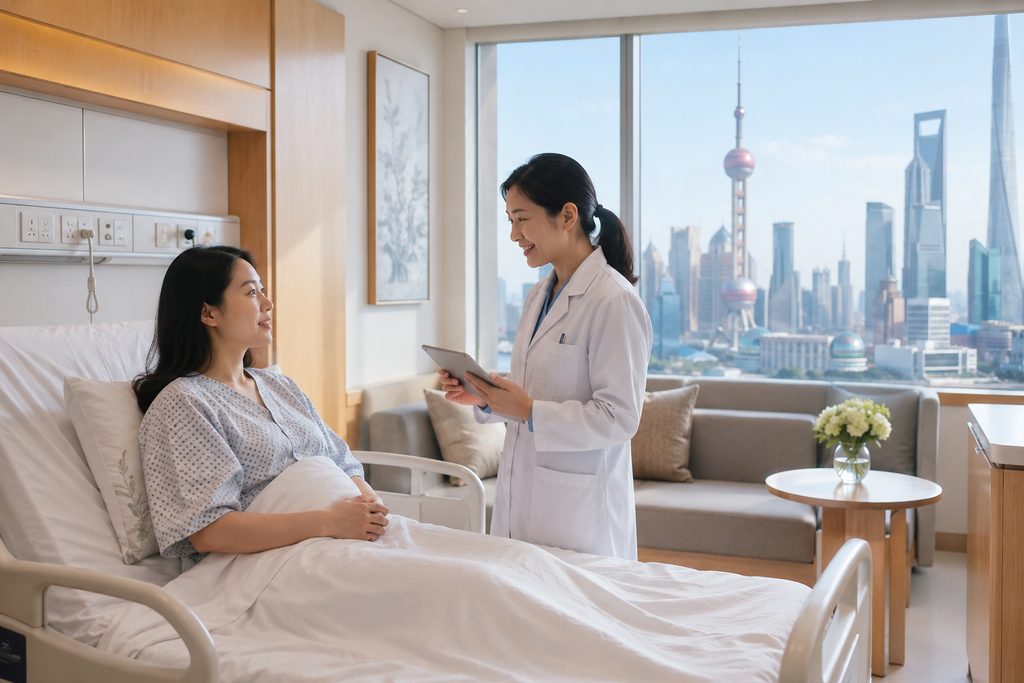
When 42-year-old Michael from Manchester received his stage II colorectal cancer diagnosis, his oncologist handed him a treatment plan with a sobering price tag: roughly $140,000 for surgery and adjuvant chemotherapy under private care. His insurance capped out at $80,000. Michael started searching for alternatives. That search led him to compare cancer treatment cost China vs USA — and the numbers stopped him cold. The same protocol at a top-tier Shanghai oncology center? Between $35,000 and $50,000. Not a typo.
That gap is real. It is also more nuanced than a simple currency conversion. Let us walk through exactly what drives the difference, where the savings come from, and what international patients should know before booking a flight.
Cancer Treatment Cost China vs USA: The Short Answer
Cancer treatment in China typically costs 50% to 80% less than comparable care in the United States. A course of immunotherapy that runs $120,000 to $200,000 annually in the US often lands between $30,000 and $60,000 in China. Major surgeries follow the same pattern. A radical prostatectomy quoted at $45,000 in the US might cost $12,000 to $18,000 at a top Chinese hospital.
But the caveat matters. You are not buying an identical product. Hospital infrastructure, drug sourcing, physician labor costs, and administrative overhead all differ. So do accreditation standards, nursing ratios, and the level of hand-holding you receive. Lower cost does not automatically mean lower quality — but it does mean you need to choose your hospital carefully.
Who This Is Right For — and Who It Isn’t
Traveling to China for cancer care is not a universal solution. Some patients benefit enormously. Others should stay home.
Typically good candidates:
- Patients with a confirmed diagnosis and complete medical records who need surgery, chemotherapy, radiation, or immunotherapy
- Those facing high out-of-pocket costs in their home country, even with insurance
- Patients who require treatment protocols widely available in China — lung, colorectal, gastric, liver, breast, and esophageal cancers are treated at very high volumes here
- People who can commit 4 to 8 weeks on the ground for initial treatment and recovery
- Families who want a written second opinion before making any travel decision
Who should not pursue this:
- Patients in acute crisis requiring immediate ICU-level care
- Those whose cancer type requires highly specialized clinical trials only running in the US or Europe
- Anyone unwilling to navigate language barriers, unfamiliar hospital systems, and different cultural norms around medical communication
- Patients with unstable conditions that make long-haul flights medically risky
Being honest about the second list is what makes the first list trustworthy.
The Options, Compared
Where you seek treatment changes both the price and the experience. Here is how the main options stack up for an international patient considering cancer care.
| Factor | US Private Hospital | China Top Public Hospital (International Dept) | China Private International Hospital |
|---|---|---|---|
| Radical prostatectomy | $40,000 – $70,000 | $12,000 – $20,000 | $25,000 – $40,000 |
| Immunotherapy (annual, PD-1/PD-L1) | $120,000 – $200,000 | $30,000 – $60,000 | $50,000 – $80,000 |
| Chemotherapy (6 cycles, standard regimen) | $30,000 – $60,000 | $8,000 – $18,000 | $15,000 – $30,000 |
| Radiation therapy (IMRT, full course) | $50,000 – $100,000 | $10,000 – $25,000 | $20,000 – $40,000 |
| English-speaking staff | Standard | Varies by international dept | Standard |
| Direct insurance billing | Standard | Rare — pay upfront, claim later | Common |
| Wait time for surgery | 2–6 weeks | 1–3 weeks via international dept | 1–2 weeks |
Top public hospitals offer the deepest savings. But you trade convenience. Private international hospitals in China — like United Family or Jiahui — cost more yet still undercut US prices by 30% to 50%, while offering Western-style service and direct insurance billing. For many patients, that middle path is the right compromise.
How Much Cheaper Is Cancer Treatment in China — and Why?
The price gap is not magic. It is structural. Three forces do most of the work.
Labor costs. A senior oncologist in Shanghai earns a fraction of what a US counterpart makes. Hospital nursing staff, technicians, and administrative teams also cost less. Labor is the single largest expense in any hospital, and China’s wage structure keeps it dramatically lower.
Pharmaceutical pricing. China’s national drug procurement program negotiates directly with manufacturers. Domestic PD-1 inhibitors — approved and widely used — cost $3,000 to $8,000 per cycle, compared with $15,000 to $25,000 for branded equivalents in the US. The drugs are not identical, but Chinese oncologists have deep experience with domestic immunotherapies. Immunotherapy cost China is frequently the deciding factor for patients who need long-term treatment.
Hospital economics. Chinese public hospitals operate at enormous scale. A single oncology department at Fudan University Shanghai Cancer Center sees more cancer patients in a month than many US cancer centers see in a year. That volume spreads fixed costs thin. It also means surgeons perform certain procedures hundreds of times annually — repetition that builds skill.
None of this means Chinese hospitals are “cheap” in the sense of cutting corners. It means the underlying cost structure is different. The savings are real and persistent.
Is Cancer Treatment in China Safe for Foreigners?
This is the question every patient asks, and it deserves a straight answer.
Safety depends on hospital selection. China has more than 35,000 hospitals. The top 5% — roughly 340 institutions ranked by the Fudan University hospital rankings or accredited by JCI — deliver care that meets or exceeds international standards. At these hospitals, cancer outcomes for common malignancies are comparable to Western benchmarks. Five-year survival rates for breast, colorectal, and lung cancer at major Chinese cancer centers track closely with data from US and European registries.
But the range is wide. A patient who walks into an unranked provincial hospital without vetting may have a very different experience. That is why hospital selection is the single most important decision you will make.
Foreign patients should focus on hospitals with established international departments. Our department rankings cover 45 specialties, including oncology, with the top institutions listed by reputation. For cancer specifically, the Fudan University Shanghai Cancer Center, Peking University Cancer Hospital, and Sun Yat-sen University Cancer Center are consistently ranked among China’s top 10 for oncology. Shanghai alone hosts several of the best cancer hospitals for international patients, with dedicated international wards and English-speaking coordinators.
What about safety concerns specific to foreigners? Language is the biggest practical risk. Miscommunication about medication, allergies, or post-operative instructions can happen. A bilingual medical companion mitigates this — someone who translates not just words but medical context. Also, infection control at top-tier Chinese hospitals is rigorous. JCI-accredited facilities follow the same protocols you would find in Singapore or Germany.
So: is it safe? At the right hospital, yes. At the wrong hospital, no. Choose carefully.
What It Costs: Breaking Down the Numbers
Here is what an international patient should budget for a typical cancer treatment journey in China. These figures are ranges, not quotes. Final costs vary by hospital, cancer type, stage, and case complexity.
| Item | Typical Range (USD) | Notes |
|---|---|---|
| Written second opinion (top specialist) | $300 – $500 | Review of your existing records; for reference only, not a prescription |
| Video consultation with top specialist | $500 – $800 | Live discussion with the oncology team |
| Multidisciplinary team (MDT) video consultation | $1,500 – $2,000 | Multiple specialists review your case together |
| In-person specialist consultation coordination | $800 – $1,200 | Includes registration and hospital card setup |
| Bilingual medical companion | from $300/day | Covers queueing, payment, translation, and navigation — not medical care |
| Airport transfer | $200 round-trip | Optional but helpful on arrival |
| Hospital treatment charges | Varies widely | Paid directly to the hospital; not included in coordination fees |
One detail worth knowing: any consultation fee you pay through a coordination service is credited in full toward on-the-ground coordination if you proceed with treatment in China within 90 days. That credit applies to the coordination fee only — never to hospital treatment charges. It is a way to test the waters without losing money.
What is not included: flights, accommodation, meals, visa fees, and any treatment not pre-approved by your chosen hospital. Budget $3,000 to $6,000 for a 4-week stay in Shanghai or Beijing, including a serviced apartment near the hospital.
Best Cancer Hospitals in Shanghai for International Patients
Shanghai is the most common entry point for foreign patients seeking cancer care in China. The city hosts 18 hospitals on the Fudan Top 100 list, and several have dedicated international departments with English-speaking staff.
Fudan University Shanghai Cancer Center is the heavyweight. It treats more than 300,000 outpatients annually and ranks among China’s top 10 for oncology in the Fudan specialty reputation rankings. Its international department handles foreign patients regularly, with coordinators who manage registration, scheduling, and translation.
Zhongshan Hospital, affiliated with Fudan University, excels in liver and gastrointestinal cancers. Ruijin Hospital, affiliated with Shanghai Jiao Tong University, is strong in hematologic malignancies and breast cancer. For patients who prefer a Western-style environment, Jiahui International Hospital offers JCI accreditation, English-speaking oncologists, and direct insurance billing — at a higher price point than public hospitals but still below US rates.
Choosing among them depends on your cancer type. Our oncology department rankings break down the top 10 hospitals by specialty, which is where most patients start. A colorectal cancer patient should not necessarily go to the same hospital as a lymphoma patient.
Medical Tourism Package Cancer Treatment China: What’s Actually Included
You will see the phrase “medical tourism package” in search results. Be careful here. Some agencies sell bundled packages that include hospital fees, hotel, transfers, and “guaranteed” treatment slots. Read the fine print.
Legitimate coordination services in China do not sell all-inclusive treatment packages. They sell case management: medical record translation, hospital matching, appointment coordination through official international departments, and bilingual companion support. Hospital treatment charges are always paid directly to the hospital. Any service that claims to bundle treatment costs into a single package price deserves scrutiny.
What a good coordination service actually does:
- Reviews your medical records and recommends 2–3 suitable hospitals
- Arranges a written second opinion or video consultation before you travel
- Coordinates registration and scheduling through the hospital’s international department
- Provides a bilingual companion for hospital visits, payments, and communication
- Assists with visa documentation (S2 visa for medical treatment)
- Helps arrange accommodation near the hospital
What it does not do: guarantee admission, promise specific outcomes, or bypass normal hospital procedures. Anyone promising those things is not operating legitimately.
Practical Considerations: Records, Visas, and Payment
Before you book anything, get your paperwork in order.
Medical records. Chinese hospitals require complete documentation: pathology reports, imaging studies (CT, MRI, PET scans), surgical notes, and a detailed treatment history. All documents must be translated into Chinese or English. This is non-negotiable. Incomplete records delay everything.
Visa. Foreigners seeking medical treatment in China apply for an S2 visa, annotated for medical purposes. Accompanying family members also apply for S2. Stays longer than 180 days require an S1 visa. The hospital’s international department will provide an invitation letter and treatment confirmation, which you submit with your visa application. Do not apply for an M visa — that is for commercial and trade activities, not medical care.
Payment. Chinese public hospitals require prepayment. You deposit funds at admission, and treatment charges are deducted as you go. Most international departments accept international credit cards, but wire transfer is more common for large deposits. Insurance is typically reimbursement-based: you pay the hospital, then claim from your insurer. Private international hospitals like Jiahui and United Family offer direct billing with major international insurers.
Language. Even at hospitals with English-speaking coordinators, day-to-day interactions — pharmacy, radiology, billing — often happen in Chinese. A bilingual companion bridges that gap. It is not a luxury; it is a practical necessity for most patients.
Follow-up after returning home. Chinese oncologists will provide a detailed discharge summary and treatment plan in English. Your home oncologist can continue care based on that documentation. Remote follow-up via video consultation is available if questions arise later.
Frequently Asked Questions
At top-ranked hospitals, outcomes for common cancers are comparable. The Fudan University Shanghai Cancer Center, Peking University Cancer Hospital, and Sun Yat-sen University Cancer Center publish survival data that aligns with Western benchmarks for breast, colorectal, lung, and gastric cancers. The key variable is hospital selection. A top-10 Chinese oncology hospital is not the same as an average provincial hospital. Choose based on rankings and international department experience, not proximity or convenience.
Chinese hospitals have standard protocols for complications, and top-tier institutions are equipped to manage them. But you are far from home, and that matters. Make sure your insurance covers emergency evacuation if needed. Also, understand that medical malpractice laws and compensation frameworks differ from Western countries. This is a real consideration. Many patients mitigate risk by choosing JCI-accredited hospitals, which follow international patient safety standards. It does not eliminate risk, but it narrows it.
Most international insurers reimburse treatment at Chinese hospitals, but few offer direct billing outside private international facilities. You will typically pay upfront and submit claims. Before committing, contact your insurer and ask specifically about coverage for treatment in China, including whether your policy covers foreign hospitals at all. Some policies exclude non-network overseas care entirely. Get written confirmation.
For surgery, plan on 4 to 6 weeks: one week for pre-operative evaluation, the procedure itself, and 3 to 4 weeks for initial recovery before flying home. For chemotherapy or immunotherapy, treatment cycles are typically 2 to 4 weeks apart. Some patients complete the first cycle in China and continue subsequent cycles at home under their local oncologist’s supervision. Your Chinese oncology team will coordinate with your home doctor.
Top hospitals with international departments accept foreign patients directly. You can contact the international department, submit your records, and schedule a consultation. The challenge is logistics: language, registration, navigation, and follow-up. A coordination service handles those practical matters. You do not need one to receive treatment, but most international patients find the support saves time and reduces stress. The choice is yours.
Your Next Step
The cost difference between US and Chinese cancer care is real, and for many patients it is the difference between treatment and no treatment. But the decision to travel for care should rest on evidence,
For more medical information and treatment options in China, visit chinamedservices.com (China Medical Services).
