First Hospital of China Medical University Respiratory Medicine: A Guide for International Patients
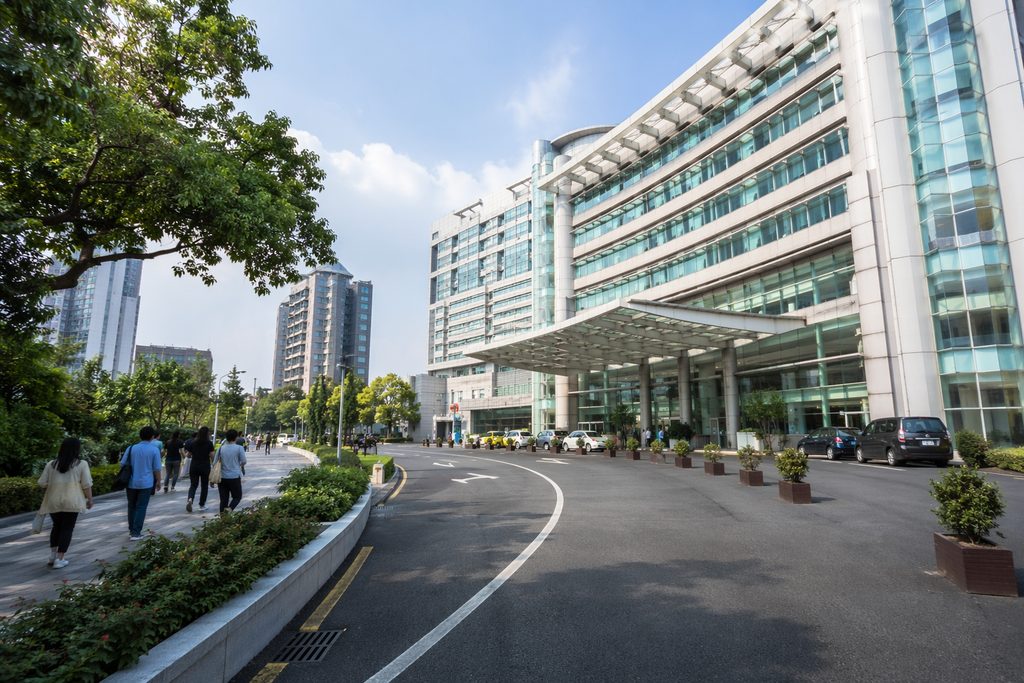
First Hospital of China Medical University Respiratory Medicine for International Patients: What to Know Before You Go
Have you been wondering whether a respiratory specialist hospital China for foreigners actually exists — one where you will not be lost in translation, handed a queue number you cannot read, or left guessing whether the pulmonologist understood a word you said? The First Hospital of China Medical University in Shenyang has a respiratory medicine department that treats complex lung disease at a scale few Western centers match. It also has an international patient pathway. But the gap between “has a department” and “you successfully get treated there” is wider than most people expect. This guide closes that gap.
Key Takeaways
- The First Hospital of China Medical University runs one of the largest respiratory medicine programs in Northeast China, handling over 200,000 outpatient respiratory visits annually.
- International patients can access this care, but the standard public outpatient route requires in-person registration — the international/VIP channel is the realistic path for foreigners.
- Cost for COPD treatment in China typically runs 70–85% below US private-pay rates, even through international departments.
- Language, documentation, and scheduling are the three biggest barriers — none are insurmountable, but all require preparation before you fly.
The Problem: Lung Disease Care That Feels Out of Reach
COPD alone affects approximately 1 in 8 adults over 40 in the United States, and the American Lung Association reports that COPD-related emergency visits exceed 800,000 per year. Now layer on the financial reality: a single COPD exacerbation requiring hospitalization in the US can generate bills above $30,000 for uninsured or underinsured patients. The cost of COPD treatment in China, by contrast, often lands between $3,000 and $8,000 for a comparable inpatient stay at a top-tier public hospital — even before insurance reimbursement.
But cost is only half the pain. Wait times for a pulmonology consult in Canada, the UK, or parts of Australia routinely stretch past three months. In the US, finding a specialist who accepts your insurance and has an opening within six weeks can feel like winning a lottery. Patients with interstitial lung disease, chronic bronchiectasis, or suspected lung nodules do not have the luxury of waiting. Lung function declines. Nodules grow. Anxiety compounds.
So patients start searching for alternatives. That search often leads to China — a country that performs more bronchoscopies, more CT-guided lung biopsies, and more thoracic surgeries than any other nation. The question is not whether the clinical capability exists. It does. The question is whether a foreigner can actually navigate it.
Why First Hospital of China Medical University Delivers Results for Respiratory Patients
The First Hospital of China Medical University — often called CMU First Hospital — anchors the China Medical University system in Shenyang, Liaoning Province. Its respiratory medicine department is a national key clinical specialty, a designation reserved for departments that meet stringent volume, research, and outcomes benchmarks. For a respiratory specialist hospital China for foreigners, that designation matters. It signals the department is not a small community practice, but a center that sees the full spectrum of pulmonary disease daily.
Clinical Volume That Creates Pattern Recognition
Chinese top-tier respiratory departments see patient volumes that would overwhelm most Western clinics. CMU First Hospital’s respiratory outpatient service logs tens of thousands of visits per year across subspecialty clinics covering asthma, COPD, pulmonary infections, interstitial lung disease, lung cancer, and sleep-disordered breathing. A pulmonologist here may review more complex CT scans in one month than a community-based Western pulmonologist sees in a year.
Volume alone does not guarantee quality. But in respiratory medicine, pattern recognition matters enormously. Interstitial lung disease subtypes are notoriously difficult to differentiate. Bronchiectasis management requires nuanced, long-term follow-up. The more cases a clinician sees, the sharper that clinical instinct becomes. This is the structural advantage a high-volume Chinese department offers.
Technology That Is Standard, Not Exceptional
Walk into the respiratory department at CMU First Hospital and you will find equipment that is unremarkable in China’s top 5% of hospitals but still rare in many Western community settings: endobronchial ultrasound (EBUS) for lymph node staging, navigational bronchoscopy for peripheral nodules, full pulmonary function testing with diffusion capacity, cardiopulmonary exercise testing, and a bronchoscopy suite running dozens of procedures daily.
The difference is throughput. A bronchoscopy that takes three hours of patient time in a US hospital — registration, prep, procedure, recovery, discharge paperwork — often takes 90 minutes here. This is not because corners are cut. It is because the hospital runs dedicated procedure teams that do nothing else all day. Efficiency is built into the workflow.
Cost Structure That Defies Western Logic
The cost of COPD treatment in China surprises most Western patients, and not because it is high. A pulmonary function test that costs $400–700 in the US typically runs $30–60 at CMU First Hospital. A chest CT with contrast: $80–150 versus $1,200–2,500. A bronchoscopy with biopsy: $500–1,000 versus $5,000–12,000.
Why the gap? Lower physician and nursing labor costs, hospital-owned equipment with high utilization, and a system built around volume rather than per-procedure margin. The clinical standard is not lower. The hospital is accredited, the physicians are trained in internationally recognized protocols, and the pathology labs process specimens using the same immunohistochemistry and molecular testing platforms used in Europe and North America.
How the International Patient Pathway Actually Works at CMU First Hospital
The First Hospital of China Medical University international patient department exists, but you should understand what it is and what it is not. It is not a separate building with English-speaking receptionists waiting by the door. It is a coordination function within the hospital that handles foreign patient registration, scheduling, and — critically — language support for those who request it.
Here is the sequence that matters for you:
Step 1: Remote evaluation. You send your existing records — CT scans, pulmonary function tests, lab results, current medication list, and a summary of your history. A respiratory specialist reviews them. This is the stage where you learn whether traveling to Shenyang is even worthwhile. For some patients, the answer is no — the condition is stable, the current treatment is appropriate, and a trip to China would not change management. A written second opinion typically costs $300–500 through our coordination service.
Step 2: Video consultation. If the records suggest a benefit to in-person evaluation, the next step is usually a video call with the respiratory team. You discuss symptoms, goals, and what the in-person visit would involve. This costs $100–300 for a standard international department consultation or $500–800 for a top-specialist video consult. Any of these fees is credited in full toward on-the-ground coordination if you proceed to treatment in China within 90 days.
Step 3: In-person visit. You travel to Shenyang on an S2 visa — the short-stay category used for medical treatment and private affairs. The hospital’s international coordination desk helps with registration, arranges your outpatient appointments across the respiratory department’s subspecialty clinics, and schedules any needed tests. Same-day CT and pulmonary function testing is common. Bronchoscopy is usually scheduled within 1–3 days of the initial consult.
Step 4: Treatment plan and decision. After the workup, the respiratory team presents findings and recommendations. If you need ongoing care, follow-up can be arranged remotely. If you need a procedure or hospitalization, the international department coordinates admission — subject, always, to hospital rules and bed availability.
Who Should Consider CMU First Hospital — and Who Should Not
This is not the right destination for every lung patient. Let us be direct about that.
Strong candidates: Patients with complex or undiagnosed respiratory conditions who have hit a diagnostic dead end at home. Patients facing unaffordable treatment costs in their home country. Patients who need a high-volume bronchoscopy center for a second opinion on a lung nodule or mass. Patients already in Asia or those comfortable with international medical travel.
Poor candidates: Patients who are medically unstable and cannot tolerate a long-haul flight. Patients who require immediate ICU-level care. Patients whose primary concern is a luxury hotel-like hospital experience — CMU First Hospital is a public hospital, not a private international facility. It is clean, competent, and efficient, but it is not a resort.
And a note on expectations: the best pulmonologist in Shenyang for expats may not be the most famous name on a ranking list. It may be the specialist whose subspecialty focus matches your specific condition — the ILD specialist for interstitial lung disease, the interventional pulmonologist for nodules. Matching matters more than prestige.
| Respiratory Service | CMU First Hospital (International Dept.) | US Average (Private Pay) | UK Private (Self-Pay) |
|---|---|---|---|
| Pulmonology consult (initial) | $100–300 | $350–600 | £200–350 |
| Chest CT with contrast | $80–150 | $1,200–2,500 | £600–1,200 |
| Full PFT with DLCO | $30–60 | $400–700 | £250–450 |
| Bronchoscopy with biopsy | $500–1,000 | $5,000–12,000 | £3,000–6,000 |
| COPD inpatient stay (5 days) | $3,000–8,000 | $25,000–45,000 | £15,000–30,000 |
Figures are approximate ranges and vary by hospital, case complexity, and exchange rates. They reflect international department pricing, not standard public-channel pricing, which is lower but inaccessible to most foreigners without local registration.
Practical Considerations: Documentation, Visa, and Payment for Respiratory Care in Shenyang
Before you book a flight, sort out the logistics. Most failed medical trips fail before the patient ever sees a doctor.
Medical records. Bring everything: original CT scans on CD or USB (not just the written report), pulmonary function test printouts, pathology slides if a biopsy was done, and a typed medication list with generic drug names. Chinese physicians read imaging themselves — they will not rely on a radiologist’s report from your home country. If your records are not in English, arrange certified translation before you travel.
Visa. You will apply for an S2 visa, which covers short-term private affairs including medical treatment. Accompanying family members also apply for S2. The hospital provides an invitation letter and treatment confirmation documents to support your application. Processing time varies by embassy, but allow 2–4 weeks. Do not book non-refundable flights before your visa is approved.
Payment. Chinese public hospitals require prepayment — you deposit funds at registration and the hospital deducts as services are rendered. International credit cards are accepted at the international department, but confirm with your bank before travel. Cash in RMB works everywhere. Wire transfers are possible for larger deposits. Insurance: most international insurers reimburse after the fact. You pay the hospital, then claim. Private international hospitals in China offer direct billing; public hospitals generally do not.
Language. Even at the international department, do not assume every nurse or technician speaks English. The coordinating staff will, but the radiology tech who positions you for a CT scan may not. If you are navigating alone, a bilingual medical companion — someone who handles registration, queue numbers, payment windows, and translation — removes the single biggest source of stress in Chinese public hospitals. This service runs from $300 per day.
Is Respiratory Care in China Good for International Patients? An Honest Assessment
The question deserves a straight answer. Is respiratory care in China good for international patients? The clinical capability at top-ranked departments like CMU First Hospital is genuinely world-class. The diagnostic equipment is modern. The procedural volume is extraordinary. The physicians are well-trained, many with international fellowships or research collaborations.
What is not world-class is the patient experience for someone who does not speak Chinese and does not understand the system. Registration windows are crowded. Signage is primarily in Chinese. The pace is fast and impersonal. A foreigner walking into the standard outpatient hall alone will struggle — not because anyone is hostile, but because the system was built for volume, not for hand-holding.
That is the trade-off. You get elite clinical care at a fraction of Western prices, but only if you accept that the surrounding experience requires either significant preparation or paid coordination. Many patients decide the trade-off is worth it. Some do not. Both conclusions are reasonable.
Frequently Asked Questions
Standard public outpatient appointments cannot be booked remotely from overseas — registration is done in person on the day of service. The international patient pathway is the exception: through the hospital’s international coordination desk, appointments can be pre-arranged before you travel, provided your medical records have been reviewed and the department confirms the visit is appropriate.
For a comprehensive evaluation — consultation, chest CT, full pulmonary function testing, blood work, and a bronchoscopy if indicated — budget $1,500 to $3,500 through the international department. That excludes travel, accommodation, and any coordination or companion services. Actual costs vary by case complexity and specific tests ordered.
If a surgical issue is identified — a suspicious lung nodule, for example — the respiratory team will refer you to the thoracic surgery department within the same hospital. Admission and surgery scheduling are subject to hospital rules and bed availability. If ongoing medical management is needed, the respiratory department can arrange a treatment plan, and follow-up can often be conducted remotely through video consultation after you return home.
There is no separate “medical visa” category for China. You apply for an S2 visa, which covers short-term private affairs including medical treatment. The hospital’s invitation letter supports the application. Family members traveling with you also apply for S2 visas. For treatment stays exceeding 180 days, an S1 visa applies.
Most international insurance plans that cover treatment abroad will reimburse care at Chinese public hospitals, but almost all require you to pay upfront and submit claims afterward. Direct billing is rare at public hospitals and more common at private international facilities. Check with your insurer before committing — specifically ask about coverage for treatment at “public tertiary hospitals in China” and whether pre-authorization is required.
Your Next Step
The First Hospital of China Medical University respiratory medicine department is a serious option for international patients with complex pulmonary disease — but only if you approach it with clear expectations and the right preparation. We help patients evaluate whether this hospital is the right fit, connect them with the international patient department, and coordinate the logistics that make the trip work. We are not a hospital and we do not provide diagnoses or treatment recommendations. If you want to know whether your case is suitable for evaluation in Shenyang, start with a free consultation to discuss your situation and goals.
Lung disease does not wait. Neither should you. But do not fly blind — get the records reviewed, understand the pathway, and make the decision with your eyes open. That is how international medical travel works when it works well.
For more medical information and treatment options in China, visit chinamedservices.com (China Medical Services).
