Cosmetic Procedures: A Companion During Recovery
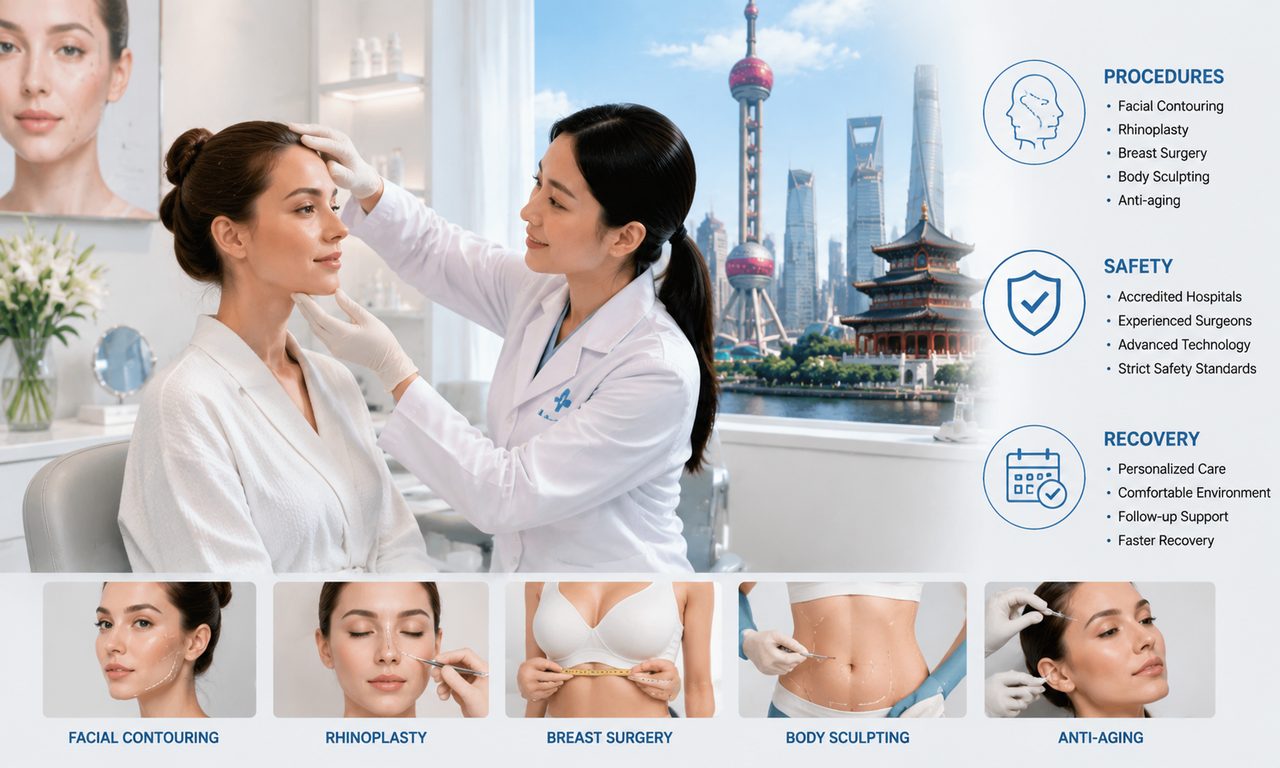
You have probably heard that traveling abroad for cosmetic surgery means going it alone. That you land, have the procedure, and are left in a hotel room with a packet of painkillers and a language barrier. The reality is different. A cosmetic surgery recovery companion China changes the equation entirely — someone who handles pharmacy runs, translates discharge instructions, arranges wound checks, and makes sure you eat. Not a nurse. Not a surgeon. A professional logistics coordinator who knows the system.
This matters because recovery is where outcomes are made or broken. A technically perfect rhinoplasty can be compromised by a missed antibiotic dose or an infection caught too late. Patients fly to Shanghai or Beijing for the skill of the surgeon. They stay for the days and weeks after that decide whether the result heals cleanly.
Key Takeaways
- China’s top cosmetic surgery hospitals perform high annual case volumes, with leading plastic surgery departments handling thousands of procedures per year across facial and body contouring.
- A bilingual recovery companion typically costs from $300 per day — a fraction of what the same support would cost in the US or UK.
- Language barriers and hospital navigation are the biggest risks for international patients recovering alone; a companion mitigates both.
- You should never book surgery without confirming a clear, written aftercare plan that includes wound checks and a direct line to your surgical team.
The Problem: Recovering Alone After Cosmetic Surgery in a Foreign Country
Medical tourism for cosmetic procedures keeps growing. The global medical tourism market was valued at over $20 billion in 2024, and cosmetic surgery represents one of the largest segments. Patients from the US, UK, Australia, and the Middle East travel to countries like China for lower costs and shorter wait times. But the days after surgery get far less attention than the surgery itself.
Think about what recovery actually requires. You need prescription medications filled. You need to understand when to change dressings, which symptoms are normal, which are not. You need follow-up appointments scheduled and attended. You need meals that do not interfere with healing. Now imagine doing all of that in a language you do not speak, in a hospital system you do not understand, while you are in pain and on painkillers.
That is the reality for thousands of patients every year. They plan the procedure meticulously and improvise the recovery. The result is preventable complications, unnecessary stress, and outcomes that fall short of what the surgeon delivered in the operating room.
Why a Cosmetic Surgery Recovery Companion China Delivers Results
The value of a recovery companion is not emotional support, though that helps. It is operational. A companion reduces the cognitive load on a patient whose body is using every resource to heal. Here is what that looks like in practice.
Hospital Navigation Without the Language Barrier
Chinese public hospitals are enormous. A top-tier hospital in Shanghai or Beijing can see over 10,000 outpatient visits in a single day. Signage is often in Chinese only. Registration, payment, pharmacy pickup, and lab tests happen in different buildings or floors. A patient who does not read Chinese wastes hours, misses appointments, and makes mistakes.
A bilingual companion handles all of it. They know where the pharmacy is, which window processes international patient payments, how to get a queue number for a wound check. They translate what the nurse says about drain care or suture removal. This is not a luxury. It is basic competence applied to a system built for Chinese-speaking locals.
Post-Op Logistics That Actually Get Done
A post op care package plastic surgery Shanghai typically includes scheduled companion visits, medication management, wound observation, and coordination with the surgical team. The companion confirms which medications to take and when, picks up prescriptions from the hospital pharmacy, and arranges transportation to follow-up appointments.
They also handle the unglamorous stuff. Laundry. Meals that align with post-operative dietary restrictions. Ensuring you have ice packs, compression garments, and whatever else the surgeon ordered. These tasks sound small until you are three days out of surgery and cannot bend over to pick up a dropped phone charger.
Cost Structure That Makes Sense
Recovery support in China costs dramatically less than in Western countries. A bilingual medical companion starts at approximately $300 per day for a full eight-hour day. In the United States, private-duty nursing care or even a non-medical patient advocate can run $50 to $150 per hour. That is $400 to $1,200 for a single day.
The lower cost is not a quality compromise. It reflects labor economics and the structure of China’s medical coordination industry. The companion is not performing medical tasks. They are providing navigation, translation, and logistics. Those services cost less in China because the underlying cost of living and professional wages are lower, not because the service is inferior.
How Long Is Recovery From Liposuction in China: A Realistic Timeline
Patients ask this constantly. The honest answer is that recovery varies by the extent of the procedure, the technique used, and your own healing response. But there are benchmarks.
For standard liposuction on one or two areas, most patients can walk the same day and resume light activities within three to five days. Bruising and swelling peak around day three, then begin to subside. Compression garments are typically worn for four to six weeks. Most patients can return to desk work after one to two weeks, though they will still feel sore and swollen.
Full results take longer. Swelling can persist for three to six months. The final contour is usually visible around the six-month mark. During the first two weeks, patients need help with daily tasks, medication management, and getting to follow-up appointments. That is exactly the window where a recovery companion provides the most value.
For more extensive procedures — liposuction combined with a tummy tuck, for example — recovery stretches to three or four weeks before normal activity resumes. A companion who understands this timeline can help you plan your stay in China accordingly. You do not want to book a return flight for day five when your surgeon wants a wound check on day ten.
Is It Safe to Have Cosmetic Surgery Alone in China: The Hard Answer
Safety in cosmetic surgery depends on three things: the surgeon’s skill, the facility’s standards, and the quality of aftercare. The first two China handles well at its top hospitals. The third depends heavily on you.
Having surgery alone is not inherently dangerous. But it increases risk. If a complication arises — a hematoma, an infection, an adverse reaction to medication — you need someone to recognize the problem and get you to the hospital. If you are alone, groggy, and unable to communicate in Chinese, that is a dangerous position.
A companion does not replace medical care. They are not a nurse and should not perform wound care or medication administration. But they are the person who notices that your swelling is worsening instead of improving, who calls the hospital and gets you a same-day appointment, who translates your symptoms to the doctor. That is the difference between a minor issue handled promptly and a major issue handled late.
Some patients bring a family member or friend. That works if the person is reliable, calm under pressure, and available for the entire recovery period. Most people’s friends cannot take two weeks off work to fly to China. A professional companion is a structured alternative.
Facelift Recovery Retreat Cost China: What You Actually Pay For
The term “recovery retreat” gets used loosely. In China, it usually means a private hospital or international clinic that offers post-operative observation rooms, nursing support, and meals in a hotel-like setting. Some patients book these directly through the hospital’s international department. Others arrange a companion and stay in a nearby hotel or serviced apartment.
| Recovery Support Option | Typical Cost in China | What It Includes |
|---|---|---|
| Bilingual medical companion | From $300 per day | Hospital navigation, translation, medication pickup, appointment coordination |
| Private hospital recovery room | $150–$400 per night | Nursing observation, meals, basic wound checks |
| Hotel or serviced apartment | $60–$150 per night | Accommodation only; companion visits arranged separately |
| Airport transfer | $200 round-trip | Pickup and drop-off at the airport |
A full two-week recovery with a daily companion and a mid-range hotel might run $5,000 to $8,000 on top of the surgery cost. That is a meaningful amount. But compare it to the cost of a complication, an extended hospital stay, or a revision procedure. The math favors planning ahead.
Book Plastic Surgery Aftercare Package Beijing: What to Look For
If you are planning surgery in Beijing, you have options. The city has 21 hospitals ranked in China’s Fudan Top 100 list, more than any other city. Several have dedicated international departments with English-speaking staff. Private international hospitals like United Family and Jiahui also offer cosmetic surgery with Western-style aftercare.
When you book plastic surgery aftercare package Beijing, confirm exactly what is included. Some packages cover only the hospital stay. Others include companion services, transportation, and follow-up coordination. Ask for a written breakdown. A legitimate provider will give you one without hesitation.
Key questions to ask before you book:
- Who is my point of contact if something goes wrong at 2 a.m.?
- Is the companion bilingual in English and Mandarin?
- Does the package include transportation to and from follow-up appointments?
- What happens if my recovery takes longer than expected and I need to extend my stay?
- Is the companion employed by the hospital, or by an independent coordination service?
The last question matters. Hospital-employed companions are bound by the hospital’s protocols. Independent companions work for you. Both can be good. You just need to know who you are dealing with.
Practical Considerations: Documentation, Visas, and Payment
Your surgeon should provide a written discharge summary and a direct contact line for post-operative questions. Many Chinese hospitals with international departments offer follow-up video consultations for a fee. If the complication is urgent, see a local doctor immediately and share your surgical records with them.
No. A recovery companion is a logistics and translation professional, not a healthcare provider and not a legal representative. They cannot consent to treatment on your behalf or make medical decisions. You remain fully responsible for your own care decisions. The companion’s role is to help you understand your options and communicate with your medical team.
For the recovery support itself, yes. A bilingual companion in China costs from $300 per day, compared to $50 to $150 per hour for comparable support in the US. However, you must factor in travel costs, accommodation, and the time away from work. The overall financial picture depends on your specific situation.
Your Next Step
Recovery is not an afterthought. It is the second half of your surgery, and it deserves the same planning as the procedure itself. Whether you arrange a companion, bring a family member, or book a hospital recovery package, decide before you fly — not after you wake up from anesthesia.
We are China Medical Services, a coordination team that helps international patients navigate the Chinese healthcare system. We are not a hospital and do not provide diagnoses or medical advice. What we do is handle the logistics: hospital matching, appointment coordination, bilingual companionship, and recovery support. If you are considering cosmetic surgery in China and want to understand your aftercare options, start with a conversation. Learn more about our patient coordination services.
Plan the surgery. Plan the recovery. Heal well.
Frequently Asked Questions
Yes. The hospitals used for international patients are JCI-accredited and follow the same international safety standards as top hospitals in the US and Europe. Surgical teams perform high volumes of procedures — often more than their Western counterparts — which studies show leads to better outcomes.
Costs vary by procedure and hospital, but international patients typically save 40-80% compared to US prices — even when factoring in travel and accommodation. A consultation with our team will give you an exact, all-inclusive quote with no hidden fees.
Send us your existing medical reports to get started. We handle everything from hospital selection and appointment scheduling to visa assistance and post-operative recovery planning. Your medical records are reviewed by the specialist before you even book a flight.
For more medical information and treatment options in China, visit chinamedservices.com (China Medical Services).
