Dental Anxiety Is Common and Treatable: How Sedation Dentistry in China Removes the Fear
Key Takeaways
- Dental anxiety affects roughly 36% of adults globally, with about 12% experiencing extreme dental fear that leads to complete avoidance of care.
- Sedation dentistry in China — including oral sedation, nitrous oxide, and IV sedation — costs 60-80% less than comparable treatment in the US or UK.
- Language barriers and unfamiliar hospital systems can amplify anxiety for international patients; bilingual coordination directly reduces this stress.
- Severe dental phobia is treatable. The right clinic, the right sedation protocol, and a structured pre-visit plan make treatment possible even for patients who have avoided dentists for decades.
The Problem: Dental Anxiety Keeps Millions From Basic Care
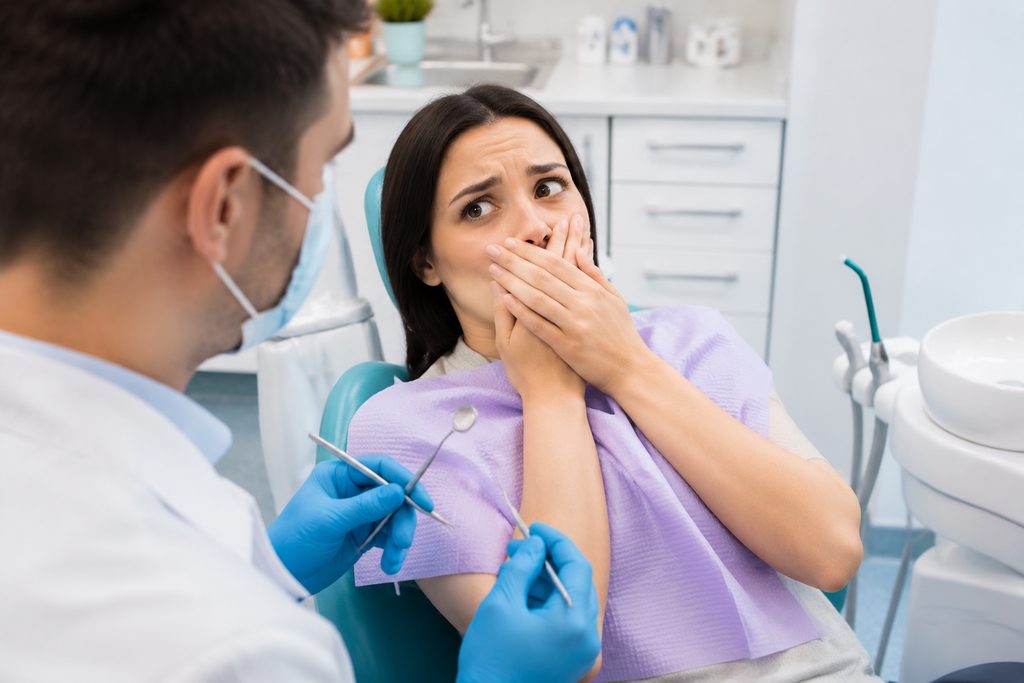
Let’s be blunt about what dental anxiety actually is. It’s not being mildly nervous before a cleaning. It’s a physiological response — racing heart, sweating, nausea, sometimes full panic attacks — triggered by the thought of sitting in a dental chair. For millions of adults, this fear is strong enough that they cancel appointments, ignore tooth pain for years, and only seek help when an infection becomes an emergency.
The numbers tell a stark story. A 2017 meta-analysis published in the Journal of Dental Research found that dental anxiety affects approximately 36% of the adult population worldwide. Around 12% suffer from extreme dental fear — a condition sometimes called dental phobia or odontophobia. That’s more than one in ten adults who would rather live with chronic toothache than face a dentist.
What happens when people avoid care? The consequences compound. Small cavities become root canals. Gum disease progresses to tooth loss. Infections spread. And the longer someone avoids treatment, the more invasive the eventual procedure becomes — which reinforces the fear. It’s a vicious cycle that no amount of “just tough it out” advice can break.
Worse, many patients feel ashamed of this fear. They assume they’re being irrational or childish. They are not. Dental anxiety is a recognized psychological and physiological response. And it is highly treatable.
Why Sedation Dentistry in China Delivers Real Results for Anxious Patients
China has emerged as a serious destination for patients seeking dental anxiety treatment. The reasons are structural: high clinical volume, modern sedation protocols, and a cost structure that makes comprehensive treatment accessible to patients who have been priced out of care at home.
Sedation Options Match Every Level of Anxiety
Chinese dental hospitals and international clinics offer the full spectrum of sedation protocols. Mild anxiety responds well to nitrous oxide — a gas you breathe during the procedure that relaxes you within minutes and wears off just as fast. Moderate anxiety often calls for oral sedation: a pill taken an hour before treatment that leaves you conscious but deeply calm. Severe phobia may require IV sedation, where a sedative is administered intravenously for a twilight-sleep effect.
Here is what that looks like in practice across major Chinese cities:
| Sedation Method | Best For | Typical Cost in China (USD) | Typical Cost in US (USD) |
|---|---|---|---|
| Nitrous Oxide (laughing gas) | Mild to moderate anxiety | $30–80 per visit | $100–300 per visit |
| Oral Sedation (pill) | Moderate anxiety, longer procedures | $50–150 per visit | $200–600 per visit |
| IV Sedation (twilight sleep) | Severe phobia, surgical procedures | $300–800 per session | $1,000–3,000 per session |
| General Anesthesia | Extreme phobia, complex surgery | $500–1,500 per session | $2,500–7,000 per session |
Prices vary by hospital tier, city, and case complexity. But the pattern holds: sedation dentistry price Shanghai and Beijing runs 60-80% below US equivalents. That gap widens when you factor in the actual dental work — implants, root canals, crowns — that anxious patients typically need after years of avoidance.
Volume Creates Comfort With Complex Cases
Top dental departments in Chinese hospitals treat extremely high patient volumes. A single large dental hospital in Shanghai or Beijing may handle thousands of patient visits daily. That means the clinicians have seen every presentation of dental fear — including patients who have not opened their mouths for a dental exam in 20 years. This clinical experience translates into smoother sedation management and calmer chairside manner.
Does volume guarantee better outcomes? Not automatically. But for a condition like dental phobia, where the clinician’s ability to read a patient’s anxiety level and adjust the sedation protocol in real time matters enormously, experience counts. Chinese sedation dentists are not doing this occasionally. They’re doing it all day, every day.
Cost Advantage Without Cutting Corners
The lower cost of dental anxiety treatment cost China is not a sign of lower quality. It reflects structural economics: lower labor costs, high patient throughput, and a hospital system built for scale. The sedation medications are the same. The monitoring equipment is the same. The protocols follow international standards.
For an American patient facing $8,000 in dental work plus $2,000 in sedation fees at home, the math of traveling to China becomes compelling — even after flights and accommodation. Many patients combine necessary dental treatment with a medical tourism trip and still come out ahead financially.
How Common Is Dental Anxiety in Adults — and Can Dentists Treat Severe Dental Phobia?
Let’s answer the question directly. How common is dental anxiety in adults? Common enough that dental professionals consider it a routine part of practice. Studies consistently find that between 30% and 40% of adults report at least moderate anxiety about dental visits. Among those, a significant subset — around 10-12% — meet the criteria for dental phobia, meaning the fear is severe enough to cause complete avoidance.
Can dentists treat severe dental phobia? Yes. Modern dentistry has effective tools for this. The combination of sedation, behavioral techniques, and — in some cases — short-term anti-anxiety medication allows even the most phobic patients to receive treatment. The key is finding a provider who takes the fear seriously and builds a treatment plan around it, rather than dismissing it.
Some clinics in China now offer structured dental anxiety clinic packages abroad. These packages typically bundle the initial consultation, sedation assessment, treatment sessions, and follow-up into a single coordinated plan. For international patients, this structure removes uncertainty — you know before you travel what the treatment will involve and what it will cost.
What Actually Happens When You Book a Sedation Dentist in Beijing or Shanghai
If you’re considering traveling to China for dental treatment, understanding the actual workflow matters. The process is more structured than many patients expect.
Step one is remote consultation. You send your dental records, X-rays, and a description of your anxiety level. The dental team reviews this and recommends a sedation approach. This happens before you book any travel. Step two is the in-person assessment. On your first visit, the dentist evaluates your oral health, confirms the sedation plan, and — importantly — gives you a chance to meet the team and see the facility. This first visit is often done without any actual dental work, which itself reduces anxiety.
Step three is treatment. Depending on the complexity, this may be one session under IV sedation or several sessions using lighter sedation. Many patients are surprised to learn they remember little or nothing of the procedure afterward. Step four is follow-up. If you need multiple visits, they’re scheduled to minimize total time in China. Some patients complete a full treatment plan — including implants or crowns — in two to three weeks.
The critical variable is matching the sedation level to the patient’s actual anxiety. Too little sedation and the patient suffers. Too much and recovery is slower than necessary. Experienced sedation dentists calibrate this carefully, and they adjust between sessions based on how the patient responded.
What to Look For — and What to Avoid — in a Dental Anxiety Clinic
Not every clinic that advertises “sedation dentistry” is equally equipped to handle severe phobia. Here’s what separates a genuinely capable clinic from one that simply offers nitrous oxide and calls it a day.
First, check the sedation credentials. The dentist should have formal training in sedation — not just a weekend certificate. In China, look for hospitals affiliated with major universities or international clinics with JCI accreditation. These facilities have standardized sedation protocols and proper emergency equipment.
Second, ask about monitoring during sedation. Pulse oximetry is standard. For IV sedation, continuous monitoring of heart rate, blood pressure, and oxygen saturation should be non-negotiable. A clinic that can’t describe its monitoring protocol clearly is not a clinic you want sedating you.
Third, evaluate the communication structure. If you’re an international patient with limited Mandarin, you need a clinic with English-speaking staff or a coordination service that provides interpretation. Miscommunication about sedation dosage, allergies, or medical history is dangerous. This is not the place to wing it.
Fourth, be honest with yourself about your anxiety level. Mild nervousness may respond to nitrous oxide. Severe phobia that has kept you from the dentist for years probably requires IV sedation or general anesthesia. Underestimating your anxiety to save money leads to a traumatic experience that makes the phobia worse.
Who should not pursue sedation dentistry abroad? Patients with uncontrolled cardiovascular disease, severe respiratory conditions, or certain medication interactions may not be candidates for sedation without extensive pre-clearance. Always disclose your full medical history before booking any sedation procedure.
Practical Considerations: Documentation, Visas, and Payment for Dental Treatment in China
Traveling to China for dental care involves practical logistics that go beyond the dental chair. Here’s what you need to handle.
Medical records. Bring or send recent X-rays, a list of current medications, and any relevant medical history — especially cardiac or respiratory conditions. If you have had a bad reaction to sedation in the past, document it clearly. This information directly affects your sedation protocol.
Visa. Foreign nationals traveling to China for medical treatment apply for an S2 visa, which covers short-term private affairs including medical care. Stays exceeding 180 days require an S1 visa. Family members accompanying you also apply for S2. The hospital or clinic typically provides an invitation letter and treatment confirmation to support the application. Requirements vary by embassy, so confirm current rules before applying.
Payment. Chinese public hospitals generally require prepayment for treatment, with insurance reimbursement handled afterward. Private international clinics — such as those in the private hospital network — often bill insurance directly. Bring a payment method that works in China: major credit cards are accepted at international clinics, but public hospitals may require cash, Chinese bank cards, or payment apps. Confirm payment methods with your clinic before arrival.
Language. Top-tier public dental hospitals in China serve overwhelmingly Chinese-speaking patients. English-speaking staff exist but are not guaranteed. A bilingual medical companion — who handles registration, translation, and navigation — removes a major stressor for anxious patients. The last thing a phobic patient needs is to be lost in a crowded hospital lobby unable to communicate.
Follow-up. Most dental procedures done under sedation require at least one follow-up visit. Plan your travel timeline accordingly. Some patients complete all treatment in-country and return home with a detailed aftercare plan. Others schedule a remote video follow-up with the Chinese dental team after returning home. Confirm the follow-up protocol before you commit.
Frequently Asked Questions
Yes, when administered by a trained professional with proper monitoring. Sedation dentistry has an excellent safety record. The key is full disclosure of your medical history — including any medications, allergies, or previous bad reactions to sedation — before the procedure. A qualified sedation dentist will screen for contraindications and adjust the protocol accordingly.
Sedation fees in China typically run 60-80% below US prices. A nitrous oxide session that costs $200 in the US might cost $50 in Shanghai. IV sedation that runs $1,500 in the US might cost $400-600 in Beijing. The actual dental work — fillings, root canals, implants — shows similar gaps. Total savings on comprehensive treatment often reach $5,000-15,000 depending on the scope of work needed.
This is exactly why monitoring matters. A trained sedation team watches your vital signs and comfort level throughout the procedure. If you show signs of distress, they can adjust the sedation level in real time — increasing the flow of nitrous oxide, for example, or administering additional medication under IV sedation. You are never left alone in the chair. The team’s entire job during sedation dentistry is to keep you safe and calm, not just to assist the dentist.
Yes. Many international patients schedule dental work alongside other medical consultations or procedures. China’s top-ranked hospital network covers 340+ hospitals across 37 cities, so coordinating a dental visit in Shanghai with a specialist consultation in the same city is straightforward. A coordination service can help you sequence appointments to minimize travel time and total days in China.
Your Next Step
Dental anxiety is real, common, and treatable — and the barrier between you and a healthy mouth is smaller than it feels. If you have been avoiding the dentist for years, sedation dentistry in China offers a path forward at a fraction of Western costs, with clinicians who handle severe phobia daily. We are China Medical Services, a coordination team that connects international patients with top Chinese hospitals and clinics — we are not a hospital and do not provide diagnoses or treatment ourselves. When you’re ready to explore what’s possible, a conversation with our team is the natural first step. Reach out for a free consultation and we’ll help you understand your options without pressure or obligation.
For more medical information and treatment options in China, visit chinamedservices.com (China Medical Services).
