Fudan Shanghai Cancer Center Guide: What Makes It China’s Third-Best Oncology Hospital
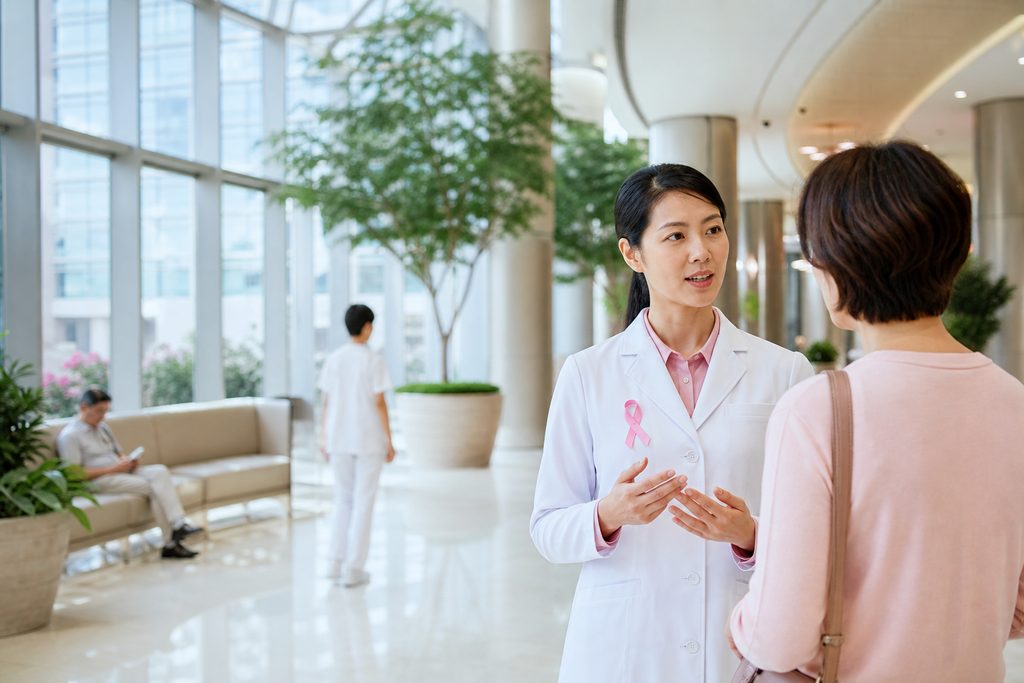
Cancer doesn’t wait for perfect plans. The moment a diagnosis lands, the search for the right facility becomes everything. For patients looking beyond their borders, one name keeps surfacing in research and specialist conversations: Fudan University Shanghai Cancer Center (FUSCC). It consistently places among China’s top three oncology hospitals in the authoritative Fudan Hospital Ranking — a system that evaluates over 35,000 hospitals nationwide and places only the top 100 into elite tiers. FUSCC sits in the highest echelon for cancer care. But rankings mean nothing without context. What actually happens when an international patient tries to access this institution? What does Fudan Shanghai Cancer Center treatment cost look like for someone paying out of pocket? And is this hospital genuinely equipped to handle a foreigner who speaks no Mandarin?
We work with this question daily. Our team connects patients from North America, Europe, the Middle East, and Southeast Asia with China’s top-tier hospitals. We have coordinated cases through FUSCC’s international pathway. This guide is built from that operational experience — not marketing claims, not scraped web content. If you are researching whether FUSCC is the right destination for your oncology care, here is how the institution actually functions, what the numbers look like, and what the journey entails. We also maintain a growing database of top-ranked hospitals across China if you want to compare FUSCC against other elite centers before deciding.
How This Actually Works, Step by Step
Let’s walk through the real sequence. You cannot simply email FUSCC’s general address and book a surgery slot. Chinese public hospitals — even the elite ones — operate on a system designed for domestic patient volume. International access runs through a specific channel, and understanding that channel before you book a flight saves weeks of frustration.
Step one is document preparation. You need a complete medical dossier: pathology reports, imaging studies (CT, MRI, PET-CT scans in DICOM format on a CD or USB), treatment history including chemotherapy regimens and surgical notes, and a concise summary written by your current oncologist. Everything must be in English or accompanied by a professional Chinese translation. Our team handles the translation internally — machine translation of medical records causes dangerous errors, and we have seen referrals delayed by weeks because a hospital’s international desk rejected poorly translated documents.
Step two is the remote evaluation. You send these records to FUSCC’s international department or work through a coordination service like ours. A specialist in the relevant oncology sub-department reviews the file. This is not a casual glance. FUSCC’s senior oncologists will assess whether your case falls within their treatment scope, whether prior therapies align with current Chinese protocols, and whether they believe they can offer a meaningful intervention. The review typically produces one of three outcomes: a written second opinion with treatment recommendations, an invitation for a video consultation, or a direct recommendation to travel for in-person evaluation and treatment planning.
Step three is the decision point. If FUSCC accepts your case and proposes a treatment plan, you then decide whether to proceed. At this stage, you receive a preliminary cost estimate — not a fixed price, but a range based on the proposed protocol. This is when Fudan Shanghai Cancer Center treatment cost becomes concrete rather than hypothetical. We will break down those numbers shortly.
Step four is logistics. Visa processing, accommodation, arrival coordination, hospital registration, and scheduling the first face-to-face consultation. This is where most independent travelers hit a wall. FUSCC sees thousands of patients daily. Navigating registration, payment counters, imaging queues, and specialist consultations without Mandarin fluency is not merely difficult — it is functionally impossible for complex oncology cases. A bilingual medical companion becomes essential, not optional.
Why FUSCC Ranks Among the Best Oncology Hospital in China for Foreigners
The Fudan Hospital Ranking places FUSCC in the A++++ tier — the highest possible category — for oncology. Only a handful of cancer centers nationwide reach this level. But the ranking reflects more than reputation. It measures clinical volume, research output, and specialist density. FUSCC performs over 45,000 cancer surgeries annually. That volume creates a depth of surgical experience that smaller centers simply cannot replicate. For rare or complex malignancies, surgeon experience correlates directly with outcomes. A thoracic surgeon at FUSCC may perform more esophageal cancer resections in a single year than a competent Western surgeon performs in a decade.
International patients often ask: is Fudan Shanghai Cancer Center good for international patients specifically? The honest answer is nuanced. FUSCC is clinically world-class. Its pathology lab, radiation oncology department, and surgical suites rival any NCI-designated cancer center in the United States. The hospital has dedicated international wards with English-speaking nursing staff and private rooms. But the institution was built for Chinese patients first. The international department is well-organized, but it is not the primary operational focus. That means international patients need a coordinator who understands both the hospital’s internal workflow and the cultural expectations of Western patients. Informed consent conversations, treatment plan discussions, and discharge instructions all require careful cross-cultural translation — not just linguistic, but conceptual. A patient from Texas and a patient from Shanghai may need very different explanations to feel comfortable with the same chemotherapy regimen.
For those comparing options, our specialty department rankings show how FUSCC’s sub-specialties stack up against other top cancer hospitals Shanghai review sources consistently recommend, including Zhongshan Hospital‘s oncology department and Ruijin Hospital’s hematology program.
Fudan Shanghai Cancer Center Treatment Cost: Real Numbers
This is the question every patient asks first. How much does cancer treatment cost at Fudan Shanghai Cancer Center? The answer depends on diagnosis, staging, treatment modality, and whether you access care through the standard international pathway or the VIP/special-needs channel.
For a self-paying international patient, here are the ranges we have observed across multiple cases. These figures are for the hospital’s charges only — surgeon fees, anesthesia, ward costs, medications, and consumables. They do not include travel, accommodation, or coordination services.
| Treatment Category | Estimated Cost Range (USD) | Comparable US Cost Range (USD) |
|---|---|---|
| Radical tumor resection (e.g., colorectal, gastric) | $8,000 – $18,000 | $60,000 – $140,000 |
| Complex thoracic surgery (e.g., esophagectomy) | $15,000 – $25,000 | $120,000 – $200,000 |
| Radiation therapy (full course, IMRT/VMAT) | $6,000 – $15,000 | $40,000 – $100,000 |
| Chemotherapy (per cycle, depends on regimen) | $800 – $3,500 | $5,000 – $20,000 |
| Immunotherapy (per cycle, checkpoint inhibitor) | $2,000 – $5,000 | $15,000 – $30,000 |
| PET-CT scan | $500 – $900 | $3,000 – $6,000 |
These numbers are not guarantees. They are benchmarks. A straightforward laparoscopic colectomy for early-stage colon cancer trends toward the lower end. A multi-organ resection with extended lymphadenectomy and a two-week ICU stay trends higher. The hospital provides a detailed cost breakdown after case review, before you commit to travel. Always budget a 20–30% buffer above the estimate — oncology cases evolve, and treatment plans sometimes expand after the initial workup in Shanghai reveals findings that prior imaging missed.
One critical distinction: the VIP/special-needs channel costs approximately 1.5 to 2 times the standard international rate. The premium buys you faster scheduling, guaranteed senior surgeon involvement, and enhanced ward amenities. For patients with aggressive disease who cannot afford weeks of waiting, this channel makes a material difference in time-to-treatment.
A Realistic Timeline
Patients underestimate waiting periods. Here is what the calendar actually looks like when you pursue treatment at FUSCC. Every case varies, but these ranges reflect typical experience.
| Phase | Typical Duration | What Happens |
|---|---|---|
| Document collection and translation | 3–7 days | Gathering all records, imaging, and pathology; professional translation of key documents into Chinese |
| Case submission and specialist review | 5–14 days | FUSCC international desk assigns the case; relevant department reviews; written opinion or video consult scheduled |
| Visa processing (S2 visa) | 7–21 days | Invitation letter from hospital required; varies by embassy workload and applicant nationality |
| Travel and arrival | 2–5 days | Flights, airport transfer, settling into accommodation near the hospital |
| In-person evaluation and workup | 3–10 days | First consultation, repeat imaging if needed, multidisciplinary discussion, final treatment plan confirmation |
| Treatment commencement | 1–14 days after workup | Surgery scheduling, radiation planning, or first chemotherapy cycle — depends on modality and urgency |
| Active treatment phase | 2 weeks – 6 months | Surgery plus recovery, or full chemo/radiation course; some patients return home between cycles |
The gap people forget is the translation delay. If you send 200 pages of medical records in English with no Chinese summary, the hospital’s international desk must either translate internally (slow) or ask you to resubmit (slower). Pre-translating key documents — discharge summaries, pathology reports, imaging findings, and your current oncologist’s treatment summary — cuts the review phase in half. Our team handles this as standard practice before any submission.
What Can Go Wrong — and What Happens Then
Every medical journey has failure modes. Pretending otherwise serves no one. Here are the real things that derail FUSCC treatment plans, and what recourse exists for each.
The most common problem is case rejection. FUSCC does not accept every international patient who applies. If your cancer is too advanced for meaningful intervention, if prior treatments have exhausted standard protocols, or if your specific mutation profile does not match any active clinical trial at the center, the oncology team may decline. This feels devastating. But it is also honest — far better than a hospital that accepts you, takes your money, and delivers futile treatment. If FUSCC declines, the next step is either seeking a different Chinese cancer center with relevant trial availability or pivoting to palliative and supportive care options in your home country.
The second failure mode is the discovery of new disease during the Shanghai workup. FUSCC’s imaging equipment is state-of-the-art. PET-CT and 3T MRI machines sometimes detect metastases or secondary tumors that prior scans missed. When this happens, the treatment plan changes — sometimes radically. A patient who arrived for a curative resection may learn that surgery is no longer appropriate and that systemic therapy is the only path. This is not a failure of the hospital. It is a failure of prior diagnostic thoroughness. But it upends expectations, budgets, and timelines. The practical response is to build flexibility into your plan from the start. Assume the treatment may shift after the Shanghai evaluation. Do not mentally commit to a single outcome until the FUSCC team delivers its final assessment.
A third risk: communication breakdown. Even with the international department’s English-speaking staff, complex oncology discussions between a Chinese specialist and a Western patient can go sideways. Nuance gets lost. Treatment rationales that make sense in a Chinese clinical context may feel opaque or alarming to a patient accustomed to shared decision-making models. This is where a skilled medical interpreter — not just a language translator, but someone who understands oncology and can bridge clinical cultures — prevents dangerous misunderstandings. We have mediated situations where a patient nearly refused a recommended procedure because the explanation, while linguistically accurate, failed to address the patient’s underlying fears about surgical risk.
How to Book Appointment Fudan Shanghai Cancer Center Medical Tourism: The Right Way
Patients researching how to book appointment Fudan Shanghai Cancer Center medical tourism often assume the process resembles booking a specialist visit in their home country. It does not. FUSCC’s public outpatient clinics operate on a same-day queue system — you show up at 6 AM, wait in line, and hope to get a number. That system is designed for domestic patients who can read Chinese signage, pay via WeChat, and navigate the hospital’s massive campus without assistance. It is entirely unsuitable for international oncology patients.
The correct pathway is through the hospital’s International Medical Center or through a coordination service that manages the interface. You do not “book an appointment” in the conventional sense. You submit a case. The hospital reviews it. If accepted, the international desk schedules your first consultation with the appropriate specialist. This is not a retail transaction. It is a clinical triage process disguised as an administrative step. The hospital wants to ensure that the specialist you see is the right one for your specific malignancy — not just any oncologist with an open slot.
What should you send for the initial submission? At minimum: pathology report with immunohistochemistry and molecular markers, surgical history, chemotherapy and radiation records with dates and regimens, recent imaging with reports, and a current clinical summary. Incomplete submissions get delayed or rejected. Complete submissions move faster. This is not bureaucracy for its own sake — FUSCC’s senior oncologists will not review a case without full data, and the international desk will not schedule a consultation until a specialist confirms the case warrants one.
For patients comparing across multiple top cancer hospitals Shanghai review platforms mention, our Shanghai hospital directory provides context on how FUSCC fits into the broader landscape of oncology care in the city, alongside centers like Zhongshan and Ruijin.
Practical Considerations: Records, Visa, Payment, and Follow-Up
Medical records must be organized chronologically with a one-page summary up front. FUSCC’s reviewing oncologist reads dozens of cases weekly. A disorganized file slows review and risks key details being overlooked. Include a clear statement of what you are seeking: curative surgery, second opinion on treatment options, access to a specific clinical trial, or palliative management. Ambiguity wastes everyone’s time.
The visa category for medical treatment in China is S2 — short-term private affairs, with the purpose annotated as medical treatment. Family members accompanying you also apply for S2 visas. The hospital’s invitation letter is the foundational document for the application. Processing times vary by Chinese embassy location. Budget three weeks minimum. The S2 visa typically allows a stay of up to 180 days, which covers most treatment courses. If your treatment will extend beyond that, S1 (long-term private affairs) applies, but the documentation threshold is higher.
Payment at FUSCC is upfront. The hospital does not bill international insurance directly through the standard pathway. You pay a deposit upon registration, then settle charges as treatment progresses. You receive itemized receipts (in Chinese, with English translation available on request) that you submit to your insurer for reimbursement. Confirm with your insurance provider before traveling that overseas cancer treatment at a non-network facility is covered and understand the reimbursement timeline. Some patients secure medical loans or use health savings accounts to bridge the cash-flow gap between paying FUSCC and receiving insurance reimbursement.
Language is the practical barrier that most first-time patients underestimate. FUSCC’s international ward nurses speak functional English. The senior oncologists often speak some English, particularly those who trained or conducted research abroad. But the hospital’s ecosystem — registration clerks, pharmacy staff, CT technicians, billing officers — operates in Chinese. A bilingual medical companion who knows the hospital’s layout and workflows transforms the experience from exhausting to manageable. This is not a luxury service. For oncology patients who are already physically depleted, it is a safety necessity.
Follow-up after returning home requires planning. FUSCC’s oncologists will provide a treatment summary and recommendations for ongoing monitoring. You need a local oncologist willing to receive these recommendations and execute the follow-up plan. Establish that relationship before you travel to Shanghai. The ideal scenario: your home oncologist and the FUSCC specialist communicate directly — at minimum via a shared treatment summary, ideally through a brief video handoff. This continuity prevents gaps where no one is clearly responsible for post-treatment surveillance.
Frequently Asked Questions
What makes FUSCC different from other top cancer hospitals in Shanghai?
FUSCC is a dedicated cancer hospital — oncology is all it does. This
For more medical information and treatment options in China, visit chinamedservices.com (China Medical Services).
