First Affiliated Hospital of Guangxi Medical University Cardiology: A Complete Guide for International Patients
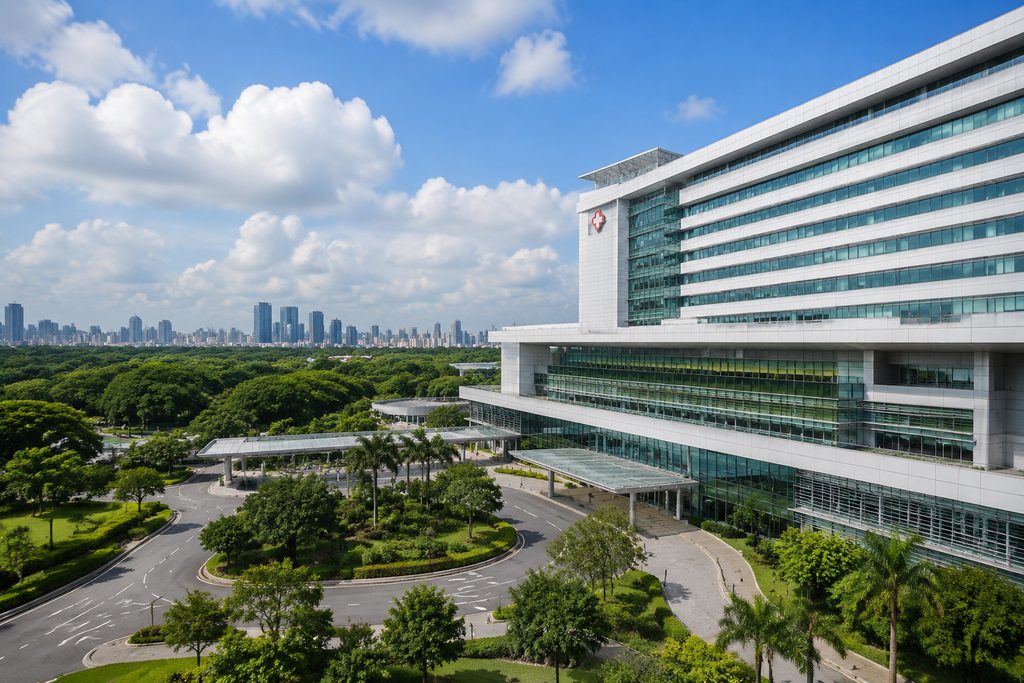
Over 14,000 cardiac surgeries are performed annually at just one major Chinese heart center. That volume matters. When you search for the First Affiliated Hospital of Guangxi Medical University Cardiology for International Patients, you’re likely weighing a serious decision: whether traveling to Nanning for heart care makes sense. The short answer is that this hospital runs one of southern China’s most established cardiology and cardiac surgery programs, with a dedicated international patient pathway. But the full picture requires understanding costs, logistics, and what the hospital genuinely offers versus what it does not.
Heart bypass surgery cost China averages between $12,000 and $20,000 at top-tier public hospitals, depending on case complexity and whether you use the standard or international VIP channel. That’s roughly one-fifth to one-tenth of the $120,000+ price tag common in the United States. The savings are real. So are the logistical hurdles. This guide breaks down both.
First Affiliated Hospital of Guangxi Medical University Cardiology: The Short Answer
The First Affiliated Hospital of Guangxi Medical University operates a comprehensive cardiovascular center covering interventional cardiology, electrophysiology, and adult cardiac surgery. It serves as a regional referral hub for Guangxi province and neighboring regions. For international patients, the hospital accepts overseas visitors through its international outpatient department, though advance coordination is strongly recommended. You cannot simply show up and expect same-day specialist access.
What complicates the one-line answer is this: China’s public hospital system runs on a same-day queue model for routine outpatient visits. Surgery scheduling requires an in-person consultation first. That means your first trip is diagnostic and consultative, not surgical. Planning around this reality saves time, money, and frustration.
Who This Is Right For — and Who It Isn’t
Traveling to China for cardiac care works well for certain patients and poorly for others. Being honest about the distinction matters more than any brochure language.
Typically good candidates:
- Patients with stable coronary artery disease who have time to complete a remote consultation before traveling
- Those seeking a second opinion on a recommended bypass or valve procedure before committing to surgery at home
- Self-funded patients or those with insurance that reimburses overseas treatment
- Patients who can dedicate 2–4 weeks for consultation, preoperative workup, surgery, and initial recovery
- Individuals with a family member or companion who can travel with them
Who should not pursue this path:
- Patients in acute cardiac distress or requiring emergency intervention — stay where you are and get treated immediately
- Those who cannot tolerate long-haul flights due to unstable angina, severe heart failure, or recent myocardial infarction
- Patients whose insurance requires in-network care and will not reimburse overseas treatment
- Anyone expecting Western-style hospital amenities at Chinese public hospital prices — the care quality can be excellent, but the environment differs
If you fall into the second group, a written second opinion from a Chinese specialist may still be valuable without any travel. That option costs $300–500 and gives you expert input from home.
Cardiac Care Options for International Patients, Compared
You have more choices than you might think. The table below lays out the realistic paths for a foreign patient needing cardiac surgery, with concrete figures rather than vague promises.
| Option | Typical Bypass Surgery Cost | Wait Time for Surgery | Language Support | Best For |
|---|---|---|---|---|
| US private hospital | $120,000–$250,000 | 2–6 weeks | Native English | Insurance-covered patients |
| Thailand private international hospital | $25,000–$45,000 | 1–3 weeks | English-speaking staff | JCI-accredited care in Southeast Asia |
| India top cardiac center | $7,000–$12,000 | 1–2 weeks | English widely spoken | Lowest cost, high volume |
| China top public hospital (standard channel) | $12,000–$20,000 | 2–8 weeks after consult | Limited; companion recommended | Cost-conscious patients willing to navigate the system |
| China top public hospital (VIP/international channel) | $18,000–$35,000 | 1–3 weeks after consult | English coordination available | Patients wanting senior specialists with smoother logistics |
Which column fits you depends on three things: budget, urgency, and tolerance for navigating an unfamiliar system. If you want JCI accreditation, China’s private international hospitals — like United Family or Jiahui — offer Western-style care with direct insurance billing, though at higher price points than public hospitals. If you want the lowest cost with high surgical volume, India competes aggressively. China’s advantage sits in the middle: top-tier surgical expertise at public hospital prices, provided you bring patience and preferably a bilingual companion.
Heart Bypass Surgery Cost China: What the Numbers Actually Include
The headline figure of $12,000–$20,000 for a coronary artery bypass graft at a Chinese public hospital covers the surgery itself, standard hospital stay, operating room fees, anesthesia, and basic postoperative monitoring. It typically does not include premium implants, extended ICU days beyond the standard protocol, or the international coordination fees charged by service providers.
What drives the variance? Case complexity is the biggest factor. A straightforward three-vessel bypass in a stable patient costs less than a combined bypass plus valve repair. Your choice of hospital tier matters too — Fuwai Hospital in Beijing, which performs over 14,000 cardiac surgeries annually, commands higher fees than regional centers like the First Affiliated Hospital of Guangxi Medical University. The VIP channel adds 50–100% on top of standard pricing but includes senior specialist assignment, English coordination, and faster scheduling.
How to Book Heart Surgery at Guangxi Medical University Hospital: The Step-by-Step Reality
You cannot book surgery from overseas. No public hospital in China accepts a foreign patient’s surgical booking without an in-person consultation first. What you can do is lay the groundwork so that your first visit is productive rather than exploratory.
The practical sequence looks like this:
- Remote evaluation first. Send your existing cardiac records — angiography reports, echocardiograms, stress test results, current medication list — for review by the cardiology department. A written second opinion costs $300–500 and tells you whether the Chinese team considers you a surgical candidate.
- Confirm the recommendation. If the remote review suggests surgery is appropriate, schedule a video consultation with the specialist team. This runs $100–300 for standard international department consultations or $500–800 for top-specialist sessions.
- Plan the first trip. You travel to Nanning for in-person consultation, additional testing if needed, and surgical scheduling. Expect 3–7 days for this phase.
- Return for surgery. Depending on the hospital’s schedule and your visa timeline, surgery happens either during the same trip or on a second visit 2–8 weeks later.
- Recover and follow up. Postoperative hospital stay for bypass surgery typically runs 7–10 days. You’ll need another 1–2 weeks locally before flying home.
This staged approach exists for a reason: it prevents you from flying across the world only to learn that surgery isn’t indicated or that your case requires a different specialist. The 90-day credit policy at China Medical Services means any consultation fees you pay are credited toward on-the-ground coordination if you proceed with treatment.
Is Heart Surgery Safe in China? What the Evidence Shows
The question deserves a straight answer. China’s top cardiac centers perform volumes that few Western hospitals match. Fuwai Hospital completes over 14,000 cardiac surgeries per year — more than any single US center. High volume correlates with better outcomes for complex procedures. That’s not marketing language; it’s a well-documented surgical principle.
But safety depends entirely on where you go. China has 35,000+ hospitals, and the quality gap between the top 5% and the rest is substantial. The top-ranked hospitals in China — those on the Fudan rankings or holding JCI accreditation — deliver care comparable to good Western centers. Regional academic hospitals like the First Affiliated Hospital of Guangxi Medical University fall into this tier, with established cardiac programs and academic oversight.
What should give you pause: language barriers in non-international departments, different nursing ratios, and the expectation that family members assist with basic patient care. These are not safety issues per se, but they affect your experience. A bilingual medical companion from $300 per day mitigates most of these concerns by handling translation, navigation, and communication with your care team.
And no, heart surgery is not risk-free anywhere. Globally, bypass surgery carries a 1–3% mortality risk depending on patient factors. China’s top centers report outcomes within international norms. Anyone promising zero risk is not being honest with you.
Top Heart Hospitals in China JCI Accredited: Where Guangxi Fits
JCI accreditation is the international gold standard for hospital quality and safety. China has a growing number of JCI-accredited facilities, concentrated in private international hospitals and a handful of public hospital international departments. The First Affiliated Hospital of Guangxi Medical University operates primarily as a public academic medical center and may not hold JCI accreditation across all departments. That does not mean substandard care — many of China’s best public hospitals, including Fuwai and Peking Union Medical College Hospital, have not pursued JCI certification for their main campuses.
What matters more is the hospital’s position within China’s own ranking system. The Fudan University hospital rankings place top institutions in tiers from A++++ to A. While the First Affiliated Hospital of Guangxi Medical University may not appear on the national top 100 comprehensive list, its cardiology department maintains a strong regional reputation. For cardiac surgery specifically, the top cardiac surgery hospitals in China are concentrated in Beijing, Shanghai, and Guangzhou. If you’re weighing this hospital against others, consider whether the regional convenience justifies the difference in national ranking.
For patients who prioritize JCI accreditation specifically, China’s private international hospitals — United Family, Jiahui, Parkway, Raffles — offer that credential with Western-style care and direct insurance billing. The tradeoff is cost: expect $35,000–$60,000 for bypass surgery at these facilities.
Practical Considerations: Visa, Payment, Records, and Follow-Up
Visa. Medical treatment in China requires an S2 visa, annotated for medical purposes. Accompanying family members also apply for S2 visas. The M visa is for commercial and trade activities and has no relevance to medical travel. Processing typically takes 1–3 weeks, and you’ll need supporting documents from the hospital — usually an invitation letter or treatment confirmation from the international department. Requirements vary by embassy, so confirm with your local Chinese consulate before booking flights.
Payment. Chinese public hospitals require prepayment. You’ll deposit funds at admission, and the hospital deducts charges as they accrue. International credit cards are accepted at larger hospitals, but bank transfers or cash deposits are sometimes required. Insurance reimbursement is retrospective — you pay first, then claim. Private international hospitals with direct billing arrangements are the exception.
Records. Bring everything: angiography images on CD or USB, echocardiogram reports, ECG tracings, stress test results, discharge summaries from any prior hospitalizations, and a complete medication list with dosages. Have key documents translated into Chinese if possible — your coordination service can handle this.
Language. Expect limited English in public hospital departments. Even at academic centers, the gap between “some English” and “comfortable medical communication” is significant. A bilingual companion bridges this gap. You can manage without one, but expect misunderstandings and delays.
Follow-up after returning home. Your Chinese surgical team will provide discharge instructions and medication plans. Coordinate with your home cardiologist before traveling so they’re prepared to take over postoperative care. Schedule a check-in with them within two weeks of returning.
Frequently Asked Questions
No. Chinese public hospitals require an in-person consultation before scheduling surgery. You can complete a remote written evaluation or video consultation first to confirm you’re a surgical candidate, but the actual booking happens only after you’ve been seen in person.
Heart bypass surgery cost China runs $12,000–$20,000 at top public hospitals, versus $120,000+ in the US. The VIP international channel in China costs $18,000–$35,000. These figures cover the surgery and standard hospital stay but exclude travel, coordination fees, and premium implants.
At top-ranked hospitals, outcomes are comparable to international norms. China’s leading cardiac centers perform very high surgical volumes, which is associated with better outcomes for complex procedures. The main risks for foreign patients are logistical — language barriers, unfamiliar processes, and postoperative follow-up coordination — rather than surgical quality at reputable institutions.
Fuwai Hospital in Beijing is the country’s premier cardiac center, performing over 14,000 cardiac surgeries annually. Zhongshan Hospital in Shanghai is another top choice. For foreigners specifically, JCI-accredited private hospitals like United Family offer the smoothest experience, while public hospital international departments balance expertise with lower cost. The First Affiliated Hospital of Guangxi Medical University serves as a strong regional option for patients who prefer southern China.
Most “packages” cover hospital-based costs: surgery, standard bed, routine medications, and basic postoperative monitoring. They typically exclude international coordination fees, visa processing, travel, accommodation, premium implants, extended ICU stays, and any complications requiring additional procedures. Always request an itemized breakdown before committing.
Your Next Step
Choosing where to undergo cardiac surgery is one of the most consequential decisions you’ll make. The First Affiliated Hospital of Guangxi Medical University offers a credible option for international patients seeking quality cardiac care at Chinese public hospital prices. But the logistics are real, and navigating them alone adds stress to an already stressful situation.
We are China Medical Services — not a hospital, not doctors. We help international patients evaluate their options, coordinate with hospital international departments, arrange bilingual companions, and navigate the visa and documentation requirements. Our consultations start with a conversation about your specific case, your records, and your goals. If remote evaluation suggests you’re a good candidate, we help you plan the path forward. If it doesn’t, we’ll tell you that too.
Start with a written second opinion. It costs $300–500 and gives you real clinical input before you spend thousands on travel. That consultation fee is credited in full toward coordination services if you proceed within 90 days. No pressure, no obligation — just a clearer picture of whether this path makes sense for you. Request a free consultation and let’s talk through your situation.
For more medical information and treatment options in China, visit chinamedservices.com (China Medical Services).
