Heart Surgery Diet Guide: What to Eat After Bypass or Valve Repair
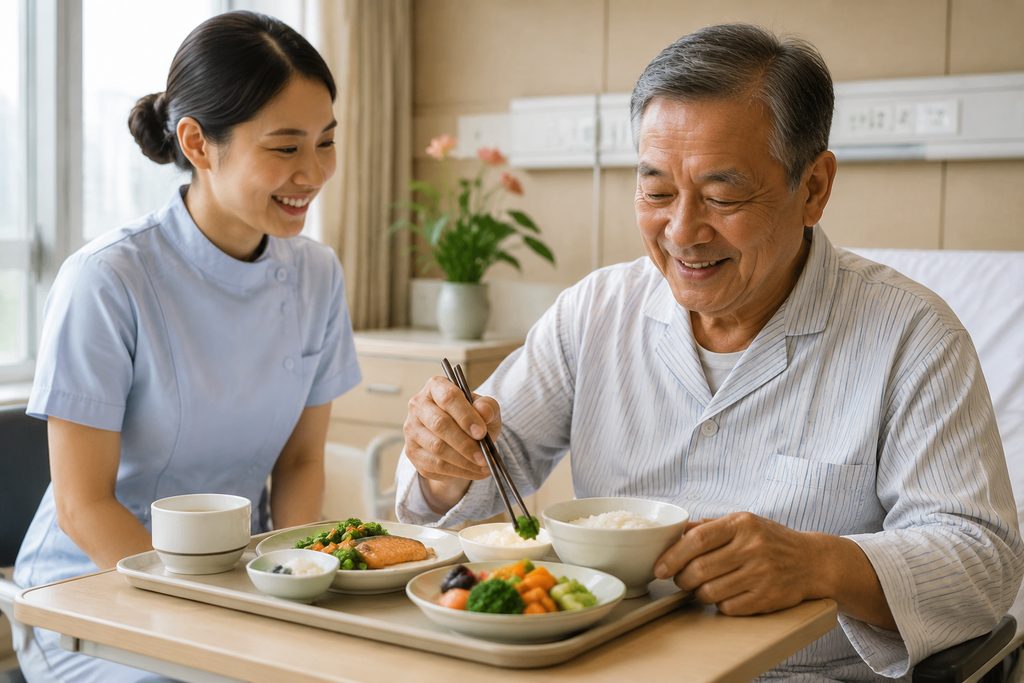
What Diet Should I Follow After Heart Surgery? A Practical Recovery Guide
Every year, roughly 400,000 coronary artery bypass graft surgeries are performed in the United States alone. That’s a staggering number of people waking up from anesthesia asking the same question: what now? The incision heals in weeks. The dietary habits you build after discharge shape the next twenty years. And here’s something most patients never consider—the heart bypass surgery cost China runs between $12,000 and $20,000 at top-tier public hospitals, compared to $120,000 or more in the US. That cost difference frees up resources for what actually matters after surgery: proper nutrition, cardiac rehabilitation, and long-term recovery support.
This guide covers the evidence-based dietary approach after cardiac surgery. No fads. No miracle supplements. Just what cardiothoracic teams actually tell their patients—and what the research supports.
Key Takeaways
- Cardiac surgery triggers a hypermetabolic state requiring 1.2–1.5 g of protein per kilogram of body weight daily for optimal wound healing.
- The Mediterranean-style eating pattern reduces recurrent cardiovascular events by approximately 30% in post-surgical patients, according to the landmark PREDIMED trial.
- Appetite loss affects up to 60% of patients in the first two weeks after sternotomy, making calorie-dense small meals more practical than three large ones.
- Fluid restriction of 1.5–2 liters daily is standard after valve replacement to prevent heart failure decompensation—and most patients find this harder than any food restriction.
The Problem: Your Body Is Healing While Your Appetite Is Gone
Open-heart surgery is not a minor procedure. Your sternum has been divided. Your heart was stopped and connected to a bypass machine. Your body’s inflammatory response has kicked into high gear. According to the Society of Thoracic Surgeons, the average patient loses 5–10% of their body weight in the first month after surgery. Some of that is expected. Too much of it is dangerous.
Here’s the challenge in plain terms. Your body needs more calories and protein than usual to rebuild tissue, fight infection risk, and restore muscle mass. But anesthesia, pain medication, and the stress response suppress appetite. Food tastes different—often metallic or bland. Chewing feels exhausting. And if you had valve surgery, you may also be on warfarin, which means suddenly your vitamin K intake matters in ways it never did before.
The result? Patients skip meals. They lose muscle. Recovery slows. Wound healing drags. And the cardiac rehabilitation program that was supposed to rebuild their strength becomes a struggle against fatigue that diet alone could have prevented.
Why a Structured Cardiac Diet After Surgery Delivers Results
Protein Timing Matters More Than Total Intake
Wound healing after sternotomy requires collagen synthesis, and collagen synthesis requires amino acids—specifically proline, glycine, and lysine. Research from the Enhanced Recovery After Surgery (ERAS) cardiac guidelines shows that distributing protein intake across 4–5 small meals daily produces better nitrogen balance than the same total protein consumed in two large meals. That means a hard-boiled egg at breakfast, Greek yogurt mid-morning, fish at lunch, a protein shake mid-afternoon, and lean poultry at dinner. Sounds simple. Most patients don’t do it because they’re waiting to feel hungry. Don’t wait.
Inflammation Control Through Food, Not Just Medication
Cardiopulmonary bypass triggers a systemic inflammatory response. That’s a medical fact, not a scare tactic. The question is how you manage it after discharge. Omega-3 fatty acids from fatty fish (salmon, mackerel, sardines) have been shown in multiple randomized trials to reduce post-operative atrial fibrillation incidence—a complication affecting 20–40% of bypass patients. The Mediterranean dietary pattern, rich in olive oil, nuts, legumes, and fish, reduced major cardiovascular events by roughly 30% in the PREDIMED study published in the New England Journal of Medicine. That’s not a supplement claim. That’s a dietary pattern with peer-reviewed evidence behind it.
Cost Reality: Why Medical Tourism Changes the Recovery Equation
Let’s address the elephant in the room. A patient paying $120,000 for bypass surgery in the US may have limited funds left for the cardiac rehabilitation program, the dietitian consultations, and the high-quality food that recovery demands. The same procedure at a top Chinese cardiac center—Fuwai Hospital in Beijing performs over 14,000 cardiac surgeries annually, more than any hospital globally—costs a fraction of that. Patients researching heart bypass surgery cost China are often surprised to find that the savings can cover months of structured recovery support, including nutritional counseling and cardiac rehab. That’s not about cutting corners. It’s about redirecting resources toward what determines long-term outcomes: the recovery phase.
Some patients also explore a medical tourism package cardiac surgery China that includes hospital fees, accommodation, and coordination support. These packages vary widely. Some include post-operative dietary consultations. Others don’t. The key is asking the right questions before you commit—which we’ll cover later.
What to Eat After Heart Surgery Recovery: The First 8 Weeks Week by Week
Your digestive system is sluggish. Anesthesia, pain meds, and reduced mobility slow everything down. Constipation is nearly universal—and straining on the toilet is genuinely dangerous after sternotomy. The goal here is hydration, easy-to-digest protein, and fiber from gentle sources. Think smooth soups with pureed lentils, scrambled eggs, oatmeal with protein powder stirred in, yogurt, applesauce. Avoid raw vegetables in large quantities—they’re harder to digest. Avoid carbonated beverages—gas distension presses against your healing incision.
Fluid intake matters. But if you had valve surgery, your cardiologist may have set a fluid restriction. Follow it. That restriction overrides general hydration advice.
Week 3–4: Reintroducing Texture and Building Calories
By week three, most patients can chew normally. Appetite is still unreliable, so calorie density matters. Add olive oil to vegetables. Choose full-fat dairy if you need weight maintenance. Eat nut butters. Fish should appear at least twice this week—salmon, trout, or mackerel for omega-3s. If you’re on warfarin after valve replacement, keep your vitamin K intake consistent day to day. That doesn’t mean avoiding leafy greens. It means eating roughly the same amount each day so your INR stays stable. A sudden spinach binge followed by a week without greens is exactly what throws anticoagulation off.
Week 5–8: Transitioning to a Long-Term Cardiac Diet
By now, you should be eating a structured cardiac rehabilitation diet plan after bypass or valve surgery. The Mediterranean pattern is the most studied and most consistently recommended. What does that look like in practice? Vegetables at every meal. Legumes three times a week. Fish twice a week. Poultry over red meat. Olive oil as your primary fat. Whole grains instead of refined. Minimal processed food. Alcohol limited—and only after your cardiologist clears it, since alcohol interacts with many cardiac medications.
One thing patients often misunderstand: this is not a temporary “recovery diet” you abandon after eight weeks. This is the diet you follow for the rest of your life. The surgery fixed the plumbing. Diet determines whether the pipes stay clear.
Heart Surgery Recovery Food Restrictions: What Actually Matters vs. What’s Overstated
| Food or Category | Restriction Level | Reason | Notes |
|---|---|---|---|
| Excess sodium | Strict limit (under 2,000 mg/day) | Fluid retention, blood pressure control, heart failure prevention | Most sodium comes from processed food, not the salt shaker |
| Saturated fat | Moderate limit (under 7% of calories) | LDL cholesterol management, graft patency | Replace with olive oil, nuts, avocado |
| Added sugar | Minimize | Triglycerides, inflammation, weight gain | Liquid sugar (soda, juice) is the worst offender |
| Alcohol | Avoid initially, then limited | Medication interactions, arrhythmia risk | Clear with your cardiologist first |
| Grapefruit | Strict avoidance | Interacts with statins, amiodarone, some blood pressure meds | This one surprises patients—check all meds |
| Vitamin K foods (if on warfarin) | Consistency, not avoidance | INR stability | Eat similar amounts daily |
There’s a lot of misinformation about heart surgery recovery food restrictions. Some patients are told to avoid all fat. Others are told red meat is poison. Neither is accurate. The evidence supports a pattern-based approach: reduce sodium aggressively, replace saturated fat with unsaturated fat, cut added sugar, and maintain consistency with vitamin K if you’re anticoagulated. That’s it. The rest is noise.
One more thing. Grapefruit. If you’re on a statin (almost all bypass patients are), grapefruit inhibits the enzyme that metabolizes these drugs, leading to toxic buildup. This interaction is well documented. Avoid grapefruit entirely. Seville oranges have the same effect. Regular oranges are fine.
Practical Considerations: Managing Diet When You’re Traveling for Surgery
If you’re traveling to China for cardiac surgery—and many international patients do, given the cost differential and the clinical volume at centers like Fuwai Hospital or Zhongshan Hospital in Shanghai—food logistics become part of your recovery plan. This deserves honest discussion.
Hospital food in Chinese public hospitals is not tailored to Western palates. That’s a fact, not a criticism. Post-operative meals are typically Chinese-style: congee, steamed vegetables, light soups, sometimes fish. Nutritionally, this is actually quite appropriate—low sodium, easily digestible, moderate protein. But if you’re used to Western food, the adjustment can be jarring during a vulnerable period.
Visa logistics matter too. Medical travelers to China typically apply for an S2 visa, which covers short-term private affairs including medical treatment. Your hospital’s international department will provide the invitation letter and treatment confirmation documents required for the application. Family members accompanying you also apply for S2 visas. Processing times vary by consulate, so start early. The hospital’s international patient office usually assists with this—ask before you book flights.
Payment is another practical layer. Chinese public hospitals require prepayment for surgical procedures. International insurance plans typically reimburse after the fact rather than settling directly with Chinese public hospitals. Private international hospitals in China—like United Family or Jiahui—offer direct billing with many Western insurers, but at higher procedure costs. This is the trade-off. If you’re comparing heart bypass surgery cost China across hospital types, factor in whether you need direct billing or can manage reimbursement.
For dietary support during recovery in China, consider arranging a bilingual companion who can communicate your dietary restrictions to hospital staff and help source appropriate food. This is not a luxury. It’s a practical necessity if you don’t speak Mandarin and have specific post-operative dietary needs. The cost—typically from $300 per day for a bilingual medical companion—is modest compared to the overall savings on surgery.
After returning home, continuity matters. Request a complete discharge summary in English, including dietary recommendations, medication list, and follow-up imaging schedule. Share this with your local cardiologist. Your recovery doesn’t end at the airport. The diet you follow in week six matters as much as the diet you followed in week one.
Frequently Asked Questions
How soon after heart surgery can I eat normally?
Most patients tolerate a soft, regular diet within 5–7 days after surgery. “Normal” eating—full portions, varied textures, unrestricted chewing—typically returns by week three to four. Appetite often lags behind physical ability. Even if you’re not hungry, aim for small, frequent meals rather than waiting for appetite to return.
Do I need to follow a low-fat diet forever after bypass surgery?
Not exactly. The goal is replacing saturated fat with unsaturated fat, not eliminating fat entirely. Olive oil, nuts, avocado, and fatty fish are encouraged. What you’re limiting is butter, fatty red meat, fried food, and processed snacks. The Mediterranean pattern—not a fat-free diet—is what the evidence supports.
Can I drink coffee after heart surgery?
Moderate coffee consumption (1–2 cups daily) is generally acceptable once your cardiologist confirms your heart rhythm is stable. Coffee can trigger palpitations in some patients, especially in the first weeks after surgery. Start with a small amount and see how you respond. Avoid caffeine late in the day, since sleep quality affects recovery.
What if I’m on warfarin after valve replacement—do I have to avoid salads?
No. You need to keep your vitamin K intake consistent. If you eat a salad every day, keep eating a salad every day. The problem is wild swings—a huge spinach salad one day, none the next. Work with your anticoagulation clinic to find a stable pattern. Your INR tests will confirm whether your diet is consistent enough.
Is it safe to travel internationally for heart surgery and then fly home during recovery?
Most cardiac surgeons recommend waiting at least 2–4 weeks after uncomplicated bypass or valve surgery before long-haul flights. Your surgical team must clear you for travel. Some patients arrange a follow-up consultation before departure, then transfer care to a cardiologist at home. Discuss this timeline with your surgeon before booking return flights—don’t assume you’ll be cleared to fly at the two-week mark.
Your Next Step
Recovery from heart surgery is a marathon, not a sprint—and diet is the fuel. Whether you’re recovering at home or considering treatment abroad, the principles stay the same: adequate protein, aggressive sodium reduction, the Mediterranean pattern, and consistency with any medication-related food restrictions.
At China Medical Services, we help international patients navigate cardiac care at China’s top-ranked hospitals—from initial consultation to discharge planning. We’re not a hospital and we don’t provide medical advice. What we do is handle the logistics: hospital matching, appointment coordination, visa documentation, and bilingual support during your stay. If you’re weighing your options for cardiac surgery, start with a conversation. No pressure, no obligation—just clear answers about what’s possible.
For more medical information and treatment options in China, visit chinamedservices.com (China Medical Services).
