Heavy Ion Therapy in China: Cost, Centers, and Coordination for International Patients
Heavy Ion Therapy in China: The Short Answer
Have you been told your tumor is hard to reach, radioresistant, or too close to vital structures for conventional radiation? That’s the exact scenario where heavy ion therapy changes the conversation. The heavy ion therapy cost China ranges from approximately $35,000 to $60,000 for a full course, depending on the number of fractions and the treatment center. That’s roughly one-third to one-half of what the same treatment costs in Japan or Germany, and a fraction of what proton therapy costs in the United States.
But the real question isn’t just price. It’s whether you can actually get treated, how long the process takes, and what coordination looks like when you don’t speak Mandarin and you’re navigating a hospital system 7,000 miles from home. That’s where the answer gets more nuanced than a simple cost figure.
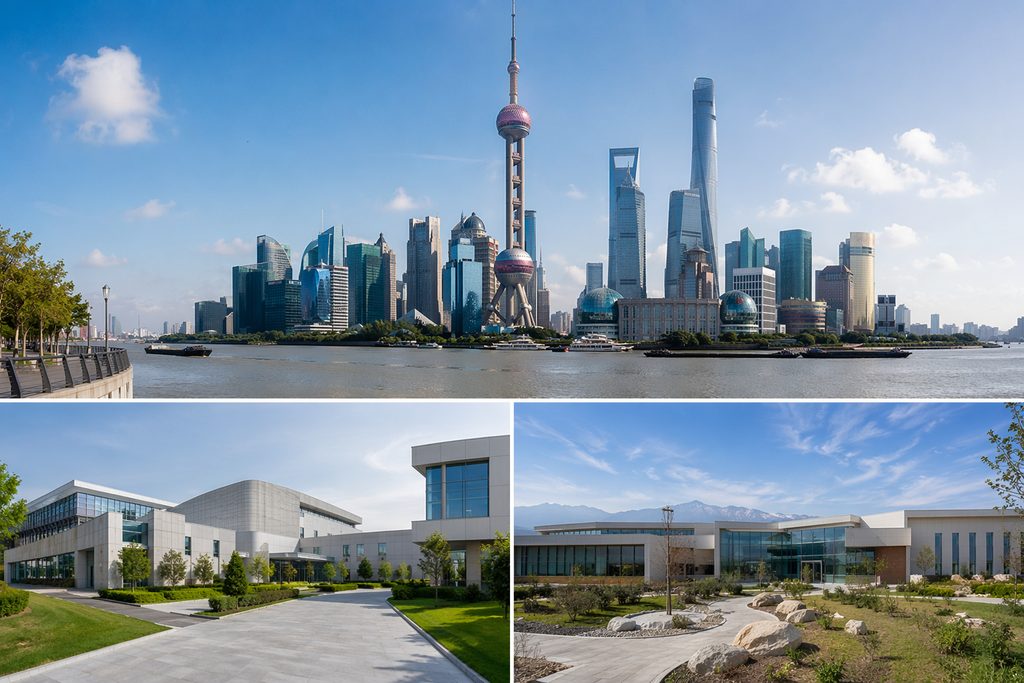
China operates two clinically active heavy ion centers: the Shanghai Proton and Heavy Ion Center (SPHIC) and the Heavy Ion Therapy Center at Wuwei Cancer Hospital in Gansu province. A third facility in Lanzhou is ramping up. International patients are accepted at SPHIC, which has treated patients from over 30 countries since opening in 2015.
Who Heavy Ion Therapy Is Right For — and Who It Isn’t
Heavy ion therapy uses carbon ions, which are roughly 12 times heavier than protons. That mass matters. Carbon ions deposit more energy per unit of tissue depth, and they cause more complex DNA damage in tumor cells — damage that cancer cells struggle to repair. This makes them particularly effective against radioresistant tumors that shrug off conventional X-ray radiation.
Typical candidates include:
- Patients with chordomas or chondrosarcomas at the skull base or along the spine
- Adenoid cystic carcinomas of the head and neck
- Certain locally advanced or recurrent rectal cancers after prior radiation
- Non-small cell lung cancer in early stages where surgery is contraindicated
- Hepatocellular carcinoma that hasn’t responded well to other local therapies
- Selected sarcomas, especially retroperitoneal or paraspinal locations
- Recurrent nasopharyngeal carcinoma after prior radiation
Who should not pursue this? Patients with widespread metastatic disease where systemic therapy is the priority. Patients with tumors that are highly sensitive to conventional radiation and can be treated effectively at a local facility for far less cost and travel burden. And patients whose performance status is too poor to tolerate the logistics of international travel — heavy ion therapy requires daily treatment sessions over 2 to 4 weeks, and you need to be physically able to show up every day.
Also worth stating plainly: if your tumor is small, accessible, and responds well to standard radiation, flying to China for heavy ions may be overkill. The clinical advantage is real but specific. It’s not a universal upgrade.
The Options, Compared
When you’re weighing how does heavy ion therapy work for cancer against other advanced radiation options, the differences come down to physics, biology, and price. Here’s how the main choices stack up:
| Treatment Modality | Particle Used | Relative Biological Effectiveness | Typical Cost (Full Course) | Availability for International Patients |
|---|---|---|---|---|
| Conventional IMRT/X-ray | Photons | 1.0 (baseline) | $10,000–$25,000 (US) | Widely available |
| Proton Therapy | Protons | ~1.1 | $50,000–$120,000 (US) | Available in US, Europe, Asia |
| Heavy Ion (Carbon) Therapy | Carbon-12 ions | ~2.5–3.0 | $35,000–$60,000 (China) | China, Japan, Germany, Italy |
| Heavy Ion (Carbon) Therapy — Japan | Carbon-12 ions | ~2.5–3.0 | $80,000–$120,000 | Yes, with medical coordinator |
| Heavy Ion (Carbon) Therapy — Germany | Carbon-12 ions | ~2.5–3.0 | $90,000–$130,000 | Yes, at Heidelberg and Marburg |
If your priority is cost, China wins clearly. If your priority is proximity to home and you live in North America, proton therapy in the US might be logistically simpler, though biologically less potent against radioresistant tumors. If you want the longest clinical track record with carbon ions, Japan’s National Institute of Radiological Sciences has been treating patients since 1994 — but you’ll pay roughly double the Chinese price.
For many patients from the Middle East, Southeast Asia, and Eastern Europe, Shanghai is actually closer than Heidelberg or Chiba. That changes the calculus.
Is Heavy Ion Therapy Available for International Patients in China?
Yes. The Shanghai Proton and Heavy Ion Center accepts international patients through its international medical services department. Since opening, SPHIC has treated over 6,000 patients, with international patients coming primarily from Southeast Asia, the Middle East, and Russia. The center operates a dedicated international patient pathway that includes English-speaking coordination staff, assistance with medical record review, and help with the S2 visa documentation required for medical treatment in China.
That said, there’s a screening process. Not every patient who wants heavy ion therapy gets accepted. The center’s tumor board reviews your imaging, pathology reports, and treatment history before approving a treatment plan. This is a medical gatekeeping step, not a bureaucratic one — they want to confirm that heavy ion therapy is genuinely the right tool for your specific case.
And here’s what often surprises people: the screening process itself can be done remotely. You don’t need to fly to Shanghai just to find out if you’re eligible. A written second opinion from the center’s specialists typically costs $300–$500 and gives you a clear yes, no, or “we need more information” within 1–2 weeks. That’s often the smartest first step before committing to international travel.
What Heavy Ion Therapy Actually Costs in China
The heavy ion therapy cost China varies by diagnosis, number of fractions, and treatment complexity. Here’s what drives the numbers:
- Number of fractions: Most protocols run 12–20 fractions over 3–4 weeks. Fewer fractions mean lower total cost, but the per-fraction charge is roughly $2,500–$3,500 at SPHIC.
- Treatment planning complexity: Tumors near the spinal cord, optic nerves, or brainstem require more sophisticated planning and quality assurance. That adds to the physics and dosimetry charges.
- Immobilization and imaging: Custom immobilization devices, 4D CT simulation, and daily image guidance are typically bundled into the treatment package but can vary by case.
- Hospital tier: SPHIC is a specialized center with premium pricing. The Wuwei and Lanzhou facilities are government-subsidized and may offer lower rates, but their international patient infrastructure is less developed.
What’s typically not included: your visa fees, flights, accommodation in Shanghai for 3–5 weeks, meals, and any post-treatment medications. A realistic total budget for a patient plus one companion, including treatment, travel, and a modest serviced apartment in Pudong near the center, lands around $45,000–$75,000 all-in.
Compare that to Japan, where the same treatment plus coordination fees, accommodation, and travel typically runs $100,000–$150,000. Or Germany, where the Heidelberg Ion-Beam Therapy Center charges €80,000–€120,000 for treatment alone. The savings are substantial enough that many patients fund the trip out of pocket even when insurance won’t cover treatment abroad.
Practical Considerations: Records, Visa, and Daily Logistics
Book heavy ion therapy treatment China requires a specific sequence of steps. The process is more structured than many patients expect.
Medical records. You’ll need complete imaging (CT, MRI, PET-CT if done) on CD or via secure upload, a detailed pathology report, surgical notes if you’ve had surgery, and a summary of any prior radiation or chemotherapy. All documents must be translated into English or Chinese. If your records are in Arabic, Russian, French, or another language, a certified medical translation is required before the tumor board review.
Visa. For medical treatment in China, you apply for an S2 visa with a note indicating the purpose of treatment. The hospital provides an invitation letter and treatment confirmation document that you submit with your visa application. Your accompanying family member applies for the same S2 category. Processing typically takes 1–3 weeks depending on your home country’s Chinese embassy or consulate. Do not apply for an M visa — that’s for commercial and trade activities, not medical treatment.
Timeline. From initial inquiry to sitting in the treatment chair typically takes 4–8 weeks: 1–2 weeks for record review and tumor board decision, 2–3 weeks for visa processing, 1 week for travel and simulation/planning, then 3–4 weeks of daily treatment. You should plan for a minimum of 5 weeks in Shanghai, and 6–7 weeks is safer.
Daily treatment. Each session takes 20–40 minutes including positioning and imaging verification. The actual beam-on time is usually under 2 minutes. You’ll come to the center Monday through Friday, with weekends off. Most patients stay in nearby serviced apartments or hotels in the Pudong district, 10–20 minutes from the center by taxi or metro.
Language. SPHIC has English-speaking international patient coordinators, but the daily treatment technicians and nurses may not speak fluent English. Having a bilingual medical companion for the first few days — someone who can translate during consultations, help with hospital registration, and sort out payment logistics — reduces friction significantly. Bilingual medical companion services start from $300 per day.
Follow-up. After you return home, the center schedules follow-up imaging at 3, 6, and 12 months. You’ll do the scans locally and send them back for review. The center’s radiation oncologists will provide written assessments of treatment response. This remote follow-up is included in the treatment package at SPHIC.
Frequently Asked Questions
You don’t need to travel first. The Shanghai Proton and Heavy Ion Center offers a remote tumor board review. You submit your imaging and pathology reports electronically, and within 1–2 weeks you receive a written opinion on whether heavy ion therapy is appropriate for your case. A written second opinion from a top specialist costs $300–$500. This is the lowest-risk way to find out if the trip is worth making.
This is why remote screening matters. If you’ve completed the tumor board review remotely and received a treatment acceptance letter, the risk of rejection on arrival is low. But it’s not zero — sometimes repeat imaging in Shanghai reveals changes that alter the plan. If treatment is deemed inappropriate after arrival, you’re generally refunded for the treatment package minus the simulation and planning fees already incurred. Travel and accommodation costs are not refundable. This is a real risk, and it’s worth budgeting for.
The treatment itself is painless — you lie still on a treatment couch while the beam delivers radiation you can’t feel. Acute side effects are typically milder than conventional radiation because the beam deposits most of its energy in the tumor, sparing surrounding tissue. Common short-term effects include fatigue and mild skin irritation at the beam entry sites. Long-term side effects depend on the tumor location. For head and neck cases, some patients experience dry mouth or altered taste. For pelvic cases, transient bowel or bladder irritation is possible. Most side effects resolve within weeks to months.
Sometimes, but not concurrently in most protocols. Heavy ion therapy is often used as a standalone local treatment, especially for radioresistant tumors. In some cases, it’s sequenced with systemic therapy — either before or after. The sequencing decision depends entirely on your specific diagnosis, tumor biology, and prior treatment history. This is a discussion for the tumor board, not something to decide in advance.
Several factors. Chinese heavy ion centers benefit from government subsidies for equipment and operations. The domestic patient volume is higher, which spreads fixed costs. And China’s overall medical pricing structure — even at premium international centers — is lower than Western Europe or Japan. The technology is identical: SPHIC uses a Siemens synchrotron, the same core technology as Heidelberg. Lower cost doesn’t mean lower quality. It means lower overhead and different market pricing.
Your Next Step
Heavy ion therapy is a powerful tool, but only for the right patient. The first step isn’t buying a plane ticket. It’s finding out whether your specific tumor is a candidate. That’s where China Medical Services comes in. We’re not a hospital, and we don’t make diagnoses or treatment promises. We connect international patients with the right specialists, coordinate medical record translation and submission, and arrange the logistics — from visa documentation to bilingual accompaniment during your treatment stay.
If you’re considering heavy ion therapy in China, start with a remote consultation. It costs a few hundred dollars and tells you definitively whether this path is worth pursuing. Request a free consultation and we’ll help you figure out the next step. No pressure, no obligation — just an honest assessment of your options.
For more medical information and treatment options in China, visit chinamedservices.com (China Medical Services).
