Hubei Cancer Hospital Wuhan: Oncology Care and Full Support for International Patients
Cancer Care at Hubei Cancer Hospital: The Short Answer
When 42-year-old Michael first heard the diagnosis, he had no idea where to start looking for treatment. His oncologist in Manchester gave him a plan, but the waiting time stretched into weeks. That is when he started searching for alternatives. The cancer treatment cost at Hubei Cancer Hospital Wuhan typically ranges from 30% to 60% of what comparable care costs in the United States or Western Europe, depending on the protocol. For a standard chemotherapy cycle, patients often pay between $1,800 and $4,500. Radiation therapy packages can run from $8,000 to $18,000 for a full course.
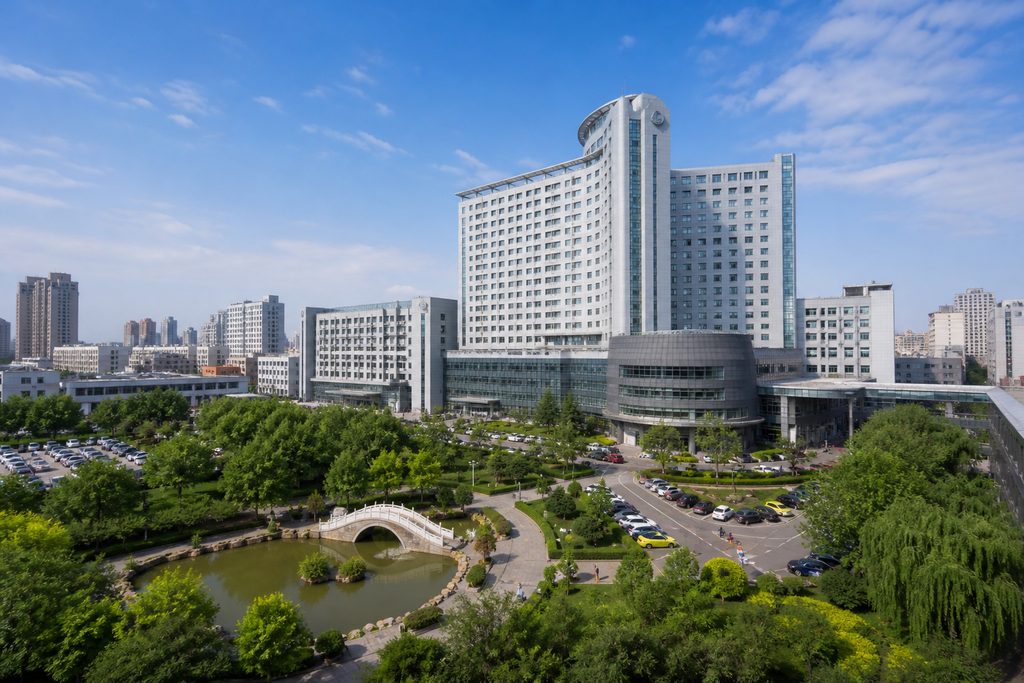
But the price tag alone does not tell the whole story. This is a high-volume public cancer center that treats over 200,000 outpatients a year. The sheer clinical repetition means the oncology teams have seen cases that community hospitals in other countries might encounter only a few times in a decade. The trade-off is that the patient experience is not designed around international expectations. English signage is limited. Registration counters are crowded. That is where the full-service support model becomes essential, and where our team steps in to bridge the gap.
Who This Is Right For — and Who It Isn’t
Traveling to Wuhan for cancer treatment makes sense for certain patients. It can be a poor decision for others. Being honest about both sides builds trust.
Patients who typically benefit most:
- Those with a confirmed diagnosis who want a second opinion from a high-volume oncology center before starting a treatment plan at home.
- Patients facing long wait times for surgery or radiation in their home country, and whose condition allows for travel without immediate risk.
- Individuals seeking access to specific chemotherapy regimens or targeted therapies that are approved and widely used in China but cost-prohibitive or unavailable where they live.
- Families who can bring a companion — a spouse, adult child, or hired support — because the emotional and logistical demands of treatment abroad are real.
Who should think carefully before pursuing this path:
- Patients with unstable disease requiring intensive care monitoring during transit. A long-haul flight is not a neutral event when your immune system is compromised.
- Those who need continuous, nuanced emotional support from a local care team they already know and trust. Being far from home during treatment is isolating.
- Individuals without a clear diagnostic summary and treatment history translated into English or Chinese. The hospital will not start from scratch without records.
- Anyone expecting a Western-style private room and hotel-like amenities. This is a public Chinese hospital. The expertise is real. The environment is functional, not luxurious.
If you fall into the second group, staying local may genuinely be the better choice. No article should convince you otherwise.
The Options, Compared
When international patients look for oncology care in China, they are really choosing between three service tiers. The table below lays out what each one actually delivers.
| Option | Typical Cost (USD) | Language Support | Appointment Timeline | Best For |
|---|---|---|---|---|
| Standard public hospital self-navigation | Lowest direct medical cost; self-pay at public rates | Minimal; Chinese-language registration kiosks, Chinese-speaking staff only | Days to weeks; queue on arrival, no advance booking from overseas | Fluent Mandarin speakers living in China |
| Hospital international department with coordination service | Medical costs 1.5–2× public rates; coordination from $300 | English-speaking coordinators; translated medical summaries; bilingual companion on-site | Coordinated in advance; appointments scheduled before travel | International patients who want clinical quality without the logistical chaos |
| Private international hospital (JCI-accredited, e.g., United Family) | Highest; comparable to mid-range private care in the West | Full English environment; direct insurance billing; Western-trained staff | Prompt; designed for expatriate and medical traveler expectations | Patients who prioritize comfort and familiarity over cost savings |
Most of the patients our team works with choose the middle path. They want the clinical depth of a specialized cancer hospital like Hubei Cancer Hospital, but they also need someone to handle the registration forms, translate the consultation, and make sure the CT scan actually gets scheduled on the right day. That combination is what turns a disorienting experience into a manageable one.
What “Full Service Support” Actually Means at Hubei Cancer Hospital
The phrase gets thrown around a lot. Let us be specific about what is involved when an international patient arrives at Hubei Cancer Hospital Wuhan with a coordination team behind them.
Before you ever board a plane, your existing medical records need to be translated and submitted to the relevant department head. This is not a formality. The oncology team will review your imaging, pathology reports, and treatment history to determine whether they can offer a meaningful intervention. Sometimes the answer is no — and hearing that before you travel saves everyone time, money, and false hope.
Once the hospital confirms they will accept your case, the practical work begins. A bilingual medical companion meets you at the hospital entrance on the morning of your first appointment. They have already picked up your registration number. They know which floor the oncology outpatient clinic is on. They guide you through the payment counter, the vital signs station, and into the consultation room. When the attending physician reviews your case, the companion translates — not just word-for-word, but with enough medical literacy to ensure the nuance of a treatment recommendation is not lost.
After the consultation, the companion helps schedule follow-up tests. Blood draws. Imaging. Maybe a biopsy. In a hospital that sees thousands of patients daily, these tasks involve queuing at multiple windows, paying at different counters, and navigating hallways where signage is entirely in Chinese. Doing it alone is possible. Doing it while managing cancer fatigue and a language barrier is brutal. The support service exists to absorb that friction.
For patients who proceed to chemotherapy or radiation, the coordination extends further. Treatment sessions are booked. Medication schedules are explained. If side effects emerge, the companion can help you communicate with the nursing station quickly rather than waiting until the next scheduled consultation.
One thing to be clear about: this support does not change your place in the clinical queue. It does not buy priority access to a specific specialist. What it does is make sure you do not miss appointments because of a misunderstood instruction, and that your questions actually get answered.
What Cancer Treatment Costs at Hubei Cancer Hospital Wuhan
Chemotherapy costs in China are generally lower than in the United States, Canada, the United Kingdom, and Australia. A cycle that costs $15,000 in the US might cost $3,000 to $5,000 in China for the same drug regimen. The gap narrows for newer targeted therapies and immunotherapies, where global drug pricing still applies. But for standard cytotoxic chemotherapy, the savings are real and consistent. The trade-off is that you are paying out of pocket and seeking reimbursement later, rather than having your insurer billed directly.
This is the question every patient should ask before traveling. Hubei Cancer Hospital is equipped to manage treatment complications, including febrile neutropenia, severe reactions, and disease progression requiring inpatient admission. The hospital has an emergency department and intensive care capacity. What it does not have is your family doctor who knows your baseline, or your local support network. If your condition deteriorates to the point where you cannot fly home, you will be receiving ongoing care in Wuhan for an extended period. Medical evacuation insurance is worth considering. Some patients purchase a policy that covers repatriation in a medically equipped aircraft. It is not cheap — but neither is getting stuck without a way home.
You cannot simply call the hospital’s general registration line and book an appointment from overseas. The public outpatient system requires in-person registration, and the phone lines are staffed by Mandarin speakers handling domestic patients. The international patient pathway goes through the hospital’s international department or through a coordination service that has an established relationship with that department. The process involves submitting your medical records for review, receiving a preliminary assessment, and then scheduling appointments once the department confirms they can take your case. Attempting to bypass this process and show up at the registration desk is not a strategy — it is a recipe for frustration.
Your Next Step
Choosing to pursue cancer treatment abroad is one of the most consequential decisions a person can make. The clinical data matters. The costs matter. But so does the practical reality of being a patient in a hospital where you cannot read the signs or understand the instructions. Our team exists to handle that reality. We are not a hospital. We do not provide medical advice or make treatment recommendations. What we do is connect you with the right oncology department, translate your records, coordinate your appointments, and put a bilingual medical companion by your side from the moment you walk through the hospital doors. If you are considering cancer treatment cost at Hubei Cancer Hospital Wuhan and want to understand whether this path makes sense for your specific situation, reach out for a consultation. There is no pressure and no commitment — just an honest conversation about what is possible.
Learn more about how we support international patients at our patient coordination page, or explore other top-ranked hospitals in Wuhan to compare your options.
Frequently Asked Questions
Yes. The hospitals used for international patients are JCI-accredited and follow the same international safety standards as top hospitals in the US and Europe. Surgical teams perform high volumes of procedures — often more than their Western counterparts — which studies show leads to better outcomes.
Costs vary by procedure and hospital, but international patients typically save 40-80% compared to US prices — even when factoring in travel and accommodation. A consultation with our team will give you an exact, all-inclusive quote with no hidden fees.
Send us your existing medical reports to get started. We handle everything from hospital selection and appointment scheduling to visa assistance and post-operative recovery planning. Your medical records are reviewed by the specialist before you even book a flight.
For more medical information and treatment options in China, visit chinamedservices.com (China Medical Services).
