Nanjing Brain Hospital Psychiatry: Cost, Admission & What Foreign Patients Must Know
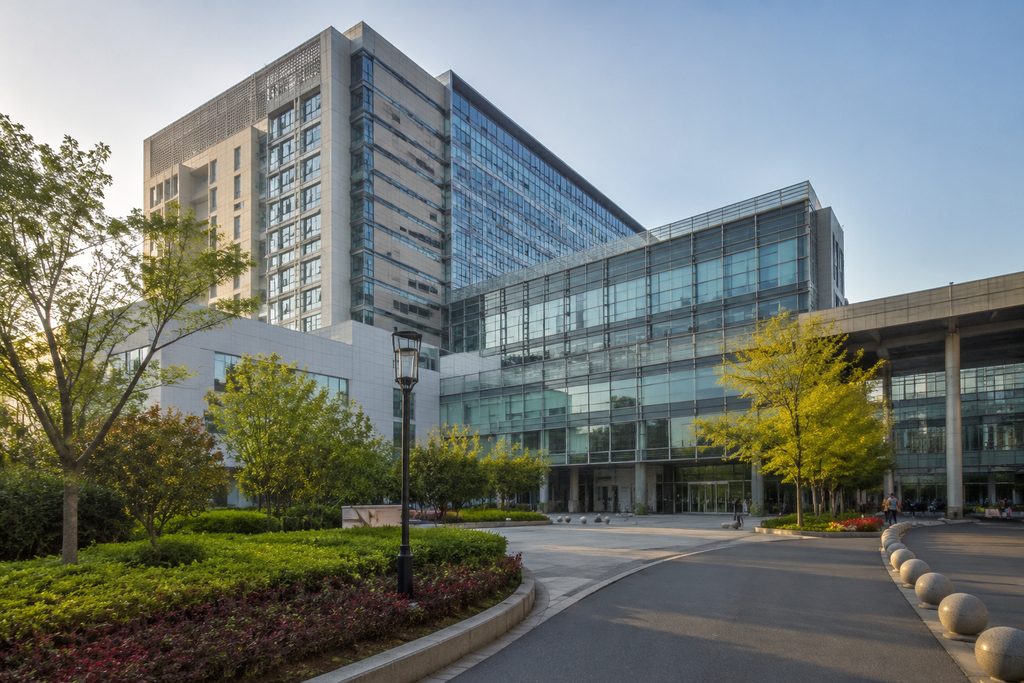
You might assume a public psychiatric hospital in China would feel institutional and impersonal. The reality at Nanjing Brain Hospital is the opposite for its international patients. This is the institution consistently ranked 7th in China for psychiatry on the authoritative Fudan University hospital specialty reputation list. Our team has coordinated care here for patients from over a dozen countries. The process is not as simple as booking a flight and walking through the door. But if you understand how the system works, you gain access to a level of psychiatric expertise that is both world-class and, by Western standards, remarkably cost-effective. The psychiatric treatment Nanjing Brain Hospital cost is a fraction of what comparable care runs in the U.S. or U.K. We’ll break down exactly what that means, what the hospital offers, and how a foreigner actually gets admitted.
Nanjing Brain Hospital Psychiatry: The Short Answer
Nanjing Brain Hospital, officially affiliated with Nanjing Medical University, operates one of China’s busiest and most respected psychiatric departments. It handles over 800,000 outpatient visits annually across neurology and psychiatry. The psychiatry department alone maintains more than 500 inpatient beds. For mood disorders, treatment-resistant depression, and complex anxiety conditions, the hospital uses protocols that blend Western psychopharmacology with traditional Chinese medical approaches where evidence supports it. You will find rTMS, MECT (modified electroconvulsive therapy), and comprehensive medication management. You will also find acupuncture, herbal medicine, and structured psychological therapy. The hospital is not a spa-like retreat. It is a serious, high-volume medical institution. For a foreigner, the biggest hurdle is not quality. It is navigation.
Who This Is Right For — and Who It Isn’t
This hospital suits a very specific profile of international patient. It is not a universal solution.
Good candidates typically include:
- Adults with treatment-resistant major depressive disorder who have failed at least two medication trials at home
- Patients with bipolar disorder seeking medication stabilization under a team that manages thousands of such cases yearly
- Individuals with severe anxiety disorders, including OCD, where combined pharmacotherapy and TCM modalities are desired
- Expats already living in China who need a higher level of psychiatric care than local international clinics provide
This is not the right fit for:
- Anyone in an acute psychotic crisis requiring immediate involuntary hospitalization — China’s legal framework for involuntary admission differs significantly from Western countries and a foreign national in crisis should first seek stabilization in their home system
- Patients seeking primarily talk therapy or psychoanalysis as a standalone treatment — the hospital’s model is medically oriented, with psychotherapy as an adjunct, not the main event
- Children and adolescents under 16 — the pediatric psychiatric unit is limited and not structured for international admissions
- Individuals with primary substance use disorders without a co-occurring mood or thought disorder — dedicated addiction medicine programs remain limited here
Knowing who should not go is what makes a recommendation credible. We tell patients this directly during initial consultations.
The Options, Compared
When a foreigner considers psychiatric care in China, three pathways exist. They are not equal.
| Care Pathway | Typical Setting | Cost Range (USD) | English-Speaking Staff | Access to Top Specialists |
|---|---|---|---|---|
| Private International Hospital (e.g., United Family) | Outpatient clinic, limited inpatient | $300–600 per consultation; inpatient $1,500–2,500/day | Yes, standard | Limited; mostly general psychiatrists |
| Nanjing Brain Hospital — International VIP Channel | Specialized psychiatric hospital, full inpatient | Consultation $100–250; inpatient $500–900/day | Via coordinator/translator | Direct access to department heads and subspecialty teams |
| Nanjing Brain Hospital — Standard Public Channel | Same hospital, general wards | Consultation $15–40; inpatient $80–200/day | Rare | Attending physicians; professor-level consults require VIP coordination |
The standard public channel is what local Chinese patients use. For a foreigner without fluent Mandarin, attempting this route alone is not feasible. The international private hospitals in Shanghai or Beijing offer comfort and English fluency but lack the deep subspecialty expertise that Nanjing Brain Hospital has built over decades. The VIP channel splits the difference: you get the hospital’s top talent with a coordination layer that handles language and logistics. The psychiatric treatment Nanjing Brain Hospital cost through this channel lands between $500 and $900 per inpatient day. That includes the bed, nursing, standard medications, and daily attending physician rounds. It does not include the coordination service fee, which we’ll address later.
What “Rank 7 in China for Psychiatry” Actually Means
The ranking is not a marketing slogan. China’s Fudan University Hospital Ranking, published annually, is the most authoritative hospital evaluation system in the country. For psychiatry, it surveys over 3,000 clinicians nationwide who vote on departmental reputation and clinical strength. Nanjing Brain Hospital has held a top-10 position on this list for over a decade. In the most recent edition, it sits at number 7.
This matters for a foreign patient because the ranking reflects peer recognition, not patient satisfaction scores. It means the hospital’s diagnostic protocols and treatment approaches are considered reference standards by other Chinese psychiatrists. The department runs active research programs in neuroimaging for depression, genetic markers for antipsychotic response, and integrated TCM-Western treatment models. When you ask is Nanjing Brain Hospital good for depression, the answer within China’s medical community is an unambiguous yes — it is one of the national centers that other hospitals send their complex cases to.
But the ranking does not measure patient experience. The hospital was built for volume. Corridors are crowded. Privacy norms differ from what a Western patient might expect. A private room in the VIP ward is comfortable but not luxurious. The value is in the clinical decision-making, not the thread count of the sheets.
How to Get Admitted to Nanjing Brain Hospital from Abroad
The question of how to get admitted to Nanjing Brain Hospital from abroad has a clear answer, but it requires steps that many foreigners find surprising.
You cannot simply email the hospital and book a bed. Chinese public hospitals, including this one, do not operate on a direct international booking model for psychiatry. The process works like this:
Step 1: Remote evaluation. Before you travel, the hospital’s international coordination office requires translated medical records. These include your psychiatric history, medication trials with dosages and durations, any relevant neuroimaging or lab work, and a referral letter from your treating psychiatrist at home. Our team handles certified translation and formats these documents to Chinese medical record standards. This is not a formality. The receiving psychiatrist will review these records and determine whether your case falls within their treatment scope.
Step 2: Video consultation. Once records are reviewed, a preliminary video consultation is scheduled with a senior psychiatrist from the relevant subspecialty team — mood disorders, anxiety disorders, or psychotic disorders. This consultation serves two purposes. The doctor assesses whether inpatient admission is clinically appropriate. And you get to ask direct questions about treatment approach before committing to travel. The cost for this video consultation ranges from $500 to $800 for a top-specialist session. If you proceed to inpatient care within 90 days, that fee is credited in full toward the on-the-ground coordination service.
Step 3: Admission confirmation and visa documentation. If the psychiatrist recommends admission, the hospital issues an official treatment invitation letter and admission confirmation. These documents are required for your S2 visa application — the short-stay visa category used for private affairs including medical treatment. The S2 visa is not a medical visa. There is no such category. S2 covers private visits, and medical treatment is one qualifying purpose. Your accompanying family member applies under the same category. Processing time at your local Chinese embassy or consulate typically runs 5 to 10 business days, though this varies by country.
Step 4: Arrival and admission. You arrive in Nanjing. Our bilingual coordinator meets you at the hospital, handles registration and payment of the admission deposit, and stays with you through the intake interview. The deposit amount varies by expected length of stay but typically starts around $5,000 to $8,000. Payment is required upfront. The hospital does not bill international insurance directly. You pay, then seek reimbursement from your insurer.
What Treatment Actually Looks Like Day to Day
Inpatient psychiatric care at Nanjing Brain Hospital follows a structured daily rhythm. Morning rounds happen between 8:00 and 9:30 AM. Your attending physician, often accompanied by residents and medical students, reviews your status, adjusts medications, and orders any tests. This is the time to ask questions. Afternoons bring scheduled therapies — rTMS sessions, acupuncture if prescribed, group activities, and individual consultations with TCM practitioners if your treatment plan integrates herbal medicine.
Weekends are quieter. No rounds. Reduced therapy schedule. Family visits are permitted during designated hours, typically in the afternoon. The VIP ward has a dedicated visitor room.
Discharge planning begins as soon as you are admitted. The average inpatient stay for a foreign patient seeking mood disorder stabilization runs 14 to 21 days. Some stay longer. The psychiatrist will not discharge you until they believe your medication regimen is stable and you demonstrate sufficient improvement. Discharge against medical advice is possible but strongly discouraged — it can complicate your insurance reimbursement and leaves you without a clear continuation-of-care plan.
Upon discharge, you receive a detailed summary in Chinese and English, including medication list, dosing schedule, follow-up recommendations, and contact information for the coordinating office. Your psychiatrist at home should receive this directly.
Practical Considerations: Records, Payment, and Language
Medical records must be complete. A one-paragraph summary from your GP will not suffice. The reviewing psychiatrist needs to see what has been tried and what failed. Medication names, doses, durations. Any hospitalizations. Previous suicide attempts or self-harm incidents. This is not about gatekeeping. It is about safety. Starting a treatment plan without knowing what triggered a past manic switch or a severe adverse reaction is dangerous.
Payment is upfront and cash-based from the hospital’s perspective. The hospital accepts UnionPay, major credit cards at the VIP counter, and wire transfers for the deposit. It does not accept international health insurance for direct billing. You settle your bill upon discharge and submit the itemized receipt and medical summary to your insurer. Some international insurers with China operations, like Cigna Global or Bupa International, have experience with this hospital and process claims relatively smoothly. Others may require more back-and-forth. Check with your insurer before you travel.
Language is the single biggest practical barrier. Even in the VIP ward, most nursing staff and many junior doctors speak limited English. The senior psychiatrists often read English medical literature but may not be comfortable conducting a nuanced psychiatric interview in English. This is where a bilingual medical companion becomes non-negotiable. The coordinator translates during rounds, therapy sessions, and any moments of distress. A family member who speaks some Mandarin is helpful but not a substitute — psychiatric terminology and emotional nuance require professional interpretation.
Frequently Asked Questions
For treatment-resistant depression specifically, the hospital’s clinical volume gives it an edge that few Western centers can match. Its psychiatrists manage thousands of medication-resistant cases annually and have access to the full range of biological treatments including MECT and rTMS. The integration of TCM modalities like acupuncture and herbal formulas provides adjunctive options that are not available in Western settings. What it lacks is the robust structured psychotherapy programming that many Western inpatient units provide. If your depression is primarily situational and you need intensive talk therapy, this is not the right facility. If you have failed multiple medication trials and need aggressive pharmacological recalibration, it is one of the strongest options in Asia.
For a foreign patient using the VIP channel, a 21-day inpatient stay typically falls between $10,500 and $18,900 for the hospital charges alone — bed, nursing, standard medications, routine tests, and daily physician visits. This does not include the coordination service fee, which starts from $5,000 for end-to-end VIP coordination. It also does not include airfare, the S2 visa fee, accommodation for accompanying family, or discharge medications. The psychiatric treatment Nanjing Brain Hospital cost compares favorably to U.S. private psychiatric hospitals, where a similar stay often exceeds $30,000 to $50,000. But it is not cheap in absolute terms. You should budget $20,000 to $30,000 all-in for a three-week treatment episode.
You are not detained. You can request discharge at any time, though as noted earlier, leaving against medical advice has consequences for your continuity of care and possibly your insurance claim. If the treatment approach is not working, the attending psychiatrist will typically adjust the plan rather than insist on continuing a failing strategy. If you genuinely need to return home, the team will provide a discharge summary and medication bridge prescription to cover your travel and transition back to your home psychiatrist. The hospital does not refund unused days of a prepaid deposit if you leave early, so clarify the refund policy during admission.
Technically, yes — you can book a psychiatry appointment Nanjing Brain Hospital international patient slot by contacting the hospital’s international office directly. In practice, the office receives a high volume of inquiries and response times can be slow. The hospital’s own website and phone system operate primarily in Chinese. Most foreign patients find that the record translation, visa documentation, and in-hospital navigation are sufficiently complex that attempting it solo creates more stress than it saves. A coordinator does not give you medical access you could not otherwise obtain — the hospital’s doors are open to anyone who can navigate the system. The coordinator saves you time, reduces errors, and ensures you are not standing alone in a crowded Chinese hospital corridor trying to explain your psychiatric history to a registrar who speaks no English.
You will not find many top mental hospital China foreigner review posts on English-language forums. The number of Western psychiatric patients treated here annually is small — perhaps a few dozen. Those who do come tend to be expats living in China or patients with family connections to the country. The feedback we receive through our coordination service is consistent: patients are impressed by the clinical thoroughness and the seniority of the doctors they access, but find the cultural and linguistic adjustment significant. The food is Chinese hospital food. The nursing style is directive rather than collaborative by Western standards. Privacy is less absolute than in a Western private room. Patients who come with realistic expectations and a clear clinical goal — medication stabilization, diagnostic clarification — tend to leave satisfied. Those expecting a Western-style therapeutic milieu are often disappointed.
Your Next Step
Nanjing Brain Hospital is a legitimate center of psychiatric excellence. It is also a foreign environment in every sense. The decision to travel across the world for mental health treatment is not one to make lightly. Our role is to help you determine whether this specific hospital and its treatment model match your clinical needs before you spend a dollar on a plane ticket. We are not a hospital. We do not diagnose or treat. We are a medical coordination service that translates records, arranges video consultations with the right subspecialty team, and manages the logistics from visa documentation to discharge planning. If you want to understand whether Nanjing Brain Hospital is the right option for your situation, the starting point is a free consultation where we review your case and give you an honest assessment. You can explore the hospital’s profile and others on our Nanjing hospital directory or review China’s top-ranked psychiatry departments across multiple cities. When you are ready to talk, our team is here — no pressure, just clarity.
For more medical information and treatment options in China, visit chinamedservices.com (China Medical Services).
