Peking University Stomatology: Oral & Maxillofacial Surgery for Foreigners
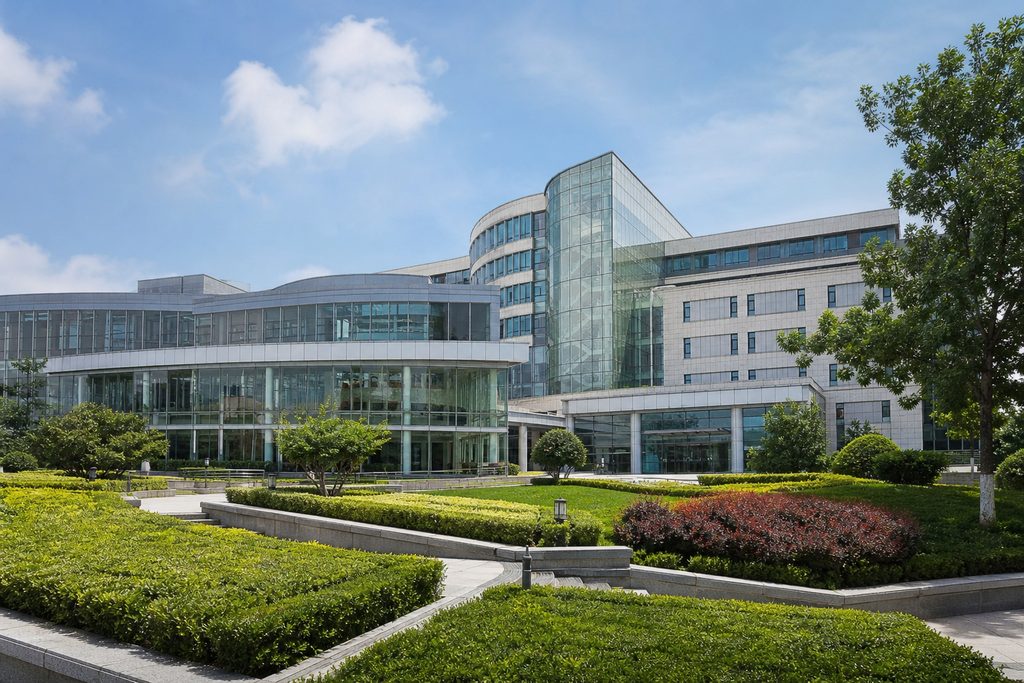
According to the 2023 Fudan University Hospital Rankings, Peking University School of Stomatology holds the top position nationally in the Stomatology specialty reputation list. For foreign patients considering complex jaw surgery, this matters. The oral maxillofacial surgery cost Beijing China typically ranges from $8,000 to $35,000 depending on the procedure — roughly one-third to one-fifth of what the same operation costs in the United States or Western Europe. But cost is only one part of the equation. Access, language, and logistics matter just as much.
Oral and Maxillofacial Surgery at Peking University: The Short Answer
Peking University School of Stomatology is widely considered the best jaw surgery hospital China for foreigners who need complex orthognathic procedures, TMJ reconstruction, or tumor resection. The hospital handles over 8,000 maxillofacial surgeries annually across its inpatient and day-surgery units. That volume creates surgical teams with deep experience in procedures that Western hospitals perform far less frequently.
The catch? It is a public hospital. Outpatient registration works on a same-day queue system. You cannot simply email the hospital and book a surgery date from overseas. That is where structured coordination becomes essential.
Who This Is Right For — and Who It Isn’t
Orthognathic surgery is not cosmetic dentistry. It repositions the upper and lower jaws to correct skeletal misalignment that causes functional problems: difficulty chewing, sleep apnea, chronic TMJ pain, or speech impairment. The right candidate has a documented skeletal discrepancy confirmed by cephalometric imaging. They have already tried or been evaluated for orthodontic treatment and know surgery is the definitive step.
A strong candidate typically has:
- A confirmed Class II or Class III skeletal malocclusion with functional symptoms
- Completed or planned pre-surgical orthodontics
- Realistic expectations about a 6–12 month recovery arc
- Financial capacity for a self-funded procedure plus travel and accommodation
Who should not pursue this path? Patients with uncontrolled systemic disease, active periodontal infection, or a history of poor wound healing. Smokers face significantly higher complication rates and most Chinese maxillofacial surgeons will require cessation at least six weeks pre-op. Also, if your primary motivation is subtle aesthetic refinement rather than functional correction, a surgical route abroad is likely disproportionate to the need.
The Options, Compared
When international patients evaluate where to have orthognathic or TMJ surgery, three realistic pathways exist. Each carries different trade-offs in cost, access speed, and coordination complexity.
| Pathway | Typical Cost (USD) | Wait Time for Surgery | Language Support | Key Trade-off |
|---|---|---|---|---|
| Peking University School of Stomatology (public, standard route) | $8,000–$18,000 | 3–6 months after in-person consultation | Limited; Chinese-dominant | Lowest cost, highest coordination burden |
| Peking University International/VIP Department | $15,000–$35,000 | 1–3 months after consultation | English-speaking coordinators | Faster access, 1.5–2× standard pricing |
| Private international hospital in Beijing (e.g., United Family, Raffles) | $25,000–$50,000+ | 2–6 weeks | Full English service, direct insurance billing | Highest cost, smaller surgical volume |
The standard public route suits cost-sensitive patients with flexible schedules and a willingness to navigate Chinese hospital systems — ideally with a bilingual companion. The VIP route fits patients who want the same top-tier surgical team with faster scheduling and English coordination. Private international hospitals work for patients with comprehensive insurance or those who prioritize a Western-style experience over raw surgical volume.
How Safe Is Orthognathic Surgery in China?
This is the question behind every other question. So let us answer it directly.
Orthognathic surgery carries inherent risks regardless of geography: nerve injury (5–15% incidence of temporary or permanent altered sensation in the lower lip and chin), infection (under 5% with prophylactic antibiotics), bleeding, and relapse requiring revision. The skill of the surgical team and the quality of post-operative monitoring are the variables that move those numbers.
Peking University School of Stomatology operates a dedicated maxillofacial surgery inpatient unit with ICU backup within a comprehensive teaching hospital. The department performs more orthognathic procedures in one year than most European centers perform in five. That repetition matters. Studies published in the Journal of Cranio-Maxillofacial Surgery and the Chinese Journal of Stomatology report complication rates at top Chinese teaching hospitals comparable to those at major Western academic centers. The surgical protocols — Le Fort I osteotomy, bilateral sagittal split osteotomy, genioplasty — are identical to what you would receive in Boston or Berlin. The equipment is the same. The difference is volume and cost.
But safety also includes what happens after you leave the operating room. Post-operative care in Chinese public hospitals is nursing-intensive but culturally different from Western models. Family members or hired companions are expected to assist with feeding, mobility, and communication. If you travel alone, factor this in. A bilingual companion is not a luxury here; it is a safety measure.
What It Costs: Oral Maxillofacial Surgery Cost Beijing China
Cost varies primarily by procedure type and hospital pathway. Here is what you can expect at Peking University School of Stomatology through the standard public route:
| Procedure | Cost Range (USD) | Inpatient Stay | Notes |
|---|---|---|---|
| Single-jaw orthognathic surgery (BSSO or Le Fort I) | $8,000–$14,000 | 5–7 days | Includes surgical fees, basic hospital bed, standard plates |
| Double-jaw orthognathic surgery | $14,000–$22,000 | 7–10 days | Includes surgical fees, standard titanium fixation |
| TMJ arthroscopy / arthrocentesis | $3,000–$6,000 | 1–2 days | Less invasive; faster recovery |
| TMJ total joint replacement | $18,000–$35,000 | 10–14 days | Custom prosthesis; higher material cost |
| Maxillofacial tumor resection + reconstruction | $10,000–$30,000+ | 14–21 days | Highly variable; depends on defect size and flap type |
These figures cover hospital charges only. Pre-surgical orthodontics (often 12–18 months) typically costs an additional $3,000–$6,000 in China or your home country. You will also need to budget for: CT scans and cephalometric imaging ($200–$500), pre-operative medical clearance ($150–$300), accommodation in Beijing for 3–6 weeks ($40–$150 per night), and post-operative medications ($100–$300). The VIP pathway multiplies the surgical line items by roughly 1.5–2× but bundles English coordination and faster scheduling.
Peking University Stomatology International Patients Price: What the VIP Route Includes
When you see references to Peking University stomatology international patients price online, the figures often reflect the international/VIP department rather than the standard public route. That is because the international department publishes clearer pricing and accepts overseas inquiries directly.
The VIP route at Peking University School of Stomatology generally includes:
- English-speaking appointment coordination
- Priority scheduling with senior surgeons
- Private or semi-private inpatient rooms
- Assistance with medical record translation
- Direct communication channels for follow-up questions
What it does not include is a guarantee of a specific surgeon or an exact surgery date. Chinese public hospitals — even at the VIP level — do not operate like Western private clinics. The surgical schedule is set by the department, not by patient demand. Expect flexibility on your side.
Practical Considerations: Booking Maxillofacial Surgery in Beijing as a Medical Traveler
For arthrocentesis or arthroscopy, most patients return to normal activity within 1–2 weeks and fly home after 7–10 days. For open TMJ surgery or total joint replacement, expect 2–4 weeks in Beijing for initial recovery, then 3–6 months of progressive rehabilitation at home. Full jaw opening and chewing function may take 6 months or longer. Orthognathic surgery follows a similar arc: liquid diet for 2–4 weeks, soft diet for 6–8 weeks, and a return to normal chewing around 3–4 months. You should not plan to fly within 48 hours of discharge due to swelling and pressure changes.
Complications happen in a minority of cases regardless of where you have surgery. The key question is what happens next. At Peking University School of Stomatology, the operating surgeon and department remain responsible for managing surgical complications — infection, hardware failure, non-union — under the original treatment agreement. Revision surgery for early complications is typically performed without additional surgeon fees, though hospital and material costs apply. The practical challenge for international patients is geographic: if you develop a problem after returning home, you may need to travel back to Beijing. Some patients arrange for their local maxillofacial surgeon to manage minor issues like wire removal or infection with guidance from the Chinese team. This coordination is not automatic; you must establish it before leaving.
Most international health insurance plans treat Chinese public hospitals as out-of-network providers. That means you pay upfront and seek reimbursement after treatment. The hospital issues itemized invoices and medical records in Chinese; you will need certified translations for your insurer. Some private international hospitals in Beijing offer direct billing with major insurers, but Peking University School of Stomatology does not. Check your policy’s out-of-network coverage and pre-authorization requirements before committing. For an overview of insurance-friendly options, see our page on private international hospitals in China.
Your Next Step
Peking University School of Stomatology offers world-class maxillofacial surgery at a fraction of Western prices — but only for patients who approach the process with clear expectations and proper coordination. The surgical expertise is real. The logistics are manageable. The gap between the two is where most international patients struggle.
We are China Medical Services, a coordination team that connects international patients with top-ranked Chinese hospitals. We are not a hospital, and we do not provide medical advice or diagnoses. What we do is handle the practical layer: record translation, appointment coordination, bilingual accompaniment, and visa guidance. If you are considering jaw surgery in Beijing, start with a written second opinion. It costs less than the flight and tells you whether this path makes sense for your case. Request a free consultation and we will walk you through the first step.
Frequently Asked Questions
Yes. The hospitals used for international patients are JCI-accredited and follow the same international safety standards as top hospitals in the US and Europe. Surgical teams perform high volumes of procedures — often more than their Western counterparts — which studies show leads to better outcomes.
Costs vary by procedure and hospital, but international patients typically save 40-80% compared to US prices — even when factoring in travel and accommodation. A consultation with our team will give you an exact, all-inclusive quote with no hidden fees.
Send us your existing medical reports to get started. We handle everything from hospital selection and appointment scheduling to visa assistance and post-operative recovery planning. Your medical records are reviewed by the specialist before you even book a flight.
For more medical information and treatment options in China, visit chinamedservices.com (China Medical Services).
