Rare Brain Tumor in Shanghai: Huashan Neurosurgery Guide
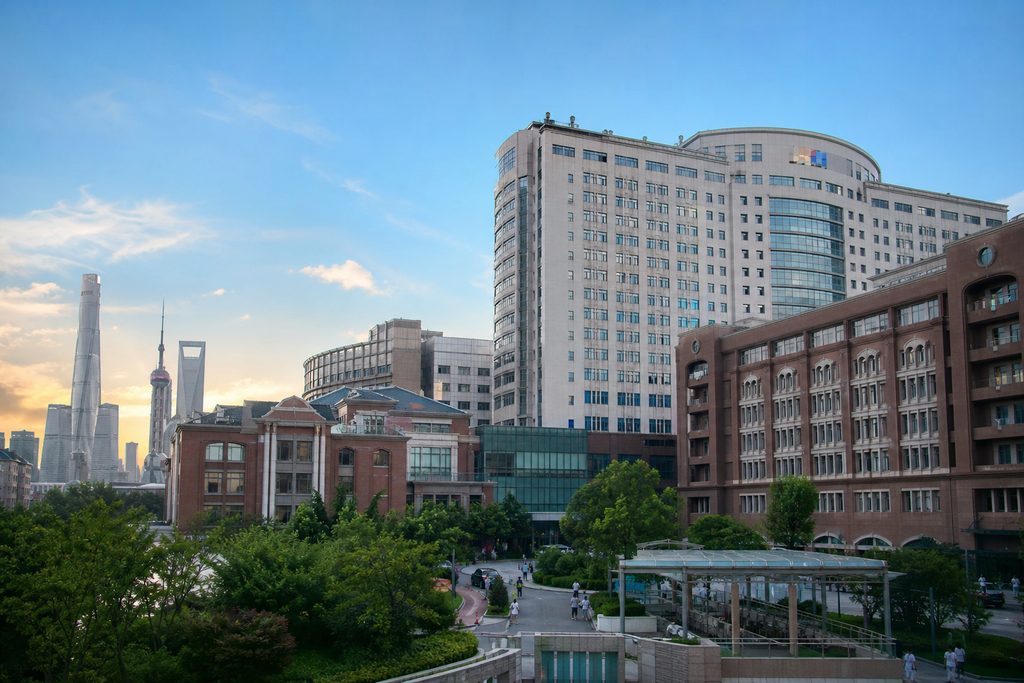
Rare Brain Tumor in Shanghai: Huashan Neurosurgery and What International Patients Need to Know
A rare brain tumor is exactly what it sounds like — an uncommon growth in the brain or its surrounding tissues that doesn’t fit the usual patterns of more common tumors. When international patients search for a rare brain tumor in Shanghai and Huashan neurosurgery, they’re usually looking for one thing: a hospital with the depth of experience to handle cases that smaller centers rarely see. Huashan Hospital, affiliated with Fudan University, is consistently ranked among China’s top neurosurgery departments in the Fudan Hospital Rankings. But ranking is only the starting point. What matters more is whether you can actually access that expertise from abroad, what the process looks like, and what it costs.
Here’s the honest version: Huashan’s neurosurgery reputation is real and well-earned. Getting an appointment there as a foreign patient without preparation is genuinely difficult. The hospital sees enormous daily patient volumes, and the public registration system was not designed with international patients in mind.
Rare Brain Tumor in Shanghai Huashan Neurosurgery: The Short Answer
Huashan Hospital’s neurosurgery department is one of the strongest in China, with particular depth in complex skull base tumors, gliomas, and rare intracranial pathologies. International patients can access it, but almost never by simply showing up. The realistic path involves sending your imaging and pathology records ahead, obtaining a written second opinion or video consultation, and then coordinating an in-person visit through the hospital’s international or VIP channel. That channel typically costs 1.5 to 2 times the standard fee — a premium that buys English-language support and a faster scheduling pathway.
The caveat: no service, ours included, can guarantee you’ll be seen by a specific named surgeon or admitted on a specific date. Hospital rules govern admission. Anyone who promises otherwise is not being straight with you.
Who This Is Right For — and Who It Isn’t
China’s top neurosurgery centers make the most sense for a particular kind of patient. If you’ve been told your tumor is rare, inoperable at your local hospital, or requires a subspecialty approach that doesn’t exist near you, the case for looking abroad gets stronger.
Typically a good fit:
- You have a confirmed or suspected rare brain tumor and your home hospital has limited experience with that specific pathology
- You’re facing a long wait for surgery in your home country and the tumor is progressing
- You want a second opinion from a high-volume center before committing to a treatment plan
- Cost is a factor — complex neurosurgery in China often runs a fraction of U.S. or Western European prices
Probably not the right move:
- Your case is already well-managed by a team you trust, and travel would interrupt continuity of care
- You’re medically unstable for long-haul travel — this is a conversation for your treating physician, not a coordinator
- You need emergency surgery. Rare tumor workups are rarely emergencies, and international coordination takes days, not hours
- You’re expecting a Western-style private hospital experience at a public hospital price. Those are two different products
The Options, Compared
Patients weighing a rare brain tumor diagnosis usually have three realistic paths. Each involves real trade-offs.
| Path | Typical Wait | Estimated Cost (USD) | English Support | Best For |
|---|---|---|---|---|
| Home country public system | Weeks to months | $0–$30,000+ (varies by country) | Native language | Stable cases, established care |
| Home country private | Days to weeks | $80,000–$200,000+ | Full | Speed and familiarity |
| Huashan public channel | Same-day queue, then surgical scheduling | Lower surgical fees, but no English navigation | Minimal | Patients with Chinese-language support |
| Huashan international/VIP channel | Coordinated in advance | Roughly 1.5–2x standard fees | Yes | Foreign patients needing navigation |
| Private international hospital in Shanghai | Days | Higher than public VIP | Full, direct insurance billing | Insurance holders, simpler cases |
Which column fits you depends on three things: how rare your tumor actually is, how much time you have, and whether you can navigate a Chinese public hospital without language support. For genuinely rare pathologies, the Huashan international channel is usually the sweet spot — top-tier expertise with a workable process around it.
What Makes Huashan Different for Rare Neurosurgical Cases
Volume matters in rare disease. A surgeon who sees two cases of a rare tumor a year makes different decisions than one who sees twenty. Huashan’s neurosurgery department handles a very high annual caseload across skull base tumors, gliomas, meningiomas, and pediatric neurosurgical conditions, which is precisely why it appears near the top of China’s specialty reputation rankings.
That depth translates into a few practical advantages. Multidisciplinary teams — neurosurgeons, neuro-oncologists, radiologists, and pathologists reviewing the same case together — are standard at this tier. Intraoperative imaging and navigation equipment is current. And because the case volume is high, surgical scheduling moves faster than at smaller centers once you’re in the system.
What Huashan is not: a concierge hospital. It is a large public institution. Corridors are crowded, waits happen, and the default language is Chinese. Understanding that going in saves a lot of frustration.
What It Costs and How Long It Takes
Complex neurosurgery in China’s top public hospitals typically runs between $15,000 and $45,000 for the surgical episode, depending on tumor location, whether craniotomy is needed, ICU days, and whether adjuvant radiation or chemotherapy follows. Compare that to $150,000 or more for comparable care in the United States. These are ranges, not quotes — final pricing varies by hospital and case complexity, and you should expect it to.
On the service side, international patients usually start with a remote step before traveling. A written second opinion from a top hospital specialist generally runs $300–$500. A video consultation with a specialist runs $500–$800, and a multidisciplinary team consultation — several specialties reviewing your case together — runs $1,500–$2,000. One useful detail: any consultation fee is credited in full toward on-the-ground coordination if you decide to travel within 90 days. It’s a one-time credit applied to the coordination fee only, never to hospital treatment charges.
Timeline-wise, here’s a realistic sequence. Records review and second opinion: 5–10 days. Decision and visa preparation: 1–3 weeks. Arrival, in-person consultation, and pre-surgical workup: 3–7 days. Surgery scheduling follows the hospital’s own queue, and that timing depends on the department, not on any coordinator.
Practical Considerations: Records, Visa, and Payment
The single biggest delay in international neurosurgical care is incomplete records. You’ll want your MRI and CT imaging on disc or via cloud link, pathology reports, operative notes if you’ve had prior surgery, and a current medication list — all translated into Chinese by a qualified medical translator. Hospitals generally will not schedule a surgical consultation on the basis of an English-language summary alone.
On the visa side, foreign patients coming to China for medical treatment typically apply for the S2 visa with a notation for medical treatment purposes, and accompanying family members apply under the same category. Stays beyond 180 days fall under S1. Requirements shift, so confirm current rules with the nearest Chinese embassy or consulate and bring supporting hospital documents. One clarification worth stating plainly, because it circulates online: the M visa is for commercial and trade activity. It is not a medical visa.
Payment at public hospitals is upfront. You’ll typically prepay for treatment and seek reimbursement from your insurer afterward. Private international hospitals in Shanghai often bill insurance directly, but their surgical fees run higher. If you carry international health insurance, call them before you book anything — pre-authorization requirements can take weeks.
Our team maintains a searchable database of top-ranked Chinese hospitals by city and specialty, which is a reasonable place to start comparing options before you commit to any single institution.
Frequently Asked Questions
Yes, foreign patients are treated at Huashan, but the practical route is through the hospital’s international or VIP channel rather than the standard public queue. That channel provides English-language support and a coordinated scheduling process at roughly 1.5 to 2 times standard fees. Admission itself always remains subject to hospital rules and the treating department’s assessment.
Complex neurosurgery at a top Shanghai public hospital generally falls in the $15,000–$45,000 range for the surgical episode, against $150,000 or more in the U.S. for comparable procedures. The gap is real, but so is the variance — tumor type, ICU time, and follow-on treatment all move the number. Treat any figure as an estimate until a hospital reviews your records.
This is the question worth asking before you travel, not after. Ask your Chinese surgical team for a complete operative report, imaging, and a written follow-up plan in English before discharge — some hospitals provide this routinely, others need to be asked. Line up a neuro-oncologist or neurosurgeon at home who is willing to receive those records and take over follow-up. Surgical complications are possible anywhere, and post-operative care in your home country is not something a coordination service can provide.
Your Next Step
A rare brain tumor diagnosis is frightening, and the search for the right surgeon can feel overwhelming. The good news is that China’s top neurosurgery centers genuinely do handle these cases at volume, and the cost advantage is substantial. The challenge is navigation, not capability.
We’re China Medical Services — a coordination team, not a hospital. We don’t diagnose, we don’t treat, and we don’t promise outcomes. What we do is help you get your records in front of the right specialty, arrange a written second opinion or video consultation, and handle the logistics if you decide to travel. If you’d like to understand your options before making any commitment, start with a free consultation and we’ll walk you through what’s realistic for your case.
For more medical information and treatment options in China, visit chinamedservices.com (China Medical Services).
