Which Scan Do You Need in China: A Guide to Imaging Costs and Safety
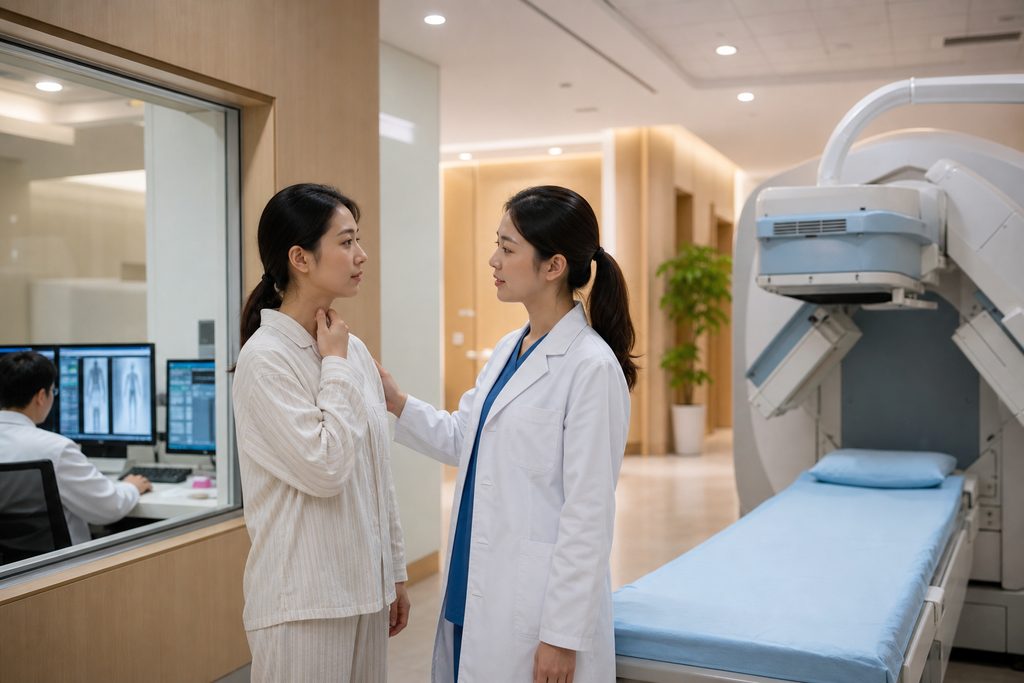
What if the scan you need is available next week in China for a fraction of what your local hospital quoted — but you have no idea where to start? The answer to “which scan do you need in China” depends entirely on your symptoms, your doctor’s question, and your budget. Here is the short version: a CT scan cost China patients typically pay between $150 and $500 at a top public hospital, while an MRI runs $300 to $900 and a PET-CT sits between $800 and $1,500. Those are real numbers, not estimates pulled from thin air. But the scan itself is only half the story. Finding the right hospital, getting an appointment without a Chinese ID, and understanding the report in English — that is where most international patients get stuck.
CT Scan Cost China and Beyond: The Short Answer
If you already have a referral and a clear question, you can get almost any advanced scan in China within one to two weeks. The price depends on the hospital tier, the city, and whether you use the standard queue or the international department.
A non-contrast CT of the chest at a major public hospital in Beijing or Shanghai usually costs $150–$300. Add contrast dye and you are looking at $250–$500. An MRI of the brain or spine runs $300–$900 depending on the magnet strength and whether contrast is used. A PET-CT — the scan used most often in cancer staging — typically falls between $800 and $1,500.
Compare that to the United States, where a single PET-CT can easily exceed $5,000 before insurance. The gap is not because Chinese imaging is inferior. It is because the equipment is the same Siemens, GE, and Philips machines you would see in a Western hospital, and the government caps prices on many standard procedures.
Key takeaway: The scan itself is rarely the bottleneck. The real challenge is getting a timely appointment at the right hospital and having someone who can explain the results in your language.
Who This Is Right For — and Who It Isn’t
Medical imaging in China makes sense for a specific type of patient. It is not for everyone, and pretending otherwise would waste your time and money.
You are likely a good candidate if:
- You have a referral or a clear clinical question from your home doctor.
- You are facing a long wait at home — weeks or months for an MRI or PET scan.
- You are paying out of pocket and the price difference is meaningful to you.
- You are already traveling to China for treatment or a second opinion.
- You need a scan that is either unavailable or prohibitively expensive where you live.
You should probably not pursue this if:
- You are medically unstable. A scan is a diagnostic step, not emergency care.
- You need a scan within 24–48 hours for an acute problem. Go to your nearest emergency room.
- You cannot travel for health reasons — cardiac instability, recent surgery, or severe respiratory illness.
- You expect a diagnosis on the spot. Chinese radiologists produce reports, but treatment decisions require a physician who knows your full history.
Being honest about the limitations matters more than selling the service. If your situation falls into the second list, staying home is the right call.
The Options, Compared
Not all imaging is created equal, and not all hospitals are either. The table below compares the scan types most international patients ask about, with realistic price ranges at top-tier Chinese hospitals.
| Scan Type | Typical Price in China (USD) | Typical Price in the U.S. (USD) | Best For | Wait Time (Public Hospital) |
|---|---|---|---|---|
| CT (non-contrast) | $150–$300 | $800–$2,500 | Lung, bone, abdominal screening | 3–7 days |
| CT (with contrast) | $250–$500 | $1,500–$4,000 | Tumor detection, vascular studies | 5–10 days |
| MRI (1.5T or 3T) | $300–$900 | $1,200–$5,000 | Brain, spine, joints, soft tissue | 7–14 days |
| PET-CT | $800–$1,500 | $4,000–$8,000 | Cancer staging, recurrence monitoring | 10–21 days |
| Endoscopy (upper GI) | $200–$500 | $1,500–$4,000 | Stomach, esophagus, ulcer, bleeding | 5–14 days |
Which column suits you? If you are paying cash and your condition is stable, the public hospital route offers the best value. If you need English-speaking staff, direct insurance billing, and a same-week appointment, the private international hospitals are worth the premium. Those facilities — many of them JCI accredited — charge 1.5 to 2 times the public rate but remove almost all the friction.
MRI Scan Price Shanghai Hospital: What Drives the Number
Shanghai is home to some of China’s busiest and best-equipped imaging departments. An MRI scan price at a Shanghai hospital depends on four things: the field strength of the magnet, whether contrast is used, the body part being scanned, and whether you go through the standard queue or the international department.
A standard 1.5T MRI of the knee at a major public hospital in Shanghai might cost $300–$450. The same scan on a 3T machine — which gives sharper images and is preferred for brain and prostate work — pushes toward $500–$900. At a private international hospital like United Family or Jiahui, expect to pay $800–$1,500 for the same study, but you will get an English-speaking radiologist and a report you can read the same day.
One practical note: contrast dye adds cost and requires a blood test beforehand to check kidney function. If your home doctor specifically asked for contrast, say so when you book. If not, a non-contrast study may answer the question just as well.
For a city-by-city breakdown of where these hospitals sit, our guide to China’s top-ranked hospitals groups them by tier and location.
Is It Safe to Get a PET Scan in China?
This is the question that stops many patients cold. The short answer is yes — provided you go to an accredited facility with trained nuclear medicine staff.
China operates hundreds of PET-CT scanners, most of them at tertiary hospitals in major cities. The equipment is manufactured by the same global vendors that supply Western hospitals. The radiopharmaceutical — usually FDG — is produced under national safety standards and has a short half-life, meaning it is made fresh for each patient.
The real safety considerations are the same ones you would face anywhere. Radiation exposure from a single PET-CT is comparable to what you would receive in the U.S. or Europe. Pregnancy is a contraindication. So is uncontrolled diabetes, because high blood sugar interferes with the tracer. If you have kidney disease, tell the staff before contrast is used.
What you should verify is the facility’s accreditation. Look for hospitals with JCI certification or those listed on the Fudan ranking. Our directory of private international hospitals flags which ones carry JCI accreditation and offer direct insurance billing.
Tip: Ask for the scan report in English before you leave. Most top hospitals can provide one, but it may take an extra day. If you need it urgently, mention this at booking.
How Much Does an Endoscopy Cost in Beijing?
An upper GI endoscopy — the camera down the throat — is one of the most common procedures international patients seek in Beijing. The cost typically ranges from $200 to $500 at a public hospital, depending on whether sedation is used and whether a biopsy is taken.
At a private international hospital, the same procedure runs $600–$1,200. The difference buys you an English-speaking gastroenterologist, a private recovery room, and often a same-week appointment.
Beijing has several hospitals with dedicated endoscopy centers that handle high volumes. Peking Union Medical College Hospital and the Chinese PLA General Hospital are among the busiest. If you need a colonoscopy as well, expect to pay separately — it is a distinct procedure with its own prep and equipment.
One thing to know: endoscopy in China usually requires a prior clinic visit. The doctor needs to review your history and decide whether sedation is appropriate. That means two trips — one for the consultation, one for the procedure. Planning for that saves you a wasted day.
Practical Considerations: Records, Visas, and Payment
Getting a scan in China is not complicated, but it is not walk-in simple either. Here is what actually matters.
Records. Bring your prior imaging on CD or USB, plus any reports in English. Chinese radiologists can read English reports, but having a translated summary speeds things up. If you have a referral letter from your home doctor, bring that too.
Visa. If you are traveling to China specifically for medical evaluation, the S2 visa is the applicable short-stay category for medical treatment and private affairs. It requires supporting documents from the hospital. The M visa is for commercial and trade activities and is not the right category for medical travel. Rules vary by embassy, so check the latest requirements before you apply.
Payment. Public hospitals require prepayment. International credit cards are accepted at most large hospitals, but not all. Private international hospitals often bill insurance directly. If you are relying on reimbursement from home, get an itemized receipt and a diagnosis code before you leave.
Language. This is the biggest practical hurdle. A large Chinese hospital may see 10,000 outpatients a day. Signage is in Chinese. Registration queues are in Chinese. Without help, even finding the right imaging department can take hours.
Follow-up. Once you have the scan and the report, you still need a physician to interpret it in the context of your history. That can happen remotely. A written second opinion from a Chinese specialist, or a video consultation, lets you get that interpretation without extending your trip.
Frequently Asked Questions
Yes, but not through the standard public queue. Public hospitals generally require a Chinese ID or passport registration on the day, and appointments cannot be made from overseas. The practical route is through the hospital’s international department or a coordination service that handles registration on your behalf. Private international hospitals are more flexible and often accept direct bookings from foreign patients.
For equipment and safety standards, yes. JCI accreditation means the facility has met international patient-safety and quality benchmarks. The main difference is not the machine — it is the workflow. Chinese hospitals are high-volume, and the pace can feel rushed. If you value a slower, more explanatory experience, a private JCI-accredited hospital is worth the higher price.
That is exactly why you want a physician involved, not just a radiologist. A scan report describes findings; it does not prescribe treatment. If something concerning appears, the next step is a consultation with the relevant specialist — either in person or via video — to discuss what the finding means and what options exist. Do not make treatment decisions based on a report alone.
For a CT or MRI at a public hospital, allow one to two weeks for scheduling. PET-CT takes longer, often two to three weeks, because the tracer supply and scanner time are limited. If you are traveling from abroad, add time for visa processing and flights. A realistic timeline from first inquiry to scan is three to five weeks.
Your Next Step
The scan you need is almost certainly available in China, often within days rather than months, and at a fraction of Western prices. The hard part is not the machine — it is the navigation. That is where we come in.
China Medical Services is not a hospital and we do not diagnose. We connect international patients with 340+ top-ranked hospitals across 37 cities, coordinate appointments, provide bilingual medical companions, and help with visa guidance. If you are trying to figure out which scan you need and where to get it, start with a free consultation. No pressure, no obligation — just a conversation about your situation and what makes sense.
You can reach our team through the patient consultation page. We will help you map out the options and decide whether traveling to China for imaging is the right move for you.
For more medical information and treatment options in China, visit chinamedservices.com (China Medical Services).
