Shandong Cancer Hospital: International Guide for Foreign Patients
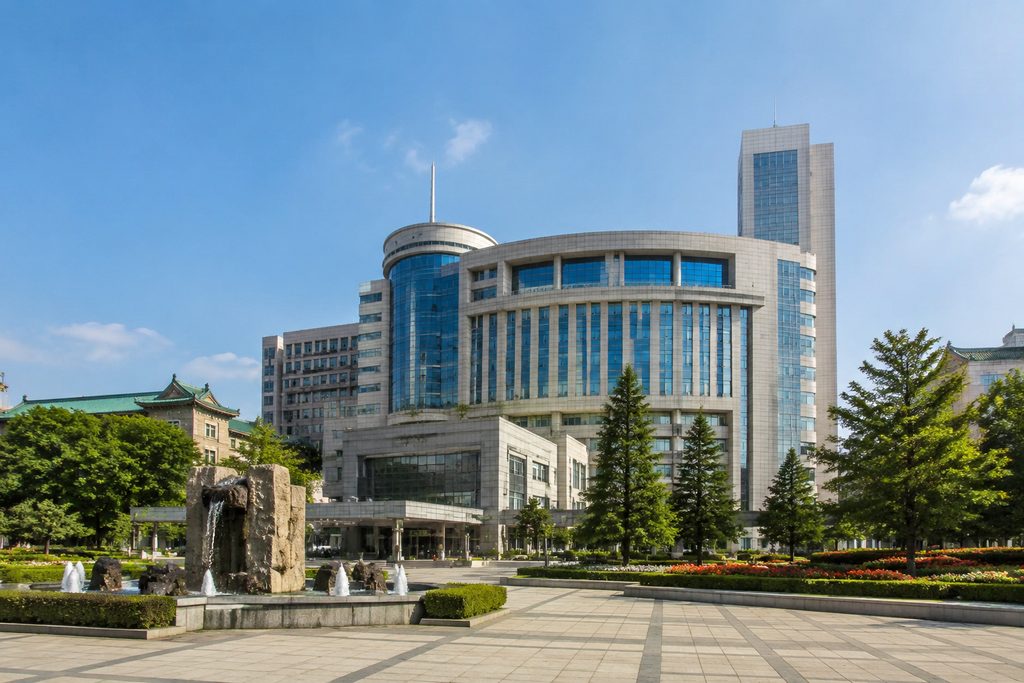
Shandong Cancer Hospital: The Short Answer
When 47-year-old Sarah from Melbourne was diagnosed with stage II breast cancer, her first instinct was to stay close to home. Then she saw the quote: $85,000 for surgery, radiation, and a year of follow-up. A colleague mentioned that China’s top oncology hospitals treat international patients at a fraction of that cost. Sarah had never heard of Shandong Cancer Hospital. She didn’t know where to start.
For Shandong Cancer Hospital international patients, the short answer is this: yes, foreign patients can receive treatment there, and the hospital ranks among China’s top oncology centers. But getting in requires understanding a system that doesn’t work like Western hospitals. There’s no online booking portal for international patients. No English-language self-scheduling. The path runs through the hospital’s international department, and it starts with a written second opinion or video consultation before anyone books a flight.
That’s the reality. It’s manageable — but only if you know the steps.
Who This Is Right For — and Who It Isn’t
China’s top cancer hospitals attract patients from across Asia, the Middle East, and increasingly from Europe and North America. But the fit isn’t universal. Being honest about that saves everyone time and money.
You may be a good candidate if:
- You have a confirmed cancer diagnosis and complete pathology reports
- You’re facing a long wait for surgery or radiation in your home country
- Treatment costs at home are prohibitive, even with insurance
- You’re seeking a second opinion from a high-volume oncology center
- You can travel for 2–6 weeks and have a companion or caregiver
You should probably not pursue this if:
- You’re medically unstable for long-haul travel
- Your cancer requires immediate emergency intervention
- You need a specific clinical trial only available in your home country
- You cannot provide complete medical records in English or Chinese
- You expect a Western-style hospital experience in a public Chinese facility
That last point matters. China’s top public hospitals are enormous. Outpatient volumes can exceed 10,000 visits per day. The clinical quality is high. The service model is not what a patient from Toronto or London expects. Knowing this upfront prevents a lot of frustration.
The Options, Compared
Before committing to any hospital abroad, it helps to see the landscape. The table below compares common paths for a patient facing a cancer diagnosis.
| Option | Typical Cost (USD) | Wait Time | Language Support | Best For |
|---|---|---|---|---|
| Home country public system | $0–$20,000 out-of-pocket | 4–16 weeks | Native language | Patients with good insurance and tolerable waits |
| Home country private care | $80,000–$200,000+ | 1–4 weeks | Native language | Speed and familiarity, if budget allows |
| Shandong Cancer Hospital (public, standard) | $8,000–$25,000 | 2–6 weeks after records review | Limited English; interpreter needed | Cost-sensitive patients with confirmed diagnosis |
| Shandong Cancer Hospital (international/VIP channel) | $15,000–$40,000 | 1–3 weeks after approval | English-speaking coordinators | Patients wanting faster scheduling and support |
| Other top Chinese oncology centers | $10,000–$45,000 | Varies by department | Varies; international depts. have English | Patients with specific subspecialty needs |
Costs vary by hospital and case complexity. The figures above are reference ranges, not quotes. A patient with early-stage disease needing surgery alone sits at the low end. Someone requiring proton therapy, immunotherapy, or a bone marrow transplant sits much higher.
Which column fits you? If you have solid insurance and can wait, staying home is often the simplest path. If cost is the barrier and your diagnosis is confirmed, China’s top oncology hospitals become genuinely competitive. The international department channel costs roughly 1.5–2 times the standard public rate, but it buys English support, faster scheduling, and a less chaotic experience.
Is Cancer Treatment in China Safe for Foreigners?
This is the question that stops people. It deserves a direct answer.
China’s top-ranked hospitals — including Shandong Cancer Hospital — operate under the same clinical standards you’d find in major Western centers. Surgical volumes are often higher. Radiation oncology equipment is current-generation. Pathology and imaging departments are well-equipped. The National Health Commission regulates these facilities, and JCI-accredited private hospitals meet international benchmarks.
But “safe” depends on context. A few honest points:
- High volume cuts both ways. Experienced surgical teams, but less hand-holding.
- Infection control in large public wards is not equivalent to a private Western hospital. Ask about room options.
- Blood products and medications are regulated, but brand availability differs from your home country.
- Follow-up care after you return home is your responsibility. Your local oncologist needs your complete records.
None of this means unsafe. It means different. Patients who research the system and use a bilingual coordinator report far smoother experiences than those who arrive unprepared.
How to Book Cancer Treatment at Shandong Cancer Hospital
Here’s where most international patients get stuck. There is no English-language online booking system. You cannot simply email the hospital and receive an appointment confirmation. The process works in stages.
Step 1: Gather your records. Pathology reports, imaging (CT, MRI, PET scans), surgical notes, medication lists, and recent blood work. These must be translated into Chinese for the hospital to review.
Step 2: Request a written second opinion or video consultation. The relevant oncology specialty reviews your case remotely. This typically takes 3–7 business days. You receive written analysis and treatment direction — not a prescription, but a professional assessment.
Step 3: If a plan is feasible, coordinate the visit. The hospital’s international department schedules your in-person consultation. Only after that face-to-face meeting can surgery or admission be arranged. This is standard across Chinese public hospitals.
Step 4: Travel and attend. Arrive with your companion. Bring original records plus translations. Expect the first day to involve registration, payment, and examinations.
For patients exploring other specialties or cities, our department-by-department hospital rankings show which facilities lead in each oncology subspecialty. The full list of top-ranked Chinese hospitals is organized by city if you want to compare options beyond Shandong.
What It Costs: Cancer Treatment Cost in China
Cost is usually the deciding factor. Here’s a realistic breakdown for international patients at a top Chinese oncology hospital.
| Treatment Type | Typical Range (USD) | US Comparison |
|---|---|---|
| Breast cancer surgery (lumpectomy/mastectomy) | $6,000–$15,000 | $30,000–$80,000 |
| Radiation therapy (full course) | $8,000–$20,000 | $40,000–$100,000 |
| Chemotherapy (per cycle) | $800–$3,000 | $5,000–$20,000 |
| Lung cancer surgery | $10,000–$22,000 | $50,000–$120,000 |
| Targeted therapy (monthly) | $1,500–$5,000 | $8,000–$20,000 |
| Bone marrow / stem cell transplant | $40,000–$90,000 | $200,000–$500,000 |
These are reference ranges only. Final costs depend on hospital tier, department, length of stay, medication choices, and complications. Public hospitals require prepayment; insurance reimbursement happens afterward. Private international hospitals often bill insurers directly.
What’s not included in those figures: flights, accommodation, meals, visa costs, interpreter fees, and follow-up care after you return home. Budget an additional $3,000–$8,000 for a 3–4 week stay depending on city and comfort level.
Practical Considerations: Visas, Records, and Payment
The logistics trip up more patients than the medicine. Get these right and the rest follows.
Visa. Foreign patients traveling to China for medical treatment use the S2 visa, which covers short-stay medical treatment and private affairs. Stays exceeding 180 days require the S1 category. Accompanying family members also apply for S2. The M visa is for commercial and trade activities only — it is not a medical visa. Requirements change, so confirm current rules with your nearest Chinese embassy or consulate and bring supporting documents from the hospital.
Records. Bring originals and certified translations. Digital copies on a USB drive help. Chinese hospitals may repeat imaging done abroad because they prefer their own equipment protocols.
Payment. Public hospitals generally require prepayment in cash or by card. International credit cards work at some facilities but not all. Wire transfers are common for larger sums. Private international hospitals offer direct insurance billing with many global insurers.
Language. This is the single biggest practical barrier. Very few clinicians in public hospitals speak conversational English. Registration, payment, pharmacy, and lab navigation all happen in Chinese. A bilingual medical companion — someone who queues, translates, and walks you through each step — changes the experience entirely. Our patient support services exist precisely for this reason.
After you return home. Request complete records before discharge: operative notes, pathology, imaging, and medication schedules. Give these to your local oncologist. Follow-up scans and bloodwork should continue on schedule.
Frequently Asked Questions
It is a legitimate top-tier oncology center in China with strong clinical volume and modern equipment. It is not a Western-style private hospital. International patients typically use the international department for English support and faster scheduling. Whether it’s the right fit depends on your specific cancer type, stage, and budget.
For comparable procedures, Chinese top-tier public hospitals typically charge one-fifth to one-tenth of US prices. A breast cancer surgery that costs $60,000 in the US might run $8,000–$15,000 in China. These are ranges — final quotes depend on hospital and case complexity, and no figure is guaranteed until the hospital reviews your records.
Top-ranked Chinese hospitals meet national regulatory standards, and many have JCI accreditation or equivalent. Surgical teams are experienced, often with higher case volumes than Western counterparts. The main differences are service environment and language, not necessarily clinical quality. Patients should research thoroughly and use qualified coordination support.
You cannot self-book online. The standard path is: submit records for remote review, receive a written second opinion or video consultation, then coordinate an in-person visit through the international department. Surgery is scheduled only after that face-to-face consultation. Expect the full process to take several weeks.
No hospital anywhere guarantees outcomes. Chinese public hospitals handle complications within their system, but recourse mechanisms differ from your home country. Travel insurance with medical evacuation coverage is strongly advised. Discuss risks candidly with the treating team before committing, and keep your home oncologist informed throughout.
Your Next Step
Shandong Cancer Hospital is a real option for international patients seeking high-quality oncology care at a fraction of Western costs. But it’s not a simple booking. It requires records, patience, and realistic expectations about the Chinese hospital experience.
We are China Medical Services — a coordination service, not a hospital. We don’t diagnose, treat, or promise outcomes. What we do is help you understand your options, connect you with the right specialists through official hospital channels, and handle the language and logistics so you can focus on your health. If you’d like a clearer picture of what’s possible for your situation, start with a free consultation. No pressure, no obligation — just answers.
For more medical information and treatment options in China, visit chinamedservices.com (China Medical Services).
