Surgery in China: Follow-Up at Home — How It Really Works
Surgery in China: Follow-Up at Home
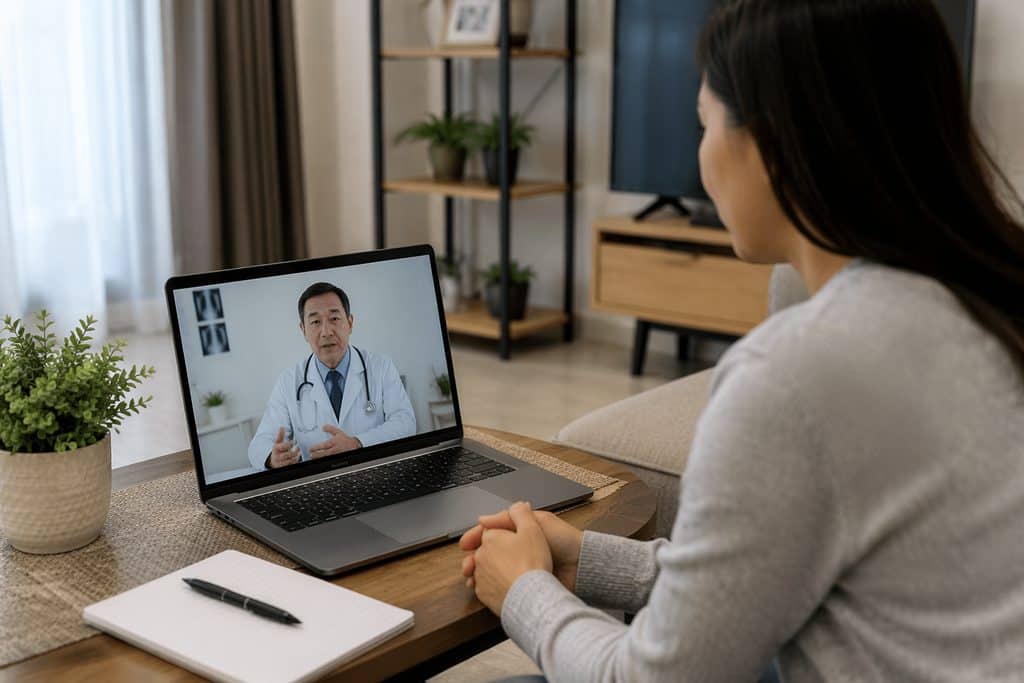
What happens after you fly home? That’s the question that stops most international patients from booking surgery in China — not the operation itself, but the weeks and months that follow. Surgery in China follow-up care at home is possible, and it works better than most people expect, provided you plan the handoff before you ever board the plane.
We coordinate this every month. Here’s the honest version of how it functions, what it costs, and where it breaks down.
How This Actually Works, Step by Step
Nothing about follow-up is improvised. It’s built into the treatment plan from the first remote contact. The sequence generally runs like this:
- You send your existing records. Imaging files, lab results, prior operative notes, medication lists. Our team arranges translation into Chinese, because the receiving hospital’s specialists review in Chinese, not English.
- A Chinese specialty team reviews them. Depending on complexity, this is a written second opinion or a video consultation with the department. You get written analysis, treatment direction, and a realistic sense of whether travel makes sense at all.
- You agree on a surgical plan — before booking flights. This is the stage that prevents wasted trips. If the case isn’t operable, or the timing is wrong, you learn that at your kitchen table, not in a hospital lobby 7,000 miles from home.
- We coordinate the hospital side. Registration, medical card creation, appointment sequencing, and — where the case warrants it — the international department or VIP channel that allows a confirmed surgical slot rather than same-day queuing.
- Surgery and inpatient recovery in China. You’re discharged with a written post-operative plan in English, plus imaging and operative reports on a USB drive and in the hospital’s patient portal where available.
- The handoff document. Before discharge, we help assemble a follow-up package: what was done, what to watch for, medication schedule, suture or staple removal timing, imaging intervals, and red-flag symptoms that require immediate local attention.
- You fly home and your local doctor takes over. That package goes to your GP, cardiologist, or orthopedic surgeon. They run the routine checks. The Chinese team stays reachable for questions the local doctor can’t answer.
The seventh step is the one people underestimate. A Chinese surgeon cannot examine you in Ohio. Your local physician can. The trick is making sure your local physician has everything they need to do it confidently.
Why Follow-Up After Surgery Abroad Is the Real Test
Better than you’d think, once the records are in a familiar format. A translated operative report plus a direct contact to the Chinese surgical team usually resolves any hesitation. Most local physicians are willing to manage post-operative care when they can reach the operating surgeon with questions.
Rarely in a formal, all-inclusive sense. What’s typically available is remote consultation access, billed separately. Some hospitals include a limited number of post-discharge video reviews. Read the specifics carefully — “follow-up support” can mean anything from genuine clinical access to an email address that goes unanswered.
Your local emergency room handles the acute problem. Your discharge package includes a red-flag symptom list with thresholds, so the local team knows what to check and what to report back. For non-emergency concerns, remote consultation with the Chinese team is the next step. This is exactly why the documentation matters so much.
It varies by procedure and country. Routine post-operative visits, imaging, and lab work at home typically add several hundred to a few thousand dollars over the first year, depending on your local system. Remote consultations with Chinese specialists run $100–300 for a standard international department session, higher for top-specialist or multidisciplinary review.
Your Next Step
The core message is simple: surgery in China works, and follow-up at home works, but only when the handoff is engineered before you travel. Records, documentation, contact channels, and a willing local physician — those four things decide whether the months after surgery are calm or chaotic.
We’re China Medical Services. We connect international patients with 340+ top-ranked hospitals across 37 cities, and we handle the coordination layer — records, appointments, bilingual companionship, visa guidance. We don’t practice medicine, and we don’t promise outcomes. If you’d like to understand what’s realistic for your situation, start with a free consultation. No pressure, no obligation — just a clear picture of what the path looks like.
This article is for general information only and is not medical advice. Treatment decisions should be made with qualified physicians who can evaluate your individual case.
Frequently Asked Questions
Yes. The hospitals used for international patients are JCI-accredited and follow the same international safety standards as top hospitals in the US and Europe. Surgical teams perform high volumes of procedures — often more than their Western counterparts — which studies show leads to better outcomes.
Costs vary by procedure and hospital, but international patients typically save 40-80% compared to US prices — even when factoring in travel and accommodation. A consultation with our team will give you an exact, all-inclusive quote with no hidden fees.
Send us your existing medical reports to get started. We handle everything from hospital selection and appointment scheduling to visa assistance and post-operative recovery planning. Your medical records are reviewed by the specialist before you even book a flight.
For more medical information and treatment options in China, visit chinamedservices.com (China Medical Services).
