TCM in China for Foreigners: Acupuncture, Herbs, and Real Healing
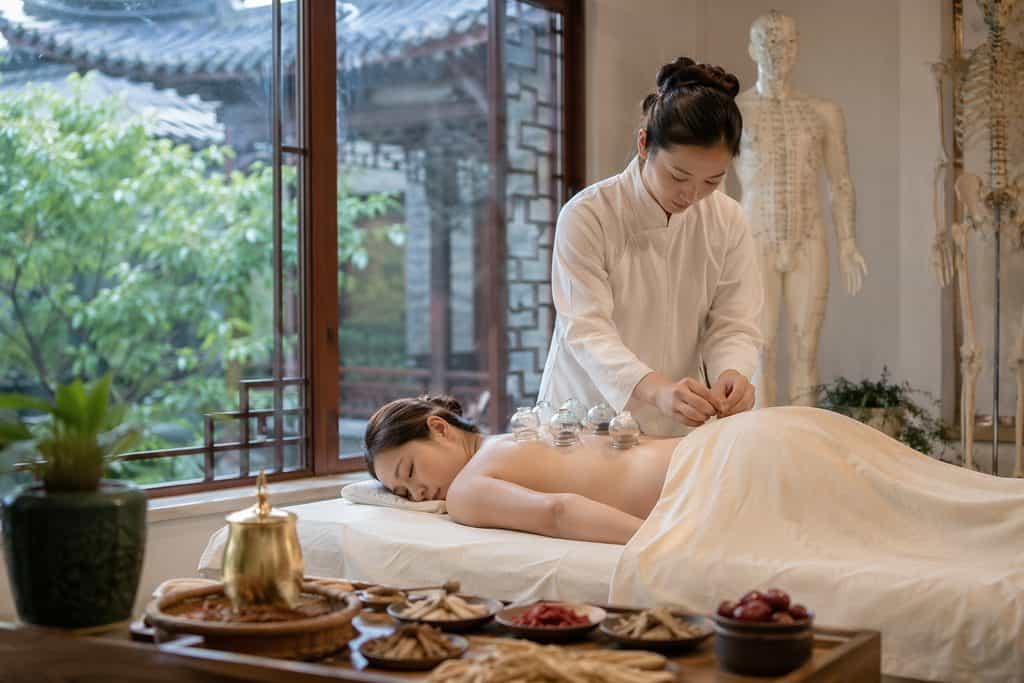
In the United States, back pain is the sixth most costly health condition, with Americans spending over $134 billion annually on treatments that often yield mixed results. Across the Pacific, a systematic review published in the Journal of Pain confirmed that acupuncture provides a clinically meaningful reduction in chronic pain, outperforming sham controls and standard care in multiple trials. The gap between what patients spend and what actually works drives thousands of foreigners to China every year.
They come not for a mystical cure, but for the density of clinical experience. A TCM hospital in a major Chinese city may handle more acupuncture cases in a month than a Western clinic sees in a decade. That volume translates into a precision that textbooks cannot teach. Our team connects international patients with this expertise, handling the logistics so you can focus on recovery.
This guide is built for someone standing at the beginning of that journey. You have heard about traditional Chinese medicine, maybe tried a local acupuncturist, and now you are wondering what it actually looks like to receive treatment at its source. We will walk through the real process, the hospitals, the costs, and the hard questions most promotional material avoids.
How This Actually Works, Step by Step
The process starts not with a plane ticket, but with paper. You send us existing medical records, imaging reports, and a description of your condition. No need for translation yet. Our team reviews what you have, then matches your case to a department in one of our partner TCM hospitals. The match matters more than the hospital’s overall ranking.
Within a few business days, you receive a written second opinion. This document outlines whether your condition is suitable for TCM treatment, what approach the Chinese specialists recommend, and an estimated treatment timeline. It is a reference, not a prescription. But it gives you something concrete to evaluate before committing to travel.
If the plan makes sense, we move to scheduling. For international patients, this means coordinating through the hospital’s international department. You cannot simply show up at a public TCM hospital outpatient window and register. The international channel provides English-speaking coordination, streamlined payment, and appointments with senior attending physicians. We handle the registration, the hospital medical card creation, and the appointment sequencing.
Visa comes next. Foreign nationals seeking medical treatment in China apply for an S2 visa, with the purpose annotated for private affairs including medical treatment. The hospital provides an invitation letter and treatment confirmation. Our team guides you through the documentation package, but the final decision rests with the Chinese embassy or consulate in your country. Processing typically takes one to two weeks.
You arrive. A bilingual medical companion meets you at the airport, accompanies you to the hospital, and stays through every consultation. They translate symptoms, explain the doctor’s reasoning, and handle the administrative friction that exhausts even healthy people. TCM consultations are longer and more conversational than Western appointments. The doctor will ask about sleep, digestion, emotional state, and temperature preferences. These questions are diagnostic, not small talk.
Treatment begins. Acupuncture sessions, herbal prescriptions, and possibly tuina massage or moxibustion are scheduled in blocks. You return to your accommodation between sessions. The rhythm is daily or near-daily, not weekly. That intensity is part of what makes the clinical outcomes different from what you experienced at home.
Finding the Best TCM Hospital in China for Foreigners
Yes. A herbal medicine consultation Shanghai specialist can review your case remotely through our video consultation service. You send your records, describe your symptoms in a live conversation with the TCM physician, and receive a preliminary herbal recommendation. The limitation is that TCM diagnosis traditionally relies on pulse and tongue examination, which cannot be done remotely. The remote consultation is therefore a screening and planning step, not a substitute for the in-person visit. It helps you decide whether traveling to Shanghai for full evaluation and treatment is worthwhile. The cost ranges from $100 to $300, and it is credited toward on-the-ground services if you travel within 90 days.
Acupuncture outcomes depend on frequency, point selection, and practitioner skill. In many Western countries, patients receive acupuncture once a week for 6 to 8 sessions. In China, a typical treatment block is daily for two to three weeks. The cumulative dose is three to four times higher. Point selection also differs. Chinese TCM physicians often use more needles and stronger stimulation than Western-trained acupuncturists, based on a different risk-benefit calculus. If acupuncture did not work for you at home, it may still be worth a trial in China at higher intensity. But there are no guarantees, and a good TCM physician will tell you honestly if your condition is unlikely to respond.
Can I Combine TCM with Western Medical Treatment in the Same Trip?
Yes, and this is one of the strengths of China’s medical system. TCM and Western medicine are integrated in most large public hospitals. A patient with cancer, for example, can receive chemotherapy in the oncology department and concurrent acupuncture and herbal medicine in the TCM department to manage side effects. The physicians communicate because they are in the same institution. This integrated model is harder to replicate in countries where TCM is practiced in separate clinics. We coordinate the scheduling so that treatments do not conflict and the medical records are shared across departments.
Frequently Asked Questions
Yes. The hospitals used for international patients are JCI-accredited and follow the same international safety standards as top hospitals in the US and Europe. Surgical teams perform high volumes of procedures — often more than their Western counterparts — which studies show leads to better outcomes.
Costs vary by procedure and hospital, but international patients typically save 40-80% compared to US prices — even when factoring in travel and accommodation. A consultation with our team will give you an exact, all-inclusive quote with no hidden fees.
Send us your existing medical reports to get started. We handle everything from hospital selection and appointment scheduling to visa assistance and post-operative recovery planning. Your medical records are reviewed by the specialist before you even book a flight.
For more medical information and treatment options in China, visit chinamedservices.com (China Medical Services).
