Burn Treatment in Wuxi Jiangnan University Hospital: Eastern China’s Top Burn Surgery
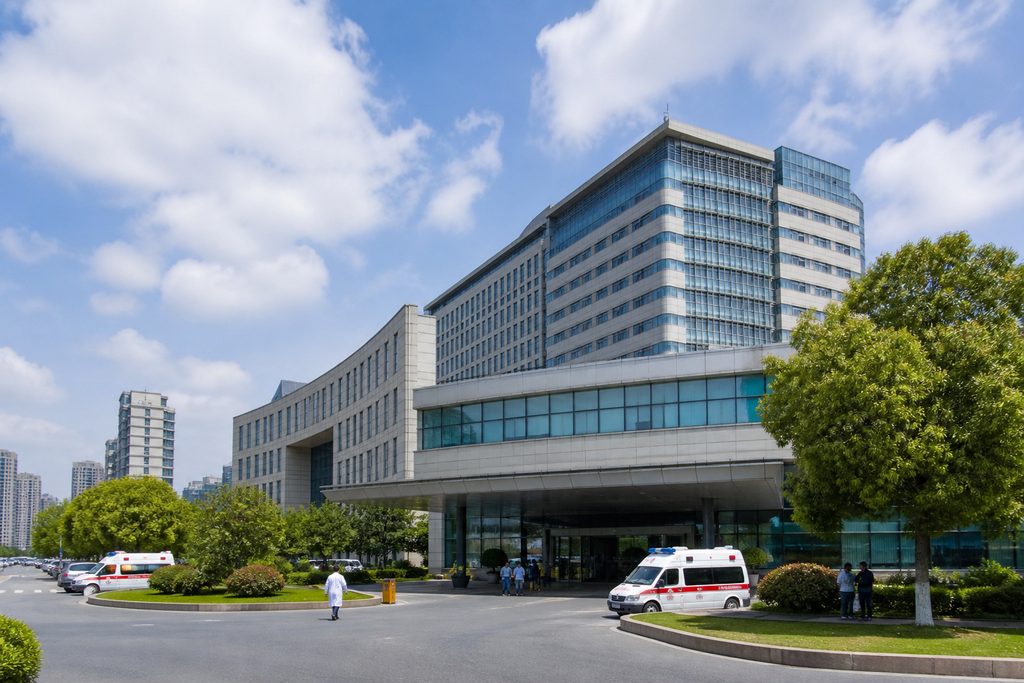
You have probably heard the assumption that seeking complex medical care abroad means trading quality for affordability. The data tells a different story. For severe burn injuries—where survival hinges on rapid, expert surgical intervention and specialized critical care—the volume of cases a center handles directly shapes its outcomes. In Eastern China, the burn center at Wuxi Jiangnan University Hospital, commonly known as the Affiliated Hospital of Jiangnan University, manages an extraordinary caseload that places it firmly among the top 5 burn surgery destinations in the region. The burn surgery cost at Wuxi Jiangnan University Hospital reflects a system built on massive scale and clinical repetition, not on cutting corners.
Key Takeaways
- Wuxi Jiangnan University Hospital’s burn center is a nationally designated emergency treatment hub handling over 1,500 severe burn inpatients annually, a volume that creates deep surgical expertise.
- The burn surgery cost at Wuxi Jiangnan University Hospital is structurally lower than Western centers—often 50-70% less—without sacrificing the advanced techniques like Meek micrografting and early eschar excision that define modern burn care.
- Language barriers and unfamiliar hospital workflows are real obstacles. A patient arriving without a bilingual coordinator will find the process difficult, even with the best clinical team standing by.
- Recovery from severe burn surgery is measured in months and requires staged procedures. Understanding this timeline before you travel is essential to making a sound decision.
The Problem: Severe Burns Demand Immediate, High-Volume Expertise
Burn injuries remain one of the most catastrophic traumas a person can survive. The World Health Organization estimates that burns cause approximately 180,000 deaths annually, with the vast majority occurring in low- and middle-income countries. But survival is only the first battle. Deep partial-thickness and full-thickness burns destroy the skin’s protective barrier, triggering a systemic inflammatory response that can cascade into multi-organ failure within days if not managed aggressively.
In the United States, the average burn center admits roughly 200 to 300 patients per year. Only a handful of elite centers exceed 500 annual admissions. A surgeon at a typical Western burn unit might perform 30 to 50 major burn excisions and grafting procedures in a year. Now consider the clinical reality in Eastern China’s industrial heartland. Wuxi and its surrounding cities in Jiangsu province form one of the densest manufacturing zones on earth. Workplace thermal injuries, chemical burns, and electrical injuries present to the hospital’s emergency department with a frequency that most Western surgeons would find staggering. The burn unit here is not a small, specialized wing—it is a large-scale, high-throughput clinical operation that has refined its protocols through sheer repetition.
This matters because burn surgery is a race against bacterial colonization. Every hour that necrotic eschar remains on a deep burn wound, the risk of invasive infection climbs. A team that performs eschar excision and autografting multiple times per day, every day, develops a speed and precision that directly lowers complication rates. When you are researching the best burn treatment hospital in Eastern China, you are fundamentally looking for a center where the clinical team has seen and managed your specific injury pattern hundreds of times before. That is the core argument for Wuxi.
Why Wuxi Jiangnan University Hospital Delivers Results
Clinical Volume That Drives Better Survival Rates
The burn and plastic surgery department at the Affiliated Hospital of Jiangnan University is designated as a National Key Clinical Specialty by China’s National Health Commission. This is not a marketing label. It means the hospital serves as the regional referral center for mass casualty burn incidents across southern Jiangsu and northern Zhejiang. The department treats over 1,500 severely burned inpatients each year, in addition to thousands of outpatient follow-ups and minor burn cases. The surgical team performs more than 2,000 burn-related operations annually.
This volume has direct clinical consequences. A 2018 retrospective study published in the journal Burns found that burn centers treating more than 200 acute burn admissions per year had significantly lower mortality rates for patients with burns covering over 40% total body surface area compared to lower-volume centers. The Wuxi team operates at a scale several multiples above that threshold. They have developed particular expertise in managing extensive deep burns using the Meek micrografting technique—a method that allows a small patch of healthy donor skin to be expanded to cover a wound area up to nine times its size. This is a technically demanding procedure that requires experienced hands. The team here performs it routinely.
Integrated Critical Care That Keeps Patients Alive Through the Acute Phase
Burn surgery is not just about the operation. The patient with burns covering 50% of their body will spend weeks in an intensive care setting before their wounds are fully closed. Fluid resuscitation in the first 48 hours, management of inhalation injury, prevention of burn shock, and continuous hemodynamic monitoring determine whether a patient survives long enough to benefit from surgery.
The burn center at Wuxi Jiangnan University Hospital operates its own dedicated burn ICU with isolation capabilities. The critical care team, plastic surgeons, and rehabilitation therapists work on the same floor, conducting joint rounds daily. This co-location of specialties is not universal even in well-regarded Western burn centers, where burn patients may be managed in a general surgical ICU by intensivists who rotate through multiple services. The focused model in Wuxi means that the nursing staff and physicians recognize early signs of sepsis or graft failure faster because they see these complications every single shift. For an international patient asking is burn treatment in China safe, the answer lies in this structural integration. The safety comes from specialization, not from the country on the hospital’s sign.
Cost Structure That Reflects Economics, Not Quality
Let us address the question that brings many international patients to this page. How much does burn surgery cost in China? A major burn requiring staged eschar excision, allograft or xenograft temporary coverage, and definitive autografting with a hospital stay of four to six weeks will typically cost between $25,000 and $55,000 at a top Chinese burn center. The burn surgery cost at Wuxi Jiangnan University Hospital falls within this range, with final pricing dependent on the total body surface area burned, the number of surgical stages required, and the type of skin substitute used.
Compare this to the United States, where an identical clinical course routinely generates bills exceeding $200,000, and often reaches $500,000 or more for extensive burns requiring prolonged ICU stays. The differential is not explained by inferior grafts or outdated ventilators. It is explained by the fundamental economics of healthcare delivery. Physician salaries, hospital administrative overhead, and the cost of medical devices are all structurally lower in China’s public hospital system. The autograft mesher, the dermatome, the biological dressings—these are the same internationally sourced products used in burn centers globally. The clinical protocols for early excision and grafting within 72 hours of injury follow the same evidence-based guidelines endorsed by the International Society for Burn Injuries.
What Actually Happens: The Surgical Pathway for a Severe Burn at Wuxi
A patient with deep partial-thickness or full-thickness burns covering 20% or more of their body will follow a staged surgical plan. Understanding this sequence matters because it determines how long you will need to stay in Wuxi and what to expect at each stage.
Days 1–3: Stabilization and Assessment. Upon arrival, the burn team assesses airway, breathing, and circulation. Fluid resuscitation is calculated using the Parkland formula and adjusted based on urine output and hemodynamic parameters. Inhalation injury is evaluated via bronchoscopy. The burn wounds are cleaned, debrided of loose necrotic tissue, and dressed with topical antimicrobial agents. The surgeons map the burn depth and mark areas that will require excision.
Days 3–7: First-Stage Excision and Temporary Coverage. The patient is taken to the operating theater for tangential or fascial excision of the deep burn eschar. The goal is to remove all non-viable tissue down to a bleeding, viable wound bed. Once hemostasis is achieved, the excised wounds are covered. If sufficient donor sites are available, the surgeon may apply split-thickness autografts to priority areas like the face and hands. The remaining excised areas receive temporary coverage—typically allograft or a synthetic dermal substitute—to protect the wound bed while donor sites heal for re-harvesting.
Days 10–21: Staged Autografting. This is the core of the surgical process. As donor sites re-epithelialize—usually within 10 to 14 days—the patient returns to the operating room for definitive wound closure. Split-thickness skin grafts are harvested from the scalp, thighs, or back using a dermatome. The grafts are meshed to allow expansion and applied to the prepared wound beds. For patients with limited donor sites, the Meek micrografting system is employed to achieve higher expansion ratios. A patient with 50% TBSA burns may require three or four separate grafting sessions spaced over two to three weeks.
Weeks 4–8: Graft Maturation and Early Rehabilitation. Once the grafts have taken and the wounds are closed, the focus shifts to preventing contractures. Physical therapists begin passive range-of-motion exercises. Compression garments are measured and fitted to minimize hypertrophic scarring. The patient is gradually weaned from ventilatory support and mobilized. Discharge planning begins when wound coverage exceeds 95% and the patient can manage basic activities with assistance.
What is the recovery time for severe burn surgery? The inpatient stay for a major burn typically ranges from 30 to 60 days. Full scar maturation and functional recovery, however, extend over 12 to 18 months. The patient will need to return for follow-up assessments and possible reconstructive procedures to release contractures or improve cosmetic outcomes. This is a marathon, not a sprint, regardless of where in the world the surgery is performed.
Comparing Your Real Options for Burn Surgery in Eastern China
Wuxi Jiangnan University Hospital is not the only center worth considering. Eastern China has several burn units with strong reputations. Understanding how they compare helps you make a grounded decision rather than chasing a single name.
| Hospital | Annual Severe Burn Inpatients | Key Technique Specialization | International Patient Coordination |
|---|---|---|---|
| Wuxi Jiangnan University Hospital | 1,500+ | Meek micrografting, early eschar excision, chemical burn management | Available through hospital international department; bilingual support limited, external coordination recommended |
| Ruijin Hospital (Shanghai) | 1,200+ | Extensive burn resuscitation, inhalation injury, scar reconstruction | Established international medical center with English-speaking staff |
| Changhai Hospital (Shanghai) | 1,000+ | Military burn care heritage, electrical burns, chronic wound management | International department available; experience with overseas military and civilian patients |
| The First Affiliated Hospital of Anhui Medical University (Hefei) | 800+ | Pediatric burns, traditional Chinese medicine adjunctive wound healing | Limited international infrastructure; external coordination strongly advised |
| Zhejiang Provincial People’s Hospital (Hangzhou) | 700+ | Burn reconstruction, laser scar therapy, hand burn rehabilitation | Growing international services; bilingual support variable by department |
Ruijin Hospital in Shanghai operates one of China’s oldest and most academically influential burn institutes. Its international medical center provides a smoother experience for English-speaking patients. But that convenience comes with higher coordination fees and a higher overall price point. Changhai Hospital, also in Shanghai, has deep experience with electrical and blast injuries from its military background. Wuxi’s advantage lies in its focused industrial burn expertise and its position outside the premium cost tier of Shanghai, while still being accessible—a 45-minute high-speed train ride from Shanghai Hongqiao station.
For a patient asking how to book burn treatment at Wuxi hospital through medical tourism channels, the practical path involves remote evaluation first. You cannot simply call the hospital’s general switchboard and schedule surgery. The standard approach is to submit medical records, photographs of the wounds, and a summary of prior surgical interventions to the hospital’s international department or through a coordination service that can present your case to the burn team. The surgeons will review whether your case falls within their expertise and whether you are stable enough for transfer. Only after this review will a treatment plan and cost estimate be provided. This pre-screening protects you from traveling only to find that the hospital cannot accept your case.
Practical Considerations: Documentation, Payment, and the Language Barrier
Bringing a severe burn case to China requires more than selecting a hospital. The logistics can overwhelm a family already under enormous stress.
Medical documentation. You will need a complete medical record translated into Chinese. This includes the initial injury report, all operative notes, microbiology culture results, current medication list, and recent photographs of the wounds. Translation must be medically accurate—a generic translation service will not know how to render “tangential excision” or “integral dermal regeneration template” correctly. Errors in translation lead to clinical errors.
Visa requirements. Medical treatment in China falls under the S2 short-term private affairs visa category. The hospital must provide an invitation letter and a treatment confirmation document. The visa is typically issued for 30 to 90 days and can be extended within China if the treatment course runs longer. Family members accompanying the patient also apply for S2 visas. The application requires proof of relationship to the patient and the hospital’s documentation. Processing times vary by country, but four to six weeks is a realistic planning window.
Payment mechanics. Chinese public hospitals require upfront payment. You will deposit funds at the hospital cashier upon admission, and the hospital draws down against that deposit as services are rendered. Major credit cards are accepted at the international department, but many hospitals place daily transaction limits on foreign cards—often $3,000 to $5,000 per day. Wire transfer in advance is the more reliable method. International health insurance plans that cover treatment abroad may reimburse you after the fact, but they rarely pay the hospital directly in China’s public system. Verify this with your insurer before you travel.
Language and daily life. The clinical team in Wuxi will include some physicians who read English-language medical literature, but bedside communication happens in Mandarin. Nursing staff, dieticians, and administrative personnel will not speak English. A family member who speaks Mandarin changes the experience dramatically. Without that, a bilingual medical companion who can translate during rounds, explain medication instructions, and handle admission paperwork is not a luxury—it is the difference between understanding your treatment plan and guessing.
Frequently Asked Questions
At a nationally designated burn center like Wuxi Jiangnan University Hospital, the clinical protocols—early excision, staged grafting, infection surveillance—follow the same international guidelines used in American and European burn units. The safety comes from the team’s volume and specialization. The risk factors for an international patient are not clinical but logistical: communication gaps, unfamiliarity with the hospital’s operational flow, and the challenges of extended family support in a foreign country. These are manageable with proper preparation.
A severe burn requiring multiple grafting stages and a 45-day inpatient stay will cost between $25,000 and $55,000 at a top Chinese public hospital. The same clinical course in the United States typically exceeds $200,000 and can reach $500,000. The cost difference reflects structural economics, not a difference in the grafts, operating room equipment, or ICU monitoring technology used. Private international hospitals in China charge more—closer to $80,000–$120,000—but offer English-speaking staff and direct insurance billing that public hospitals do not.
The initial inpatient stay for a burn covering 30–50% of the body typically lasts 30 to 60 days. You will need to remain in Wuxi during this entire period. After discharge, the grafts will continue to mature over 12 to 18 months. You will need to wear compression garments for up to 23 hours per day for at least a year. Follow-up visits for scar assessment and possible reconstructive procedures are usually scheduled at 3, 6, and 12 months post-discharge. Some of these can be conducted via telemedicine if you have returned home, but at least one in-person follow-up at the 6-month mark is strongly recommended.
How do I book burn treatment at Wuxi hospital if I am not in China and do not speak Chinese?
You cannot book surgery directly. The process starts with a remote case review. You submit your medical records, translated into Chinese, to the hospital’s international department or through a medical coordination service. The burn team reviews the materials and determines whether they can accept your case. If they can, they will issue a treatment invitation letter, which you use for your S2 visa application. A coordination service can handle the record translation, submission, and communication with the hospital, and can arrange a bilingual companion for your stay. This pre-arrival phase typically
For more medical information and treatment options in China, visit chinamedservices.com (China Medical Services).
