First Affiliated Hospital Zhejiang University Urology: A Guide for International Patients
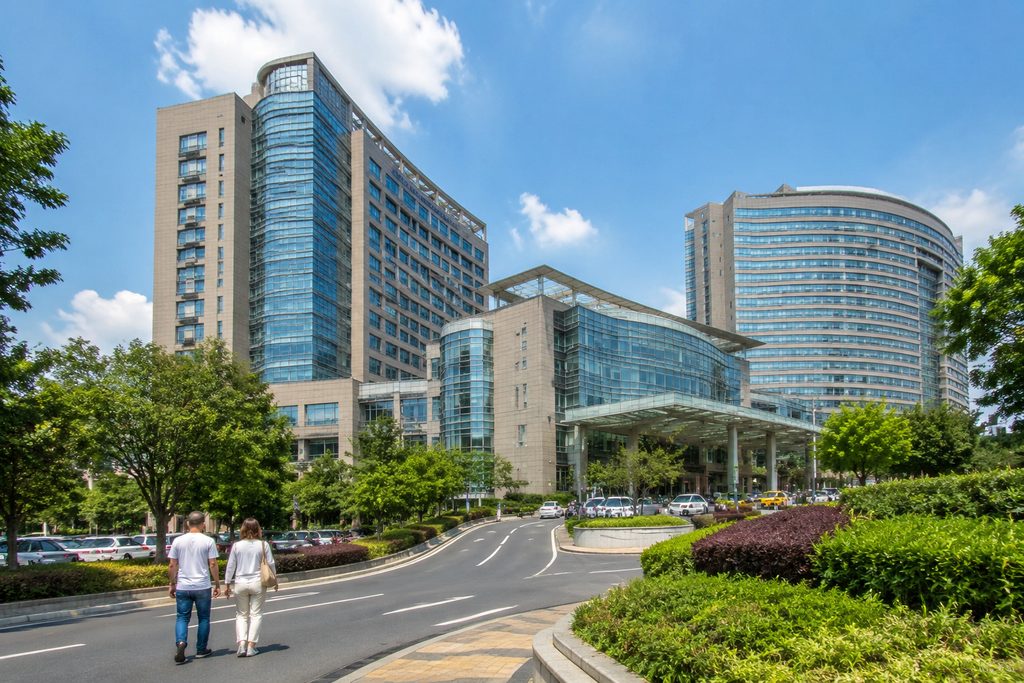
Prostate cancer incidence in China rose by approximately 60% between 2015 and 2022, according to data from the Chinese National Cancer Center. That sharp increase pushed major Chinese hospitals to invest heavily in urology departments — and few have done so as aggressively as the First Affiliated Hospital of Zhejiang University. For international patients weighing where to get urological care abroad, this Hangzhou institution now sits on a short list of credible options. But is it the right fit for you? What does the process actually look like if you fly in from overseas? And can you realistically expect a smooth experience without speaking Mandarin? Those are the questions we answer here.
We are China Medical Services. Our team has spent years helping foreign patients coordinate care at top-ranked Chinese hospitals, including the urology department at Zhejiang University’s First Affiliated Hospital. This guide draws on that direct experience.
How This Actually Works, Step by Step
You cannot simply email the hospital and book a surgery date. Chinese public hospitals operate on a face-to-face consultation model. A doctor must see you in person before scheduling any procedure. That rule holds true at the First Affiliated Hospital of Zhejiang University, regardless of what any third-party agent might claim.
Here is the real sequence for an international patient:
- Step 1 — Send your records. You email us your existing medical documents: lab reports, imaging files (CT, MRI, ultrasound), biopsy results if relevant, and a summary of your current symptoms. We translate everything into Chinese for the urology team’s review.
- Step 2 — Remote evaluation. A specialist at the hospital’s international department reviews your translated records. This typically takes 3 to 7 working days. They return with a written opinion: whether your case is appropriate for treatment there, what additional tests you might need, and a preliminary treatment direction.
- Step 3 — Video consultation (optional but recommended). You speak directly with the urologist online. Cost ranges from $100 to $800 depending on whether you choose a general international-department physician or a top specialist. This is where you ask the hard questions about surgical approach, recovery expectations, and risk.
- Step 4 — Travel and in-person consultation. If you decide to proceed, you apply for an S2 visa with a letter from the hospital confirming your medical appointment. You fly to Hangzhou. We arrange your airport transfer and a bilingual companion to accompany you to the first in-person consultation.
- Step 5 — Pre-operative testing and scheduling. After the face-to-face consult, the hospital orders any additional tests. Surgery is then scheduled based on the department’s operating room availability — typically within 1 to 4 weeks for non-emergency cases.
That is the honest flow. No shortcuts. No promises of same-week surgery. But it works.
Urology Department at First Affiliated Hospital Zhejiang University: What International Patients Should Know
Let us talk numbers, because that is what most patients ask about first. A robotic-assisted radical prostatectomy at a top Chinese public hospital like Zhejiang First Hospital typically costs between $12,000 and $20,000. That includes the surgery itself, hospital stay, and standard post-operative care. The same procedure in the United States averages $40,000 to $70,000 before insurance negotiations. In the UK, private hospitals charge £15,000 to £25,000.
For kidney stone treatment — a much more common procedure — the gap is even wider. Percutaneous nephrolithotomy (PCNL) for large kidney stones costs between $4,000 and $8,000 at Zhejiang First Hospital. In the US, the same procedure runs $20,000 to $40,000. Ureteroscopic laser lithotripsy for smaller stones costs $2,000 to $5,000 here.
| Procedure | Zhejiang First Hospital (USD) | United States (USD) | United Kingdom (USD) |
|---|---|---|---|
| Robotic radical prostatectomy | $12,000 – $20,000 | $40,000 – $70,000 | $25,000 – $40,000 |
| PCNL (large kidney stones) | $4,000 – $8,000 | $20,000 – $40,000 | $12,000 – $22,000 |
| Ureteroscopic laser lithotripsy | $2,000 – $5,000 | $12,000 – $25,000 | $8,000 – $15,000 |
| TURP (enlarged prostate) | $3,000 – $6,000 | $15,000 – $30,000 | $10,000 – $18,000 |
These figures vary by hospital and case complexity. The international department charges roughly 1.5 to 2 times the standard public rate, which is still dramatically below Western prices. Always request a detailed written quote before committing.
Is Urology Care in China Good for Foreigners?
The honest answer: yes, at top-tier institutions, with caveats. The clinical quality at hospitals like Zhejiang First is genuinely world-class. Chinese urologists publish in major international journals, train at leading Western centers, and operate on volumes that build real expertise. The equipment is current. The infection-control protocols in top hospitals meet international standards.
The caveats are about process, not medicine. Language barriers are real. The hospital’s international department has English-speaking coordinators, but the day-to-day nursing staff and many junior doctors speak limited English. Navigating registration, payment, pharmacy pickup, and imaging without help is exhausting. That is precisely why a bilingual companion matters — not as a luxury, but as a practical necessity.
Also, expect a different bedside manner. Chinese doctors are direct. They do not spend 30 minutes explaining options. They tell you what they recommend and expect you to decide. For some Western patients, this feels brusque. For others, it feels refreshingly efficient. Know yourself before you go.
A Realistic Timeline
Here is what the calendar actually looks like, from first contact to surgery:
| Stage | What Happens | Duration |
|---|---|---|
| Week 1 | You send records; we translate and submit to the hospital | 3–7 days |
| Week 2 | Urology team reviews; written second opinion returned | 5–10 days |
| Week 2–3 | Video consultation with specialist (optional) | 1–2 weeks to schedule |
| Week 3–5 | Visa application (S2) with hospital invitation letter | 1–3 weeks depending on embassy |
| Week 5–6 | Travel to Hangzhou; first in-person consultation | 2–3 days on the ground |
| Week 6–8 | Pre-operative testing; surgery scheduling | 1–4 weeks |
| Week 8–12 | Surgery and initial recovery | 3–7 days in hospital, then 1–2 weeks locally |
Total time from first email to surgery: roughly 2 to 3 months. If you need a written second opinion only, the timeline shrinks to 2 to 3 weeks. If your case is urgent, the hospital can sometimes accelerate the process — but do not count on it. Plan conservatively.
What Can Go Wrong — and What Happens Then
Let us be blunt. Things do go wrong. Here are the most common failure points and what recourse you actually have.
The hospital declines your case. This happens more often than patients expect. If your condition is too advanced, too complex, or carries risks the department does not want to accept, they will say no. Your recourse: we take your records to another top urology center — perhaps in Shanghai or Beijing — and request a second evaluation. The Chinese hospital system is large. One rejection does not close the door.
The visa takes longer than expected. Chinese embassies process S2 applications at varying speeds. Some issue within a week. Others take three weeks or more. Your recourse: apply early, submit complete documentation, and have a backup plan for timing. We provide the hospital invitation letter and guide you through the paperwork, but we cannot control the embassy.
You arrive and the doctor wants additional tests. This is normal, not a failure. Chinese hospitals often repeat imaging that was done overseas, especially if the scans are older than 3 months or the file quality is poor. Budget for an extra 3 to 5 days of testing before surgery. The cost is usually modest — a few hundred dollars for CT or MRI.
Post-operative complications arise after you return home. This is the hardest scenario. Your local doctor did not perform the surgery and may be reluctant to manage complications. Your recourse: request a detailed discharge summary and operative report in English before you leave China. The hospital’s international department can also arrange follow-up video consultations. Make sure you ask for these documents before discharge — getting them after you leave is much harder.
Best Urology Clinic Hangzhou for Expats: How Zhejiang First Compares
Hangzhou has several options for urological care, and the “best” choice depends on what you need. If you are an expat living in Hangzhou with a straightforward problem — a kidney stone, a urinary tract infection, routine prostate screening — you might be better served at a private international clinic. These offer English-speaking staff, direct insurance billing, and shorter wait times. But they lack the surgical depth of a major public hospital.
If you need complex surgery — robotic prostatectomy, reconstructive urology, complex stone disease — the First Affiliated Hospital of Zhejiang University is the strongest option in Hangzhou. Its urology department has subspecialty teams for oncology, stone disease, andrology, and female urology. The private clinics simply cannot match that breadth. For expats weighing the private international hospital route, the trade-off is convenience versus clinical depth.
One practical note: Zhejiang First Hospital operates multiple campuses. The main campus near West Lake handles most international patients. The newer Yuhang and Zhijiang campuses are larger but farther from the city center. Confirm which campus your doctor works at before booking accommodation.
Practical Considerations: Records, Visa, Payment, and Follow-Up
Medical Records
Bring everything. Original imaging files on CD or USB, not just printed reports. Pathology slides if you had a biopsy. A complete medication list with generic names. A summary of prior surgeries. If your records are not in English or Chinese, get them translated before you arrive. The hospital will accept English records, but translated Chinese versions speed the process considerably.
Visa Category and Timing
You need an S2 visa for medical treatment in China. It is a short-stay visa, typically valid for 30 to 90 days per entry, and can be issued with a note indicating medical treatment as the purpose. Your accompanying family member applies for the same S2 category. Do not apply for an M visa — that is for commercial and trade activities, not medical care. The hospital provides an invitation letter confirming your appointment, which you submit with your visa application. Processing times vary by embassy, so start this step at least 4 to 6 weeks before your intended travel date.
Payment and Insurance
Chinese public hospitals require pre-payment. You deposit an estimated amount before surgery, and the hospital draws down from that deposit as charges accrue. Any balance is refunded at discharge. If you have international health insurance, you typically pay out of pocket first and submit for reimbursement afterward. Some insurers have direct billing arrangements with the hospital’s international department — check with your insurer before traveling.
Language and Communication
The international department has English-speaking staff who handle scheduling and billing. But once you are on the ward, communication gets harder. Nurses and junior doctors may speak little English. A bilingual companion bridges that gap — for consultations, during admission, and especially during post-operative rounds when you need to communicate pain levels, medication questions, and discharge instructions accurately.
Follow-Up at Home
Before you leave, request a written discharge summary in English, copies of all operative reports, and a clear follow-up protocol. Most urological procedures require follow-up imaging or lab work at 1 month, 3 months, and 6 months. Your local doctor can perform these if you have the proper documentation. The hospital can also arrange video follow-ups if your local team has questions.
Frequently Asked Questions
What is the First Affiliated Hospital Zhejiang University urology review from international patients?
International patients who have gone through the hospital’s international department generally report high satisfaction with surgical outcomes and the professionalism of senior urologists. The most common complaints are about communication gaps with ward staff and the complexity of navigating the hospital’s administrative processes without assistance. The clinical care itself is rarely the issue.
Can I book kidney stone treatment in China through medical tourism without traveling first?
No. The hospital requires an in-person consultation before any procedure. You cannot book surgery remotely. What you can do is send your scans for a remote evaluation, speak with the urologist by video, and then travel for the in-person consult and subsequent treatment. This staged approach reduces the risk of traveling for nothing.
Is urology care in China good for foreigners who do not speak Chinese?
At top hospitals with international departments, yes — with support. The doctors are highly trained and the equipment is modern. But the experience without language assistance is difficult. The international department helps with scheduling and billing, but day-to-day communication on the ward requires either basic Mandarin or a bilingual companion.
How much does prostate surgery cost in China compared to the US?
Robotic prostatectomy at a top Chinese public hospital costs $12,000 to $20,000. The same procedure in the US costs $40,000 to $70,000. Even at the international department rate of 1.5 to 2 times the standard public price, you are still paying a fraction of US prices. Final costs vary by hospital and case complexity.
What if the hospital rejects my case after I have already traveled?
This is unlikely if you follow the remote evaluation process first. The written second opinion and video consultation exist precisely to filter cases before you travel. If the hospital does decline after an in-person visit, we can coordinate with another top urology center in Shanghai or Beijing within days. The Chinese hospital system is large enough that alternatives are usually available.
Your Next Step
Choosing a urology hospital in another country is a significant decision. The First Affiliated Hospital of Zhejiang University offers genuine clinical excellence at a fraction of Western prices — but only if you understand the process and plan accordingly. We are China Medical Services, and our role is straightforward: we help you navigate the system, from record translation to appointment coordination to on-the-ground support. We do not provide medical advice, and we do not guarantee outcomes. What we do is make a complex process manageable.
If you are considering urological care in Hangzhou, start with a remote evaluation. Send us your records, and we will get an honest assessment from the urology team before you spend a dollar on travel. That is the low-risk first step. Request a free consultation and we will walk you through what comes next.
For more medical information and treatment options in China, visit chinamedservices.com (China Medical Services).
