First Affiliated Hospital of Zhengzhou University: Respiratory Care for International Patients
Key Takeaways
- First Affiliated Hospital of Zhengzhou University is one of the largest hospitals in the world by bed count, with a respiratory medicine department handling enormous clinical volume across Henan province’s 98 million residents.
- The hospital operates a dedicated international patient pathway that handles registration, interpretation, and appointment coordination — which matters because standard public hospital queues are not designed for non-Chinese speakers.
- Cost for a respiratory specialist consultation at this hospital typically ranges from $30 to $200 depending on whether you use the standard outpatient route or the international/VIP channel, with bronchoscopy procedures generally falling between $500 and $1,500.
- Major barriers exist: no online self-booking for foreigners, no guaranteed English-speaking staff in standard departments, and hospital prepayment rules that differ sharply from Western insurance workflows.
The Problem: Navigating Respiratory Care in a Foreign Medical System
Chronic respiratory disease affects approximately 545 million people worldwide, according to the Global Burden of Disease Study 2019. For many of them, the search for effective treatment leads beyond their home country’s borders. But when a patient from the United States, the Middle East, or Southeast Asia types “respiratory specialist Zhengzhou University hospital price” into Google, they are not just asking about money. They are asking whether a hospital in central China can actually solve a problem their local system could not.
And that question has layers. Can you book an appointment before flying to China? Will anyone speak English during your visit? What happens if you need a bronchoscopy or a CT scan on short notice? These are not hypothetical concerns. A 2023 survey of international patients seeking care in Chinese public hospitals found that language barriers and appointment logistics were the two most frequently cited obstacles — more than cost, more than quality concerns.
So let’s be direct about what this hospital offers, what it costs, and how a foreigner actually gets through the door.
Why First Affiliated Hospital of Zhengzhou University Delivers Results
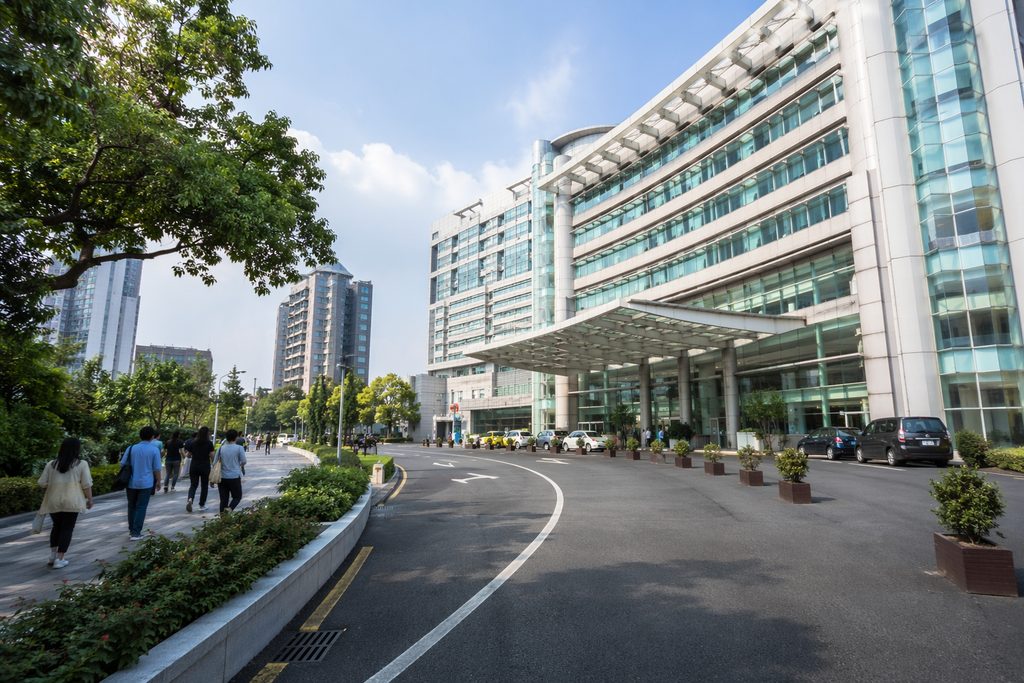
The First Affiliated Hospital of Zhengzhou University (FAHZZU) is not a boutique clinic. It is a massive academic medical center — often cited as the largest hospital in the world by bed capacity, with figures exceeding 7,000 beds across its campuses. That scale translates into something specific: clinical volume that most Western pulmonology departments never see.
Clinical Volume Drives Diagnostic Speed
The respiratory medicine department at this hospital manages cases that range from routine asthma and COPD to complex interstitial lung disease, pulmonary hypertension, and lung cancer staging. A department that sees thousands of patients weekly develops workflow efficiency that smaller centers cannot replicate. For an international patient, that means something practical: you can often get a chest CT, pulmonary function testing, and a specialist review within the same day or two — a timeline that would require weeks in many European or North American systems.
Henan province, where Zhengzhou is the capital, has a population of approximately 98 million. That is larger than Germany. The hospital serves as the tertiary referral center for much of that population. The caseload is not a marketing claim; it is a structural fact of being the top-ranked hospital in one of China’s most populous provinces.
Technology and Efficiency at Scale
FAHZZU has invested heavily in diagnostic infrastructure. The respiratory department uses high-resolution CT, endobronchial ultrasound (EBUS), and advanced bronchoscopy suites. For patients with suspected lung nodules or complex airway disease, the hospital can move from imaging to tissue diagnosis faster than many Western academic centers, where scheduling an EBUS procedure alone can take three to six weeks.
But efficiency has a cultural context. Chinese public hospitals operate on a same-day, queue-based model. You register, you wait, you see the doctor, you get tests, you return with results. The system assumes you know how to navigate it. For a foreigner without Chinese language skills, this is where the friction starts — and where the hospital’s international patient pathway becomes relevant.
Cost Advantage Without Quality Compromise
Let’s address the price question head-on, because that is why many international patients look at China in the first place. A specialist consultation in the standard outpatient clinic at FAHZZU costs roughly 50 to 200 RMB — about $7 to $30. The international/VIP channel, which includes English coordination and priority scheduling, typically runs $100 to $200 per consultation. A bronchoscopy with biopsy might cost $500 to $1,500 depending on complexity.
Compare that to the United States, where a pulmonology consultation without insurance can exceed $400, and a bronchoscopy procedure routinely bills between $3,000 and $8,000. The structural reason for the gap is not lower quality — it is lower labor costs, higher patient throughput, and a public hospital system that subsidizes basic care. The physicians at FAHZZU are trained at one of China’s top medical universities and the hospital ranks among the top tier in Fudan University’s hospital rankings for multiple specialties.
Does lower cost mean lower quality? Not in this case. It means a different economic model. That distinction matters when you are evaluating respiratory specialist Zhengzhou University hospital price against options in Bangkok, Istanbul, or Houston.
How to See a Lung Doctor at Zhengzhou University Hospital: Step by Step
Here is the process, honestly described. The standard public outpatient route does not support overseas pre-booking. You cannot email the respiratory department and reserve a Tuesday morning slot. The system works like this:
Step 1: Arrive with your medical records. Bring all prior imaging (CT scans on CD or USB), pulmonary function test results, biopsy reports, and a written summary of your condition in English. If you have them translated into Chinese, that helps enormously. If not, a bilingual coordinator can handle translation on-site.
Step 2: Register at the hospital. For the standard route, you register in person at the outpatient building, create a hospital medical card, and queue for the respiratory medicine department. Expect to wait anywhere from one to four hours depending on the day and the specialist’s popularity. The international patient pathway shortens this significantly — registration is handled for you, and you are escorted to the appropriate clinic.
Step 3: See the respiratory specialist. The doctor reviews your records, asks about symptoms, and orders tests. In the same visit, you may be sent for a CT, spirometry, or blood work. Results typically come back the same day or the next morning.
Step 4: Follow-up review. You return to the same specialist with results in hand. If a procedure like bronchoscopy is needed, it is scheduled — often within days. If hospitalization is required, the doctor initiates admission, subject to bed availability and hospital protocols.
The entire diagnostic process can be completed in three to five days for many respiratory conditions. That timeline is one of the strongest arguments for considering this hospital.
What the Numbers Mean: Cost Comparison for International Patients
When patients ask “is First Affiliated Hospital Zhengzhou good for lung disease,” the honest answer depends on what they need. For complex diagnostic workups, interstitial lung disease, or lung cancer evaluation, the hospital’s volume and equipment are genuinely world-class. For a simple asthma follow-up or a second opinion on a stable condition, a smaller private international hospital in Beijing or Shanghai might offer more convenience — at a higher price.
Here is a realistic cost picture for respiratory care at FAHZZU versus comparable options:
| Service | FAHZZU Standard Outpatient | FAHZZU International/VIP Channel | US Average (Uninsured) |
|---|---|---|---|
| Respiratory specialist consultation | $7–$30 | $100–$200 | $350–$600 |
| High-resolution chest CT | $80–$150 | $150–$250 | $1,000–$3,000 |
| Pulmonary function testing | $30–$60 | $60–$100 | $400–$800 |
| Bronchoscopy with biopsy | $500–$900 | $800–$1,500 | $3,000–$8,000 |
| Hospitalization (per day, general ward) | $100–$300 | $300–$600 | $2,000–$5,000 |
Prices vary by hospital and case complexity. These figures reflect typical ranges based on published hospital fee schedules and patient reports, not official quotes. Always confirm current pricing with the hospital or a coordinator before making travel decisions.
Practical Considerations: What to Prepare Before You Travel
Getting to Zhengzhou is straightforward — the city has an international airport with connections from major Asian hubs, and high-speed rail links from Beijing, Shanghai, and Guangzhou. But the logistical preparation matters more than the flight.
Visa. For medical treatment in China, you apply for an S2 visa with supporting documents from the hospital — typically an invitation letter or treatment confirmation. Family members accompanying you also apply for S2 visas. Processing times vary by embassy, but allow at least two to three weeks. The M visa is for commercial and trade activities and is not appropriate for medical travel.
Medical records. Bring everything. All imaging studies, pathology slides if relevant, a complete medication list, and a physician’s summary of your condition. Chinese respiratory specialists are trained to review international records, but the quality of your records directly affects the quality of their assessment.
Payment. Chinese public hospitals require prepayment. You deposit funds at registration or admission, and charges are deducted as services are provided. International credit cards are accepted at the hospital’s international service desk, but cash or Chinese payment platforms (WeChat Pay, Alipay) are more widely used in standard departments. Insurance is typically reimbursement-based — you pay upfront and claim from your insurer after returning home.
Language. Standard outpatient clinics operate in Chinese. The international patient pathway provides English-speaking coordination, but the doctors themselves may or may not speak fluent English. A bilingual medical companion is the practical solution — someone who handles registration, queues, payment, and interpretation throughout your visit.
Follow-up after returning home. Before you leave, ask the specialist for a written treatment summary in English. This document is essential for your home physician. Many international patients also arrange a follow-up video consultation with the same Chinese specialist — a service that typically costs $100 to $300 — rather than returning to Zhengzhou for routine check-ins.
Frequently Asked Questions
For complex and high-volume respiratory conditions, yes. The department handles an enormous caseload across the full spectrum of pulmonary disease, and its diagnostic infrastructure — high-resolution CT, EBUS, advanced bronchoscopy — is comparable to major Western academic centers. For simple, stable conditions, a smaller international hospital may be more convenient, but you will pay more for less clinical depth.
You cannot self-book online through the standard public system. The practical routes are: arrive in person and register at the outpatient building, or use the hospital’s international patient pathway, which handles registration and scheduling for you. A third option is working with a medical coordination service that can arrange a proxy consultation using your existing medical records before you travel — useful if you want a specialist’s preliminary assessment before committing to the trip.
Surgery cannot be scheduled remotely. The standard process requires an in-person outpatient consultation first, after which the specialist can initiate admission. Bed availability and hospital protocols apply. For planned procedures, the international/VIP channel can help coordinate admission and arrange a private or semi-private room, at roughly 1.5 to 2 times the standard ward rate.
Chinese hospitals do not manage overseas follow-up. You will need a local physician in your home country to handle ongoing care. The Chinese specialist can provide a written treatment summary and may be available for video follow-up consultations. For emergencies after you return home, seek care locally first — do not wait for a response from China.
Your Next Step
Understanding what respiratory specialist Zhengzhou University hospital price means is the first step. The second is deciding whether this hospital fits your specific situation. We help international patients evaluate that fit — matching your condition and records with the right department, coordinating appointments, and providing bilingual support on the ground. We are not a hospital and we do not provide diagnoses. But we know how this system works, and we can help you navigate it without the guesswork. If you would like to discuss your case, our team at China Medical Services is available for a free consultation to help you understand your options.
For more medical information and treatment options in China, visit chinamedservices.com (China Medical Services).
