Zhongshan Ophthalmic Center: Cornea Surgery for Foreign Patients
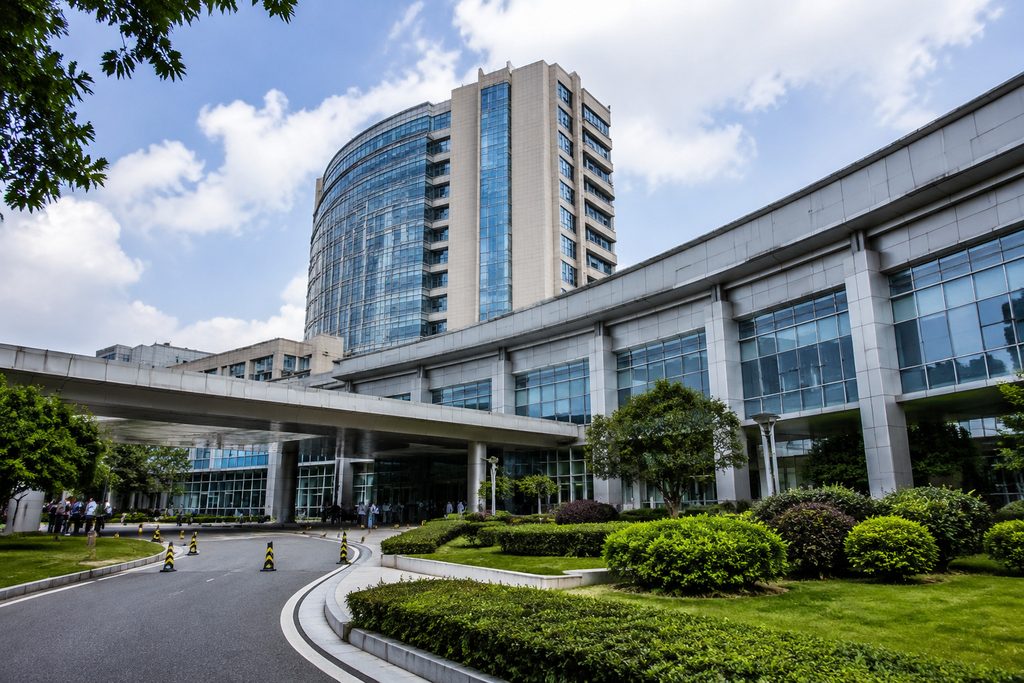
When 42-year-old Michael first heard the diagnosis—keratoconus in his right eye, progressing fast—he had no idea where to start looking for treatment. His optometrist in Manchester mentioned corneal cross-linking. The NHS wait time stretched past fourteen months. Michael started searching online. That’s how he found himself comparing the Zhongshan Ophthalmic Center cornea transplant cost against private clinics in London and Istanbul.
Zhongshan Ophthalmic Center Cornea and Refractive Surgery: The Short Answer
Zhongshan Ophthalmic Center in Guangzhou is one of China’s highest-volume eye hospitals, and its cornea and refractive surgery department handles complex cases that smaller centers turn away. For international patients, the Zhongshan Ophthalmic Center cornea transplant cost typically ranges from $8,000 to $18,000 depending on whether you need a full-thickness penetrating keratoplasty or a partial-thickness DALK procedure. Refractive procedures like LASIK and SMILE run far lower, generally $1,500 to $3,000 per eye. But getting in the door as a foreigner is not like booking a private clinic in Europe. You cannot simply email the hospital and reserve a surgery date. Public hospital rules require an in-person consultation first, and without Chinese language support, the process can stall quickly.
That’s the honest framing. The clinical care is excellent. The logistics are the real hurdle.
Who This Is Right For — and Who It Isn’t
This is not a one-size-fits-all destination. Certain patients gain far more from traveling to Guangzhou than others.
Good candidates for Zhongshan Ophthalmic Center:
- Patients with progressive keratoconus who need corneal cross-linking and face long wait times at home
- Those needing complex corneal transplants where high surgical volume matters for outcomes
- Patients considering refractive surgery who want access to SMILE and topography-guided LASIK at a lower price point
- Individuals with corneal scarring or infections where a high-volume subspecialty team offers genuine advantages
- Expats already living in China or Southeast Asia who can attend follow-up appointments
Who should think twice:
- Patients with unstable systemic conditions like uncontrolled diabetes or autoimmune disease affecting wound healing
- Anyone who cannot return to Guangzhou for at least one follow-up visit within the first month after surgery
- Patients seeking purely cosmetic refractive surgery with no medical urgency — the travel cost may erase the savings
- Those with unrealistic expectations about “express” surgery. No reputable corneal surgeon will skip the pre-operative workup
- People who need a single named surgeon and will not accept a team-based approach
Zhongshan runs on a department model. You get the team, not one celebrity doctor.
The Options, Compared
If you’re weighing where to have corneal or refractive surgery, the table below compares the genuine alternatives. Prices are rough ranges in USD and vary by hospital and case complexity.
| Option | LASIK/SMILE (per eye) | Corneal Cross-Linking | Corneal Transplant | Wait Time |
|---|---|---|---|---|
| Zhongshan Ophthalmic Center (Guangzhou) | $1,500–$3,000 | $2,000–$4,000 | $8,000–$18,000 | 1–4 weeks after in-person consult |
| Private clinic, Shanghai (e.g., Jiahui, United Family) | $2,500–$4,500 | $3,500–$5,500 | $15,000–$25,000 | 1–2 weeks |
| Private clinic, United States | $4,000–$6,000 | $6,000–$10,000 | $30,000–$60,000 | 2–8 weeks |
| Private clinic, Turkey or India | $1,200–$2,500 | $1,800–$3,500 | $7,000–$14,000 | 1–3 weeks |
Which column fits you depends on one question: how much do you value English-language hand-holding? Shanghai’s private international hospitals offer fluent English staff and direct insurance billing, but you pay roughly 50% more. Zhongshan gives you the highest clinical volume at the lowest public-hospital price, but you’ll need a bilingual companion or coordinator to navigate it. Turkey and India compete on price, but you lose the advantage of China’s ophthalmic subspecialty depth for rare corneal diseases.
What to Know About Zhongshan’s Cornea Department Specifically
Zhongshan Ophthalmic Center, officially the Zhongshan Ophthalmic Center of Sun Yat-sen University, is not a boutique clinic. It is one of the largest eye hospitals in Asia, with outpatient volume that exceeds many Western eye centers by an order of magnitude. The cornea division handles everything from routine refractive surgery to complex lamellar transplants and ocular surface reconstruction. For a patient with keratoconus, that volume translates into something concrete: the surgeons see more advanced cases in a month than a regional UK hospital cornea unit sees in a year.
But volume cuts both ways. The outpatient halls are crowded. Wait times for registration can stretch for hours if you arrive without a plan. The hospital’s international department exists, but it is thinner than what you’d find at a private Shanghai hospital. That’s where preparation matters.
One more thing. The department is a research powerhouse. If you have an unusual corneal dystrophy or a failed previous graft, the team’s diagnostic rigor is a genuine draw. But don’t expect a leisurely consultation. Chinese public hospital consults are efficient to the point of feeling rushed to Western patients. Bring your questions written down.
How Safe Is LASIK in China?
For corneal and refractive surgery specifically, Zhongshan is consistently ranked among China’s top ophthalmology departments in the Fudan specialty reputation rankings. But “best for foreigners” depends on what you need. If you want English-speaking staff throughout and direct insurance billing, a private hospital like United Family or Jiahui in Shanghai may suit you better. If you want the highest clinical volume and subspecialty depth for complex corneal disease, Zhongshan is hard to beat. The two are not mutually exclusive—some patients do their initial workup at Zhongshan and their surgery at a private facility, or vice versa.
Serious complications after modern corneal and refractive surgery are uncommon, but they happen. If you develop an infection, graft rejection, or flap complication after returning home, your local ophthalmologist is your first line of defense. Zhongshan’s team can provide remote guidance via follow-up video consultations, but they cannot physically examine you. You should budget for the possibility of needing local care. Some patients arrange a video consultation with the Zhongshan team to review local findings. That costs $100–$300 for a standard follow-up consult, more for a top-specialist review.
Plan for at least two weeks. The first post-operative week involves daily or near-daily checks to monitor graft clarity, intraocular pressure, and epithelial healing. The second week tapers to less frequent visits. Leaving earlier than the surgeon recommends risks missing early signs of rejection—which, caught early, is usually treatable. Flying with a fresh corneal graft is not prohibited, but cabin pressure changes and dry cabin air are not ideal in the first week. Two weeks is the practical minimum for most international patients.
Generally yes. Shanghai’s private international hospitals charge a premium for English-speaking staff, Western-style facilities, and insurance coordination. A LASIK procedure in a Shanghai private clinic might run $2,500–$4,500 per eye, while Zhongshan in Guangzhou charges $1,500–$3,000. The gap narrows if you factor in travel costs—Guangzhou and Shanghai are both major international hubs, but if you’re already flying into Shanghai, the added domestic leg to Guangzhou eats into the savings. Compare total trip cost, not just the surgical fee.
Your Next Step
Choosing where to have corneal or refractive surgery is a decision about clinical quality, logistics, and cost—in that order. Zhongshan Ophthalmic Center offers genuine advantages for complex corneal disease and high-volume refractive surgery, but the public hospital process demands preparation.
We help international patients navigate that process. China Medical Services is not a hospital and does not provide medical advice or diagnoses. What we do is handle the practical side: hospital matching, appointment coordination, bilingual companionship, visa guidance, and follow-up logistics. If you’re considering eye surgery in China, start with a conversation about your specific case. Visit our patient services page to tell us what you need, and we’ll help you figure out whether Zhongshan—or another top-ranked Chinese hospital—is the right fit.
Michael, the patient with keratoconus, ended up having cross-linking at Zhongshan six weeks after his first email to us. The surgery went well. The hard part was never the medicine. It was the queue, the language, the forms. That’s what preparation solves.
Frequently Asked Questions
Yes. The hospitals used for international patients are JCI-accredited and follow the same international safety standards as top hospitals in the US and Europe. Surgical teams perform high volumes of procedures — often more than their Western counterparts — which studies show leads to better outcomes.
Costs vary by procedure and hospital, but international patients typically save 40-80% compared to US prices — even when factoring in travel and accommodation. A consultation with our team will give you an exact, all-inclusive quote with no hidden fees.
Send us your existing medical reports to get started. We handle everything from hospital selection and appointment scheduling to visa assistance and post-operative recovery planning. Your medical records are reviewed by the specialist before you even book a flight.
For more medical information and treatment options in China, visit chinamedservices.com (China Medical Services).
