Zhujiang Hospital: A Foreigner’s Guide to Guangzhou’s Top-Tier Care
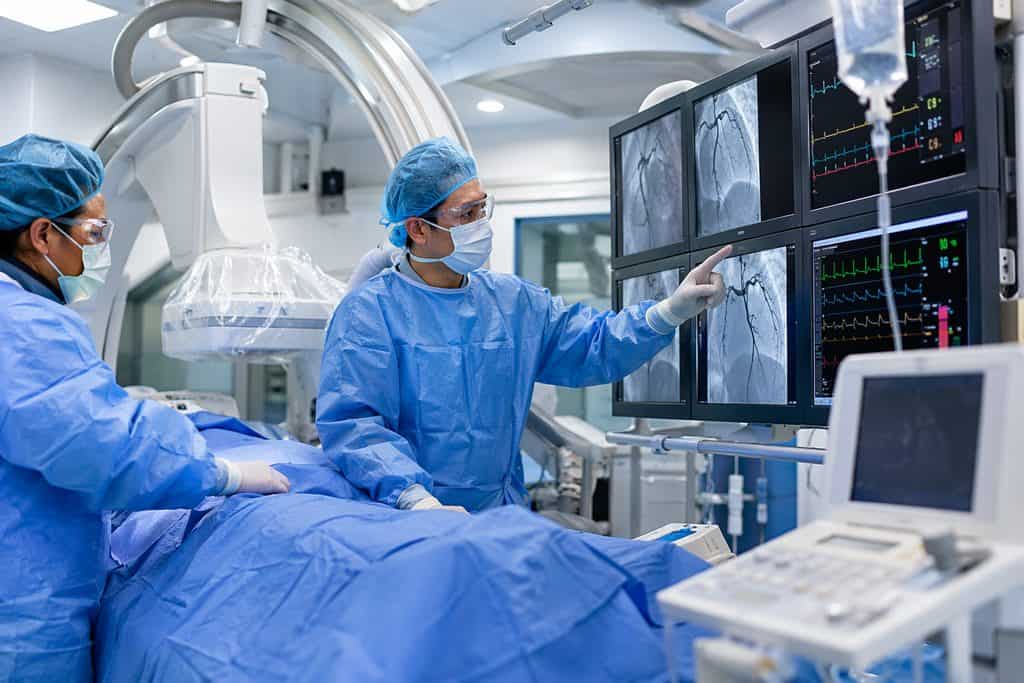
Zhujiang Hospital: A Foreigner’s Guide to Guangzhou’s Top-Tier Care
This Zhujiang Hospital international patient guide covers what the hospital actually is, which departments draw foreign patients, what a visit costs, and how to get an appointment without speaking Mandarin. Zhujiang Hospital (affiliated with Southern Medical University) is a large public tertiary hospital in Guangzhou’s Haizhu District. It is a legitimate, well-regarded institution — but it is not a private international hospital, and that distinction shapes everything about how you use it.
That last point matters more than most guides admit. A public tertiary hospital in China runs on volume. Understanding the rules before you book saves days of confusion.
What Zhujiang Hospital Actually Is
Zhujiang Hospital is a Grade 3A (sanji jia) public hospital — the highest tier in China’s hospital classification system. It sits within a national landscape of more than 35,000 hospitals, and the top tier represents roughly the top 5% by clinical capability and accreditation.
Its recognized strengths cluster around several areas: neurosurgery, cardiovascular care, orthopedics, gastroenterology, and emergency medicine. Guangzhou itself is a major medical hub — the city hosts 10 hospitals in the Fudan Top 100 rankings, third in China behind Beijing and Shanghai.
What does that mean for a foreign patient? You get access to serious clinical depth at a fraction of Western pricing. What you do not get, by default, is a concierge experience. Public hospitals in China do not allow overseas patients to pre-book a standard outpatient slot from abroad. Registration happens on the day, in person, in a queue.
Who This Is Right For — and Who It Isn’t
Zhujiang Hospital suits a specific kind of patient. It is not the right call for everyone.
Typically a good fit:
- Patients seeking a second opinion on a neurological, cardiac, or orthopedic diagnosis
- People facing a procedure quoted at $80,000+ at home who want to compare a Chinese tertiary center
- Patients already in Guangzhou or nearby who need complex diagnostic workup
- Travelers with a serious acute issue who need a capable emergency department
Probably not the right fit:
- Anyone expecting a hotel-like private hospital environment — that is a different category of facility
- Patients who need a guaranteed appointment date before booking flights, unless they go through the international department
- People with conditions requiring immediate intervention. Do not fly to China for an emergency.
- Anyone unwilling to work with a bilingual coordinator or companion. Without Mandarin, navigation is genuinely hard.
Being honest about the last two points is more useful than pretending otherwise.
The Options, Compared
Foreign patients in Guangzhou realistically choose between three tiers. Here is how they differ on the variables that matter.
| Factor | Zhujiang (Public 3A, standard) | Public 3A International Dept. | Private International Hospital |
|---|---|---|---|
| Pre-booking from abroad | Not available | Yes, coordinated | Yes, direct |
| English support | Limited | Available | Full |
| Typical specialist consult | Low, often under $50 | Roughly 1.5–2x standard | $150–400+ |
| Payment model | Prepay, reimburse later | Prepay, reimburse later | Often direct insurance billing |
| Wait for non-urgent surgery | Days to weeks | Shorter | Shortest |
| Best for | Local patients, cost-focused | Overseas patients wanting a top specialist | Comfort and speed |
Which column fits you? If cost is the dominant concern and you can be flexible on timing, standard public care at Zhujiang delivers real value. If you are flying in and cannot afford a wasted trip, the international department is the sensible middle path. Private hospitals win on convenience and lose on price.
Is Zhujiang Hospital Good for International Patients?
Here is the honest answer: the medicine is strong, the service layer is thin. That gap is the whole story.
Clinically, Zhujiang operates at a level comparable to other major Chinese tertiary centers. Its neurosurgery and cardiovascular programs handle high case volumes, which matters — surgical outcomes correlate with how often a team performs a procedure. For complex conditions, volume is a genuine quality signal.
On the service side, a foreign patient walking in cold faces a specific set of obstacles. Registration counters operate in Chinese. Departments are spread across a large campus. Payment happens at separate windows. Lab results come back on a schedule you will not be told about in English.
None of this is insurmountable. It just requires either Mandarin fluency or a bilingual companion. Most international patients use the latter.
One more reality: if you want to be seen by a specific senior specialist, that access typically runs through the international or VIP channel. It costs more. It is also the only reliable way to get a named expert and English support in the same visit.
Zhujiang Hospital Guangzhou Cost for Foreigners
Cost is the question every foreign patient asks first. The honest answer involves ranges, because final pricing depends on the hospital, the department, and the complexity of your case.
For context, comparable procedures in China’s top public hospitals generally run one-fifth to one-tenth of US prices. A cardiac bypass that costs $120,000+ in the United States is often quoted between $12,000 and $20,000 at a leading Chinese center. That is the scale of the gap.
At Zhujiang specifically, expect the following ballpark figures. These are estimates, not quotes:
- Specialist outpatient consultation: modest, often under $50 at standard rates
- International department consultation: roughly 1.5–2x the standard fee
- Advanced imaging (MRI, CT): a fraction of Western pricing
- Major surgery: highly variable, driven by procedure type and length of stay
What drives the variance? Procedure complexity, implant or device costs, ICU days, and whether you use the standard or international channel. Get a written estimate before committing. Any hospital that will not provide one is a red flag.
How to Book an Appointment at Zhujiang Hospital
This is where the process diverges sharply depending on your route.
Standard public route: You arrive, register on the day, queue, and see whichever doctor is available in your department. You cannot reserve a specific surgeon’s slot from overseas. Surgery, if needed, is scheduled only after an in-person consultation.
International department route: This is the practical path for most foreign patients. You submit your records in advance, the relevant specialty reviews them, and the hospital coordinates a consultation. This is also how you reach a named senior specialist.
For patients who want clarity before traveling, a written second opinion or video consultation lets a Chinese specialty team review your existing reports and advise on whether a trip makes sense. That step often prevents an unnecessary flight.
Records to prepare: recent imaging on disc or in digital form, pathology reports, operative notes, current medication lists, and any lab work from the past six months. Translated summaries help, but original reports matter most.
Practical Considerations: Visa, Language, and Payment
Visa. Foreign patients traveling to China for medical treatment use the S2 visa, which covers short stays for medical treatment and private affairs. Stays exceeding 180 days fall under S1. Accompanying family members also apply for S2. Requirements shift, so confirm current rules with the nearest Chinese embassy or consulate and bring supporting hospital documentation.
Language. Assume you will need help. A bilingual medical companion handles registration, queuing, payment windows, wayfinding, and translation during the consultation. This is not a luxury — it is the difference between a smooth visit and a lost day.
Payment. Bring a card that works internationally and confirm your bank’s limits. Public hospitals prepay; private ones may bill insurers directly.
Follow-up. Ask for your imaging, discharge summary, and medication plan in English before you leave. Your home physician will need them.
Frequently Asked Questions
Not through standard public registration — that happens in person on the day. You can arrange a consultation through the hospital’s international or VIP department, usually with advance record submission. A coordination service can handle that process on your behalf.
It depends heavily on the procedure and whether you use the standard or international channel. As a reference, major surgery at top Chinese public hospitals typically runs one-fifth to one-tenth of US prices. Always request a written estimate specific to your case.
Clinically, yes — it is a Grade 3A hospital with strong neurosurgery and cardiovascular programs. On service, it is a public institution without a built-in English layer, so most foreign patients rely on a bilingual companion or the international department.
Chinese tertiary hospitals have formal complaint and review channels, and serious complications are handled through the treating department. Discuss risks and consent documents carefully before any procedure, and keep copies of everything. Travel insurance with medical evacuation coverage is worth arranging in advance.
Your Next Step
Zhujiang Hospital offers genuine clinical depth at a fraction of Western cost — provided you understand that public Chinese hospitals are not built around foreign convenience. The workaround is straightforward: use the international channel, bring your records, and get bilingual support.
We are China Medical Services, a coordination service — not a hospital, and we do not diagnose or treat. We help international patients understand their options, connect with the right department, and navigate the logistics. If you want a clear picture before booking anything, start with a free consultation and we will tell you honestly whether a trip to Guangzhou makes sense for your situation.
For more medical information and treatment options in China, visit chinamedservices.com (China Medical Services).
