Which Hospital in China Offers Herbal Medicine Treatment: A Practical Guide
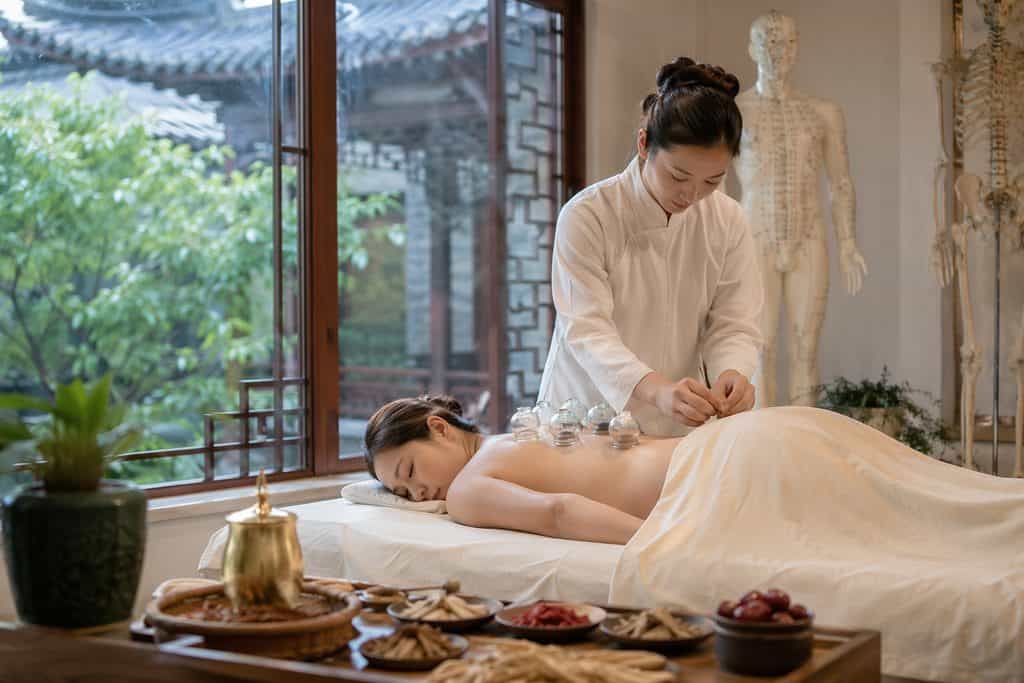
Herbal medicine treatment in China is not a single therapy. It is a structured system of diagnosis, formulation, and monitoring practiced in dedicated public hospitals, university-affiliated clinics, and private international centers. When a reader asks which hospital in China offers herbal medicine treatment, the honest answer is that dozens do — but only a fraction are equipped to serve foreign patients with translated records, English-speaking staff, and clear pricing. Understanding the traditional chinese medicine hospital China cost structure matters before you book anything.
Our team has coordinated care for patients across 37 cities and 340+ top-ranked hospitals. We have seen what works. We have also seen what confuses people. This guide explains the landscape without fluff.
How This Actually Works, Step by Step
Most international patients assume they can email a hospital and reserve a bed. That is not how Chinese public hospitals operate. Herbal medicine treatment follows a predictable sequence.
First, you send your existing medical records. These include any Western diagnosis, lab results, imaging reports, and a list of current medications. Our team arranges certified translation into Chinese. Without this step, no senior TCM physician can responsibly evaluate your case.
Second, the relevant department reviews your file. For a digestive complaint, that might be the spleen-stomach department. For a gynecological issue, the obstetrics and TCM gynecology unit. The review produces a written response: whether herbal medicine is appropriate, what initial formula direction they recommend, and whether they want additional testing first.
Third, you choose between a written second opinion ($300–500), a video consultation ($100–300 for a standard international department, $500–800 for a top specialist), or traveling directly for an in-person assessment. Any consultation fee is credited in full toward on-the-ground coordination if you proceed within 90 days.
Fourth, if you travel, the physician conducts a full TCM assessment — tongue observation, pulse diagnosis at three positions on each wrist, detailed questioning about sleep, digestion, temperature sensation, and emotional state. Only then is a personalized herbal formula written.
Fifth, the pharmacy dispenses the herbs. Depending on the hospital, you receive raw dried herbs to decoct at home, concentrated granules to dissolve in hot water, or pre-decocted sealed pouches. Follow-up typically happens every two to four weeks, in person or by video.
Which Hospitals Actually Offer Herbal Medicine to Foreigners
China has more than 35,000 hospitals. The top 5% — roughly 1,700 institutions — include dedicated TCM hospitals, integrated medicine departments within Western hospitals, and private international clinics. For foreign patients, three categories matter.
Beijing hosts several nationally ranked TCM institutions. The largest public TCM hospitals in the capital operate international outpatient departments with English-speaking coordinators. The best TCM hospital Beijing price for an initial specialist consultation typically ranges from $50 to $150 in the public international department, with herbal prescriptions billed separately — usually $30 to $90 for a two-week supply of granules, depending on the ingredients. Rare or imported herbs raise the cost.
Shanghai offers comparable quality with slightly different pricing. The book herbal medicine treatment Shanghai process usually starts with a video consultation before travel, which helps patients avoid arriving without a clear plan. Private international hospitals in Shanghai such as United Family and Jiahui integrate TCM physicians alongside Western specialists. Their consultations cost more — often $150 to $300 — but include direct insurance billing and fully English documentation.
Guangzhou, Chengdu, and Hangzhou each have strong TCM hospitals with growing international patient services. For a broader view of ranked institutions, our TCM hospital directory lists facilities by city with their specialty departments.
A Realistic Timeline
People underestimate how long the preparation takes. Here is what we tell patients to expect.
| Stage | What Happens | Typical Duration |
|---|---|---|
| Day 1–3 | You send records; we arrange certified translation | 2–3 days |
| Week 1 | Department review of your file; written response returned | 5–10 days |
| Week 2–3 | Video consultation scheduled with the TCM physician | 1–2 weeks lead time |
| Week 3–6 | S2 visa application with hospital invitation letter | 2–4 weeks, varies by consulate |
| Month 2 | Travel to China; in-person assessment; first formula dispensed | 2–3 days on the ground |
| Month 3+ | Follow-up consultations; formula adjustments | Every 2–4 weeks |
The steps people forget are document translation and visa processing. Neither can be rushed. A hospital invitation letter helps the S2 visa application, but consulates set their own timelines. We advise patients to plan at least six weeks from first contact to arrival.
What Can Go Wrong — and What Happens Then
Herbal medicine is generally safe when prescribed by a licensed physician. But things do not always go smoothly. Here are the honest failure modes.
Formula intolerance happens. Some patients experience digestive upset, loose stools, or mild skin reactions in the first week. The remedy is straightforward: contact the prescribing physician, describe the symptoms, and have the formula adjusted. Most TCM hospitals offer follow-up by video for international patients, precisely for this reason.
Herb-drug interactions are a real concern. If you take blood thinners, immunosuppressants, or diabetes medication, certain herbs can amplify or blunt their effects. A responsible TCM physician will demand a complete medication list before prescribing. If a doctor does not ask, that is a red flag. Always inform both your home physician and the TCM doctor about everything you take.
Quality variation exists between pharmacies. Hospital pharmacies in ranked public institutions follow national pharmacopoeia standards and batch testing. Small private clinics may not. This is why we direct patients toward established hospital pharmacies rather than independent shops they find online.
Expectation mismatch is perhaps the most common problem. Herbal medicine treats chronic conditions gradually. A patient expecting a three-day cure for a decade-old autoimmune issue will be disappointed. Realistic timelines — weeks to months of consistent treatment — prevent this.
How Does Herbal Medicine Treatment Work in China — and Is It Safe for Foreigners
Many readers ask how does herbal medicine treatment work in China differently from what they have seen at home. The answer lies in the diagnostic framework and the regulation.
Chinese herbal medicine rests on pattern differentiation. Two patients with the same Western diagnosis — say, eczema — may receive entirely different formulas because one presents with damp-heat signs and the other with blood deficiency. The formula is not a one-size-fits-all product. It is assembled from 8 to 16 individual herbs, each with a specific role: the chief herb addresses the main pattern, deputy herbs support it, assistants reduce side effects or address secondary symptoms, and envoy herbs guide the formula to the right body system.
Is it safe for foreigners? The short answer is yes, with conditions. China’s National Medical Products Administration regulates herbal products. Public hospital pharmacies source from licensed suppliers with heavy metal and pesticide testing. The risk profile changes when patients buy unregulated products online or from unlicensed practitioners. Stick to hospital-affiliated physicians. Ask about sourcing. A good physician will explain where the herbs come from and how they are tested.
The question is herbal medicine in China safe for foreigners also carries a cultural dimension. Language barriers matter. A miscommunicated symptom can lead to a wrong formula. Using a bilingual medical companion eliminates this risk. Our companions translate in real time, ensure the physician understands your full history, and clarify dosage instructions before you leave the hospital.
Understanding TCM Hospital Packages for International Patients
Several major TCM hospitals now offer structured TCM hospital packages for international patients China. These bundles matter because they simplify pricing and scheduling.
A typical package includes initial consultation, diagnostic assessment, a two-week herbal supply, one follow-up video consultation, and sometimes acupuncture or tuina massage sessions. Prices vary widely. Public hospital international departments might charge $200 to $500 for a basic two-week package. Private international hospitals charge $500 to $1,500 for a more comprehensive program with English case management and direct insurance billing.
Packages are not always the best value. Some bundle services you may not need. We advise patients to ask for an itemized breakdown before committing. A written second opinion first — before any package purchase — often saves money by clarifying whether herbal treatment is even appropriate for your condition.
Practical Considerations: Records, Visa, Payment, and Follow-Up
Bring everything. Your Western medical records, lab results, imaging reports, and a written summary of your condition from your home physician. The more complete the file, the better the TCM physician can assess interactions and contraindications.
Visa category is S2 for short-stay medical treatment. Accompanying family members also apply for S2. The hospital’s international department provides an invitation letter and treatment confirmation, which you submit to the Chinese embassy or consulate. Processing times vary by country — budget four weeks. Never book flights before the visa is approved.
Payment works differently than in Western hospitals. Public hospitals require prepayment — you deposit funds at registration and draw down as services are rendered. International insurance rarely covers TCM herbal treatment directly. Some private international hospitals in China do direct billing with major insurers, but public hospitals generally do not. Check with your insurer before traveling.
Follow-up at home is the part most people forget. Herbal formulas need adjustment every two to four weeks based on your response. If you cannot return to China, video follow-ups work. Some hospitals can ship herbs internationally, though customs regulations vary by country. Confirm this before you leave.
For patients who prefer integrated care, several Western-style hospitals with strong international departments also house TCM units. Our ranked hospital directory includes both dedicated TCM centers and integrated facilities. If you are still deciding between a public TCM hospital and a private international clinic, our private hospital comparison explains the differences in insurance, language support, and pricing.
Frequently Asked Questions
Expect $50–150 for an initial consultation at a public TCM hospital international department, $150–300 at a private international clinic. A two-week herbal supply adds $30–90 for standard granules. Comprehensive packages run $200–1,500 depending on the hospital and included services. All prices vary by hospital and case complexity.
No. Many hospitals offer video consultations for international patients. The physician reviews your records, conducts a visual assessment by video, and can prescribe a formula. However, pulse and tongue diagnosis are more accurate in person. Many patients start with a video consultation, then travel if the initial response is positive.
It can. Certain herbs affect liver enzymes that metabolize pharmaceuticals, potentially changing drug levels in your blood. Always disclose every medication and supplement to the TCM physician. A qualified doctor will check for known interactions and adjust the formula accordingly. Never stop your prescribed Western medication without consulting the physician who prescribed it.
Yes. You do not need a Western doctor’s referral to consult a TCM physician in China. You do need complete medical records and, ideally, a preliminary remote evaluation. This helps the hospital determine which department fits your case before you spend money on travel.
Rarely. Most international insurers exclude TCM herbal medicine or cover it only under specific wellness riders. Private international hospitals in China sometimes offer direct billing where coverage exists. Public hospitals require upfront payment with reimbursement claimed afterward. Check your policy’s fine print.
Your Next Step
Herbal medicine treatment in China is accessible, regulated, and often surprisingly affordable — but only when the right hospital, the right physician, and the right preparation come together. Start with a remote evaluation. It costs less than a flight and tells you whether this path is worth pursuing.
We are China Medical Services, a coordination team that connects international patients with ranked Chinese hospitals. We do not practice medicine or guarantee outcomes. We handle records translation, hospital matching, appointment coordination, and bilingual support on the ground. When you are ready to explore whether herbal medicine fits your condition, request a free consultation at our patient services page. We will help you understand your options — clearly, honestly, and without pressure.
For more medical information and treatment options in China, visit chinamedservices.com (China Medical Services).
