First Affiliated Hospital Zhengzhou University: Complete Guide for International Patients
Getting Your Care at First Affiliated Hospital Zhengzhou University: The Short Answer
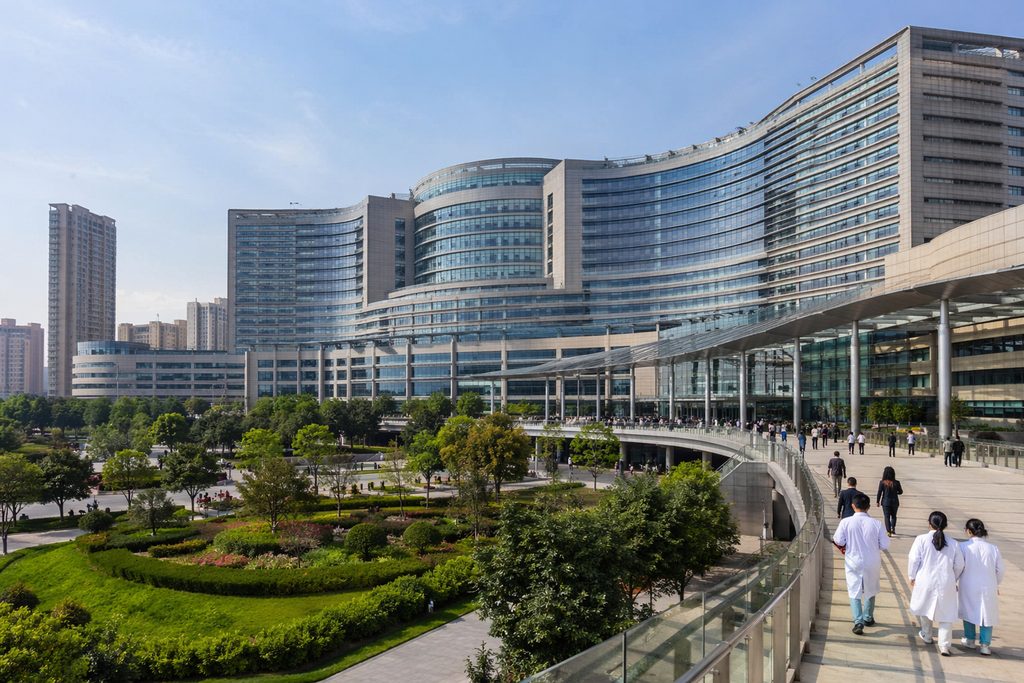
The First Affiliated Hospital of Zhengzhou University handles over 20,000 outpatient visits daily. It is the largest hospital in Henan province and one of the most expansive medical campuses in the world. For international patients, accessing care here means navigating a system built for massive scale. You cannot simply email for a First Affiliated Hospital Zhengzhou University price list and book a surgery date. The hospital’s public outpatient system requires physical presence and Mandarin fluency. The international patient pathway exists, but it works differently than what most Western patients expect.
That said, the clinical volume here translates into deep expertise in specific specialties. The hospital performs more esophageal cancer surgeries annually than most national health systems. Its reproductive medicine center handles IVF cycles numbered in the tens of thousands. The question is not whether the hospital can treat you. It is whether you can realistically access that treatment without local guidance.
Who This Is Right For — and Who It Isn’t
This hospital suits a specific profile of international patient. Someone who has a confirmed diagnosis, has exhausted options at home, and is willing to travel for high-volume surgical expertise. The sweet spot includes patients with complex oncology cases, particularly gastrointestinal and esophageal cancers. Also those seeking advanced reproductive medicine, large-scale orthopedic reconstruction, or cardiovascular interventions where operator experience correlates directly with outcomes.
Good candidates typically:
- Have existing imaging, pathology reports, and treatment records ready in English or Chinese
- Are stable enough for international travel and a multi-week stay in Zhengzhou
- Understand that the hospital’s public wards are functional, not luxury — private international rooms exist but book far in advance
- Accept that a preliminary remote consultation is necessary before any treatment commitment
This is not the right fit for someone seeking a quick, low-cost elective procedure with minimal paperwork. It is also not appropriate for patients who need immediate emergency intervention — travel time alone makes that unworkable. And if you expect Western-style hotel amenities baked into your hospital stay, you will be disappointed by the standard public wards. The hospital’s international wing addresses some of this, but expectations need calibration from the start.
The Options, Compared
International patients accessing the First Affiliated Hospital of Zhengzhou University face a real choice between pathways. Each has different cost structures, wait times, and support levels. The table below lays out what actually exists on the ground.
| Pathway | Typical Wait to Specialist | Language Support | Estimated Coordination Cost (Non-Treatment) | Best For |
|---|---|---|---|---|
| Public Outpatient (Self-Navigate) | Same-day queue, 2-6 hours standing wait | None — Mandarin required | $0 (your time and stress) | Fluent Chinese speakers living locally |
| International Patient Department (Direct Contact) | 3-14 days, dependent on specialist availability | Limited English — basic administrative help | $0 direct, but requires in-person registration | Patients with Chinese-speaking family or friends in Zhengzhou |
| Coordinated Access (via Medical Concierge) | 1-2 weeks for video consultation; treatment timeline set after evaluation | Full bilingual support throughout | from $800 for specialist consultation coordination | International patients without local connections or language skills |
The public pathway is the default for millions of Chinese patients. It works. But it works because they speak the language and understand the unwritten rules of queuing, payment counters, and pharmacy pickups. For a foreigner arriving alone, the friction is immense. The international patient department exists — we have confirmed this directly — but its capacity for pre-arrival scheduling is limited. Most coordination still requires someone physically present at the hospital.
Understanding the First Affiliated Hospital Zhengzhou University Price List
There is no single published First Affiliated Hospital Zhengzhou University price list for international patients. This frustrates people. We understand why. Western healthcare systems increasingly publish transparent pricing, and the absence of a downloadable PDF feels opaque. The reality is that pricing here follows China’s public hospital model: fees are set by provincial health authorities, vary by procedure code, and differ between the standard public track and the VIP/international track.
What we can tell you from direct experience coordinating care here: a complex surgical procedure that costs $120,000 in the United States typically falls in the $15,000 to $25,000 range at this hospital on the international track. The public track costs less, but comes with the language and navigation barriers described above. Consultation fees for senior specialists range from $30 to $100. Imaging studies — CT, MRI, PET-CT — cost a fraction of Western prices. A full-body PET-CT scan runs approximately $400 to $700.
The variables that swing your final cost include whether you need a private room, the complexity and duration of surgery, implant or prosthesis choices, and the length of post-operative monitoring. None of this can be quoted accurately without a review of your specific medical records. Anyone offering you a firm price before seeing your case is guessing.
What It Costs: A Realistic Breakdown for International Patients
Let us put numbers to the categories that matter. These are ranges based on cases we have coordinated at this hospital. They are not quotes. They are reference points for your planning.
| Cost Category | Estimated Range (USD) | Notes |
|---|---|---|
| Initial Video Consultation (Specialist) | $100 – $300 | Remote review of your records; credited toward coordination if you proceed |
| Written Second Opinion | $300 – $500 | Detailed written analysis from a relevant department head or senior specialist |
| In-Person Specialist Consultation Coordination | from $800 | Includes appointment scheduling, bilingual companion for the visit, document preparation |
| Major Surgery (e.g., esophagectomy, complex orthopedic) | $15,000 – $25,000 | Hospital charges only; international/VIP track pricing |
| Moderate Surgery (e.g., laparoscopic procedures) | $6,000 – $12,000 | Varies significantly by specialty and implant needs |
| Bilingual Medical Companion (Daily) | from $300/day | Full day; handles registration, translation, navigation, pharmacy |
| Airport Transfer (Round-Trip) | $200 | Zhengzhou Xinzheng International Airport to hospital or hotel |
What is not included in hospital charges: your flight, accommodation, meals for family members, post-discharge medications taken home, and any follow-up care in your home country. Budget for at least two to four weeks in Zhengzhou for a major surgical episode, including pre-operative assessment and early recovery before flying back.
Practical Considerations: Records, Visas, and Getting Through the Door
The logistics matter as much as the medicine. Here is what actually needs to happen before you set foot in the hospital.
Medical Records Preparation. The hospital’s international department requires translated summaries at minimum. Full translation of every page is ideal but not always practical. Priority documents: your primary diagnosis report, imaging findings (the written reports, not just the images), pathology slides and reports if cancer-related, and a summary of prior treatments with dates and outcomes. Digital copies on a USB drive are standard. Bring the physical films too — radiologists here often want to review originals.
Visa Reality. Medical treatment in China falls under the S2 visa category — short-term private affairs, with the hospital’s invitation letter specifying the medical purpose. Your accompanying family member applies under the same S2 category. This is not an M visa. M is for commercial trade. Applying under the wrong category delays everything. The hospital’s international patient department can issue the invitation letter once they have accepted your case. Processing times at Chinese embassies and consulates vary by country. Budget three to six weeks from invitation letter to visa in hand.
Payment Methods. The hospital accepts UnionPay, major credit cards at international counters, and wire transfers for large deposits. Cash deposits are still common for inpatient admission. Expect to prepay a deposit before scheduled surgery — the amount depends on the procedure. International health insurance with direct billing is not widely accepted in Chinese public hospitals. You pay first, then claim reimbursement from your insurer. Verify this with your insurance provider before committing.
Language Barrier. Zhengzhou is not Beijing or Shanghai. English proficiency among hospital staff, even in the international department, is functional but limited. Clinical discussions with your surgeon will likely require a translator unless the specialist happens to have trained abroad. The hospital’s sheer size — multiple buildings, thousands of patients moving through daily — makes self-navigation extremely difficult without Mandarin. This is not a criticism of the hospital. It is a statement of fact about operating in a system designed for the domestic population.
How to Get Treatment at Henan Largest Hospital: The Step-by-Step Reality
Here is the sequence that actually works for international patients seeking care at this institution. Skip steps and you will hit dead ends.
Step 1: Remote Case Review. Before anything else, your records need to reach the right department. This is not about filling a web form and getting a callback. It requires identifying which subspecialty handles your condition, ensuring your materials are complete enough for a specialist to form an opinion, and having someone on the ground submit them through the correct channel. A written second opinion or video consultation confirms whether the hospital will accept your case and what treatment approach they recommend.
Step 2: Formal Acceptance and Invitation Letter. If the specialist agrees to treat you, the international department issues a formal acceptance and the visa invitation letter. This document is essential for your S2 visa application. Without it, you cannot state a legitimate medical purpose for your travel.
Step 3: Visa Application. Apply at the Chinese embassy or consulate in your country with the invitation letter, passport, completed application form, and any additional documents your local consulate requires. Processing times vary.
Step 4: Arrival and In-Person Consultation. You must be seen in person before any surgery is scheduled. This is non-negotiable in China’s public hospital system. The surgeon needs to examine you, review imaging with you present, and confirm the treatment plan. Tests may be repeated. This is standard practice, not a delay tactic.
Step 5: Admission and Treatment. Once the surgeon confirms the plan, admission is arranged. The timeline from in-person consultation to surgery depends on bed availability, operating room scheduling, and any pre-operative optimization needed. Expect one to three weeks for major elective procedures.
Step 6: Recovery and Discharge. Post-operative monitoring continues until the surgical team clears you for discharge. For major surgery, plan to stay in Zhengzhou for at least a week after discharge before flying — your surgeon will advise on the safe window for air travel.
Frequently Asked Questions
You can initiate the process remotely, but you cannot finalize a surgery date from abroad. The international patient department can schedule an initial specialist consultation once your records are reviewed and accepted. That consultation happens after you arrive. Surgery is scheduled only after the in-person evaluation. Anyone promising you a locked-in surgery date before you have been seen by the surgeon is not being honest about how this hospital operates.
Roughly one-fifth to one-tenth of Western prices for equivalent procedures. A complex cancer resection that bills at $120,000 to $180,000 in the United States typically lands between $15,000 and $25,000 here on the international track. But you trade cost savings for logistical complexity, language barriers, and the reality of recovering in an unfamiliar environment far from your regular support network. The savings are real. So are the trade-offs.
Yes. The international patient department Zhengzhou University hospital handles foreign patients, but its capacity is limited compared to the hospital’s overall scale. It provides administrative support, helps with registration, and can arrange some English-speaking assistance. However, it does not function like a Western international patient office that handles every aspect of your journey from first inquiry to discharge. Expect to need supplemental coordination, especially for specialist access and in-depth translation during clinical conversations.
For clinical capability, yes — it is the undisputed top institution in the province by patient volume, specialist concentration, and research output. For foreign patient experience, the answer is more nuanced. The hospital’s primary identity is serving Henan’s population of nearly 100 million people. International patients are a tiny fraction of its activity. The clinical excellence is there. The infrastructure to make a foreigner’s journey smooth requires external support or considerable personal resilience.
Your surgeon will typically provide a discharge summary and operative report in Chinese, which you will need translated for your home physician. Follow-up communication with the surgical team is possible through the international department, but response times vary. You need a local doctor at home willing to manage post-operative issues and communicate with the team in Zhengzhou if necessary. Establishing this relationship before you travel is strongly advised. Telemedicine follow-up with the Zhengzhou team can be arranged, but it is not a substitute for in-person care at home.
Your Next Step
Getting care at the First Affiliated Hospital of Zhengzhou University is achievable. Thousands of patients do it every year. But the gap between wanting treatment and actually receiving it is filled with paperwork, language barriers, and logistical steps that are hard to manage from abroad. Our team exists to close that gap. We are not a hospital. We do not employ doctors or make diagnoses. We are a medical concierge service that connects international patients with China’s top-ranked hospitals — including this one — and handles the coordination that makes treatment possible.
If you are considering this hospital for a specific procedure, start with a remote case review. Send us your records. We will get them in front of the right specialist, obtain an honest assessment of whether your case is suitable, and give you a realistic picture of timeline and costs before you book a flight. Visit our patient services page to begin. No commitment, no pressure. Just clarity on what is actually possible.
For more medical information and treatment options in China, visit chinamedservices.com (China Medical Services).
