Which Hospital in China Offers Cardiovascular Screening: A Complete Guide for International Patients
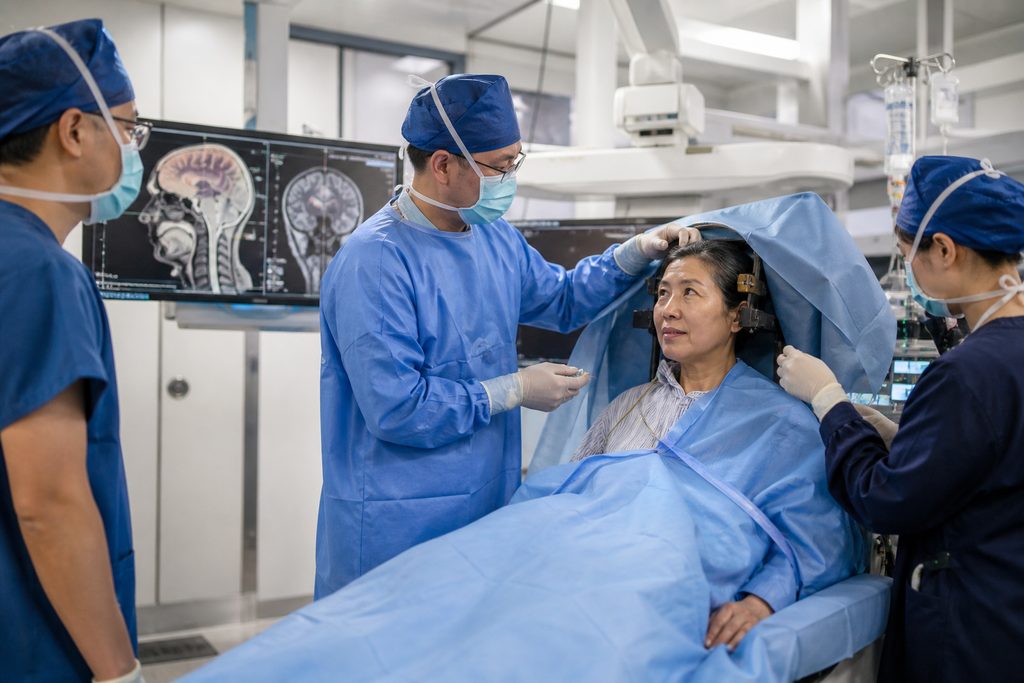
Cardiovascular disease kills an estimated 17.9 million people globally every year, according to the World Health Organization. That is roughly 1 in 3 deaths. For many international patients, the question is not whether to get screened—it is where. China has emerged as a serious option. Fuwai Hospital in Beijing alone performs more than 14,000 cardiac surgeries annually, the highest volume of any heart center on the planet. The heart screening cost China offers is often 60–80% lower than equivalent packages in the United States or Western Europe, without sacrificing diagnostic technology. This guide walks through which hospitals actually offer cardiovascular screening for foreigners, what the process looks like, what you will pay, and what can go wrong.
We are China Medical Services. Our team has coordinated cardiac evaluations for patients from over 30 countries. We do not perform screenings. We connect you with the hospitals that do, and we make sure you understand exactly what you are buying before you board a plane.
How This Actually Works, Step by Step
The process is more structured than most people expect. Here is the real sequence, based on how our team has coordinated hundreds of cardiac screening cases.
Step 1: You send us your existing records. If you have had an ECG, echocardiogram, stress test, or any prior cardiac imaging, we need those files. We also need a brief medical history: age, symptoms, family history, current medications. No diagnosis is made at this stage. Your records simply tell us which hospital and which department are the right fit.
Step 2: We match you with a hospital. Not every top cardiac hospital in China accepts walk-in international patients for screening. Some have dedicated international departments with English-speaking coordinators. Others require a proxy consultation first. We identify which of the 340+ top-ranked hospitals in our database actually runs a screening program suitable for your profile. This step typically takes 2–4 working days.
Step 3: You choose a screening package. Most major cardiac centers offer tiered packages. A basic executive heart check includes ECG, echocardiogram, blood lipids, and a cardiologist consultation. A comprehensive package adds coronary CT angiography (CCTA), carotid ultrasound, and sometimes a treadmill stress test. Prices vary by hospital and case complexity. We send you the exact package breakdown in English before you commit to anything.
Step 4: Appointment confirmation and travel planning. Once you approve the package, we coordinate the appointment date directly with the hospital’s international office. You handle your S2 visa application—we provide the hospital invitation letter and guidance. Flights and accommodation are yours to book, though we can recommend options near the hospital.
Step 5: The screening day. A bilingual medical companion meets you at the hospital entrance. They handle registration, queue numbers, payment, and translation. You go through each test in sequence. Most comprehensive cardiac screenings are completed in 4–6 hours. Same-day results for blood work and basic imaging are common. Full reports are usually ready within 24–72 hours.
Step 6: Results review and next steps. A cardiologist reviews your results with you in person or via video. If the screening finds something that requires treatment, we can coordinate a follow-up consultation. You are never obligated to proceed with treatment at the same hospital.
Which Hospitals Actually Offer Cardiovascular Screening for Foreigners
The honest answer is that China’s top cardiac hospitals do not all operate the same way. Some are research powerhouses with enormous outpatient volumes. Others have built dedicated international wings specifically for foreign patients. Knowing the difference matters.
Fuwai Hospital, Beijing is the most recognizable name. It is the national center for cardiovascular disease and performs more heart surgeries than any hospital worldwide. Its cardiac screening packages are comprehensive, but the standard outpatient flow is crowded and almost entirely Chinese-language. International patients typically go through the hospital’s international department, which adds coordination but provides English support. This is where the best hospital for cardiac check-up Beijing search usually leads—and for good reason. Fuwai’s imaging equipment and cardiologist density are unmatched in China.
Zhongshan Hospital, Fudan University, Shanghai is the southern counterpart. Its cardiology department consistently ranks among China’s top three. The hospital has a well-organized international medical center. For patients asking is cardiovascular screening in Shanghai reliable, the short answer is yes—Zhongshan runs one of the most protocol-driven cardiac imaging programs in the country. Its CCTA and cardiac MRI capabilities are world-class.
Peking Union Medical College Hospital (PUMCH), Beijing takes a more generalist approach. Its strength is diagnostic thoroughness across multiple systems, not cardiac volume alone. If your screening needs to cover cardiovascular risk plus metabolic and respiratory markers, PUMCH is a strong candidate. The international department is experienced with Western patients.
Ruijin Hospital, Shanghai and West China Hospital, Chengdu both run reputable cardiac screening programs as well. Ruijin’s cardiology department is among the busiest in Shanghai. West China Hospital serves a massive catchment area and has invested heavily in cardiac imaging. Our top-ranked hospitals directory breaks down Fudan rankings by city and specialty so you can compare options side by side.
Private international hospitals like United Family and Jiahui offer cardiac screening too. They are more expensive than public hospitals—often 2–3 times the price—but the experience is closer to a Western private clinic. English-speaking staff, direct insurance billing, shorter queues. For a basic heart check without complex imaging, they are a reasonable choice. For advanced cardiac CT or specialist interpretation, the public top-tier hospitals are stronger. Our private international hospital guide covers the trade-offs in detail.
A Realistic Timeline
People underestimate how long the coordination takes. Here is a realistic breakdown from first contact to completed screening.
| Stage | What Happens | Typical Duration |
|---|---|---|
| Day 1–3 | You send medical records and history; we review and respond with initial hospital recommendations | 2–3 working days |
| Day 4–10 | Hospital selection, package confirmation, appointment request submitted to international department | 5–7 working days |
| Day 11–25 | S2 visa application with hospital invitation letter; document translation if needed | 1–3 weeks depending on your embassy |
| Day 26–35 | Travel booking, accommodation, pre-screening instructions (fasting, medication adjustments) | 1–2 weeks |
| Screening day | Full cardiac screening at the hospital with bilingual companion | 4–6 hours |
| Day +2 to +5 | Full written report and cardiologist review | 24–72 hours after screening |
The visa step is the one people forget. You cannot simply fly to China and walk into a cardiac screening. The S2 visa is the correct category for short-term medical treatment and private affairs. Processing times vary by embassy. Budget at least three weeks from appointment confirmation to screening date.
What Can Go Wrong — and What Happens Then
We would rather you know the failure modes before they happen.
The appointment gets moved. Public hospitals in China are enormous. A single outpatient day can see 10,000+ patients. Scheduling conflicts happen. If your screening date shifts, we work with the hospital to rebook at the earliest available slot. This is rare for international department appointments, but not impossible.
The screening finds something unexpected. This is actually the point of screening. But it can be destabilizing. If your coronary CT shows calcification or a blockage, the cardiologist will explain what it means. You are under no obligation to pursue treatment in China. We can provide your full imaging files in DICOM format for review by your doctor at home. A written second opinion from a top Chinese specialist costs $300–500 and is credited toward any future coordination service.
Your insurance refuses to pre-approve. Chinese public hospitals require prepayment. Most international insurance plans reimburse after the fact. If your insurer requires pre-authorization, we provide the hospital’s itemized quote and package description. Some patients pay out of pocket and claim later. Others switch to a private hospital that does direct billing. Both paths work.
Language friction. Even in international departments, not every technician speaks English. Our bilingual companion stays with you through every test. That is not a luxury—it is the difference between a smooth screening and a confusing one.
You realize you need more than screening. A comprehensive cardiac screening is not a treatment plan. If the results indicate you need an angiogram or intervention, that is a separate process with its own scheduling and costs. We can coordinate it, but it is not automatic.
How to Evaluate a Cardiac Screening Package
Not all “heart check-up” packages are equal. Here is what to look for when comparing offers.
Look at the imaging, not just the blood tests. A basic package that only includes ECG, lipids, and a consultation is not much more than an annual physical. The real diagnostic value comes from echocardiography and, ideally, coronary CT angiography. If you have risk factors—family history, hypertension, diabetes, smoking—you want a package that includes CCTA. That is the test that actually visualizes plaque in your coronary arteries.
Ask who reads the images. The equipment matters less than the person interpreting it. At Fuwai and Zhongshan, cardiac imaging is read by dedicated cardiovascular radiologists who see thousands of cases a year. At a smaller private clinic, the same scan might be read by a general radiologist. The difference in diagnostic accuracy is real.
Check what the cardiologist consultation includes. Some packages include a 10-minute review. Others include a 30-minute consultation where you can actually discuss results and ask questions. For international patients who flew in specifically for this, the longer consultation is worth the extra cost.
Understand the price structure. When you search how much does a full heart check-up cost in China, you will see ranges from $300 to over $2,000. The spread reflects package depth. A basic executive screening at a private international hospital might run $400–800. A comprehensive package with CCTA at a top public hospital’s international department typically runs $800–1,800. Prices vary by hospital and case complexity. Our cardiology department rankings show which hospitals lead in cardiac care so you can shortlist before comparing packages.
Practical Considerations: Records, Visa, Payment, and Follow-Up
Yes, but not through the standard public outpatient system. Regular public hospital walk-in appointments cannot be pre-booked from abroad. International patients book through the hospital’s international department or VIP channel, which allows advance scheduling. That is the route we coordinate. It costs more than the standard channel—roughly 1.5 to 2 times—but it guarantees your appointment date and provides English support.
For practical purposes, yes. Zhongshan Hospital in Shanghai runs one of China’s strongest cardiac imaging programs. Fuwai in Beijing has higher surgical volume, but for screening and diagnostic imaging, both cities offer world-class quality. The choice often comes down to travel convenience and package availability.
You receive a full written report with the cardiologist’s interpretation. You are not obligated to pursue treatment in China. We provide your imaging files in standard DICOM format so your home cardiologist can review them. If you want a Chinese specialist’s written second opinion on a finding, that costs $300–500.
You need an S2 visa for short-term medical treatment and private affairs. The hospital provides an invitation letter once your appointment is confirmed. Family members traveling with you also apply for S2. The M visa is for commercial and trade activities and is not appropriate for medical travel.
Your Next Step
Cardiovascular screening in China is a serious option for international patients who want high-quality imaging at a fraction of Western prices. The key is choosing the right hospital and navigating the process correctly. China Medical Services has spent years building relationships with the cardiac departments that actually accept foreign patients. We do not perform screenings and we do not make medical decisions. We handle the coordination—hospital matching, appointment booking, visa documentation, bilingual support on the day.
If you are considering a cardiac check-up in China, start with a conversation. Tell us your medical history and what you want screened. We will tell you which hospitals fit, what the packages include, and what the realistic heart screening cost China will be for your case. No obligation. Just clarity.
Frequently Asked Questions
Yes. The hospitals used for international patients are JCI-accredited and follow the same international safety standards as top hospitals in the US and Europe. Surgical teams perform high volumes of procedures — often more than their Western counterparts — which studies show leads to better outcomes.
Costs vary by procedure and hospital, but international patients typically save 40-80% compared to US prices — even when factoring in travel and accommodation. A consultation with our team will give you an exact, all-inclusive quote with no hidden fees.
Send us your existing medical reports to get started. We handle everything from hospital selection and appointment scheduling to visa assistance and post-operative recovery planning. Your medical records are reviewed by the specialist before you even book a flight.
For more medical information and treatment options in China, visit chinamedservices.com (China Medical Services).
